Is a Radio Frequency Microneedle Device Essential to Open a Medical Spa?
A Comprehensive Analysis of Benefits, Costs, Alternatives, and Strategic Considerations
I. Introduction
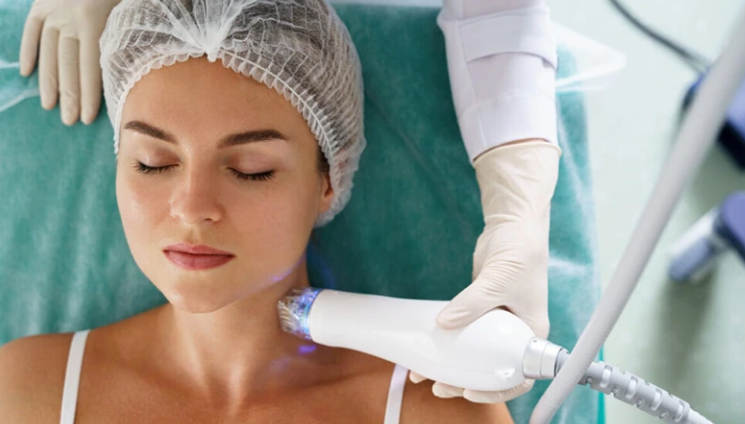
The medical spa (med spa) industry is undergoing a paradigm shift, driven by technological advancements and a consumer demand for non-invasive, results-driven aesthetic treatments. Modern med spas are no longer confined to basic skincare services but now integrate advanced medical-grade technologies to address a wide range of concerns, from anti-aging to scar revision. Among these innovations, radio frequency (RF) microneedling has emerged as a cornerstone treatment, praised for its efficacy in skin rejuvenation with minimal downtime.
However, for entrepreneurs and practitioners considering launching a med spa, a critical question arises:
"Is purchasing an RF microneedling device a non-negotiable requirement for a successful med spa, or can it be a strategic addition later?"
This article explores the nuances of RF microneedling, its market relevance, financial implications, and alternative approaches to help aspiring med spa owners make informed decisions.
II. Understanding Radio Frequency (RF) Microneedling
What is RF Microneedling?
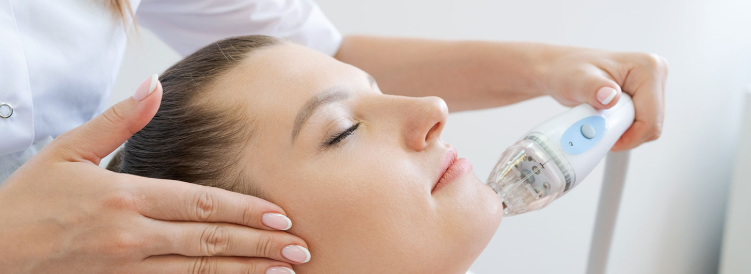
RF microneedling is a hybrid aesthetic procedure that combines two proven technologies:
- Microneedling – A process where tiny, sterile needles create controlled micro-injuries in the skin to stimulate collagen and elastin production.
- Radio Frequency (RF) Energy – Delivers thermal energy deep into the dermis to further enhance collagen remodeling and tissue tightening.
How Does RF Microneedling Work?
- Needle Penetration: The device’s needles puncture the skin at adjustable depths (typically 0.5–3.5 mm), creating microchannels.
- RF Energy Delivery: As the needles retract, RF energy is emitted, heating the dermal tissue without damaging the epidermis.
- Healing Response: The dual action of micro-injuries and thermal stimulation triggers a wound-healing cascade, leading to:
- Increased collagen and elastin synthesis
- Improved skin texture and firmness
- Reduction in fine lines, wrinkles, acne scars, and stretch marks
Key Benefits & Clinical Indications
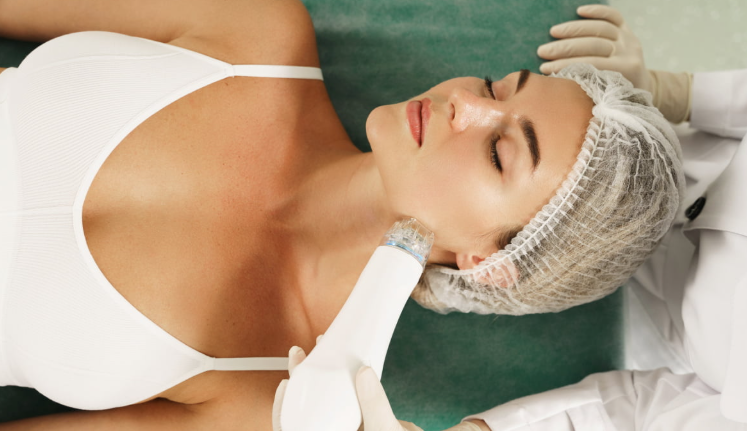
- Skin Tightening & Firming: Effective for mild to moderate skin laxity (e.g., jowls, neck, décolletage).
- Acne Scars & Textural Irregularities: Breaks down scar tissue and promotes even skin tone.
- Pore Reduction & Skin Refinement: Improves overall skin quality.
- Minimal Downtime: Typically 24–48 hours of redness, making it appealing to busy clients.
- Versatility: Suitable for all skin types, including darker complexions (unlike some laser treatments).
III. Market Trends & Client Demand
Rising Popularity of Minimally Invasive Procedures
- According to the American Society of Plastic Surgeons (ASPS), minimally invasive cosmetic procedures grew by 54% from 2012 to 2022, outpacing surgical interventions.
- Key Drivers:
- Consumer preference for non-surgical alternatives with lower risks and recovery times.
- Social media influence (e.g., Instagram, TikTok) showcasing before-and-after results.
- Aging population seeking preventative and maintenance treatments.
Client Expectations in Modern Med Spas
- Tech-Savvy Clientele: Clients increasingly research treatments online and expect med spas to offer the latest innovations.
- Holistic Approach: Beyond aesthetic results, clients seek personalized, results-driven experiences.
- Competition: Med spas must differentiate themselves through advanced technologies and expertise.
Competing Technologies & Service Offerings
While RF microneedling is highly sought after, med spas must also consider:
- Laser Treatments (e.g., Fraxel, CO2 Resurfacing): Effective for deep wrinkles and pigmentation but with longer downtime.
- Injectables (Botox, Fillers): Quick, low-risk procedures with high ROI.
- Chemical Peels & Hydrafacials: Affordable, entry-level treatments for skin maintenance.
- Traditional Microneedling: Lower cost but less effective for deep tissue remodeling.
IV. Regulatory & Financial Considerations
Licensing & Certification Requirements
- Medical Oversight: RF microneedling devices are often classified as Class II or III medical devices, requiring physician supervision or direct operation by licensed practitioners (e.g., nurses, physician assistants).
- State Regulations: Vary widely; some states mandate med spas to be physician-owned, while others allow nurse practitioners to operate independently.
- Training & Credentialing: Staff must undergo device-specific training to ensure safety and efficacy.
Initial & Ongoing Costs
- Device Acquisition: RF microneedling machines range from 100,000 (advanced systems with AI-driven features).
- Consumables: Needle cartridges (150 each) and disposable tips add to per-treatment costs.
- Maintenance & Repairs: Annual servicing contracts (3,000) and potential downtime for repairs.
- Marketing & Education: Investing in client education and marketing campaigns to promote the service.
Staff Training & Expertise
- Comprehensive Training: Manufacturers often provide certification programs, but hands-on practice is crucial.
- Continuing Education: Staying updated on best practices and safety protocols.
- Liability Insurance: Ensuring adequate coverage for potential adverse events.
V. Pros of Offering RF Microneedling in Your Med Spa
Competitive Differentiation
- Tech-Forward Branding: Positioning your med spa as a leader in advanced aesthetics.
- Attracting High-Value Clients: Tech-savvy consumers are willing to pay premium prices for cutting-edge treatments.
High ROI & Recurring Revenue
- Package Pricing: Offering 3–6 session packages (3,000 total) increases client commitment.
- Yearly Maintenance Treatments: Encouraging repeat business for long-term results.
Broad Treatment Appeal
- Versatility: Addresses multiple concerns (anti-aging, scarring, stretch marks) across demographics.
- Complementary Services: Can be combined with PRP (platelet-rich plasma) or injectables for enhanced results.
VI. Cons & Alternatives to RF Microneedling
Significant Upfront Investment
- Financial Risk: High initial costs may strain cash flow for new med spas.
- Market Saturation: In competitive areas, clients may already have access to RF microneedling elsewhere.
Maintenance & Operational Challenges
- Downtime & Repairs: Device malfunctions can disrupt scheduling and revenue.
- Staff Turnover: Retaining trained staff is critical to maintaining service quality.
Exploring Alternative Technologies
For med spas on a tighter budget, consider:
- Laser Resurfacing (Erbium, Fraxel): Effective for deep wrinkles but with longer recovery.
- Traditional Microneedling with PRP: Lower cost, still effective for skin texture.
- Hydrafacial & Chemical Peels: High-demand, low-risk treatments for skin maintenance.
- LED Light Therapy: Affordable, non-invasive option for skin rejuvenation.
The Role of Core Treatments
- Injectables (Botox, Fillers): High-margin, quick procedures that drive revenue.
- Facials & Peels: Entry-level services that build client loyalty.
- Body Contouring (CoolSculpting, Emsculpt): Expanding into non-surgical body treatments.
VII. Is RF Microneedling a Necessity or a Value-Add?
Assessing Your Business Model, Target Market, & Budget
- High-End Med Spa: If your vision is to offer cutting-edge treatments, RF microneedling is a strong investment.
- Budget-Conscious Startup: Focus on core services first, then scale into advanced technologies.
- Niche Market: If your target demographic prefers natural or non-invasive treatments, alternatives may suffice.
Case Studies: Spas With & Without RF Microneedling
- Success Story (With RF Microneedling): A med spa in a tech-hub city integrated RF microneedling as its flagship treatment, attracting a young, affluent clientele.
- Success Story (Without RF Microneedling): A boutique spa focused on injectables and organic facials, expanding into RF microneedling only after establishing a loyal client base.
Evaluating ROI vs. Client Demand
- Market Research: Survey local competitors and potential clients to gauge interest.
- Cost-Benefit Analysis: Project treatment volume, pricing, and profit margins.
- Scalability: Consider leasing options or partnering with a device manufacturer for trial periods.
VIII. Conclusion & Strategic Recommendations
RF microneedling is undeniably a powerful tool in the med spa arsenal, offering high ROI and client satisfaction. However, it is not a prerequisite for opening a successful med spa.
Key Takeaways for Aspiring Med Spa Owners:
- Start with Core Services: Build a foundation with injectables, facials, and chemical peels.
- Conduct Market Research: Understand local demand and competition before investing in advanced technologies.
- Prioritize Client-Centricity: Offer treatments that align with your target audience’s preferences and budget.
- Plan for Scalability: Gradually introduce RF microneedling or other advanced devices as your business grows.
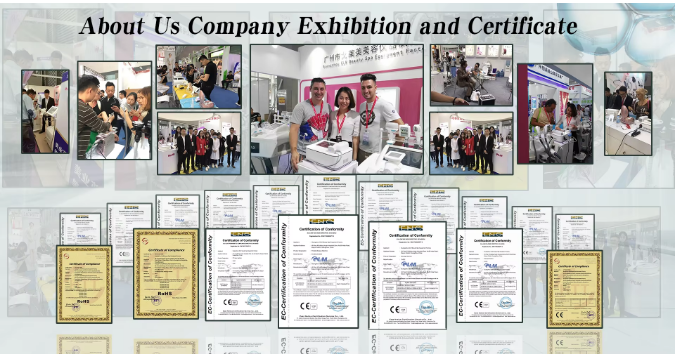
- GLM is a specialized beauty instrument factory that produces instruments for a variety of functions, including weight loss devices. We have vacuum negative press, radio frequency fat blasting equipment, frozen fat dissolving machine and EMS body shaping machine. GLM is a 14 year old supplier of beauty instruments with guaranteed quality.https://gdglmbeauty.com/