Title: Is Investing in a Laser Lipolysis Device Right for Your Clinic?
In the fast-paced world of aesthetic medicine, staying ahead of the curve is vital for clinic success. With the growing demand for non-invasive fat reduction treatments, many clinics are considering the addition of a laser lipolysis device to their offerings. But is this investment the right move for your practice? In this comprehensive guide, we'll explore the key aspects you need to consider before making a decision.
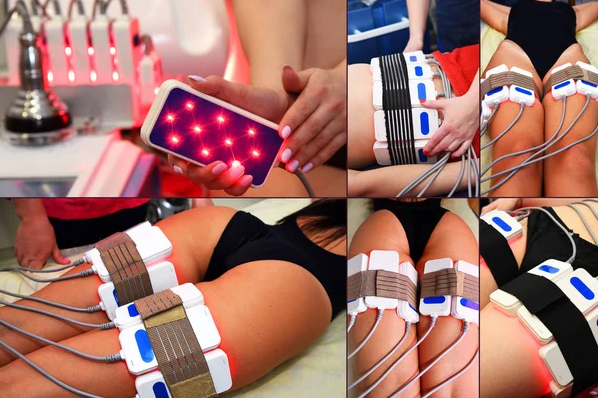
Comprehensive Guide to Laser Lipolysis: Integration, Benefits, and Strategic Considerations for Aesthetic Clinics
1. Introduction to Laser Lipolysis
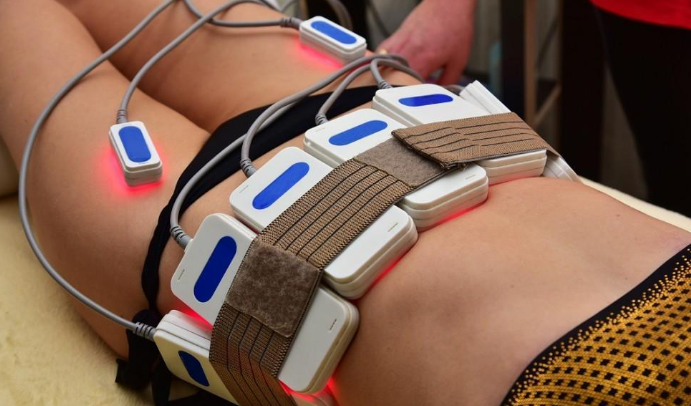
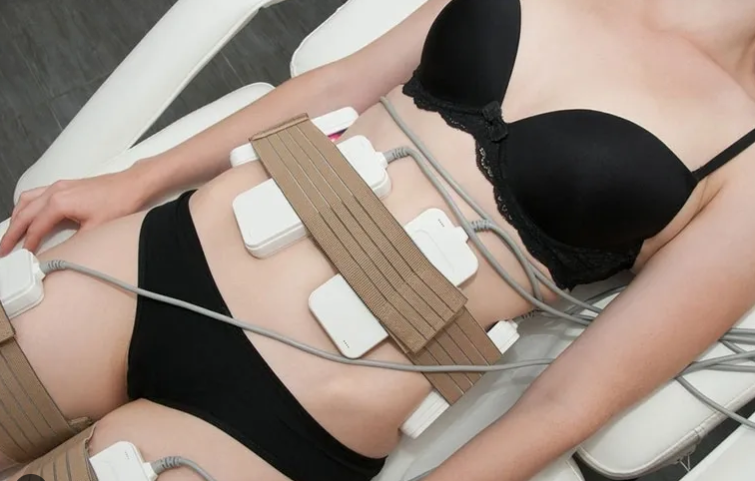
Laser lipolysis, also known as laser-assisted lipolysis or "laser lipo," represents a paradigm shift in the field of minimally invasive body contouring. By harnessing the thermal energy of laser wavelengths, this technology precisely targets and disrupts subcutaneous adipose tissue, facilitating the gradual elimination of fat cells through the body’s natural metabolic pathways. Unlike traditional liposuction, which involves mechanical suction and significant tissue trauma, laser lipolysis offers a dual benefit: fat reduction and skin tightening, making it a versatile solution for patients seeking both aesthetic refinement and improved skin elasticity.
The procedure typically employs fiber-optic lasers with wavelengths in the near-infrared spectrum (e.g., 1064 nm Nd:YAG, 1320 nm Nd:YAP, or 980 nm diode lasers), which penetrate the skin to a depth of 4–6 mm, effectively liquefying fat while stimulating collagen remodeling in the dermis. Its appeal lies in its ability to address localized fat deposits in areas such as the abdomen, flanks, thighs, and chin, with minimal downtime and reduced risk of complications compared to surgical alternatives.
2. Evaluating Your Clinic’s Strategic Fit
Before committing to laser lipolysis integration, aesthetic practices must conduct a thorough needs assessment to align the technology with their clinical and business objectives. Key considerations include:
2.1 Patient Demand Analysis
- Market Research: Survey existing patients to gauge interest in non-surgical fat reduction. Identify trends in preferred treatment areas (e.g., double chins, bra bulges) and price sensitivity.
- Competitor Benchmarking: Analyze local competitors’ service offerings. If clinics in your region are successfully marketing laser lipolysis, it may indicate an unmet demand that your practice could capitalize on.
- Referral Patterns: Track patient inquiries about body contouring. A high volume of requests for alternatives to liposuction suggests a potential market opportunity.
2.2 Complementary Service Synergies
- Cross-Selling Opportunities: Laser lipolysis can be bundled with radiofrequency (RF) skin tightening, ultrasonic cavitation, or injectable treatments (e.g., deoxycholic acid for submental fat) to enhance results and increase per-patient revenue.
- Post-Procedure Maintenance: Offer follow-up services like lymphatic drainage massages or nutritional counseling to optimize outcomes and foster patient loyalty.
2.3 Clinical Capacity Assessment
- Staff Skill Gaps: Evaluate whether your team has expertise in laser safety protocols, patient selection criteria, and postoperative care. If not, plan for targeted training programs.
- Infrastructure Readiness: Ensure your clinic has adequate space for a dedicated laser suite, including proper ventilation, emergency shut-off switches, and safety goggles for staff and patients.
3. Financial Viability and ROI Analysis
The decision to invest in laser lipolysis requires rigorous financial planning. Key considerations include:
3.1 Cost Structure Breakdown
| Component | Estimated Cost Range | Notes |
|---|---|---|
| Device Acquisition | 150,000 | Varies by manufacturer (e.g., Cynosure, Alma Lasers, Fotona) and features. |
| Maintenance | 5,000/year | Includes service contracts, calibration, and replacement parts. |
| Consumables | 300/treatment | Disposable tips, protective barriers, and anesthesia. |
| Staff Training | 10,000 | Certification courses (e.g., ASLMS, IAPAM) and hands-on workshops. |
| Marketing | 15,000/year | Digital ads, SEO, and patient education materials. |
3.2 Revenue Projections
- Treatment Pricing: Charge 4,000 per session, depending on the body area and treatment complexity.
- Patient Volume: Assume 10–20 treatments/month in the first year, scaling to 30–50/month as demand grows.
- Break-Even Analysis: With an average treatment price of 100,000 device investment could break even in 6–8 months.
3.3 Financing and Incentives
- Leasing Options: Explore 3–5-year leases with buyout clauses to preserve capital.
- Tax Credits: Investigate Section 179 deductions (for U.S. clinics) or local grants for medical technology adoption.
- Vendor Partnerships: Negotiate bulk purchasing discounts or revenue-sharing models with device manufacturers.
4. Operational Integration and Workflow Optimization
Successful adoption of laser lipolysis hinges on seamless integration into your clinic’s operations. Key steps include:
4.1 Staff Training and Certification
- Laser Safety Officer (LSO): Designate a staff member to oversee compliance with ANSI Z136.3 standards (for medical laser use).
- Hands-On Workshops: Partner with manufacturers or third-party training providers (e.g., National Laser Institute) for practical simulations.
- Continuing Education: Encourage annual recertification to stay updated on advancements in laser physics and patient care.
4.2 Clinical Protocol Development
- Patient Selection: Screen for contraindications (e.g., pregnancy, autoimmune disorders, metal implants) using a detailed medical questionnaire.
- Treatment Parameters: Optimize laser settings (power, pulse duration, spot size) based on the patient’s BMI, skin type, and treatment area.
- Postoperative Care: Provide compression garments, ice packs, and written instructions to minimize swelling and bruising.
4.3 Infrastructure Upgrades
- Laser Suite Design: Install blackout curtains, non-reflective flooring, and a dedicated cooling system to prevent overheating.
- Emergency Preparedness: Stock the treatment room with saline solution, burn dressings, and a defibrillator.
- Data Management: Use electronic health record (EHR) systems to track treatment outcomes and adverse events.
5. Regulatory and Compliance Framework
Adherence to regulatory standards is non-negotiable in aesthetic medicine. Key requirements include:
5.1 Device Certification
- FDA Clearance: Ensure the laser lipolysis device is FDA 510(k)-cleared for the intended use (e.g., "lipolysis of subcutaneous fat").
- CE Marking: For clinics outside the U.S., verify compliance with the Medical Device Regulation (MDR) 2017/745.
5.2 Staff Credentialing
- Physician Supervision: In most jurisdictions, laser lipolysis must be performed under the direction of a licensed physician (MD, DO).
- Delegation of Tasks: Non-physician staff (e.g., RNs, PAs) may assist with pre- and post-treatment care but cannot operate the laser independently without specific state approval.
5.3 Patient Safety Protocols
- Informed Consent: Use a standardized form detailing risks (e.g., burns, scarring, asymmetry) and alternative treatment options.
- Adverse Event Reporting: Document and report any complications to the FDA (via MedWatch) or local regulatory bodies within 24 hours.
6. Marketing and Patient Acquisition Strategy
To maximize ROI, clinics must develop a data-driven marketing plan. Key tactics include:
6.1 Digital Marketing
- SEO Optimization: Target keywords like "non-surgical lipo near me," "laser fat removal cost," and "skin tightening after weight loss."
- Social Media Campaigns: Use Instagram Reels and TikTok to showcase before-and-after videos, patient testimonials, and live Q&A sessions.
- Retargeting Ads: Re-engage website visitors who abandoned booking forms with limited-time discounts.
6.2 Local Partnerships
- Referral Networks: Collaborate with dermatologists, plastic surgeons, and primary care physicians for patient referrals.
- Wellness Events: Host free consultations at gyms, spas, or corporate offices to educate potential clients.
6.3 Loyalty Programs
- Membership Tiers: Offer discounted treatment packages (e.g., "Buy 3, Get 1 Free") or referral bonuses ($100 off per new client).
- Post-Treatment Follow-Ups: Send personalized emails with progress tracking tools and maintenance tips.
7. Risk Mitigation and Continuous Improvement
To sustain long-term success, clinics must adopt a proactive approach to risk management:
7.1 Clinical Risks
- Thermal Injury Prevention: Use real-time temperature monitoring and skin cooling devices (e.g., Zimmer Cryo 6) to minimize burns.
- Patient Education: Advise against blood-thinning medications (e.g., aspirin, ibuprofen) for 10 days pre-treatment to reduce bruising.
7.2 Operational Risks
- Device Maintenance: Implement a preventive maintenance schedule (e.g., quarterly servicing) to avoid downtime.
- Cybersecurity: Encrypt patient data and conduct regular phishing training to prevent breaches.
Conclusion
In summary, investing in a laser lipolysis device can offer significant benefits to your clinic, from meeting patient demand to strengthening your competitive positioning. However, it's crucial to align this decision with your clinic's goals, financial capabilities, and operational readiness. With careful evaluation and strategic planning, a laser lipolysis device can become a valuable addition to your aesthetic offerings, boosting patient satisfaction and business growth.
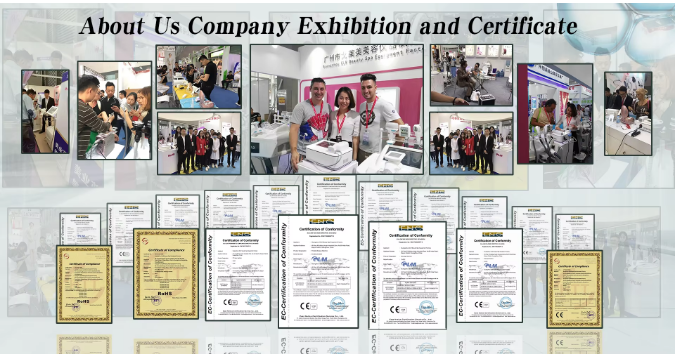
GLM is a specialized beauty instrument factory that produces instruments for a variety of functions, including weight loss devices. We have vacuum negative press, radio frequency fat blasting equipment, frozen fat dissolving machine and EMS body shaping machine. GLM is a 14 year old supplier of beauty instruments with guaranteed quality.https://gdglmbeauty.com/