Laser tattoo Removal services: An economic analysis that adds value to your cosmetic practice
In recent years, with the wide spread and significant increase in acceptance of tattoo culture, the tattoo industry has ushered in unprecedented prosperity. According to statistics, about one-third of the U.S. population has at least one tattoo, and one in five people has multiple tattoos. This trend not only reflects the diversity of individual expression and personality, but also quietly spawned an emerging market demand - "tattoo regret" solutions. It is estimated that about 25% of tattooers have a need for tattoo removal for various reasons, which provides a broad space for the development of laser tattoo removal services.
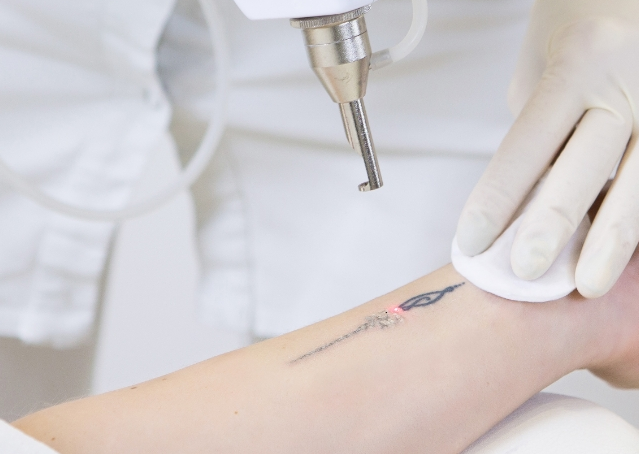
The economic potential of laser tattoo removal services
1. Market demand continues to grow:
As tattoos become an option for more and more people, especially the younger generation, the demand for tattoo removal services will continue to grow in the future. This trend is not limited to specific regions or groups, but is global.
The prevalence of "tattoo regret" means there is a huge pool of potential customers waiting to be tapped.
2. High profit margin:
Laser tattoo removal services usually have a higher profit margin. Although the initial investment may include expensive laser equipment acquisition costs, in the long term, these costs can be quickly recovered as the customer base expands.
Compared to other beauty programs, laser tattoo removal services are unique and professional, attracting customers who are willing to pay a higher price for high-quality services. 3. Enhance clinic brand image:
The introduction of laser tattoo removal services can enhance the diverse and professional image of your beauty clinic. This helps to attract more clients seeking comprehensive cosmetic solutions and enhance the overall competitiveness of the clinic.
By offering this service, your clinic can differentiate itself in the market and establish a unique brand advantage.
4. Diversified customer needs:
Tattoo regret can be attributed to a variety of reasons, including outdated design, professional requirements, and changes in personal feelings. This requires laser tattoo removal services to be able to provide personalized solutions to meet the needs of different customers.
This is an opportunity for your practice to gain insight into customer needs, provide a customized service experience, and further strengthen customer loyalty.
Risk assessment and countermeasures
1. Technical threshold and personnel training:
Laser tattoo removal requires professional technical and operational experience. Therefore, make sure your team is fully trained and certified before introducing the service.
Consider partnering with a professional laser equipment supplier for technical support and ongoing training.
2. Equipment investment and operating costs:
Laser equipment is a major part of the initial investment, and the cost performance of different brands and models needs to be carefully evaluated.
In the process of operation, it is necessary to pay attention to the maintenance and maintenance costs of the equipment to ensure its long-term stable operation.
3. Market competition and differentiation strategy:
As the tattoo removal market takes off, so will the competition. Therefore, it is important to develop a differentiated service strategy.
You can differentiate yourself from your competitors by providing high-quality service, innovative removal technology, personalized customer experience, and more.
Global tattoo removal market outlook and business development strategy
With the global popularity of tattoo culture, tattoo removal services are gradually becoming an emerging growth point in the field of aesthetic medicine. According to the latest market data, the global tattoo removal laser market size has reached about $160 million in 2024, and is expected to grow to $285 million in the next two years at a staggering 6.5% compound annual growth rate, showing the huge market potential and growth momentum of the industry. It is worth noting that the current tattoo removal market has not reached a saturated state, and the competition is relatively mild, providing valuable development opportunities for new entrants.
Unique advantages of laser technology
Laser tattoo removal is popular because it is the only safe, efficient and convenient way to remove unsightly or unsatisfactory tattoo patterns. It is widely recognized that laser treatment can significantly reduce recovery time, reduce side effects, and ensure the maximum safety of the treatment process. The popularity of this awareness has further driven the continued growth in demand for laser tattoo removal services.
Expansion of existing beauty clinics
For established beauty clinics, adding tattoo removal laser services is undoubtedly a wise choice. This initiative not only eliminates the need for massive additional investment in offices, treatment rooms or personnel, but also appeals to a larger group of clients seeking diversified beauty solutions by broadening the range of services. The introduction of laser tattoo removal services is expected to bring new growth points for clinics, reshape brand image and enhance market competitiveness.
Entrepreneurial opportunities for new businesses
For entrepreneurs who are planning to start a new business, taking laser tattoo removal services as one of the core businesses requires more comprehensive planning and preparation. In addition to considering the purchase of laser equipment, the setting of treatment rooms and the recruitment and training of professionals, it is also necessary to develop effective marketing strategies to quickly enhance brand awareness and attract target customer groups. Although the initial capital investment is relatively high, it is undoubtedly worth the investment considering the huge potential of the market and long-term development prospects.
Equipment selection and consideration for laser tattoo removal clinic
In exploring the best equipment for a laser tattoo removal clinic, an in-depth understanding of the features and benefits of different laser technologies is essential. This article provides a brief overview of several mainstream laser wavelength types and their applications in tattoo removal, while exploring the key factors that should be considered when choosing a laser tattoo removal machine, including the price of the equipment.
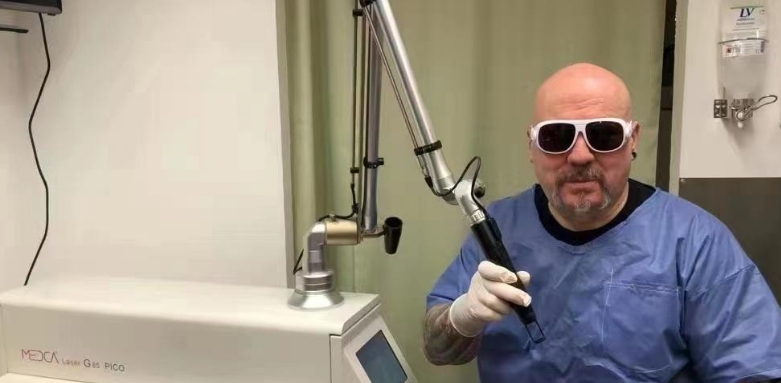
Overview of laser technology
The core of the laser tattoo removal device is to use a specific wavelength of laser beam to accurately act on the ink particles in the tattoo area in the form of high intensity short pulses, and break them into tiny fragments through the photothermal effect. Subsequently, these fragments are gradually metabolized by the body's immune system over a period of weeks to months, thus achieving the dilution or complete removal of the tattoo.
Key feature analysis
Wavelength selection: The absorption efficiency of different wavelengths of laser ink particles varies. Common laser wavelengths include Q-switched Nd:YAG lasers (1064nm and 532nm), ruby lasers (694nm) and alexandrite lasers (755nm). The longer the wavelength, the stronger the penetration, suitable for deeper tattoos; The shorter wavelength laser is better at processing the surface and tattoos containing more colored pigments.
Peak power: refers to the highest power achieved by the laser pulse, which directly affects the efficiency of crushing ink particles. Peak power can complete treatment in a shorter time, but care should be taken to avoid excessive damage to the skin.
Spot size: The larger the spot, the larger the area covered by a single treatment, but it may also lead to reduced treatment accuracy. Choosing the right spot size depends on the size, shape and depth of the tattoo.
Pulse duration: that is, the duration of the laser pulse, affecting the efficiency and depth of energy transfer. Shorter pulse duration is beneficial to reduce thermal damage and improve treatment safety.
Equipment price consideration
The price of laser tattoo removal machine varies according to the brand, model, technical configuration and market supply and demand factors, from entry-level to high-end professional grade equipment, the price range is wide. In general, high-end devices tend to have a wider wavelength selection range, higher peak power, finer spot regulation capabilities, and more advanced cooling systems to provide a more efficient and safer treatment experience. However, the high price also means greater initial investment costs.
Wavelength selection and consideration in tattoo removal technology
In the field of tattoo removal, different wavelengths of laser play a crucial role, each of which shows different effects for a specific color of tattoo ink. Here is an analysis of several common laser wavelengths and their application in tattoo removal:
Laser wavelength main effect color remarks
532 nm red, orange, and partial yellow are suitable for removing tattoo inks containing these colors, especially when the tattoo is light or brightly colored.
585 nm red, pink mainly for red ink, may vary depending on the device model.
650 nm Specific dark and mixed color segments of high-end devices may use this wavelength to handle complex color combinations.
694 nm (Ruby Laser) light blue, green is particularly good at handling these two colors of tattoo ink, but need to pay attention to the adaptability of the skin type.
755 nm (Alexandrite laser) light blue and green are similar to ruby lasers, but may have different penetration and efficiency.
1064 nm (Nd:Yag laser) A widely used wavelength of black, blue, dark and mixed colors, suitable for a variety of skin types and tattoo colors, especially black and dark inks.
It is worth noting that each laser wavelength has its own unique absorption characteristics and depth of action, so the selection should be considered according to the specific color and depth of the tattoo and the skin type of the patient. For example, Q-switched Nd:Yag lasers (available in both 1064 nm and 532 nm wavelengths) are often considered the "gold standard" combination for tattoo removal due to their broad applicability and safety.
For clinics with a limited budget or looking to make an initial attempt at tattoo removal services, a single-wavelength laser machine (such as those that only support 1064 nm or 532 nm) may be a cost-effective option, especially for dealing with black or dark tattoos. However, if you need to deal with multi-colored tattoos or provide a more comprehensive service, a laser with multiple wavelengths will be the best choice, which can provide a more accurate and effective removal solution for different colors of ink pigments.
In addition, it is also necessary to pay attention to the complex components of tattoo ink, such as lipids, heavy metals, etc., which may affect the removal effect. Therefore, before tattoo removal, the patient's tattoo should be evaluated in detail and a corresponding treatment plan should be developed
Pulse duration
The two most common lasers for tattoo removal on the market today are picosecond lasers and Q-switch lasers. It is well known that the pulse duration of a picosecond laser is 1000 times shorter than a nanosecond. They release less heat to the surrounding tissues, cause less damage to the skin, recover faster, and have fewer side effects.
Spot size
Tattoo removal lasers are available in a variety of spot sizes. The larger spot size (10 mm) allows targeting of deep ink particles. The smaller spot size (3 mm) can only target ink close to the surface.
Cost considerations of laser tattoo removal technology
Laser tattoo removal technology is favored for its efficiency and safety, but the price difference between different devices is quite significant. From the Quanta Discovery Pico on the second-hand market (price range $50,000 to $85,000), to the used Candela PicoWay (about $95,000), to the brand new high-end PicoSure machine (up to $300,000), These price differences reflect differences in equipment performance, technological innovation and market positioning.
Comparison of old and new equipment
Advantages of the new machine:
Low risk of failure: New machines typically have more stable performance and longer service life, reducing service interruptions due to aging or failure of equipment.
Low maintenance costs: New machines often come with long warranties, reducing the additional cost of initial and long-term maintenance.
Technical support: Manufacturers provide more comprehensive technical support and after-sales service for new products to ensure that users get timely help in the process of use.
Disadvantages of the new machine:
High cost: The acquisition cost of new machines is much higher than that of second-hand equipment, which puts greater pressure on clinics with limited funds.
Used equipment or rental options:
Cost effective: Used equipment is more affordable, suitable for clinics or start-ups with limited budgets. However, pay attention to the condition of the equipment, the remaining warranty period and the potential maintenance cost.
Rental Benefits: Renting a laser tattoo removal machine can significantly reduce initial investment costs while enjoying the latest technology updates and flexible payment options. However, long-term rental costs can accumulate higher and the ownership of the equipment does not belong to the clinic.
Picosecond laser vs standard Q-switch laser
Picosecond lasers are known for their ultra-short pulse duration (measured in picoseconds), which allows them to break up tattoo ink particles more efficiently, thus speeding up the removal process. However, this technological advantage also comes with a higher price tag, typically two to three times that of a standard Q-switched laser.
Cost-benefit analysis:
Treatment efficiency: The picosecond laser may indeed reduce the number of treatments for clients, thereby shortening the overall treatment cycle. But whether this advantage is enough to offset high equipment costs needs to be assessed on a case-by-case basis.
Customer experience: Faster removal speeds and better treatment outcomes may increase customer satisfaction, which in turn increases the competitiveness of the clinic.
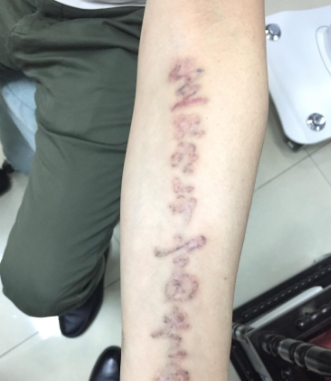
Precision marketing your tattoo removal business
When promoting your tattoo removal services, it is essential to adopt a diversified and targeted marketing strategy. In addition to using traditional marketing channels such as social media, online advertising and offline events, one promising strategy is to form partnerships with local tattoo parlors. These shops often encounter customers looking for new tattoo designs or looking to remove old tattoos, so working with them can bring you leads directly to a win-win situation.
Cooperation strategy Suggestions:
Mutually beneficial agreement: Negotiate with tattoo parlors to offer a percentage of commission or discount for their referrals to tattoo removal services, while they can also do word of mouth or in-store promotion of your services.
Co-promotional events: Co-hosting events or workshops such as "Tattoo Makeover Days" to attract customers who want to change their tattoos or get them removed completely.
Digital marketing Enhancement:
SEO Optimization: Make sure your website and online platform include high-quality SEO content optimized for keywords such as "tattoo removal" and "laser tattoo removal" to improve search engine rankings and make it easier for potential customers to find you.
Customized login page: Design a dedicated login page that highlights your service features, pricing information and success stories to increase conversion rates.
Use professional platforms:
Registered professional service platforms: such as MeTime, these platforms can accurately connect with customers seeking tattoo removal services, reducing your time and effort to find customers on your own.
Business profit potential:
Significant revenue: A successful tattoo removal business can bring in a steady income of $10,000 to $20,000 per month, depending on location, quality of service, and number of clients.
Quick payback: After introducing laser tattoo removal services, you can expect to recoup your initial investment costs within 3 to 6 months with effective operations.
Operational Efficiency and Cost Control:
Cash transactions: Tattoo removal services are usually paid in cash, simplifying the financial process and avoiding the hassle of insurance reimbursement.
Efficient treatment: Each treatment is short (about 10 minutes), improving work efficiency and reducing operating costs.
Staffing: For a dedicated tattoo removal business, a streamlined team structure (such as an office manager and a laser technician) is sufficient to meet day-to-day operational needs and reduce staffing costs.
Training and Improvement:
Professional training: If you plan to involve medical assistants in your treatment, be sure to provide them with a comprehensive laser tattoo removal training course to ensure service quality and customer safety.
Continuous learning: As technology continues to advance, staying on top of the latest tattoo removal technologies and market dynamics, and continuously improving the quality of service, is the key to staying competitive.
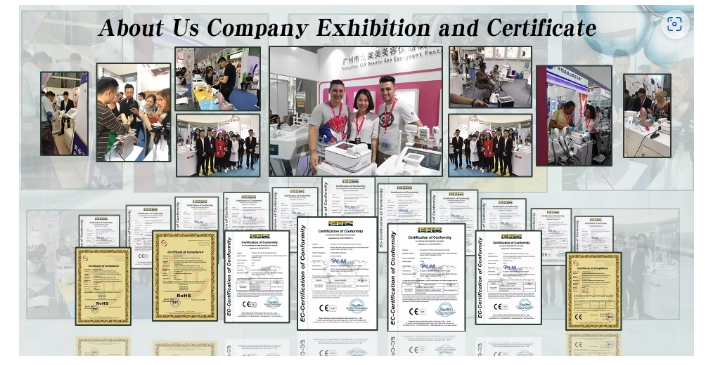
Open a laser tattoo removal shop needs a perfect machine, we are a large beauty equipment factory, Guangzhou GLM beauty spa equipment factory was established in 2005, specializing in the manufacture, development and sales of beauty weight loss equipment. Our production base is located in Guangzhou, Guangdong Province, China. Since its establishment, we have introduced advanced production technology and equipment. Adhering to the principle of "high starting point, high quality, high specialization", our company has produced a series of cost-effective, high-quality beauty and bodybuilding equipment. With professional marketing guidance and quality after-sales service, our products are exported to more than 40 regions and regions such as Southeast Asia, the Middle East, Europe and the United States, and have won wide praise from customers and gained a good reputation. Have a variety of products if you are interested in us please contact us