
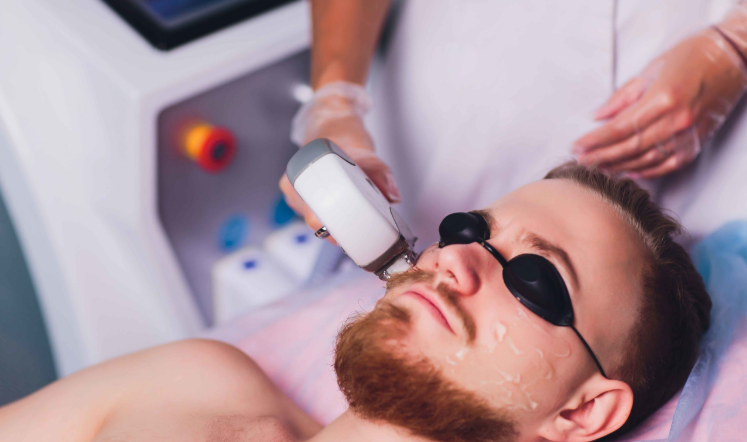
The Truth Behind Laser Hair Removal: Is it Truly Effective?
Introduction:
Unwanted hair can be a real hassle, prompting individuals to seek effective hair removal methods. Laser hair removal has gained popularity in recent years, but many wonder if it truly lives up to its claims. In this blog, we will delve into the science, benefits, safety considerations, and factors that can affect the effectiveness of laser hair removal.
Understanding Laser Hair Removal: A Comprehensive Overview
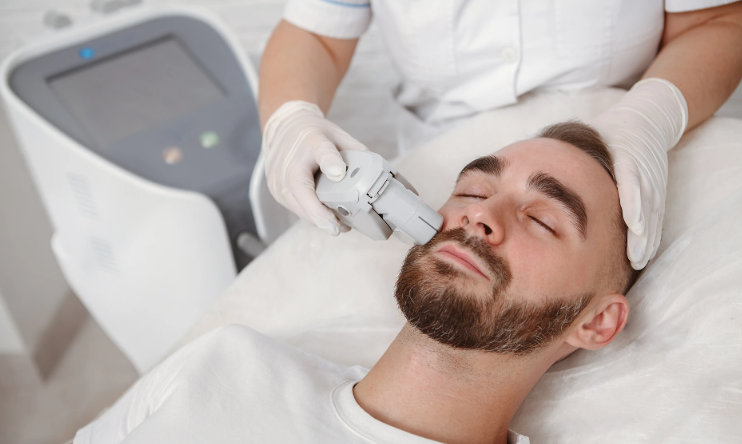
Laser hair removal is a widely recognized cosmetic procedure that utilizes concentrated beams of light to target and damage hair follicles, thereby inhibiting their ability to produce new hair. The process involves the principle of selective photothermolysis, where the laser emits a specific wavelength of light that is absorbed by the melanin (pigment) in the hair follicles. This absorption generates heat, which damages the follicle and disrupts the hair growth cycle. Over time, this leads to a significant reduction in hair regrowth.
The procedure is typically performed by a trained dermatologist or licensed technician in a clinical setting. It is considered a non-invasive method for long-term hair reduction and is commonly used on areas such as the face, legs, arms, underarms, and bikini line.
The Effectiveness of Laser Hair Removal: Scientific Evidence and Clinical Outcomes
The efficacy of laser hair removal is well-documented in scientific literature. Numerous clinical studies have demonstrated that the procedure can achieve a 70-90% reduction in hair growth after a series of treatments. The success of the treatment depends on several factors, including the type of laser used, the skill of the practitioner, and individual patient characteristics such as skin type, hair color, and hormonal influences.
For instance, individuals with lighter skin tones and darker hair tend to experience the best results because the contrast between the skin and hair pigment allows the laser to more effectively target the hair follicles. Conversely, those with darker skin tones or lighter hair colors (e.g., blonde, red, or gray) may require specialized lasers, such as Nd:YAG or diode lasers, to achieve optimal outcomes.
It is important to note that laser hair removal is not a one-time solution. Multiple sessions (typically 6-8) are required to target hair follicles in different stages of the growth cycle (anagen, catagen, and telogen). Maintenance treatments may also be necessary to address any residual hair growth over time.
Benefits of Laser Hair Removal: Beyond Hair Reduction
Laser hair removal offers several advantages over traditional hair removal methods such as shaving, waxing, or plucking:
-
Long-Term Results: Unlike temporary methods, laser hair removal provides long-lasting hair reduction, with many patients experiencing permanent hair loss in treated areas.
-
Precision: The laser can selectively target coarse, dark hairs while leaving the surrounding skin undamaged.
-
Reduced Ingrown Hairs: By eliminating the need for shaving or waxing, laser hair removal significantly reduces the occurrence of ingrown hairs.
-
Time and Cost Efficiency: Although the upfront cost may be higher, the long-term savings in time and money spent on razors, waxing appointments, or depilatory creams make it a cost-effective solution.
-
Smoother Skin: Patients often report smoother skin texture and reduced irritation compared to traditional hair removal methods.

Safety Considerations and Potential Side Effects
Laser hair removal is generally considered safe when performed by a qualified professional using FDA-approved devices. However, as with any medical procedure, there are potential risks and side effects to be aware of:
-
Skin Irritation: Temporary redness, swelling, or discomfort in the treated area is common and typically resolves within a few hours to days.
-
Pigment Changes: In rare cases, patients may experience hyperpigmentation (darkening) or hypopigmentation (lightening) of the skin, particularly if improper laser settings are used or if post-treatment care instructions are not followed.
-
Burns or Blisters: These are rare but can occur if the laser is used incorrectly or if the patient has an adverse reaction.
-
Eye Injury: Protective eyewear is essential during the procedure to prevent accidental exposure to the laser beam.
To minimize risks, it is crucial to choose a reputable clinic with experienced practitioners who conduct a thorough pre-treatment assessment, including an evaluation of skin type, hair color, and medical history. Patients should also follow all pre- and post-treatment care instructions, such as avoiding sun exposure and refraining from plucking or waxing before the procedure.
Factors Influencing the Effectiveness of Laser Hair Removal
The success of laser hair removal is influenced by several individual and technical factors:
-
Skin Type and Hair Color: As mentioned earlier, the contrast between skin and hair color plays a significant role. Advanced laser technologies, such as Alexandrite, Diode, and Nd:YAG lasers, are designed to cater to a wide range of skin tones and hair colors.
-
Hormonal Imbalances: Conditions such as polycystic ovary syndrome (PCOS) or hormonal fluctuations can affect hair growth patterns and may require additional sessions or complementary treatments.
-
Treatment Area: Some areas of the body respond better to laser hair removal than others. For example, coarse hair in the underarm or bikini area tends to respond more effectively than fine facial hair.
-
Laser Type and Settings: The choice of laser and its settings must be tailored to the patient’s specific needs to ensure optimal results and minimize side effects.
Tips for Maximizing the Effectiveness of Laser Hair Removal
To achieve the best possible outcomes, patients should adhere to the following guidelines:
-
Pre-Treatment Preparation:
-
Avoid sun exposure and tanning for at least 4-6 weeks before treatment to reduce the risk of pigmentation changes.
-
Refrain from plucking, waxing, or electrolysis for 4-6 weeks prior to the procedure, as these methods remove the hair follicle, which is the target of the laser.
-
Shave the treatment area 24-48 hours before the session to ensure the laser energy is focused on the follicle rather than the surface hair.
-
-
Post-Treatment Care:
-
Apply a soothing gel or aloe vera to calm the skin and reduce redness.
-
Avoid hot showers, saunas, and strenuous exercise for 24-48 hours to prevent irritation.
-
Use a broad-spectrum sunscreen to protect the treated area from UV exposure, which can increase the risk of pigmentation changes.
-
-
Follow the Recommended Treatment Schedule: Consistency is key. Attend all scheduled sessions as advised by your practitioner to target hair follicles in different growth phases.

Conclusion
Laser hair removal has emerged as an effective and popular option for individuals seeking a long-term solution to unwanted hair. Despite varying factors that may affect its effectiveness, the scientific evidence suggests that laser hair removal can indeed provide significant and lasting results. By understanding the science, benefits, safety considerations, and factors that contribute to its success, you can make an informed decision about whether laser hair removal is right for you. Say goodbye to unwanted hair and embrace smoother, hair-free skin with confidence.