
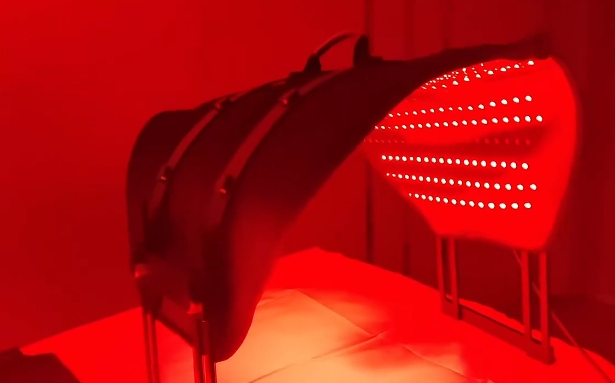
The hype surrounding light-emitting diode (LED) skin devices is undeniably captivating. They are touted as panaceas for a myriad of skin concerns, ranging from wrinkles, redness, and signs of aging to acne, scars, and dark spots.
If you've ventured into a spa or pharmacy lately, chances are you've encountered an ever-growing array of treatments and products in the market. However, the question lingers: are these claims genuine? Can LED light devices truly deliver all these benefits to your skin? And more crucially, are they safe?
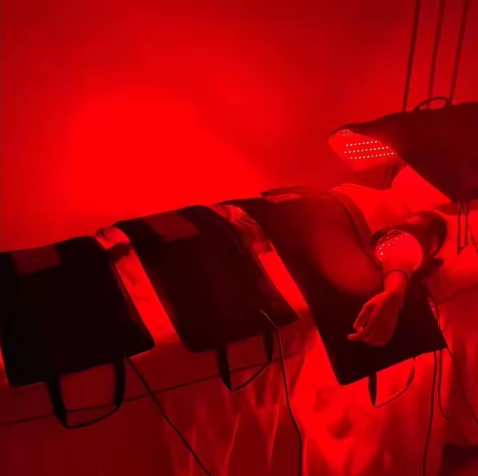
Experts caution that it's still too early to definitively judge the efficacy of these devices. Dr. Elizabeth Buzney, Assistant Professor of Dermatology at Harvard Medical School, notes that while some small-scale studies have shown promising results for treating certain conditions, "I believe this is a highly exciting and emerging field," she says. Nevertheless, the evidence base remains insufficient at this point.
LED Skin Therapy
How Exactly Does Red Light Therapy Work?
Red light therapy is believed to function by targeting the "powerhouses" of human cells – mitochondria. By energizing these mitochondria, red light therapy provides additional energy that enables other cells to perform more effectively, such as repairing skin, promoting new cell growth, and enhancing skin regeneration. More specifically, certain cells absorb specific wavelengths of light and are stimulated into action.
Here are some potential benefits of red light therapy for skin health:
Stimulating collagen production, which gives skin its structure, strength, and elasticity.
Boosting the production of fibroblasts, which are cells responsible for generating collagen – a component of the connective tissue that forms the skin.
Enhancing blood circulation in tissues.
Reducing cellular inflammation.
For years, scientists have delved into understanding how solar radiation impacts skin. Initially, their focus rested on the so-called sunburn ray or Ultraviolet B (UVB) radiation. Subsequently, attention shifted to Ultraviolet A (UVA) rays, known to contribute to skin aging, wrinkles, and discoloration. "It's only recently that we've begun discussing the effects of visible light on the skin – not necessarily LED lights, but visible light in general," says Dr. Buzney. Researchers are now striving to gain a deeper understanding of how visible light and LED lamps influence skin biology.
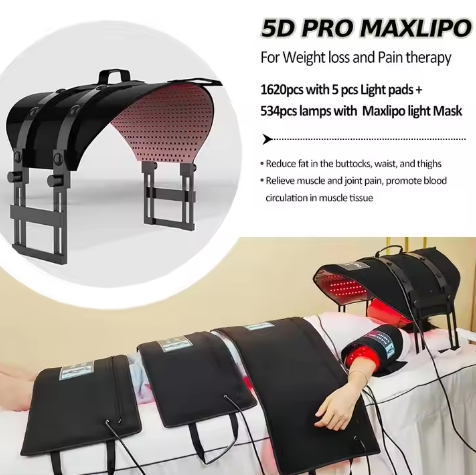
LED lights have been around since the 1960s but their application in skin therapy is a relatively recent development. Different wavelengths within the visible spectrum correspond to various colors of LED lights, each capable of penetrating the skin to varying depths. It is believed that LED lights elicit distinct biological effects based on their penetration depth.
Red and blue lights are commonly promoted in LED skin therapy. Experts contend that red LED light targets fibroblasts in the skin, cells responsible for producing collagen – a protein that constitutes a significant portion of connective tissue and aids in skin recovery from damage. Theoretically, red light could assist in reversing some signs associated with photoaging, according to Dr. Buzney. Additionally, some studies suggest that red light may contribute to hair restoration in patients with androgenic alopecia, or male and female pattern hair loss, she notes.
Blue LED light is most frequently utilized in the treatment of acne. It accomplishes this by reducing the activity of sebaceous glands, thereby decreasing the production of oil that can clog hair follicles and lead to acne breakouts. Blue light also kills Propionibacterium acnes, the bacteria responsible for acne. Often, blue and red light are combined to combat acne, with blue light targeting P. acnes and red light addressing inflammation and redness. Nevertheless, more research is needed to conclusively establish the efficacy and long-lasting effects of these light therapies.
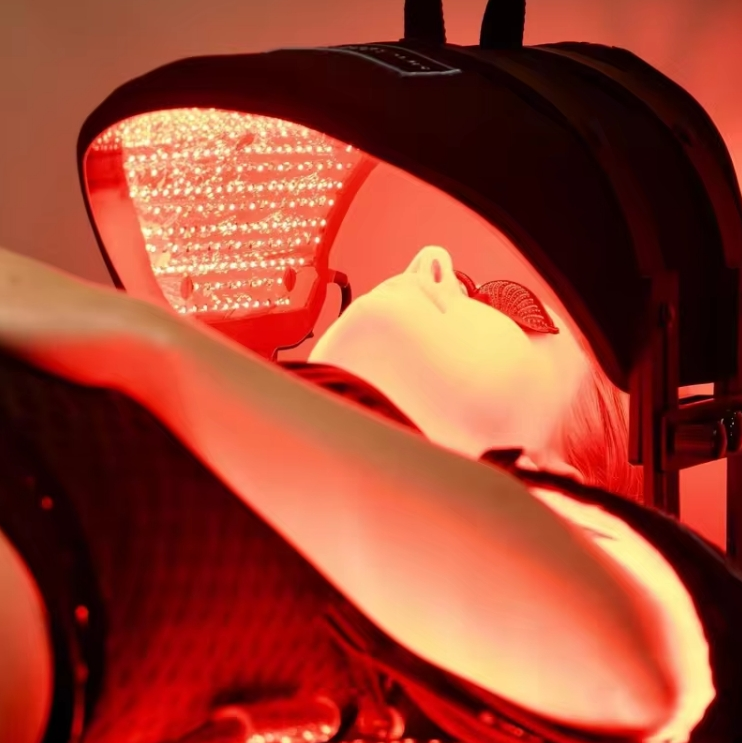
Is Red Light Therapy Safe?
Red light therapy appears to be safe, at least when used as directed and in short-term applications, without any reported side effects. This therapy is non-toxic, non-invasive, and less irritating than some topical skin treatments. Unlike the carcinogenic ultraviolet (UV) rays emitted by the sun or tanning beds, RLT does not utilize this type of light.
However, if the product is misused – potentially by using it too frequently or not adhering to the instructions – your skin or eyes (if unprotected) could potentially suffer damage. The long-term safety of devices used for red light therapy remains unclear.
The safest option is to consult a dermatologist or a qualified, trained aesthetician. A dermatologist can ensure that your skin condition aligns with the intended purpose of the therapy and discuss the benefits of red light therapy alongside other treatment options. They can also provide guidance on proper usage and frequency to minimize any potential risks.
Is It Safe and Reasonable to Purchase a Red Light Therapy Device for Home Use?
When searching the internet, you'll likely come across a plethora of red light therapy products available for purchase. While these products are generally considered safe to use, their efficacy may not be as potent as the equipment employed by dermatologists or other trained skin professionals. Consequently, you might not achieve the desired results you were hoping for.
If you do choose to purchase a red light therapy device for home use, it's imperative to protect your eyes by wearing appropriate eye covers, follow all instructions meticulously, and store the device safely.
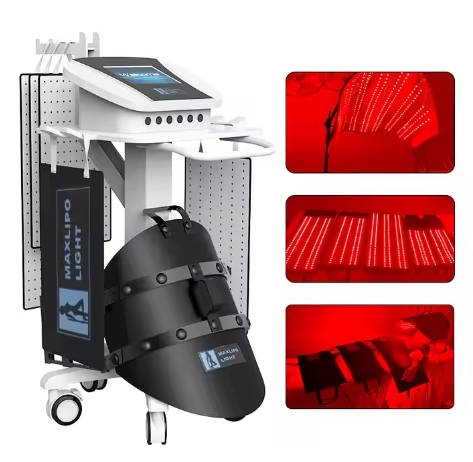
Apart from using red light therapy in medical offices and purchasing devices for home use, you might also encounter its promotion in beauty parlors and salons, saunas, tanning salons, gyms, and wellness centers. When selecting a provider and location for your treatment, exercise caution. It's advisable to consult a healthcare professional to understand the best approach for treating your specific skin condition or concern. They can guide you towards the most effective and safe options tailored to your needs.