
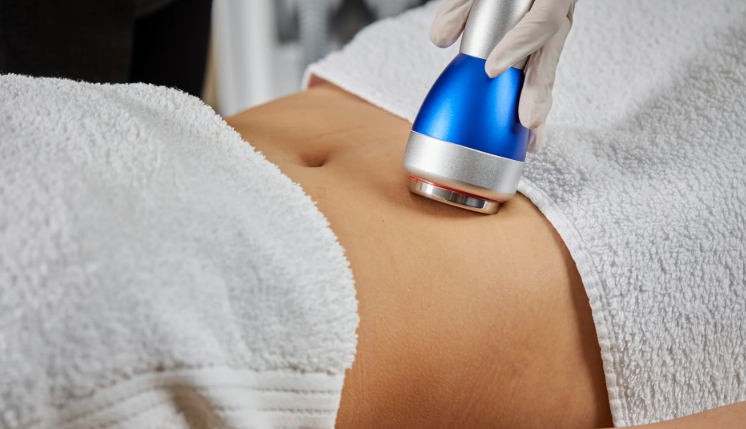
Is Ultrasonic Fat Cavitation the Most Effective Way to Achieve Weight Loss?
Weight loss is a common desire for many people, and there are countless methods and treatments available in the market. One such method that has gained popularity in recent years is ultrasonic fat cavitation. But is it truly the most effective way to achieve weight loss? In this article, we will delve into the science behind ultrasonic fat cavitation, explore its benefits, limitations, and risks, and examine how it compares to other weight loss methods.
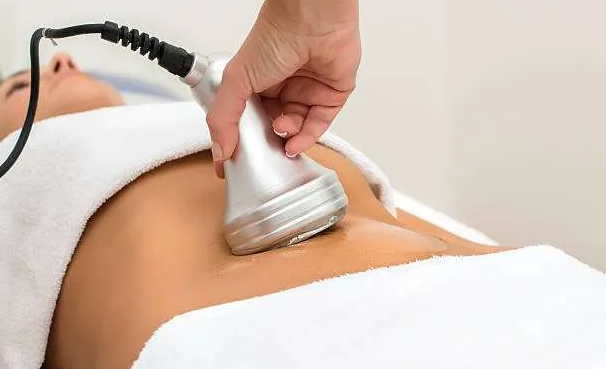
A Comprehensive Exploration of Ultrasonic Fat Cavitation: Mechanisms, Efficacy, and Practical Considerations
1. Introduction: The Evolution of Non-Invasive Body Contouring
In recent decades, the demand for non-surgical alternatives to traditional liposuction has surged, driven by advancements in aesthetic medicine and patient preferences for minimal downtime and reduced risks. Among these innovations, ultrasonic fat cavitation (UFC) has emerged as a popular non-invasive treatment for localized fat reduction. This procedure leverages ultrasonic energy to disrupt adipose tissue without incisions, anesthesia, or extended recovery periods. However, its effectiveness remains a subject of debate, necessitating a detailed examination of its mechanisms, scientific evidence, comparative efficacy, and practical limitations.
2. Mechanism of Action: How Ultrasonic Fat Cavitation Works
Ultrasonic fat cavitation operates on the principle of acoustic cavitation, a phenomenon where low-frequency ultrasound waves (typically 20–50 kHz) induce oscillatory pressure changes in subcutaneous fat layers. The process unfolds in three stages:
- Bubble Formation (Cavitation Nucleation):
- Ultrasonic waves cause rapid pressure fluctuations, creating microscopic vacuum bubbles within the interstitial fluid surrounding adipocytes (fat cells).
- These bubbles expand and contract cyclically until they reach a critical size, a process known as stable cavitation.
- Cell Membrane Disruption (Implosive Collapse):
- When bubbles exceed their stability threshold, they collapse violently (inertial cavitation), generating localized shockwaves and microjets.
- These forces physically rupture the adipocyte membranes, releasing triglycerides (stored fat) into the extracellular space.
- Metabolic Clearance of Fat:
- The liberated triglycerides are transported via the lymphatic system to the liver, where they are metabolized into free fatty acids and glycerol.
- These byproducts are then excreted through natural pathways (e.g., respiration, urine, feces).
Key Advantages of the Mechanism:
- Selective Targeting: Adipocytes are more vulnerable to cavitation-induced damage than surrounding tissues (e.g., skin, muscle, nerves) due to their lower elasticity and higher water content.
- Non-Thermal Effect: Unlike radiofrequency or laser treatments, UFC does not rely on heat, minimizing the risk of burns or thermal injury.
3. Clinical Evidence: Evaluating the Efficacy of Ultrasonic Fat Cavitation
3.1 Scientific Studies and Meta-Analyses
While numerous studies have investigated UFC’s fat-reducing potential, results remain mixed, with efficacy often contingent on study design, treatment protocols, and patient selection.
- A 2020 systematic review in Dermatologic Surgery (n=12 studies, 456 patients) reported an average 1.5–3.5 cm reduction in abdominal circumference after 6–8 weekly sessions, with peak results observed 3–6 months post-treatment.
- A randomized controlled trial (RCT) in Lasers in Surgery and Medicine (2021) compared UFC + lifestyle modification versus lifestyle modification alone. The intervention group demonstrated a 22% greater reduction in subcutaneous fat thickness (measured via ultrasound) after 12 weeks.
- Limitations of Existing Research:
- Small sample sizes and short follow-up periods.
- Lack of standardized protocols (e.g., frequency, duration, and energy settings).
- Inconsistent reporting of secondary outcomes (e.g., skin tightening, patient satisfaction).
3.2 Factors Influencing Treatment Outcomes
- Patient-Specific Variables:
- Body Mass Index (BMI): Overweight/obese individuals may require more sessions than those with mild adiposity.
- Age and Skin Elasticity: Older patients with reduced collagen synthesis may experience less pronounced skin retraction.
- Hormonal Factors: Conditions like polycystic ovary syndrome (PCOS) or thyroid dysfunction may impair fat metabolism.
- Treatment Parameters:
- Energy Density: Higher intensities (1.5–3.0 W/cm²) may enhance cavitation but increase the risk of side effects.
- Session Frequency: Weekly treatments are standard, but some protocols recommend biweekly sessions to allow for tissue recovery.
4. Comparative Analysis: UFC vs. Alternative Fat Reduction Modalities
To contextualize UFC’s role in body contouring, it is essential to compare it with established methods:
| Method | Mechanism | Pros | Cons | Typical Cost (USD) |
|---|---|---|---|---|
| Ultrasonic Fat Cavitation | Acoustic cavitation of adipocytes | - Non-invasive - No downtime - Stimulates collagen |
- Modest results - Multiple sessions required - Limited to localized fat |
500/session |
| Liposuction | Surgical aspiration of adipose tissue | - Immediate, dramatic results - Customizable sculpting |
- Invasive (incisions, anesthesia) - Risks (infection, scarring) - Downtime (weeks) |
10,000+ |
| CoolSculpting® | Cryolipolysis (controlled freezing) | - Non-invasive - FDA-approved for 9 body areas - Long-lasting |
- Limited to pinchable fat - Post-treatment pain (1–2 weeks) - Costly |
1,500/area |
| Diet & Exercise | Caloric deficit + physical activity | - Sustainable weight loss - Improves overall health |
- Slow results - Difficulty targeting specific areas |
$0 (self-directed) |
4.1 Key Takeaways from the Comparison:
- UFC excels in safety and convenience but is less effective for generalized obesity or severe skin laxity.
- Liposuction remains the gold standard for rapid, dramatic results but is unsuitable for patients seeking non-surgical options.
- CoolSculpting offers a middle ground, with FDA clearance for 9 body areas but higher per-treatment costs.
- Lifestyle modification is indispensable for long-term weight maintenance, regardless of adjunctive procedures.
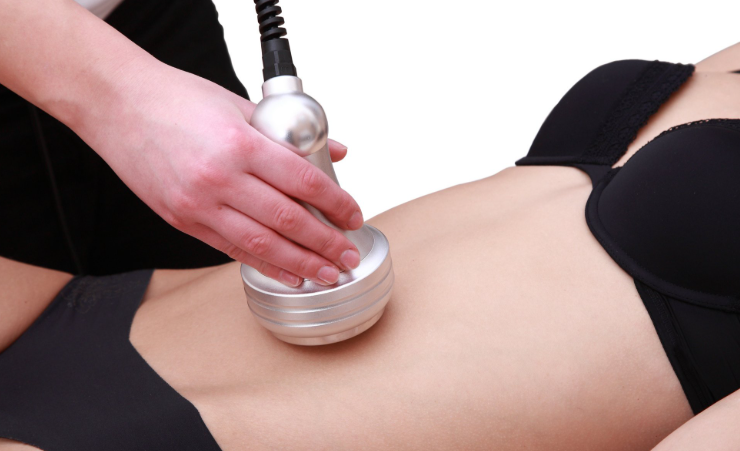
5. Practical Considerations: Safety, Contraindications, and Post-Treatment Care
5.1 Safety Profile and Adverse Effects
UFC is generally safe when performed by qualified practitioners, but risks include:
- Mild to Moderate Side Effects:
- Erythema (redness), edema (swelling), and bruising (resolving within 1–2 weeks).
- Numbness or tingling (transient nerve irritation).
- Rare Complications:
- Skin burns (from improper probe contact or excessive energy).
- Paradoxical adipose hyperplasia (PAH)—a rare, waxy fat accumulation (more common with CoolSculpting).
5.2 Absolute and Relative Contraindications
- Absolute Contraindications:
- Pregnancy or lactation.
- Active infections or skin lesions in the treatment area.
- Implanted electrical devices (e.g., pacemakers, defibrillators).
- Relative Contraindications:
- Autoimmune disorders (e.g., lupus, rheumatoid arthritis).
- Hemophilia or anticoagulant therapy.
- History of keloid scarring.
5.3 Post-Treatment Guidelines for Optimal Results
- Hydration: Drink ≥2 L of water daily to facilitate lymphatic drainage.
- Light Exercise: Engage in 20–30 minutes of walking or yoga to boost circulation.
- Avoid Alcohol/Caffeine: These may dehydrate the body and slow fat metabolism.
- Compression Garments: Wear for 1–2 weeks to reduce swelling and support skin retraction.
6. Patient Perspectives: Real-World Experiences and Expectations
6.1 Success Stories and Testimonials
- Case Study 1 (Female, Age 38):
- Treated abdominal "love handles" with 8 weekly sessions.
- Reported a 2.8 cm reduction in waist circumference and improved clothing fit.
- "The procedure was painless, and I could resume work immediately afterward."
- Case Study 2 (Male, Age 45):
- Combined UFC with a low-carb diet and resistance training.
- Achieved a 15% reduction in body fat percentage over 6 months.
- "It wasn’t a magic bullet, but it accelerated my progress."
6.2 Common Challenges and Disappointments
- Inconsistent Results: Some patients experience negligible fat loss despite multiple sessions.
- Cost-Benefit Trade-Off: The cumulative expense of 6–12 treatments (6,000) may exceed that of CoolSculpting for fewer areas.
- Maintenance Requirements: Without lifestyle changes, fat may redistribute to untreated areas.
7. Conclusion: Is Ultrasonic Fat Cavitation Right for You?
Ultrasonic fat cavitation represents a valuable option for individuals seeking non-invasive, low-risk fat reduction in localized areas. However, it is not a standalone solution but rather a complementary tool to be used alongside diet, exercise, and, in some cases, more aggressive interventions like liposuction.
Recommendations for Patients:
- Consult a board-certified dermatologist or plastic surgeon to assess candidacy.
- Set realistic expectations—expect gradual, subtle improvements rather than drastic transformations.
- Prioritize long-term lifestyle changes to sustain results.
Final Thought:
While ultrasonic fat cavitation may not deliver the instant gratification of liposuction or the precision of CoolSculpting, it offers a safe, accessible, and relatively affordable alternative for those unwilling or unable to undergo surgery. As with any cosmetic procedure, informed decision-making and a commitment to holistic health remain paramount.
Conclusion
Ultrasonic fat cavitation can be a helpful tool in achieving weight loss goals, but it is important to approach it with realistic expectations. While it is generally safe and provides potential benefits, it is not a stand-alone solution for weight loss. A healthy lifestyle, including regular exercise and a balanced diet, remains crucial for long-term success. Consult with a qualified professional to determine if ultrasonic fat cavitation is the right option for you and to create a personalized treatment plan.
Remember, weight loss is a journey, and it's essential to choose the method that aligns best with your goals, preferences, and overall health.