
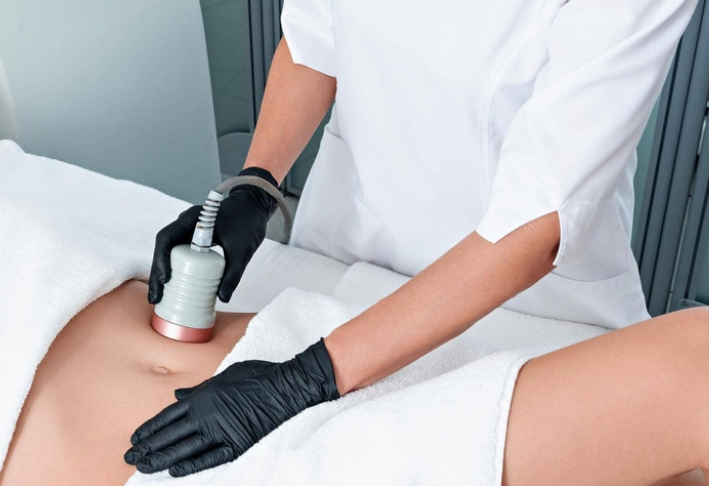
Is Ultrasonic Fat Reduction Trustworthy? Unveiling the Truth
Introduction
When it comes to reducing fat, countless methods and treatments promise quick and effortless results. One such method, ultrasonic fat reduction, has gained popularity in recent years. In this blog, we will delve into the world of ultrasonic fat reduction to determine its reliability and effectiveness. Join us as we uncover the truth behind this trendy treatment.
Understanding Ultrasonic Fat Reduction: A Comprehensive Breakdown
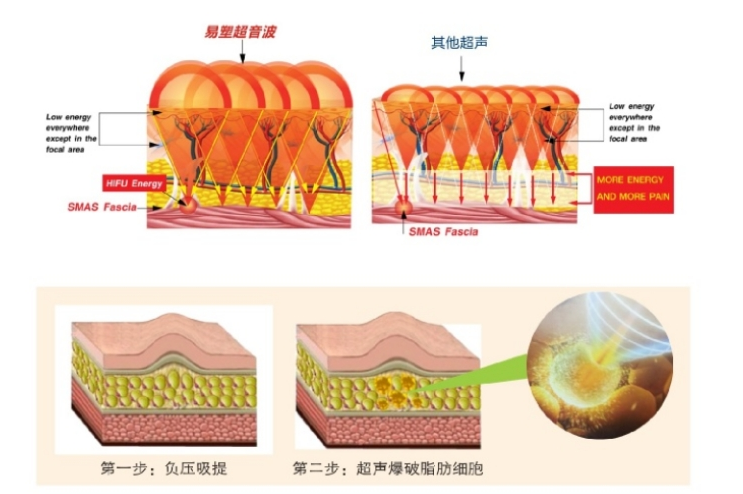
Ultrasonic fat reduction, also known as ultrasound-assisted lipolysis or ultrasound-guided liposuction, is a revolutionary technology that offers a non-invasive approach to body contouring. To fully grasp the reliability and benefits of this treatment, it is essential to delve into its underlying mechanisms and explore the scientific principles that drive its effectiveness.
How Ultrasonic Fat Reduction Works
At the heart of ultrasonic fat reduction lies the use of high-frequency sound waves, also known as ultrasound. These waves are generated by a specialized device and directed towards the targeted area of the body, typically where localized fat deposits are present. The ultrasound energy penetrates the skin and reaches the underlying fat tissue without harming the surrounding structures such as blood vessels, nerves, or connective tissue.
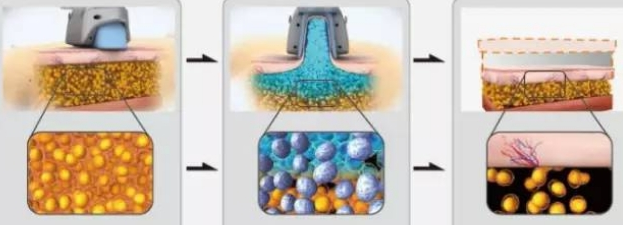
Once the sound waves reach the fat cells, they cause a process known as cavitation. This involves the rapid expansion and contraction of the fat cell membranes, ultimately leading to their rupture. As the fat cells break down, their contents—primarily triglycerides and other fatty acids—are released into the interstitial fluid surrounding the cells. Over time, the body's natural metabolic processes absorb and eliminate these fatty substances, resulting in a reduction of localized fat deposits.
Non-Invasive and Painless
One of the key advantages of ultrasonic fat reduction is its non-invasive nature. Unlike traditional liposuction, which involves the insertion of surgical instruments into the body, this treatment is performed externally, eliminating the need for anesthesia, incisions, or sutures. This not only reduces the risk of complications associated with surgery but also minimizes downtime and recovery time for patients.
Furthermore, ultrasonic fat reduction is generally considered painless or minimally painful. Many patients report feeling only a mild warmth or tingling sensation during the treatment, which is easily tolerable. The absence of pain and discomfort makes this treatment an attractive option for individuals seeking body contouring without the fear of surgical intervention.
Highly Effective and Targeted
Proponents of ultrasonic fat reduction claim that it is a highly effective and targeted solution for reducing localized fat deposits. The high-frequency sound waves are precisely controlled and can be directed to specific areas of the body, allowing for precise and customized treatment plans. This targeted approach ensures that only the desired fat cells are affected, minimizing the risk of unintended consequences or damage to surrounding tissues.
Additional Benefits
In addition to its primary effect of reducing fat deposits, ultrasonic fat reduction may also offer other benefits. For instance, the ultrasound energy can stimulate collagen production in the skin, leading to improved skin texture and elasticity. This can be particularly beneficial for patients who are concerned about skin laxity or dimpling after fat removal.
Moreover, the non-invasive nature of the treatment allows for repeat sessions if necessary, providing patients with the flexibility to maintain their results over time.
Analyzing Ultrasonic Fat Reduction Effectiveness: A Comprehensive Look at the Evidence
When assessing the reliability of ultrasonic fat reduction, a thorough examination of the existing scientific literature is paramount. This method, also known as ultrasound-assisted lipolysis or ultrasound-guided liposuction, has garnered significant attention in recent years due to its non-invasive and relatively painless approach to body contouring. However, as with any medical treatment, it is crucial to critically analyze the studies and research conducted on ultrasonic fat reduction to gain a comprehensive understanding of its effectiveness.
Positive Outcomes Demonstrated
Several studies have reported promising results in terms of fat reduction and body contouring using ultrasonic fat reduction. These studies typically involve controlled trials or case series where patients undergo a series of treatments and are evaluated for changes in body fat composition and overall appearance.
Some of the most notable findings include:
-
Significant Fat Reduction: Several studies have shown that ultrasonic fat reduction can lead to a significant reduction in localized fat deposits, particularly in areas such as the abdomen, thighs, and buttocks. This reduction is often measurable through techniques such as caliper measurements, ultrasound imaging, or even CT scans.
-
Improved Body Contouring: In addition to fat reduction, patients often report an improvement in their overall body contour, with smoother and more toned skin. This is attributed to the targeted approach of ultrasonic fat reduction, which allows for precise treatment of specific areas.
-
Minimal Side Effects: The non-invasive nature of ultrasonic fat reduction has been associated with minimal side effects, such as temporary redness, swelling, or bruising. These effects are generally mild and resolve quickly, making the treatment well-tolerated by patients.
Limitations and Questions Regarding Long-Term Results
While the positive outcomes of ultrasonic fat reduction are encouraging, it is important to acknowledge that not all studies have yielded consistent results. Some research has pointed to limitations and questions regarding the long-term effectiveness of this treatment.
-
Variability in Outcomes: One of the primary challenges in assessing the effectiveness of ultrasonic fat reduction is the variability in outcomes observed across studies. Factors such as patient characteristics, treatment protocols, and evaluation methods can all contribute to this variability, making it difficult to draw definitive conclusions.
-
Long-Term Results Unknown: While many studies have reported short-term improvements in fat reduction and body contouring, there is a lack of long-term data on the durability of these results. Some experts have questioned whether the fat reduction achieved through ultrasonic fat reduction is permanent or if it is subject to rebound weight gain over time.
-
Cost and Accessibility: Another consideration is the cost and accessibility of ultrasonic fat reduction. As a relatively new and specialized treatment, it may not be widely available or affordable for all patients. This can limit its accessibility and may contribute to a lack of large-scale, long-term studies.
Importance of Cautious Approach
Given the mixed results and ongoing questions surrounding ultrasonic fat reduction, it is essential for patients and healthcare providers to approach this treatment with caution. While it may offer a promising alternative to traditional weight loss methods and surgical liposuction, it is important to weigh the potential benefits against the risks and limitations.
Considerations and Precautions for Ultrasonic Fat Reduction
The allure of ultrasonic fat reduction as a non-invasive and relatively painless solution for body contouring can be strong. However, before embarking on this treatment journey, it is essential to carefully consider several factors and take necessary precautions to ensure safety and optimal outcomes. This comprehensive guide will discuss these considerations and highlight the importance of selecting a qualified practitioner, as well as any specific precautions or contraindications associated with ultrasonic fat reduction.
Selecting a Qualified Practitioner
One of the most critical considerations when pursuing ultrasonic fat reduction is selecting a qualified and reputable practitioner. The success and safety of the treatment heavily depend on the expertise and experience of the healthcare professional administering it.
-
Certification and Licensing: Ensure that the practitioner is certified and licensed to perform ultrasonic fat reduction in your jurisdiction. Look for certifications from reputable medical boards or organizations that specialize in cosmetic procedures.
-
Experience and Expertise: Inquire about the practitioner's experience with ultrasonic fat reduction and their track record of successful outcomes. Ask for before-and-after photos or testimonials from previous patients to get a sense of their work.
-
Consultation: Schedule a consultation with the practitioner to discuss your goals, expectations, and any concerns you may have. A thorough consultation should include a review of your medical history, a physical examination, and a discussion of the treatment plan, potential risks, and recovery process.
Precautions and Contraindications
In addition to selecting a qualified practitioner, it is essential to be aware of any precautions or contraindications associated with ultrasonic fat reduction. These factors can impact the safety and effectiveness of the treatment and should be carefully considered before proceeding.
-
Medical History: Inform your practitioner of any pre-existing medical conditions, allergies, or medications you are taking. Certain conditions, such as diabetes, heart disease, or blood clotting disorders, may increase the risk of complications during or after the treatment.
-
Skin Conditions: If you have active skin infections, inflammations, or skin lesions in the treatment area, you may need to postpone the treatment until these conditions have resolved.
-
Pregnancy and Breastfeeding: Ultrasonic fat reduction is generally not recommended for pregnant or breastfeeding women due to potential risks to the mother and baby.
-
Post-Treatment Precautions: After the treatment, follow your practitioner's instructions for post-care and recovery. This may include avoiding strenuous physical activity, wearing compression garments, and keeping the treatment area clean and protected.
-
Realistic Expectations: It is important to have realistic expectations about the results of ultrasonic fat reduction. While it can lead to significant fat reduction and improved body contouring, it is not a weight loss solution and may not achieve the same results as surgical liposuction.

Alternative Approach: Diet and Exercise for Holistic Fat Reduction
In the realm of fat reduction, ultrasonic technology undoubtedly presents an intriguing and often tempting option. However, amidst the allure of quick fixes, it is paramount to recognize the enduring value of a holistic approach centered on a healthy lifestyle. This holistic perspective underscores the significance of a balanced diet and regular exercise, two fundamental pillars that contribute to not just fat reduction but also comprehensive well-being.
The Importance of a Balanced Diet
A balanced diet is the cornerstone of any weight loss or fat reduction journey. It involves consuming a variety of nutrient-dense foods in moderation, ensuring that the body receives all the essential vitamins, minerals, and macronutrients it needs to function optimally.
-
Whole Foods: Emphasize whole, unprocessed foods such as fruits, vegetables, whole grains, lean proteins, and healthy fats. These foods provide a wealth of nutrients and fiber, which can help regulate hunger levels and support weight loss.
-
Portion Control: Be mindful of portion sizes, as overeating, even of healthy foods, can lead to weight gain. Use your hand as a guide or measure out portions to stay within recommended serving sizes.
-
Hydration: Staying hydrated is crucial for overall health and can also aid in weight loss. Drink plenty of water throughout the day to keep your metabolism running smoothly and curb unnecessary snacking.
The Power of Regular Exercise
Regular exercise is another vital component of a holistic fat reduction plan. Physical activity not only burns calories but also enhances cardiovascular health, improves mood, and promotes muscle tone.
-
Cardio Exercise: Incorporate cardio exercises such as walking, jogging, cycling, or swimming into your routine. These activities increase heart rate and promote fat burning, particularly during and after the workout.
-
Strength Training: Strength training is also essential for fat reduction. By building muscle mass, you increase your resting metabolic rate, meaning your body burns more calories even at rest. Include resistance training exercises like weightlifting, bodyweight exercises, or using resistance bands in your workout routine.
-
Consistency and Variety: Consistency is key when it comes to exercise. Aim for at least 150 minutes of moderate-intensity exercise or 75 minutes of vigorous-intensity exercise per week, spread across the week. Variety is also important to avoid boredom and prevent plateaus. Mix up your workouts with different exercises and intensities to keep your body challenged.
The Benefits of a Holistic Approach
By adopting a holistic approach that integrates a balanced diet and regular exercise, individuals can experience numerous benefits beyond just fat reduction. This lifestyle change can lead to:
-
Improved Cardiovascular Health: A healthy diet and regular exercise can lower blood pressure, reduce cholesterol levels, and decrease the risk of heart disease.
-
Enhanced Mental Well-being: Exercise has been shown to reduce stress, anxiety, and depression, while a balanced diet can boost mood and cognitive function.
-
Sustainable Weight Loss: Unlike quick fixes like ultrasonic fat reduction, which may provide temporary results, a holistic approach to weight loss is sustainable and can lead to long-term success.
-
Better Overall Health: A healthy lifestyle supports overall health and well-being, reducing the risk of chronic diseases and improving quality of life.

Conclusion
In conclusion, the reliability of ultrasonic fat reduction continues to be a topic of discussion. Through dissecting its effectiveness, debunking myths, and considering alternative approaches, readers can gain a comprehensive understanding of this treatment. While ultrasonic fat reduction may offer some promise, it is crucial to approach it with realistic expectations, thorough research, and guidance from medical professionals. Ultimately, a holistic approach to fat reduction, including healthy lifestyle habits, remains essential for long-term success.