
Is Ultrasound-Induced Fat Cavitation Effective for Weight Loss?
In today's fast-paced world, where time is a precious commodity, the demand for quick, non-invasive weight loss solutions has reached unprecedented levels. The allure of achieving a trimmer silhouette without undergoing surgery is irresistible to many individuals who desire effective yet convenient results. Among the plethora of available options, ultrasound-induced fat cavitation has rapidly gained popularity. But is it truly an effective strategy for weight loss, or is it just another passing trend in the ever-evolving beauty and wellness industry? In this comprehensive guide, we will delve deep into the world of ultrasound fat cavitation, exploring its mechanisms, evaluating the scientific evidence, and providing you with the necessary information to decide if it aligns with your body goals.
Understanding Ultrasound-Induced Fat Cavitation
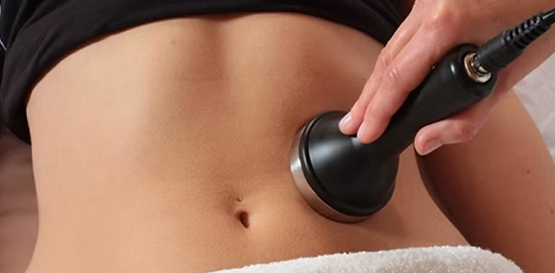
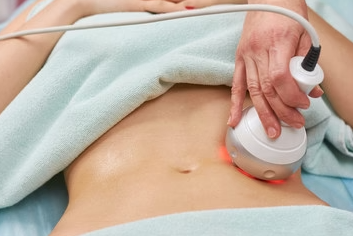
Ultrasound-induced fat cavitation is a cutting-edge, non-surgical cosmetic procedure that harnesses the power of ultrasound technology to break down stubborn fat cells beneath the skin's surface. The process begins with the emission of low-frequency ultrasound waves, which penetrate the skin and target the fatty tissue. These waves create pressure variations within the fat cells, leading to the formation of microbubbles. As these bubbles expand and contract rapidly, they eventually burst, causing damage to the fat cell membrane. Once the membrane is compromised, the contents of the fat cell, including triglycerides and free fatty acids, are released into the surrounding tissue. The body's natural metabolic processes then take over, processing the released fat and eliminating it through the lymphatic system.
Typical treatment areas for ultrasound fat cavitation include the abdomen, thighs, buttocks, arms, and flanks—regions where stubborn fat tends to accumulate and resist traditional weight loss methods. A standard session typically lasts between 20 to 60 minutes, depending on the size and number of body parts being targeted. Clients often describe the treatment as painless, with sensations akin to a mild warming or tingling, making it a relatively comfortable experience.
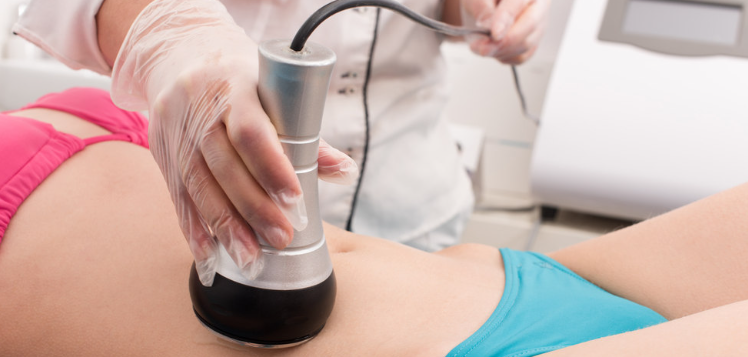
During a session, a trained technician applies a conductive gel to the skin to enhance the transmission of ultrasound waves. They then gently slide a handheld device over the targeted area, ensuring even coverage and optimal results. Unlike surgical procedures, ultrasound fat cavitation requires no anesthesia, and clients can resume their normal daily activities immediately following treatment, making it an attractive option for those with busy schedules.
Claimed Benefits of Fat Cavitation
Proponents of ultrasound fat cavitation highlight several compelling benefits that make it an appealing choice for individuals seeking to improve their body shape:
- Reduction of Localized Fat Deposits: One of the primary advantages of ultrasound fat cavitation is its ability to target specific areas of the body that are resistant to diet and exercise. This makes it an effective solution for contouring and sculpting the body, helping individuals achieve a more balanced and proportionate appearance.
- Non-Invasive and Virtually Pain-Free: Unlike liposuction or other surgical procedures, ultrasound fat cavitation does not involve incisions, scars, or significant downtime. This makes it a safer and less intimidating option for those who are hesitant to undergo surgery.
- Quick and Relatively Convenient: Most ultrasound fat cavitation sessions can be completed within an hour, allowing busy clients to fit treatment into their schedules without disrupting their daily routines. This convenience factor is a significant selling point for many individuals.
- Gradual and Natural-Looking Results: As the body processes the broken-down fat over several weeks, the changes in body shape appear subtle and progressive. This natural-looking transformation is often preferred over more dramatic and sudden changes that may be associated with surgical procedures.
Compared to surgical options such as traditional liposuction, ultrasound fat cavitation offers a more accessible and less intimidating pathway to achieving body contouring goals, making it an attractive choice for a wide range of individuals.
Reviewing the Scientific Evidence
While the claimed benefits of ultrasound fat cavitation sound promising, it is essential to examine the scientific evidence to determine its true efficacy. Several studies have been conducted to evaluate the effectiveness of this procedure:
- Clinical Research: Peer-reviewed studies have demonstrated a reduction in localized fat and improvements in body shape following a series of ultrasound fat cavitation treatments. A notable 2013 review published in the Journal of Cosmetic and Laser Therapy reported significant circumference reductions in treated areas, providing evidence of the procedure's ability to target and reduce fat deposits.
- Fat Loss versus Weight Loss: It is crucial to differentiate between fat loss and actual weight reduction when evaluating the effectiveness of ultrasound fat cavitation. Fat loss refers to a reduction in the size of specific regions of the body, while weight loss is a decrease in overall body weight. Ultrasound fat cavitation primarily targets subcutaneous fat in designated areas, which may not always translate to a significant reduction in overall weight on the scale. However, it can lead to noticeable improvements in body shape and contour.
- Longevity and Maintenance of Results: The long-term effectiveness of ultrasound fat cavitation depends on various factors, including the individual's lifestyle choices. The effects of cavitation can last if clients maintain a stable weight and adopt a healthy lifestyle post-treatment. This includes following a balanced diet, engaging in regular physical activity, and staying hydrated. However, returning to unhealthy eating habits or a sedentary lifestyle may result in the return of fat deposits, emphasizing the importance of ongoing self-care.
Current evidence suggests that ultrasound fat cavitation is effective for spot reduction and body contouring, but it should not be viewed as a cure-all for general weight loss or obesity. It is most effective when used as part of a comprehensive approach to health and wellness.
Pros and Cons of Ultrasound Fat Cavitation
Before booking your first ultrasound fat cavitation session, it is essential to consider the potential advantages and limitations of this treatment:
Pros:
- Safe and Approved for Aesthetic Use Globally: Ultrasound fat cavitation has undergone rigorous testing and has been approved for aesthetic use in many countries around the world, providing reassurance of its safety and efficacy.
- Suitable for Multiple Body Areas: This versatile treatment can be used to target various body areas, including the abdomen, thighs, buttocks, arms, and flanks, making it a comprehensive solution for body contouring.
- No Downtime or Recovery Period: Unlike surgical procedures, ultrasound fat cavitation requires no downtime, allowing clients to return to their normal activities immediately after treatment. This makes it a convenient option for those with busy schedules.
- Minimal Discomfort: Most clients experience minimal discomfort during the treatment, with sensations described as mild warming or tingling. This makes it a relatively pain-free option compared to other fat reduction procedures.
- Boost in Confidence and Motivation: Achieving visible improvements in body shape can have a positive impact on an individual's self-esteem and motivation to maintain a healthy lifestyle. Ultrasound fat cavitation can serve as a catalyst for positive change, encouraging clients to adopt healthier habits.
Cons:
- Results Vary by Individual: The effectiveness of ultrasound fat cavitation can vary from person to person, depending on factors such as genetics, lifestyle, and the amount of fat being targeted. Some individuals may experience more significant results than others.
- Not a Substitute for Healthy Eating and Regular Exercise: While ultrasound fat cavitation can help reduce localized fat deposits, it is not a replacement for a healthy diet and regular physical activity. To maintain long-term results, clients must adopt a balanced lifestyle that includes healthy eating habits and exercise.
- Multiple Sessions Typically Needed for Best Results: Achieving optimal results with ultrasound fat cavitation usually requires multiple treatment sessions. The number of sessions needed varies depending on the individual's goals and the amount of fat being targeted.
- Potential Side Effects: Although rare, some clients may experience mild side effects such as redness, bruising, or swelling in the treated area. These side effects are usually temporary and resolve on their own within a few days.
- Not Suitable for Everyone: Ultrasound fat cavitation is not suitable for pregnant women, those with pacemakers, or individuals with certain chronic health conditions. It is essential to consult with a qualified healthcare professional before undergoing treatment to ensure its safety and appropriateness.
Ultimately, ultrasound cavitation is best suited for healthy adults who are close to their ideal weight but struggle with stubborn fat deposits that do not respond to other interventions. It is not intended for individuals seeking dramatic weight loss or as a replacement for a healthy lifestyle.
Expert Opinions and Real-Life Experiences
Healthcare professionals, including dermatologists and cosmetic surgeons, generally agree that while ultrasound fat cavitation offers measurable results for spot reduction, it is not a miracle solution for weight loss. They often recommend it as a complement to healthy habits, such as a balanced diet and regular exercise, rather than a replacement.
Many clients report satisfaction with their improved body contours and a boost in confidence after completing a series of ultrasound fat cavitation treatments. Common themes in testimonials include visible reductions in treated areas and smooth, even skin texture. However, some clients note that the changes are subtle and require ongoing maintenance to sustain long-term results.
It is always essential to consult with a qualified practitioner before undergoing ultrasound fat cavitation. During the consultation, discuss your goals, expectations, and any concerns you may have. A qualified practitioner can provide personalized advice and help you manage your expectations accordingly, ensuring a positive treatment experience.
Comparing Ultrasound Fat Cavitation with Other Non-Invasive Treatments
How does ultrasound cavitation stack up against other popular non-invasive fat reduction procedures? Let's take a closer look at some of the alternatives:
- CoolSculpting: This technique involves freezing unwanted fat cells, which are then naturally expelled by the body over several weeks. CoolSculpting is highly effective for certain areas of the body, such as the abdomen and flanks. However, it can sometimes cause more discomfort during and after treatment compared to ultrasound cavitation. Some clients may experience temporary numbness or redness in the treated area.
- Laser Lipolysis: Laser lipolysis uses targeted laser energy to disrupt fat cells, sometimes requiring small incisions to facilitate the process. This procedure can produce dramatic results, but it may involve a longer recovery period compared to ultrasound cavitation. Clients may experience swelling, bruising, or discomfort in the treated area, and they may need to wear compression garments to aid in the healing process.
- Radiofrequency Therapy: Radiofrequency therapy uses heat energy to target fat cells and tighten the skin simultaneously. It is often combined with ultrasound cavitation for improved results, as the two modalities complement each other well. Radiofrequency therapy can help improve skin elasticity and reduce the appearance of cellulite, making it a comprehensive solution for body contouring.
Each approach has its strengths and weaknesses, and the choice of treatment depends on individual preferences, goals, and tolerance for discomfort. Ultrasound cavitation stands out for its convenience and comfort, making it a popular choice for those seeking a non-invasive fat reduction solution with minimal downtime. However, for dramatic spot reductions or skin tightening, combining therapies or choosing a different method may be more effective.
When choosing a treatment, consider factors such as your pain tolerance, downtime, treatment area, and expected results. Consulting with a qualified provider can help you chart the best course of action based on your unique needs and goals.
Who Should Consider Fat Cavitation?
Ultrasound fat cavitation is most effective for individuals who meet the following criteria:
- Individuals within 15-20% of Their Ideal Body Weight: This treatment is designed for those who are close to their target weight but struggle with localized fat deposits that do not respond to diet and exercise.
- People with Healthy Skin Elasticity: Good skin elasticity is essential for achieving optimal results with ultrasound fat cavitation. As the fat cells are broken down and eliminated, the skin needs to be able to contract and conform to the new body shape.
- Those Who Eat Well and Exercise Regularly: While ultrasound fat cavitation can help reduce localized fat deposits, it is not a replacement for a healthy lifestyle. Clients who adopt healthy eating habits and engage in regular physical activity are more likely to achieve and maintain long-term results.
- Men and Women Seeking Non-Surgical Contouring with Minimal Disruption to Daily Life: Ultrasound fat cavitation is a non-invasive procedure that requires no downtime, making it an attractive option for those who want to improve their body shape without undergoing surgery or taking time off work.
People who should avoid the procedure include:
- Pregnant or Breastfeeding Women: The safety of ultrasound fat cavitation during pregnancy and breastfeeding has not been established, so it is best to avoid the procedure during these times.
- Individuals with Pacemakers or Certain Metallic Implants: The ultrasound waves used in the procedure may interfere with the function of pacemakers or other metallic implants, posing a risk to the individual's health.
- Those with Severe Liver Disease or Other Serious Health Conditions: Individuals with underlying health conditions may be at increased risk of complications from ultrasound fat cavitation. It is essential to consult with a healthcare professional before undergoing treatment to ensure its safety and appropriateness.
- People Who Expect Dramatic, Immediate Weight Loss or Skin Tightening from a Single Session: Ultrasound fat cavitation is a gradual process that requires multiple sessions to achieve optimal results. It is not designed to produce dramatic, immediate weight loss or skin tightening.
Conclusion
Ultrasound-induced fat cavitation is an appealing, non-invasive treatment for shaping specific areas of the body and tackling stubborn fat deposits. Scientific evidence supports its effectiveness for measurable, gradual fat loss and body contouring, particularly when paired with a healthy lifestyle. However, it is essential to recognize that it is not designed for dramatic weight loss or as a replacement for traditional weight management strategies such as a balanced diet and regular exercise.
If you are close to your target weight, lead a healthy lifestyle, and want subtle improvements in your figure without surgery, ultrasound fat cavitation could be a beneficial option. Always consult with an experienced provider to determine the best plan for your unique needs. With realistic expectations and a commitment to ongoing self-care, ultrasound fat cavitation can be a valuable tool in your body transformation journey, helping you achieve the body shape you desire and boosting your confidence and self-esteem.
GLM is a specialized beauty instrument factory that produces instruments for a variety of functions, including weight loss devices. We have vacuum negative press, radio frequency fat blasting equipment, frozen fat dissolving machine and EMS body shaping machine. GLM is a 14 year old supplier of beauty instruments with guaranteed quality.https://gdglmbeauty.com/