Introduction: A New Era in Animal Rehabilitation
Veterinary medicine has advanced dramatically in recent years, and one of the most exciting innovations is cold laser therapy, also known as Low-Level Laser Therapy (LLLT).
Once used mainly for humans, this non-invasive technology is now widely applied in dogs, cats, horses, and other animals to promote healing, relieve pain, and improve mobility.
From post-surgery recovery to chronic pain management, laser therapy has become an essential tool in modern veterinary clinics—offering an effective, gentle, and drug-free alternative that enhances the animal’s quality of life.

1. Understanding Cold Laser Therapy
Unlike surgical or high-power lasers that cut or ablate tissue, cold lasers use low-intensity light energy to stimulate cells at the molecular level.
This process, called photobiomodulation, enhances cellular metabolism and promotes tissue repair, inflammation reduction, and pain relief.
How it works:
-
Laser photons penetrate tissue and are absorbed by mitochondria, the cell’s energy producers.
-
This boosts ATP (adenosine triphosphate) production, fueling faster healing.
-
Blood circulation increases, delivering oxygen and nutrients to damaged areas.
-
The laser also triggers endorphin release, naturally reducing pain and discomfort.
Cold laser therapy is entirely non-invasive and typically painless—animals often relax during sessions, sometimes even falling asleep.
2. Veterinary Applications: Beyond Pain Relief
Cold laser therapy’s versatility makes it valuable across various veterinary fields.
Common Uses Include:
-
Post-Surgical Recovery: Reduces swelling and accelerates wound healing.
-
Musculoskeletal Disorders: Alleviates arthritis, tendonitis, and joint pain.
-
Soft Tissue Injuries: Heals sprains, muscle strains, and ligament damage.
-
Dermatological Issues: Treats wounds, burns, and skin infections.
-
Neurological Cases: Improves recovery in nerve injuries or paralysis.
For horses, laser therapy can be applied to tendon injuries, back pain, and hoof issues—helping performance animals recover faster without medication.
For dogs and cats, it’s commonly used to treat hip dysplasia, surgical incisions, or chronic inflammation.
3. The Science Behind Laser Healing
The biological effects of cold laser therapy are backed by decades of research.
Photons from the laser activate cytochrome c oxidase, a key enzyme in the mitochondrial respiratory chain, leading to enhanced cellular oxygen utilization and tissue regeneration.
Proven physiological responses include:
-
Enhanced tissue repair through collagen synthesis.
-
Anti-inflammatory effects by reducing cytokine production.
-
Improved microcirculation, aiding nutrient and oxygen transport.
-
Analgesic effects by suppressing nerve pain signals.
This combination of effects allows animals to heal faster and more comfortably, without the risks of medication side effects.
4. Why Veterinarians Are Adopting Laser Therapy
Veterinarians around the world are incorporating laser therapy into their treatment protocols due to its efficacy, safety, and client satisfaction.
Key benefits for clinics include:
-
Expands treatment options for chronic and acute cases.
-
Generates recurring revenue through multi-session therapy packages.
-
Enhances clinic reputation with modern, advanced care technology.
For animal owners, laser therapy provides reassurance—it’s safe, drug-free, and often delivers visible improvement after just a few sessions.
Clinics equipped with professional veterinary laser systems, such as GLM Cold Laser Therapy Devices, gain an edge by offering:
-
Adjustable wavelengths (630–980 nm) for deep or superficial treatments.
-
Portable, ergonomic handpieces designed for animal comfort.
-
Pre-programmed veterinary treatment modes for dogs, cats, and horses.
-
Reliable cooling systems ensuring consistent light output.
These features make GLM’s systems ideal for both small animal clinics and large equine hospitals seeking precise, effective, and safe therapy equipment.
5. Clinical Protocol and Treatment Process
A typical laser therapy session is short and stress-free:
-
Assessment: The veterinarian identifies target areas and sets appropriate wavelength and duration.
-
Preparation: The animal is positioned comfortably; protective eyewear is used.
-
Application: The probe is moved slowly over the treatment zone, delivering energy to tissues.
-
Observation: Most animals relax; mild warmth may be felt on the skin.
Each session lasts 5–15 minutes, depending on the condition’s severity.
Chronic cases often require a series of treatments, typically 6–10 sessions, for optimal results.
6. Safety and Efficacy
Cold laser therapy is widely regarded as safe and well-tolerated for animals of all sizes.
Unlike medications, it has no systemic side effects and can be combined with other therapies like physiotherapy or acupuncture.
Minor, temporary redness may appear on rare occasions, but no burns or injuries occur when professional equipment is used properly.
Modern veterinary laser devices are designed with temperature control and auto-shutdown functions for maximum safety.
7. Expanding Market and Future Potential
The global demand for veterinary laser systems is rapidly growing as pet healthcare becomes more advanced.
Owners increasingly seek non-invasive, pain-free treatments for their animals—driving clinics to invest in next-generation technologies.
Trends in the veterinary laser market:
-
Rising awareness of pet rehabilitation and holistic care.
-
Increased adoption in equine therapy and sports medicine.
-
Growing use of portable laser devices for home-based animal care.
Manufacturers like GLM Beauty Spa Equipment Factory are leading this trend, adapting cold laser technology originally developed for human beauty and physiotherapy to animal healthcare applications—a growing crossover market.
Conclusion
Cold laser therapy has transformed how veterinarians manage pain, inflammation, and recovery.
Its combination of science-backed efficacy, safety, and animal comfort makes it an essential tool in modern veterinary care.
For clinics looking to expand services or enter the booming pet wellness industry, investing in GLM’s professional cold laser therapy systems offers both clinical excellence and business growth potential.
Whether treating a racehorse’s tendon injury or easing an aging dog’s arthritis, cold laser therapy represents a gentle yet powerful step forward in animal healing.
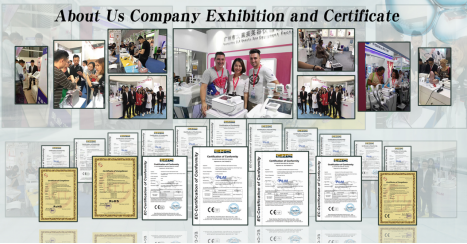
Founded in 2008, Guangzhou GLM Beauty Spa Equipment Factory specializes in research, development, manufacture and selling of beauty and slimming machines. Our production base is located in Guangzhou City, Guangdong Province, China. Since our foundation, we have introduced advanced technologies and equipment, to assure high quality and high performance of our products. With professional marketing guide and excellent after-sales service, our products have been exported to over 20 countries and regions, including Southeast Asia, the Middle East, Europe and the United States, won worldwide praises and gained a good reputation.