
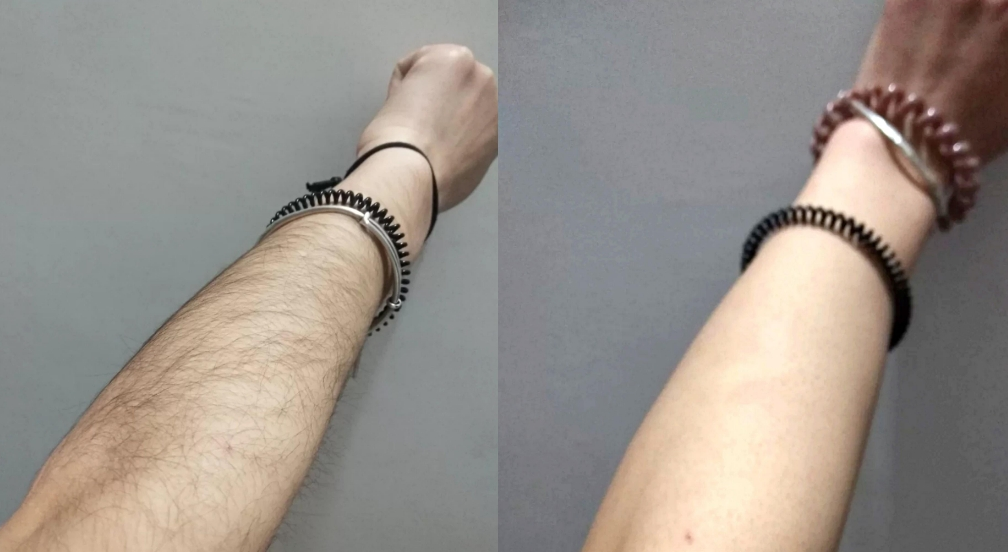
What is the difference between laser hair removal and physical hair removal?
In today's society, hair removal has become an essential part of grooming for both men and women. With various methods available, it can be overwhelming to choose the right one for your needs. Two popular options are laser hair removal and physical hair removal. While both aim to achieve smooth, hair-free skin, they differ in the approach and results they offer. In this article, we will explore the differences between these two methods and help you make an informed decision.
Laser hair removal has emerged as a popular and effective method for permanently reducing or eliminating unwanted hair from various parts of the body, including the face, legs, arms, underarms, back, and even the bikini line. This advanced technology offers a more precise and long-lasting solution compared to traditional hair removal methods such as shaving, waxing, or tweezing, which often require frequent maintenance.
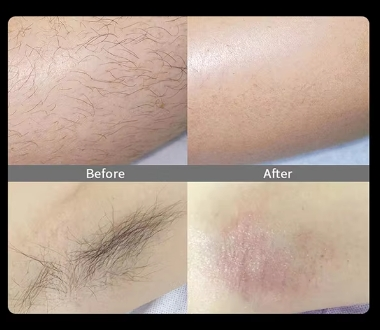
How Does Laser Hair Removal Work?
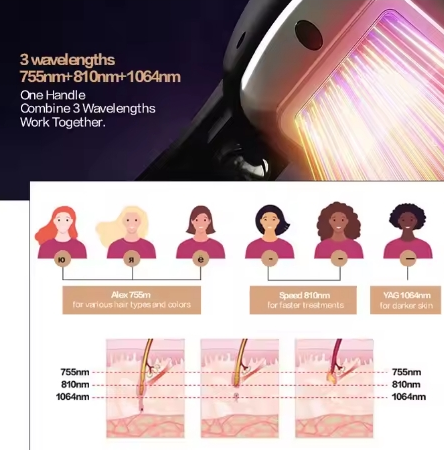
At the core of this procedure lies the principle of selective photothermolysis. The laser emits highly concentrated beams of light that are specifically designed to target the melanin (pigment) found in hair follicles. Melanin acts as a chromophore, absorbing the light energy and converting it into heat. This localized heat then destroys the hair-producing cells within the follicle, ultimately impairing its ability to regrow hair.
It's important to note that laser hair removal is most effective on dark hair due to the higher concentration of melanin. Lighter hair colors, such as gray, blonde, or red, may be more challenging to treat as they have less pigment for the laser to target.
Treatment Sessions
As mentioned, laser hair removal typically requires multiple treatment sessions to achieve optimal results. This is because hair grows in different cycles, and only actively growing hair (anagen phase) can be effectively targeted by the laser. Each treatment session targets hair that is currently in the anagen phase, while hair in other growth stages (catagen and telogen) will need to be addressed in subsequent sessions.
The number of sessions required varies depending on several factors, including the area being treated, hair density, and individual skin and hair characteristics. On average, patients can expect to undergo between 4 to 8 sessions, spaced several weeks apart, to achieve significant hair reduction.
Preparation and Aftercare
Before undergoing laser hair removal, patients are advised to avoid plucking or waxing for several weeks prior to the treatment as these methods remove the hair follicle from the skin, making it unavailable for the laser to target. Shaving is recommended instead, as it leaves the hair follicle intact.
Post-treatment, patients may experience some redness, swelling, or mild discomfort in the treated area. Applying cool compresses or aloe vera gel can help alleviate these symptoms. It's also crucial to avoid direct sun exposure and use sunscreen to protect the skin from further irritation or discoloration.
Benefits of Laser Hair Removal
- Long-lasting Results: While not entirely permanent as some hair may eventually regrow finer and lighter, laser hair removal provides significantly longer-lasting results than traditional methods.
- Precision: The laser's targeted energy ensures that only the hair follicle is affected, minimizing damage to surrounding skin and tissue.
- Versatility: It can be used on almost any area of the body with unwanted hair.
- Time-saving: With fewer maintenance appointments required, laser hair removal saves time and effort in the long run.
- Improved Skin Texture: In some cases, the treatment can also improve skin texture by reducing ingrown hairs and bumps caused by shaving or waxing.
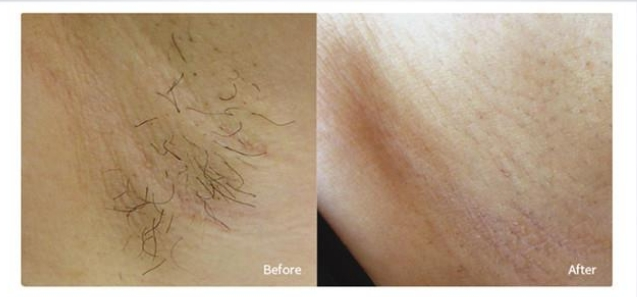
Benefits of Laser Hair Removal: A Comprehensive Look
Laser hair removal has gained immense popularity in recent years due to its numerous advantages over traditional hair removal methods. Below, we delve deeper into the key benefits of this innovative cosmetic procedure.
Long-lasting Results
One of the most significant benefits of laser hair removal is its ability to provide long-term hair reduction. Unlike shaving, waxing, or tweezing, which only remove hair from the surface of the skin and require frequent maintenance, laser hair removal targets the hair follicle itself. With each treatment session, the laser energy damages the hair-producing cells within the follicle, inhibiting hair growth.
Over the course of multiple sessions, patients can expect to see a gradual reduction in hair density, with hair becoming finer, lighter, and fewer in number. While it's important to note that complete permanence is not guaranteed as some hair may eventually regrow, laser hair removal can significantly reduce the need for ongoing hair removal efforts.
Minimal Pain and Discomfort
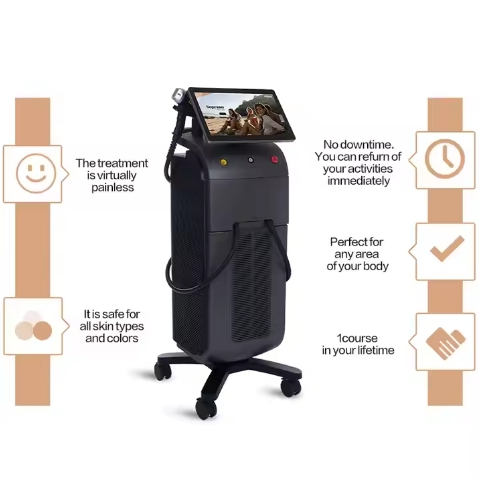
Another significant advantage of laser hair removal is its relatively painless nature. While some patients may experience mild discomfort or a warm sensation during the treatment, modern laser systems are designed to minimize this discomfort. Many practitioners also offer topical anesthetics or cooling devices to further enhance the patient's comfort during the procedure.
In contrast to physical methods like waxing or epilating, which can cause significant pain and discomfort, laser hair removal offers a more gentle and tolerable experience. This makes it an ideal option for individuals with sensitive skin or a low tolerance for pain.
Suitable for Various Skin Types and Hair Colors
Advancements in laser technology have made laser hair removal a viable option for a wide range of skin types and hair colors. Previously, laser hair removal was primarily effective on individuals with darker hair and lighter skin tones due to the laser's reliance on pigment (melanin) to target the hair follicle.
However, newer laser systems utilize different wavelengths and technologies that can target a broader range of hair colors and skin tones. This includes systems designed specifically for individuals with darker skin tones and lighter hair colors, such as blonde, gray, or red hair.
It's essential to consult with a qualified and experienced dermatologist or aesthetician to determine the most appropriate laser system for your individual skin and hair characteristics. They will be able to assess your skin type, hair color, and other factors to recommend the most effective and safe treatment plan.
Additional Benefits
In addition to the aforementioned benefits, laser hair removal also offers several other advantages:
- Precision: The laser's targeted energy ensures that only the hair follicle is affected, minimizing damage to surrounding skin and tissue.
- Versatility: Laser hair removal can be used on almost any area of the body with unwanted hair, including the face, legs, arms, underarms, back, and bikini line.
- Improved Skin Texture: By reducing ingrown hairs and bumps caused by shaving or waxing, laser hair removal can also improve skin texture and appearance.
- Time-saving: With fewer maintenance appointments required, laser hair removal saves time and effort in the long run.
In conclusion, laser hair removal offers numerous benefits that make it an attractive option for individuals seeking a more permanent and effective solution for managing unwanted hair. Its long-lasting results, minimal pain and discomfort, and suitability for various skin types and hair colors make it a versatile and popular cosmetic procedure.
Possible side effects and considerations:
- Skin irritation: Some individuals may experience temporary redness, swelling, or irritation in the treated area. These side effects generally subside within a few hours or days.
- Sensitivity to sunlight: The treated skin may become more sensitive to sun exposure, so it is essential to wear sunscreen and protect the skin after the procedure.
- Multiple sessions may be required: Laser hair removal requires multiple sessions to achieve desired results as hair grows in different cycles. It may take several months to complete the entire treatment process.
Physical Hair Removal Methods: A Comprehensive Guide
Physical hair removal methods encompass a range of techniques designed to manually eliminate hair from the skin's surface or root. These methods vary in terms of their effectiveness, duration of results, and potential side effects. Here's a detailed look at four popular physical hair removal techniques: shaving, waxing, epilating, and tweezing.
Shaving
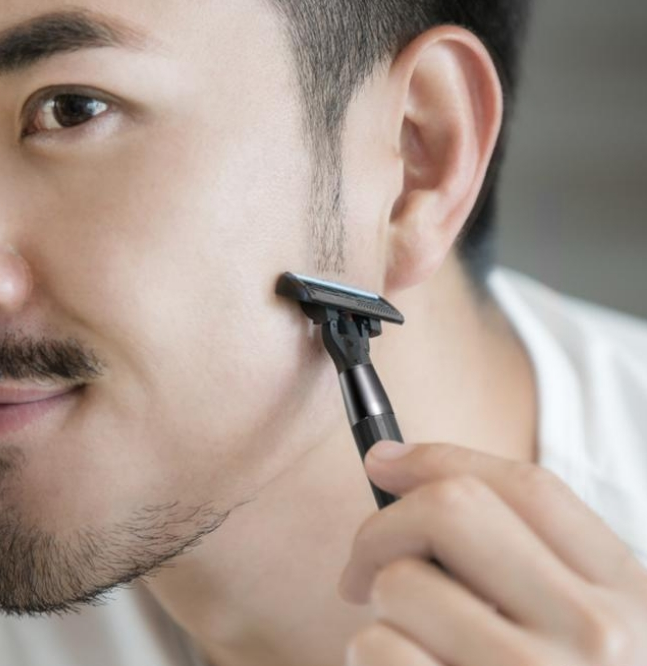
Shaving is perhaps the most ubiquitous and straightforward hair removal method. It involves using a razor blade to cut the hair at or just below the skin's surface. The process is quick and convenient, making it a popular choice for those who want immediate results.
Advantages:
- Instant Results: Shaving provides almost immediate hair removal, allowing individuals to look and feel smooth in no time.
- Convenient: Shaving can be done at home, with minimal equipment and supplies, making it a convenient option for busy lifestyles.
- Low Cost: Razor blades and shaving cream are widely available and relatively affordable.
Disadvantages:
- Short-Lived Results: Hair regrows quickly after shaving, typically within a few days, requiring frequent maintenance.
- Risk of Razor Burn: Incorrect shaving techniques or using dull blades can lead to razor burn, irritation, and ingrown hairs.
- Coarseness: Regular shaving can make hair appear coarser and darker over time.
Waxing
Waxing is a more long-lasting hair removal technique that involves applying warm or cold wax to the skin and then removing it quickly, along with the hair. This process pulls the hair from the root, resulting in smoother skin that lasts for several weeks.
Advantages:
- Longer-Lasting Results: Hair removal can last for up to six weeks, depending on the individual's hair growth cycle.
- Smooth Skin: The hair is removed from the root, leaving the skin feeling exceptionally smooth.
- Exfoliation: Waxing can also help exfoliate the skin, removing dead skin cells and promoting a healthy glow.
Disadvantages:
- Pain: Waxing can be painful, especially for those with sensitive skin or in areas with thicker hair growth.
- Skin Irritation: Some individuals may experience redness, swelling, or bruising after waxing.
- Cost: Waxing sessions can be more expensive than shaving, especially if done professionally.
Epilating
Epilating is a method that uses rotating tweezers to pull out multiple hairs simultaneously from the root. It offers a balance between shaving's convenience and waxing's longevity.
Advantages:
- Longer-Lasting Results: Hair removal can last for up to four weeks, depending on the individual.
- Exfoliation: Epilating also exfoliates the skin, promoting better circulation and a healthier complexion.
- Suitable for Sensitive Skin: Some epilators are designed for sensitive skin, reducing the risk of irritation.
Disadvantages:
- Initial Discomfort: The first few uses can be uncomfortable or painful, especially in sensitive areas.
- Skin Inflammation: Temporary skin inflammation and redness are common after epilating.
- Time-Consuming: While faster than tweezing, epilating can still take longer than shaving.
Tweezing
Tweezing involves using a pair of tweezers to pluck individual hairs from the root. It is a precise method that allows for targeted hair removal in small areas.
Advantages:
- Precision: Tweezing allows for highly targeted hair removal, making it ideal for shaping eyebrows or removing stray hairs.
- Long-Lasting Results: Plucked hairs take longer to regrow than shaved hairs.
- Inexpensive: A pair of tweezers is all that's needed, making tweezing a cost-effective option.
Disadvantages:
- Time-Consuming: Tweezing is a slow and meticulous process, especially for larger areas.
- Pain: Plucking hairs can be painful, especially for those with sensitive skin or in areas with thicker hair growth.
- Limited Area: Tweezing is best suited for small, targeted areas, such as eyebrows or upper lip.
In conclusion, each physical hair removal method has its unique advantages and disadvantages. Choosing the right method depends on personal preferences, skin sensitivity, and the desired duration of results.
When embarking on selecting a physical hair removal method, there are several pivotal factors to meticulously consider to ensure the process aligns with your personal preferences, skin type, and lifestyle. Here's an expanded look at each of the mentioned considerations:
Pain Tolerance
Pain tolerance is a highly individualized aspect that significantly impacts one's choice of hair removal method. Different techniques vary widely in terms of discomfort they may cause. For instance, waxing and sugaring, which involve adhering a warm, sticky substance to the skin to remove hair by the root, can be quite painful, especially for those with low pain thresholds. In contrast, shaving with a razor or electric shaver is generally considered less painful, albeit with the need for more frequent maintenance.
For those seeking a virtually painless experience, laser hair removal and electrolysis, although more expensive and requiring multiple sessions, offer long-term results with minimal discomfort during the procedure, thanks to advancements in technology that allow for precise targeting of hair follicles with minimal damage to surrounding skin.
Desired Duration of Hair-Free Skin
Understanding how long you wish to remain hair-free is crucial in determining the most suitable hair removal method. Short-term solutions like shaving and depilatory creams are convenient and can provide a smooth finish in minutes, but the effects are temporary, often lasting only a day or two before regrowth becomes noticeable.
Waxing and sugaring can offer a slightly longer duration of hairlessness, as they remove hair from the root, but regrowth still occurs within a few weeks. For a more extended period of hairlessness, laser hair removal and electrolysis are options that target hair follicles, aiming for permanent reduction or elimination over a series of sessions. However, it's important to note that these methods are not guaranteed to be 100% permanent and may require maintenance treatments over time.
Skin Sensitivity
Skin sensitivity is a crucial factor to consider, as certain hair removal methods can cause irritation, redness, or even inflammation, particularly for those with sensitive skin. Shaving, while convenient, can lead to razor burn, ingrown hairs, and nicks if not done carefully. Depilatory creams, which dissolve hair at the surface, may cause skin irritation or allergic reactions in some individuals.
Waxing and sugaring, though effective, can also lead to skin irritation, redness, and occasionally bruising, especially for those with thinner skin or those new to the process. To minimize these risks, it's essential to choose a reputable salon, perform a skin patch test beforehand, and follow proper aftercare instructions.
For those with highly sensitive skin, laser hair removal and electrolysis, performed by experienced professionals, may be safer options as they target hair follicles directly, minimizing contact with the surface of the skin. However, even these methods can cause mild redness or swelling that typically resolves within a few hours to days.
In conclusion, selecting the right physical hair removal method involves a careful balance of considerations, including pain tolerance, desired duration of hair-free skin, and skin sensitivity. It's essential to weigh these factors against your personal needs and preferences, and if possible, consult a dermatologist or skincare professional for personalized advice.

It's important to note that personal preferences and individual circumstances play a crucial role in choosing a hair removal method. Consulting with a professional can provide personalized advice tailored to your specific needs.
In conclusion, laser hair removal and physical hair removal are two distinct methods that offer different results and experiences. Laser hair removal provides long-lasting results, minimal pain, and is suitable for various skin tones and hair colors. On the other hand, physical hair removal methods like shaving, waxing, epilating, and tweezing offer instant results but require more frequent maintenance. Consider your preferences, pain tolerance, and desired duration of hair-free skin to choose the method that best suits your needs.
Remember, the ultimate goal is to achieve smooth, hair-free skin that boosts your confidence and makes you feel comfortable in your own body.