LED Phototherapy Devices for Sale: A Comprehensive Guide to Selecting Premium Equipment
In the dynamic landscape of the beauty and wellness industry, technological advancements continue to revolutionize the way professionals deliver transformative results to their clients. Among these innovations, LED phototherapy stands out as a non-invasive, cutting-edge treatment that leverages specific wavelengths of light to address a wide range of skin concerns. For business owners seeking reliable LED phototherapy devices for sale, selecting the right equipment is pivotal to meeting client expectations, enhancing service offerings, and ensuring long-term profitability.

This comprehensive guide provides an in-depth exploration of LED phototherapy, including its science, applications, and key considerations for purchasing. Whether you’re a medical spa, dermatology practice, wellness center, or salon, this guide will equip you with the knowledge to make an informed decision.
What Is LED Phototherapy?
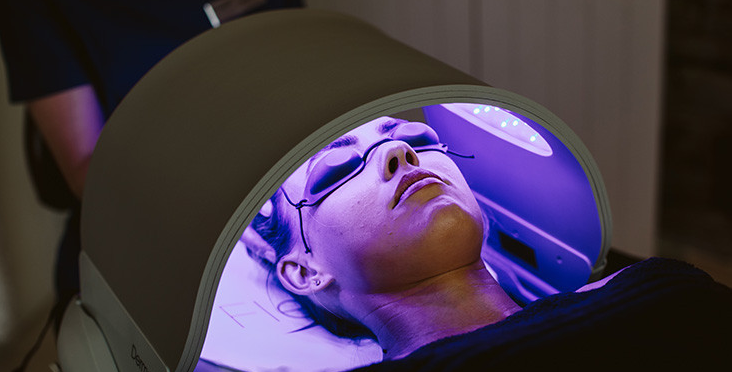
LED phototherapy, also known as LED light therapy, involves exposing the skin to specific wavelengths of light emitted by LED (light-emitting diode) devices. Unlike UV light, which can cause skin damage and increase cancer risk, LED light is non-thermal, non-invasive, and safe for all skin types. It penetrates the skin at varying depths, depending on the wavelength, to stimulate cellular processes, reduce inflammation, and promote healing.
Key Benefits of LED Phototherapy
- Skin Rejuvenation
- Stimulates collagen and elastin production, improving skin texture and reducing the appearance of fine lines and wrinkles.
- Enhances skin hydration and elasticity for a more youthful complexion.
- Acne Treatment
- Blue light (415 nm) targets and destroys Propionibacterium acnes, the bacteria responsible for acne.
- Reduces inflammation and prevents future breakouts.
- Anti-Aging Effects
- Red light (630–660 nm) and near-infrared light (830–850 nm) penetrate deeper into the skin to boost collagen synthesis, minimizing wrinkles and improving skin tone.
- Enhances blood circulation and oxygenation, promoting a healthy glow.
- Wound Healing and Post-Procedure Recovery
- Accelerates tissue repair and reduces downtime after aesthetic treatments like chemical peels, laser resurfacing, or microneedling.
- Alleviates pain and inflammation associated with injuries or surgical procedures.
Common Applications
- Medical Spas and Aesthetic Clinics
- Dermatology Practices
- Wellness Centers and Salons
- Home-Use Devices (FDA-Cleared for Personal Care)
Types of LED Phototherapy Devices
Understanding the different types of LED phototherapy devices is crucial for selecting the one that best fits your business needs. Here’s a detailed breakdown:
1. Handheld LED Therapy Devices
- Designed for flexibility, these portable tools are ideal for targeted treatments such as spot acne therapy, wrinkle reduction, or localized skin rejuvenation.
- Pros: Affordable, portable, and suitable for mobile treatments or smaller spaces.
- Cons: Lower power output and smaller treatment area compared to professional-grade machines.
2. Professional-Grade LED Machines
- Larger and more powerful, these devices offer broad area coverage and are ideal for spas and clinics performing frequent treatments.
- Pros: Higher power output, advanced features (e.g., multi-wavelength therapy, customizable programs), and durability.
- Cons: Higher cost, larger footprint, and may require more maintenance.
3. Portable and Compact LED Devices
- Balancing performance with portability, these devices are perfect for professionals on the move or businesses with limited space.
- Pros: Space-saving, user-friendly, and often battery-operated for convenience.
- Cons: May have fewer settings or lower power output than professional-grade machines.
4. Multi-Wavelength vs. Single-Wavelength Devices
- Multi-Wavelength Devices: Emit multiple light colors (e.g., red, blue, near-infrared), allowing for a wider range of treatments.
- Pros: Versatile, treats multiple skin concerns, and suitable for general practice.
- Cons: Can be more expensive and may require more training to use effectively.
- Single-Wavelength Devices: Focus on a specific wavelength for precision therapy.
- Pros: Ideal for specialists targeting specific concerns (e.g., acne or anti-aging).
- Cons: Limited application and may not be as versatile.
Comparison Table: LED Phototherapy Device Types
| Device Type | Pros | Cons |
|---|---|---|
| Handheld | Affordable, portable, ideal for targeted treatments | Lower power, smaller treatment area, limited versatility |
| Professional-Grade | High power output, advanced features, broad coverage | Higher cost, larger size, may require professional installation |
| Compact/Portable | Space-saving, user-friendly, battery-operated | Fewer settings, may lack advanced features |
| Multi-Wavelength | Versatile, treats multiple concerns, suitable for general practice | More expensive, may require more training |
| Single-Wavelength | Precision for dedicated therapy, cost-effective for specialists | Limited application, may not meet all client needs |
Core Features to Consider When Buying LED Phototherapy Equipment
Not all LED phototherapy devices are created equal. Here are the key features to prioritize for safe, effective, and profitable treatments:
1. Wavelengths and Light Spectrum Options
- Different wavelengths penetrate the skin at varying depths and serve unique purposes:
- Blue Light (415 nm): Targets acne-causing bacteria and reduces inflammation.
- Red Light (630–660 nm): Stimulates collagen production, reduces wrinkles, and improves skin texture.
- Near-Infrared Light (830–850 nm): Penetrates deeper into the skin to promote healing and reduce pain.
- Multi-wavelength devices offer greater versatility, allowing you to address multiple skin concerns with a single machine.
2. Power Output and Treatment Efficiency
- Higher power output translates to shorter treatment times and more effective sessions.
- Professional-grade machines typically offer higher power and more consistent results compared to consumer models.
- Look for devices with adjustable intensity settings to customize treatments based on client needs.
3. Safety Certifications and Regulatory Compliance
- Ensure the device is FDA-cleared (for the US market), CE-marked (for the EU), or ISO-certified.
- Safety certifications guarantee that the device meets stringent safety and performance standards, reducing the risk of adverse effects.
- Avoid unbranded or uncertified devices, as they may pose safety risks and lack efficacy.
4. Ease of Use and User Interface
- Intuitive controls (e.g., touchscreen displays, preset programs) make operation straightforward for technicians.
- Clear instructions and training materials ensure your team can use the device safely and effectively.
- Consider devices with automatic timers to standardize treatment durations and improve client satisfaction.
5. Customization Settings and Treatment Modes
- Advanced devices offer customizable treatment durations, intensities, and preset programs for different skin types and conditions.
- Look for features like pulse mode, continuous mode, and adjustable wavelengths to tailor treatments to individual client needs.
6. Device Durability and Maintenance Requirements
- High-quality materials (e.g., medical-grade plastics, stainless steel) ensure longevity and reliability.
- Consider the expected lifespan of the device and the availability of replacement parts.
- Easy-to-clean surfaces and modular designs simplify maintenance and reduce downtime.
Essential Factors for Businesses: Making the Right Choice
Purchasing LED phototherapy equipment is a significant investment. To ensure you select the best fit for your business, consider the following:
1. Assessing Your Business Needs and Target Clients
- Define the main services you want to offer with LED therapy:
- Are you targeting anti-aging, acne, or post-procedure recovery?
- Do you need a versatile device for general practice or a specialized tool for a niche market?
- Understand your clientele’s needs to guide device selection.
2. Budget Considerations and Payment Options
- Weigh upfront cost against long-term value:
- Higher-end devices may offer better durability, performance, and ROI.
- Consider financing options or lease-to-own programs to ease the initial investment.
- Look for devices with robust warranties to protect your investment.
3. Space and Portability Requirements
- Evaluate your available treatment area:
- Fixed locations can accommodate larger, more powerful machines.
- Mobile services and smaller practices benefit from compact or modular equipment.
- Consider the device’s weight and portability if you need to move it frequently.
4. Training, Support, and Manufacturer’s Reputation
- Select vendors that provide comprehensive training for your team.
- Ensure reliable customer support is available for troubleshooting and maintenance.
- Research the manufacturer’s reputation for quality, innovation, and customer satisfaction.
Top LED Phototherapy Devices for Sale (2024 Review)
To streamline your search, here are some leading LED phototherapy devices for sale in 2024, popular among clinics and spas for their performance, durability, and user-friendly features:
1. Celluma PRO
- Features:
- Multiple wavelengths (blue, red, near-infrared) for versatile treatments.
- Flexible panel design conforms to body contours.
- FDA-cleared and CE-marked for safety.
- Best For:
- Versatile professional use in spas, clinics, and wellness centers.
- Why Choose:
- Trusted brand with a proven track record.
- Effective for acne, anti-aging, and pain management.
2. LightStim Pro Panel
- Features:
- Large treatment area for efficient full-face or body treatments.
- Touchpad controls and adjustable intensity settings.
- Multiple light options (red, blue, amber, infrared).
- Best For:
- High-traffic clinics and multi-user environments.
- Why Choose:
- Advanced technology with robust warranty.
- Suitable for a wide range of skin concerns.
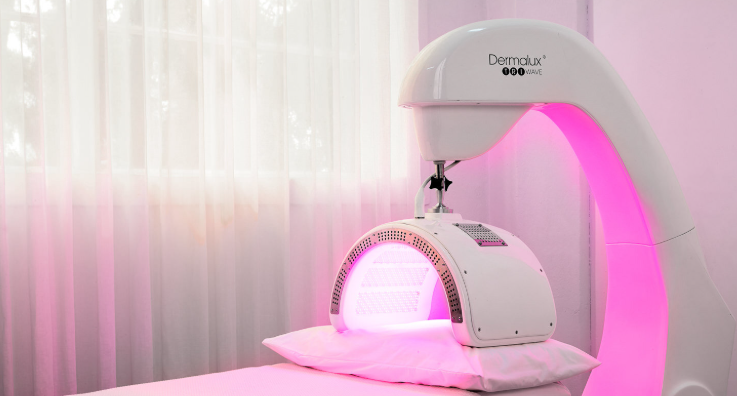
3. Dermalux Flex MD
- Features:
- Portable, medical-grade design with multi-wavelength capabilities.
- Lightweight and easy to use.
- High-power output for fast, effective treatments.
- Best For:
- Mobile practitioners and space-constrained businesses.
- Why Choose:
- Powerful results in a compact package.
- Ideal for on-the-go treatments or smaller clinics.
4. ECO FACE LED Mask
- Features:
- Home-use device with ergonomic design.
- Red and near-infrared light for anti-aging and skin rejuvenation.
- Safe for all skin types and easy to use.
- Best For:
- Retail sales, add-on treatments, or home-care recommendations.
- Why Choose:
- Affordable and user-friendly.
- Great for clients looking to extend treatments at home.
Note: Always contact authorized distributors and verify credentials before finalizing a purchase to ensure authenticity and warranty coverage.
Frequently Asked Questions (FAQ)
Q: How safe are LED phototherapy devices?
A: When properly certified, LED devices are safe, painless, and non-invasive. They do not emit UV light and have minimal to no downtime, making them suitable for all skin types.
Q: How long is the typical device lifespan?
A: Quality LED phototherapy devices can last from 5 to 10 years or longer with proper care and maintenance. Ensure your device comes with a manufacturer’s warranty for added peace of mind.
Q: What certifications should I look for when purchasing an LED phototherapy device?
A: Prioritize FDA clearance (US), CE marking (EU), and ISO certification to ensure safety, efficacy, and compliance with regulatory standards.
Q: Can LED phototherapy be combined with other treatments?
A: Yes! LED phototherapy is often used in conjunction with other treatments like chemical peels, microneedling, or laser therapy to enhance results and reduce downtime.
Q: How often should clients receive LED phototherapy treatments?
A: Treatment frequency depends on the client’s skin concerns and goals. For acne, treatments may be recommended 2–3 times per week, while anti-aging treatments may be scheduled weekly or bi-weekly.
Conclusion
Investing in a high-quality LED phototherapy device is a strategic move that can significantly enhance your business’s reputation, client satisfaction, and revenue potential. By understanding the technology, carefully assessing your clientele’s needs, and prioritizing safety, durability, and support, you’ll position your practice as a leader in innovative skin treatments.
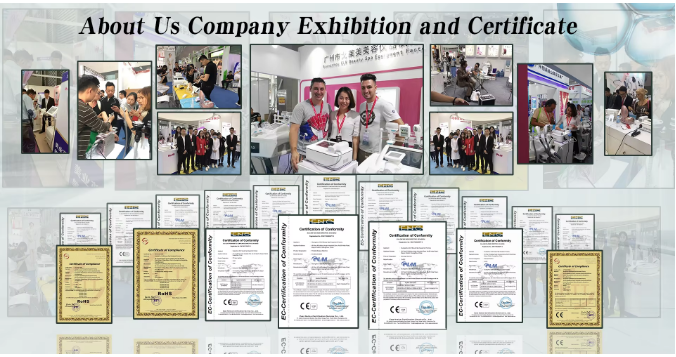
GLM is a specialized beauty instrument factory that produces instruments for a variety of functions, including weight loss devices. We have vacuum negative press, radio frequency fat blasting equipment, frozen fat dissolving machine and EMS body shaping machine. GLM is a 14 year old supplier of beauty instruments with guaranteed quality.https://gdglmbeauty.com/