1. Introduction
In 2026, professional skin rejuvenation is increasingly focused on improving skin quality rather than simply addressing individual cosmetic concerns. Clients want smoother texture, a more refined appearance, improved skin firmness, and a healthy-looking complexion. At the same time, beauty clinics and professional skin studios need treatment technologies that can be incorporated into personalized service plans and supported by clear consultation and aftercare protocols.
Microchanneling has attracted attention as a minimally invasive approach to skin rejuvenation. By creating controlled microscopic channels in the skin, this technology aims to activate the body's natural repair processes and support collagen remodeling. Depending on the device, treatment parameters, and professional protocol, microchanneling may be considered for concerns such as uneven texture, fine lines, and the visible signs of skin aging.
However, the value of microchanneling extends beyond the procedure itself. For professional operators, the quality of the equipment, consistency of the treatment process, selection of suitable clients, and management of post-treatment skin care all influence the overall service experience.
Understanding how microchanneling works—and how it differs from other skin rejuvenation technologies—helps clinics make informed equipment decisions and develop more responsible, results-oriented treatment programs.
2. Background and the Skin Concerns Microchanneling Addresses
The skin is continuously exposed to environmental stress, ultraviolet radiation, pollution, and other factors that can influence its appearance and structural integrity. With age, changes in collagen and elastin contribute to reduced firmness, fine lines, and a less even skin texture. Dehydration and disruption of the skin barrier can further make the complexion appear rough, dull, or less supple.
Traditional facials, exfoliation, and topical skin care can help maintain the skin's surface condition. However, some clients seek professional treatments that address texture and visible signs of aging through a different mechanism.
This is where microchanneling becomes relevant.
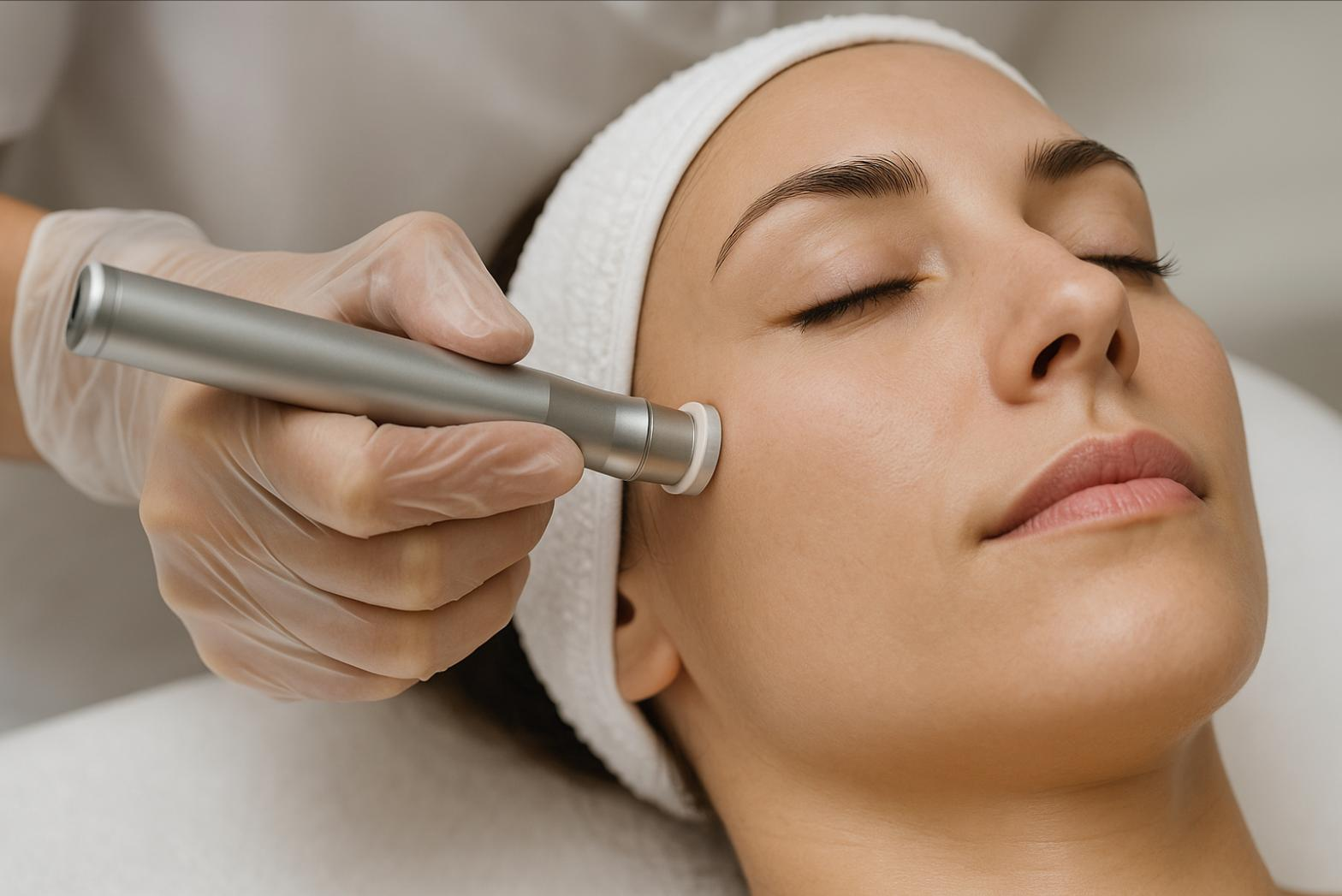
Microchanneling generally involves a specialized device that creates multiple microscopic channels through controlled mechanical contact with the skin. These channels initiate a localized repair response, which may influence the activity of skin cells involved in tissue renewal and collagen production.
It is important to distinguish microchanneling from ordinary cosmetic treatments and from more deeply penetrating microneedling procedures. Terminology is not fully standardized across the industry, and devices marketed under similar names may differ in needle design, penetration depth, operating mechanism, and intended use. Some treatments are superficial, while others penetrate living skin tissue and require a higher level of professional oversight.
For clinics, this distinction matters because treatment depth, expected outcomes, contraindications, and regulatory requirements cannot be determined by the procedure's name alone.
A professional consultation should establish the client's primary concern. Someone seeking a smoother-looking complexion may need a different approach from a client with active inflammation, significant scarring, persistent redness, or a compromised skin barrier. In some cases, treatment should be postponed or a medical assessment recommended.
3. Technology and Mechanism: How Microchanneling Works
3.1 Controlled Microchannels and the Skin's Repair Response
The central principle behind microchanneling is controlled mechanical stimulation. A treatment device uses a specialized tip or cartridge to create a pattern of microscopic channels in the targeted skin area.
When the skin detects a controlled injury, it initiates a sequence of biological responses associated with tissue repair. These processes involve inflammatory signaling, cellular communication, and the activity of fibroblasts, which contribute to the production and organization of collagen and other extracellular matrix components.
Collagen provides structural support, while elastin contributes to the skin's ability to stretch and return to its original shape. Changes in these components are associated with the appearance and mechanical properties of aging skin.
By initiating a controlled repair response, microchanneling may support gradual improvements in skin texture and the appearance of fine lines. However, collagen remodeling takes time, and the extent of any visible change depends on the individual, treatment protocol, and characteristics of the device.
Microchanneling should therefore be presented as a treatment that may support skin renewal—not as a procedure that guarantees immediate collagen regeneration or permanently reverses skin aging.
3.2 Collagen Stimulation and Texture Improvement
Collagen stimulation is one of the main reasons mechanical skin-renewal procedures are used in professional aesthetics.
After controlled micro-injury, the repair process can involve fibroblast activity and the remodeling of the extracellular matrix. Over time, these changes may contribute to a smoother-looking surface and improvements in the appearance of certain fine lines or textural irregularities.
For professional operators, this mechanism has practical implications. Treatment planning should account for the client's baseline skin condition, the intended treatment depth, the interval between sessions, and the time required for recovery and remodeling.
More aggressive treatment does not necessarily mean better results. Excessive mechanical injury can increase irritation, prolong recovery, and contribute to complications such as post-inflammatory hyperpigmentation or scarring.
A well-designed professional device should therefore be evaluated not simply by how intensely it stimulates the skin, but by how reliably the operator can control the treatment according to the manufacturer's instructions and the applicable scope of practice.
3.3 Skin Barrier Repair: An Important Distinction
The skin barrier is essential for limiting excessive water loss and protecting the body from external irritants. It is largely associated with the stratum corneum, the outermost layer of the epidermis, together with the lipids and structural components that help maintain its integrity.
Microchanneling temporarily disrupts the skin barrier by creating microscopic openings. This increased permeability is part of the treatment mechanism, but it also means the skin requires appropriate recovery time.
The relationship between microchanneling and barrier repair must therefore be explained carefully. The procedure does not immediately strengthen an intact barrier. Instead, the skin undergoes a repair process after controlled injury, and its barrier function must recover.
Appropriate aftercare generally emphasizes gentle cleansing, suitable moisturization, sun protection, and temporary avoidance of irritating active ingredients as advised by the treating professional. The exact protocol depends on the depth and intensity of the procedure.
For clients who already have significant irritation, active dermatitis, or a compromised barrier, creating additional microchannels may be inappropriate until the underlying problem has been assessed and managed.
3.4 Equipment Design and Treatment Consistency
The device is an important part of the professional treatment system. Although products vary, relevant design considerations include the treatment tip, needle or contact-element configuration, operating stability, depth control where applicable, cartridge compatibility, and ease of handling.
A stable, ergonomic handpiece can help the operator maintain consistent contact and movement. Where a device offers adjustable parameters, clearly defined settings and suitable training can help practitioners match the procedure to the manufacturer's intended use.
Disposable patient-contact components, when specified by the manufacturer, should be used according to the relevant instructions. Hygiene, correct handling, and appropriate infection-control procedures are essential, particularly when treatment penetrates the skin.
Professional equipment should also be assessed against its documentation, training requirements, maintenance needs, and applicable regulatory status. A polished exterior or a long list of features cannot substitute for validated performance, clear instructions, and safe operating procedures.
4. Advantages and Comparison with Other Skin Rejuvenation Approaches
4.1 Microchanneling Versus Traditional Microneedling
Microchanneling and microneedling share a general principle: mechanical stimulation creates controlled microscopic injuries that initiate a repair response. However, the terms are sometimes used differently by manufacturers, and there is no universal rule that every microchanneling device is gentler or more superficial than every microneedling device.
The meaningful comparison is based on the actual device design, penetration characteristics, treatment protocol, intended indication, and supporting evidence.
For professional clinics, these factors are more useful than marketing labels. Operators should verify the manufacturer's specifications and determine whether the device is appropriate for their qualifications, treatment environment, and local regulations.
4.2 Microchanneling Versus Conventional Facials
Conventional facials typically focus on cleansing, exfoliation, hydration, and surface-level skin care. They remain valuable for routine maintenance and for clients who are not suitable candidates for more intensive procedures.
Microchanneling follows a different approach by introducing controlled mechanical stimulation. It may be considered when a client seeks a professional intervention for visible texture concerns and is an appropriate candidate for a procedure involving temporary barrier disruption.
The two approaches should not automatically be treated as competitors. A clinic may offer conventional facials for maintenance and reserve more intensive treatments for selected clients after proper assessment.
4.3 Microchanneling Versus Energy-Based Treatments
Radiofrequency, laser, and ultrasound technologies use different physical mechanisms to influence tissue. Depending on the device and indication, these technologies may be designed to address concerns such as skin laxity, wrinkles, pigmentation, or other visible changes.
Microchanneling relies primarily on mechanical stimulation rather than the direct delivery of thermal energy. This distinction affects the equipment requirements, contraindications, expected recovery, and treatment planning.
There is no single technology that is best for every skin concern. A professional clinic should select equipment according to the intended outcome, clinical evidence, operator qualifications, and the client's individual needs. Combining procedures should only be considered when the specific combination is appropriate and supported by relevant instructions and evidence.
4.4 Why Professional Equipment Matters
Professional-grade equipment is not automatically safer or more effective simply because it is marketed to clinics. Its value comes from appropriate design, reliable operation, traceable consumables, clear documentation, operator training, and compatibility with the intended professional setting.
Compared with an unregulated home-use tool, a properly selected professional system may offer more consistent handling, better-defined operating parameters, and a clearer treatment workflow. However, these advantages must be verified for the particular device rather than assumed from its price or positioning.
Home-use products may be limited to superficial cosmetic applications, while devices that penetrate living skin can carry additional risks and regulatory obligations. In the United States, for example, the FDA distinguishes between cosmetic products that do not penetrate living skin and medical microneedling devices authorized for specific uses.
For professional buyers, purchasing decisions should prioritize verified specifications, appropriate authorization, manufacturer support, and realistic claims over promotional promises.
5. Applications and Client Needs in Professional Settings
5.1 Clients Concerned About Uneven Skin Texture
Clients who report roughness or visible textural irregularities may be interested in treatments designed to support skin renewal. After an appropriate assessment, microchanneling may be considered as one option within a broader treatment plan.
Operators should explain that outcomes vary and that multiple sessions may be required where permitted by the device instructions and professional protocol. Before-and-after photography, consistent lighting, and standardized assessment methods can help document changes without overstating results.
5.2 Clients Seeking Improvements in Fine Lines and Skin Firmness
For clients concerned about early visible signs of aging, microchanneling may be considered when the treatment is suitable for their skin condition and expectations.
Consultations should distinguish between superficial texture concerns and more substantial skin laxity or volume loss. Microchanneling should not be presented as equivalent to surgical lifting or as a guaranteed solution for significant sagging.
A realistic treatment plan should define the intended outcome, likely recovery period, potential limitations, and criteria for reassessment.
5.3 Clients Focused on Skin Quality and Maintenance
Some clients prioritize overall skin quality rather than a single concern. They may want a more refined appearance, smoother texture, and a consistent professional skin-care routine.
In these cases, microchanneling may be considered as part of a longer-term service strategy, provided the client is suitable for treatment and sufficient recovery time is allowed between procedures.
A professional clinic can add value through consultation, treatment documentation, appropriate product selection, and follow-up—not simply through the use of a device.
5.4 Screening, Safety, and Aftercare
Client selection is essential for responsible microchanneling practice. Depending on the device and procedure, relevant concerns may include active skin infection, open wounds, active inflammatory skin conditions, a history of abnormal scarring, certain medications, bleeding disorders, and a tendency toward post-inflammatory pigmentation.
These factors require individual assessment rather than a universal checklist. When a medical condition or contraindication is suspected, the operator should defer treatment and seek an appropriate medical assessment.
Strict hygiene and single-patient use of designated disposable cartridges are important where required. Operators should follow the manufacturer's cleaning, disinfection, and disposal instructions.
After treatment, clients should receive clear written guidance on cleansing, moisturization, sun exposure, makeup, and the temporary avoidance of irritating products. They should also understand which symptoms are expected and which signs—such as worsening pain, spreading redness, blistering, or signs of infection—require prompt professional assessment.
In the United States, the FDA states that microneedling devices are not authorized for delivering cosmetics, topical medications, vitamin solutions, or blood products into the skin. A clinic should not assume that creating microchannels makes every serum or active ingredient suitable for application during the procedure. Product compatibility and permitted use must be verified separately.
6. Building a Professional Microchanneling Service
For clinics and skin studios, a successful service depends on more than the treatment device itself. A practical workflow includes consultation, documentation, informed consent, skin preparation, device checks, controlled treatment, aftercare instructions, and follow-up.
Manufacturers and equipment suppliers can support this process by providing clear technical specifications, operating instructions, staff training, cartridge information, maintenance guidance, and accessible after-sales support.
For distributors and clinic owners, these factors also influence the long-term value of an equipment investment. A system that fits the clinic's intended services, staff capabilities, hygiene procedures, and local regulatory requirements is more useful than one selected solely because it offers many features.
Marketing should follow the same principle. Professional service descriptions should explain the technology, intended application, realistic expectations, and relevant safety considerations. Claims such as “instant collagen regeneration,” “permanent skin barrier repair,” or guaranteed scar removal can misrepresent the treatment and undermine client trust.
A transparent approach helps clinics communicate value while protecting the credibility of the service.
7. Conclusion
Microchanneling in 2026 represents an area of interest in professional skin rejuvenation because it uses controlled mechanical stimulation to initiate the skin's natural repair response. Depending on the specific device and treatment protocol, it may support improvements in visible skin texture and certain signs of aging through gradual tissue remodeling.
Its relationship with skin barrier repair requires particular care in communication. Microchannels temporarily increase permeability and disrupt the barrier; recovery depends on appropriate aftercare, individual skin condition, and the intensity of treatment.
For beauty clinics, dermatology practices, and professional skin studios, the most valuable approach is to combine appropriate equipment with trained operators, careful client screening, evidence-informed treatment planning, and realistic communication.
Ultimately, successful skin rejuvenation is not defined by the intensity of a procedure or the number of features on a machine. It depends on selecting the right technology for the right client, using it within its intended scope, and supporting the skin throughout the recovery process
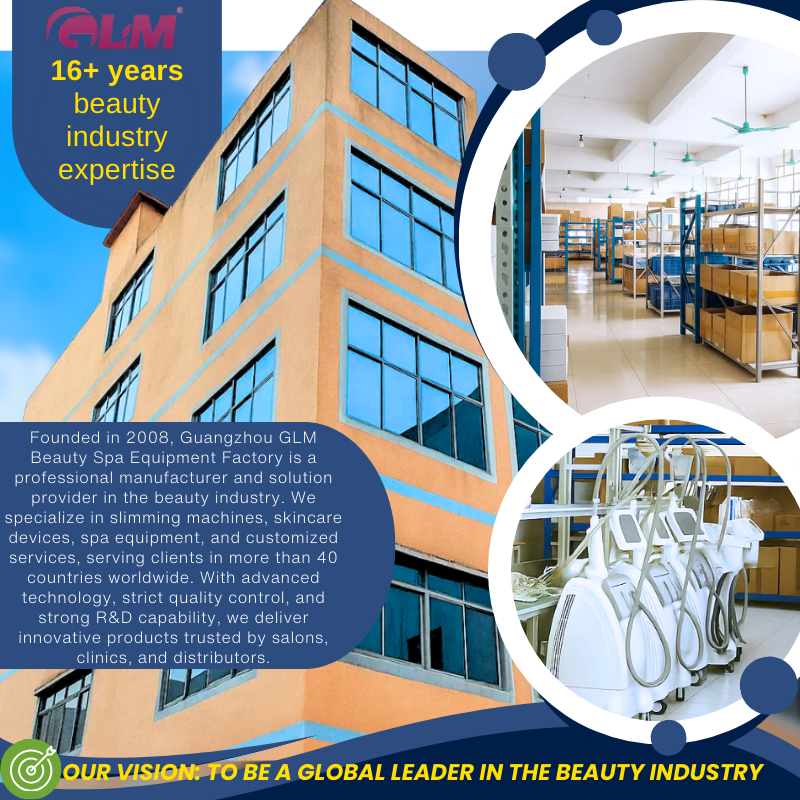
Founded in 2008, Guangzhou GLM Beauty Spa Equipment Factory specializes in research, development, manufacture and selling of beauty and slimming machines. Our production base is located in Guangzhou City, Guangdong Province, China. Since our foundation, we have introduced advanced technologies and equipment, to assure high quality and high performance of our products. With professional marketing guide and excellent after-sales service, our products have been exported to over 20 countries and regions, including Southeast Asia, the Middle East, Europe and the United States, won worldwide praises and gained a good reputation