Introduction
Healthy, radiant skin remains one of the most requested aesthetic goals among clients worldwide. Concerns such as dullness, uneven skin tone, enlarged pores, acne scars, superficial pigmentation, and early signs of aging continue to drive demand for non-surgical skin rejuvenation treatments. As a result, professional aesthetic clinics and beauty salons are constantly seeking treatments that deliver visible results while maintaining high standards of safety, comfort, and client satisfaction.
Among the many skin resurfacing options available today, microdermabrasion and chemical peels have become two of the most widely performed procedures. Although both treatments aim to improve skin texture and encourage healthier skin renewal, they achieve these goals through entirely different mechanisms. Understanding these differences allows practitioners to recommend the most appropriate treatment based on individual skin conditions, treatment objectives, and client expectations.
For clinic owners, selecting the right technology is equally important. Modern aesthetic businesses are no longer looking for treatments that simply work—they need equipment that is versatile, efficient, easy to operate, and capable of integrating into customized treatment protocols. Advanced facial machines that combine exfoliation with hydration, serum infusion, vacuum technology, oxygen therapy, or LED light therapy are becoming increasingly valuable because they offer greater flexibility while improving overall treatment outcomes.
This article explains how microdermabrasion and chemical peels work, compares their advantages and limitations, and explores how professional aesthetic equipment enhances both treatment effectiveness and client experience.
Background: Why Skin Resurfacing Continues to Grow in Popularity
The skin naturally renews itself approximately every four to six weeks. During this cycle, old keratinized cells gradually shed while new cells move toward the surface. However, aging, UV exposure, pollution, hormonal fluctuations, stress, and unhealthy lifestyle habits can slow this renewal process.
When dead skin cells accumulate, clients often notice:
- Dull complexion
- Rough skin texture
- Uneven pigmentation
- Congested pores
- Mild acne scarring
- Fine lines
- Reduced skincare absorption
Traditional skincare products can improve hydration and maintain skin health, but topical cosmetics alone often struggle to remove accumulated dead skin efficiently. This explains why professional exfoliation treatments remain an essential component of modern facial therapy.
Professional resurfacing treatments stimulate controlled skin renewal while minimizing unnecessary trauma. They prepare the skin for better absorption of active ingredients and create a smoother surface that reflects light more evenly, resulting in a brighter and healthier appearance.
Today's professional clinics increasingly combine exfoliation technologies with skin analysis systems to create personalized treatment plans. Rather than recommending a single procedure for every client, practitioners evaluate skin sensitivity, hydration levels, pigmentation, sebum production, and barrier function before selecting the most suitable protocol.
This personalized approach not only improves treatment results but also increases client trust and long-term retention.
Understanding Microdermabrasion Technology
Microdermabrasion is a mechanical exfoliation treatment that removes the outermost layer of dead skin cells using controlled abrasion while simultaneously vacuuming away skin debris. Unlike chemical exfoliation, microdermabrasion relies on physical technology rather than active acids.
Professional systems generally use one of several technologies:
Diamond Microdermabrasion
Diamond-tip systems utilize medical-grade diamond-coated applicators with varying levels of abrasiveness. As the practitioner glides the handpiece across the skin, the diamond surface gently exfoliates dead epidermal cells while integrated vacuum suction removes loosened debris.
Diamond systems have become highly popular because they:
- Require no disposable crystals
- Offer greater treatment precision
- Reduce treatment mess
- Allow adjustable suction levels
- Support multiple treatment areas
The vacuum component also provides gentle stimulation that may temporarily improve local blood circulation while preparing the skin for subsequent treatments.
Crystal Microdermabrasion
Earlier systems projected fine aluminum oxide or sodium bicarbonate crystals onto the skin before vacuuming them away together with exfoliated cells.
Although crystal technology remains effective, many modern clinics prefer diamond systems because they simplify maintenance and reduce the risk of crystal residue contacting the eyes or respiratory tract.
Hydro Microdermabrasion
One of the fastest-growing technologies combines gentle exfoliation with liquid-based cleansing and serum infusion. Instead of relying solely on abrasive contact, hydro-based systems use specialized spiral or vortex tips together with vacuum pressure and nutrient-rich solutions.
This technology allows practitioners to:
- Clean pores more effectively
- Remove excess sebum
- Hydrate the skin during exfoliation
- Reduce post-treatment dryness
- Improve client comfort
Hydro microdermabrasion has become particularly popular because many clients prefer treatments that feel refreshing rather than aggressive.
How Microdermabrasion Works
Unlike treatments that intentionally trigger significant inflammation, professional microdermabrasion produces controlled superficial exfoliation.
During treatment:
- Dead skin cells are mechanically removed.
- Surface impurities are extracted.
- Skin texture becomes smoother.
- Light reflection improves.
- Skincare products penetrate more efficiently.
- The complexion appears brighter and fresher.
Many clients notice immediate improvements in skin softness after a single session, while a series of treatments often produces more visible improvements in texture, mild pigmentation, and superficial acne scarring.
Because the procedure primarily targets the epidermis, downtime is generally minimal. Mild redness may occur immediately after treatment but usually subsides within several hours.
Understanding Chemical Peels
Unlike microdermabrasion, chemical peels rely on carefully formulated acids to dissolve the bonds between dead skin cells. Instead of physically removing the skin's outer layer, chemical agents accelerate exfoliation through controlled biochemical reactions.
Professional chemical peels vary considerably in strength and depth. They are commonly classified into three categories:
Superficial Peels
These peels primarily affect the epidermis and are often formulated with:
- Glycolic acid
- Lactic acid
- Mandelic acid
- Salicylic acid
They are widely used to improve:
- Mild pigmentation
- Acne-prone skin
- Uneven texture
- Dull complexion
Recovery time is generally short, making superficial peels a common choice for routine maintenance.
Medium-Depth Peels
Medium peels penetrate deeper into the skin and are frequently recommended for more noticeable pigmentation issues, photoaging, and moderate acne scars.
Because they create a stronger skin renewal response, clients usually experience several days of visible peeling before recovery.
Deep Chemical Peels
Deep peels reach much deeper skin layers and are typically performed only by qualified medical professionals under carefully controlled clinical conditions.
These treatments may improve advanced photoaging and deep wrinkles but involve significantly longer recovery periods and higher risks of complications.
For this reason, most beauty salons focus on superficial professional peels, while medium and deep peels are generally reserved for medical aesthetic practices
Microdermabrasion vs. Chemical Peels: Key Differences
Although both treatments promote skin renewal, they differ significantly in their mechanisms, treatment experience, recovery time, and ideal applications. Understanding these distinctions helps practitioners design treatment plans that are both effective and tailored to individual client needs.
| Feature | Microdermabrasion | Chemical Peel |
|---|---|---|
| Treatment Method | Mechanical exfoliation | Chemical exfoliation |
| Primary Action | Removes dead skin cells through abrasion | Dissolves cellular bonds using acids |
| Typical Downtime | Minimal | Varies depending on peel strength |
| Treatment Comfort | Generally comfortable | May involve tingling or burning sensations |
| Skin Sensitivity | Suitable for many skin types when properly adjusted | Requires careful product selection based on skin condition |
| Immediate Results | Smoother, brighter skin | Gradual improvement as peeling progresses |
| Professional Control | Adjustable suction, tips, and treatment intensity | Determined by acid type, concentration, and application time |
Neither treatment is inherently "better." Instead, the most appropriate option depends on the client's skin condition, desired results, tolerance for downtime, and overall treatment goals.
For example:
- A client preparing for an upcoming event may prefer microdermabrasion because of its immediate skin-smoothing effect and minimal recovery.
- A client with persistent hyperpigmentation or acne may benefit more from carefully selected superficial chemical peels performed over multiple sessions.
- Many clinics combine both treatments at different stages of a long-term skincare program to maximize results while protecting skin health.
Advantages of Professional Microdermabrasion Equipment
Modern aesthetic clinics increasingly favor advanced microdermabrasion systems because they provide practitioners with greater treatment precision and flexibility than traditional exfoliation methods.
Adjustable Treatment Parameters
Professional machines allow operators to modify:
- Vacuum pressure
- Treatment speed
- Diamond tip coarseness
- Serum selection
- Handpiece design
These adjustments enable customized treatments for different facial areas and skin sensitivities.
Improved Hygiene
Many professional systems use detachable treatment heads, disposable filters, and easy-to-clean components, helping clinics maintain high hygiene standards while improving operational efficiency.
Multi-Function Integration
Today's aesthetic platforms often integrate multiple technologies into one system, including:
- Hydro dermabrasion
- Oxygen infusion
- Ultrasonic skin scrubber
- Radio frequency
- Electroporation
- LED light therapy
- Cold hammer cooling
- High-frequency therapy
Instead of relying on a single treatment, practitioners can create comprehensive facial protocols that address cleansing, exfoliation, hydration, skin tightening, and post-treatment recovery within one appointment.
This integrated approach improves workflow while increasing the value of each treatment session.
When Are Chemical Peels the Better Choice?
Despite the popularity of device-based facial treatments, chemical peels remain an important tool in professional aesthetics.
Superficial professional peels may be preferred when addressing:
- Oily skin
- Active acne
- Post-inflammatory pigmentation
- Melasma management (under professional supervision)
- Uneven skin tone
- Certain superficial signs of photoaging
Because different acids target different skin concerns, practitioners can tailor treatments based on individual skin characteristics.
For example:
- Salicylic acid is commonly chosen for oily and acne-prone skin.
- Lactic acid provides gentle exfoliation while supporting hydration.
- Mandelic acid is often well tolerated by sensitive or darker skin types.
- Glycolic acid penetrates efficiently and is frequently used to improve fine lines and texture.
Professional knowledge is essential, as incorrect acid selection or application may increase the risk of irritation or post-inflammatory pigmentation.
Why Personalized Treatment Plans Matter
Modern aesthetic practice is moving away from standardized treatments toward personalized skincare.
Before recommending either microdermabrasion or chemical peels, experienced practitioners typically evaluate factors such as:
- Skin type
- Fitzpatrick skin classification
- Barrier integrity
- Hydration level
- Sebum production
- Active inflammation
- Medical history
- Previous aesthetic procedures
- Lifestyle habits
- Client expectations
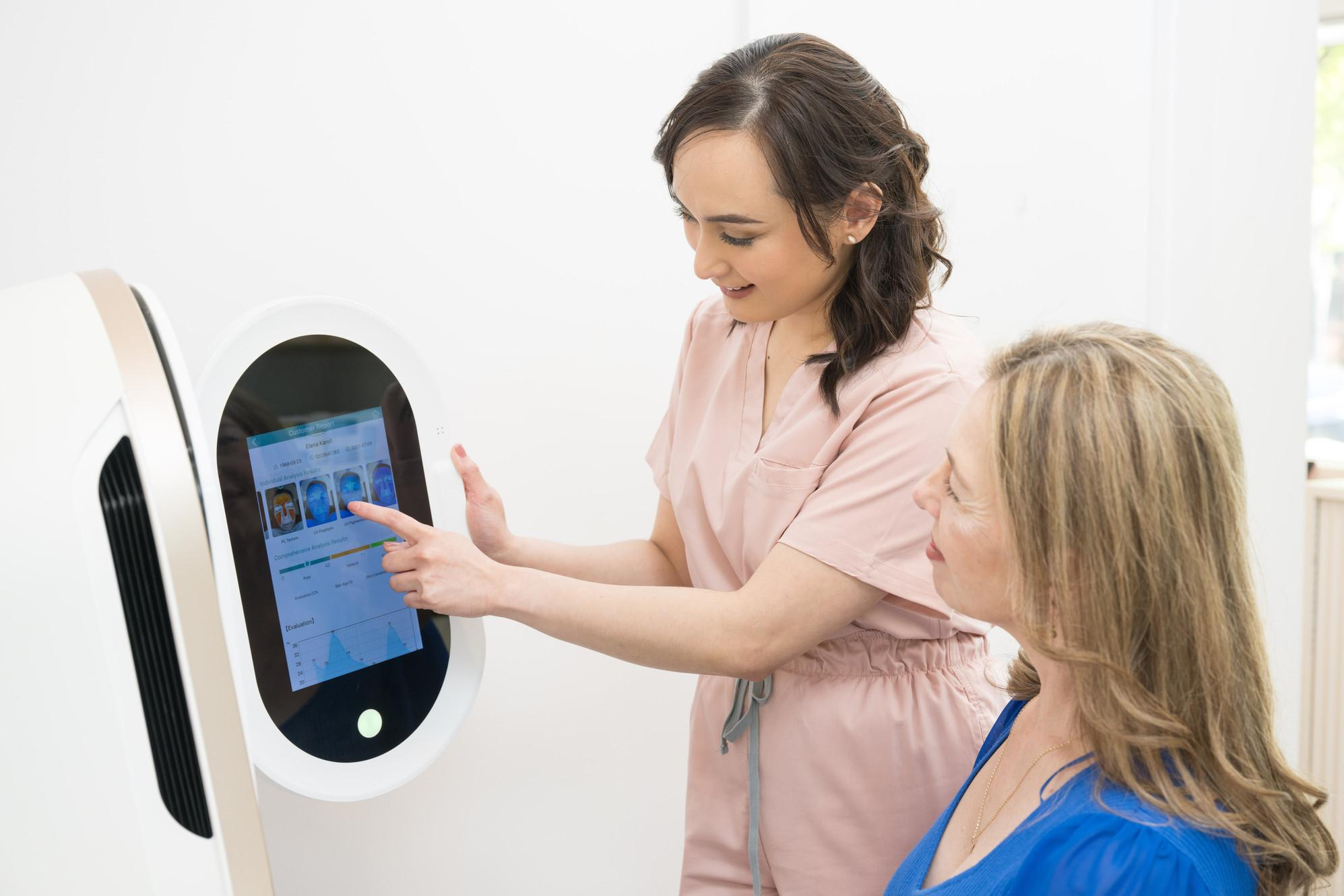
Many clinics now incorporate digital skin analysis devices into the consultation process.
These systems can provide objective measurements of:
- Moisture levels
- Sebum content
- Pigmentation
- Pore size
- Wrinkle depth
- UV damage
- Surface texture
The resulting data helps practitioners explain treatment recommendations more clearly, improving both client confidence and treatment acceptance.
Combining Technologies for Better Clinical Outcomes
One of the most significant trends in professional aesthetics is combination therapy.
Rather than relying on a single procedure, clinics increasingly combine complementary technologies to address multiple skin concerns during one treatment plan.
A typical protocol may include:
- Skin analysis
- Gentle cleansing
- Hydro microdermabrasion
- Targeted serum infusion
- Electroporation to enhance ingredient delivery
- LED light therapy to calm the skin
- Cooling treatment to reduce temporary redness
- Professional aftercare recommendations
Each step supports the next, creating a more comprehensive treatment experience while minimizing unnecessary skin stress.
Combination treatments also allow practitioners to personalize services according to age, skin condition, seasonal changes, and long-term skincare goals.
Meeting Today's Client Expectations
Today's aesthetic clients are more informed than ever before.
Many research treatments online before booking appointments and expect clinics to provide both visible results and scientific explanations.
Clients increasingly value treatments that offer:
- Minimal downtime
- Comfortable treatment experience
- Personalized care
- Professional-grade equipment
- Safe, hygienic procedures
- Consistent long-term improvement
For clinics, investing in advanced multifunctional aesthetic equipment helps meet these expectations while expanding the range of services available.
Rather than replacing practitioner expertise, modern beauty devices enhance clinical precision, improve treatment consistency, and create a more professional client experience.
Conclusion
Microdermabrasion and chemical peels each play an important role in professional skin rejuvenation. While both treatments promote healthier skin renewal, they achieve their results through different mechanisms and are suited to different clinical situations.
Microdermabrasion offers immediate skin smoothing with minimal downtime, making it an excellent option for routine maintenance, skin preparation, and clients seeking gentle exfoliation. Chemical peels, on the other hand, provide targeted biochemical exfoliation and may be more suitable for concerns such as acne, pigmentation, and certain signs of photoaging when performed by trained professionals.
For today's aesthetic clinics, the goal is no longer choosing one technology over another. Instead, success comes from understanding how different treatments complement each other within personalized skincare programs.
As professional beauty equipment continues to evolve, multifunctional treatment platforms, digital skin analysis systems, and customized therapy protocols are enabling clinics to deliver safer, more efficient, and more predictable outcomes. By combining practitioner expertise with advanced aesthetic technology, clinics can improve treatment quality, strengthen client trust, and remain competitive in an increasingly sophisticated beauty industry
Founded in 2008, Guangzhou GLM Beauty Spa Equipment Factory specializes in research, development, manufacture and selling of beauty and slimming machines. Our production base is located in Guangzhou City, Guangdong Province, China. Since our foundation, we have introduced advanced technologies and equipment, to assure high quality and high performance of our products. With professional marketing guide and excellent after-sales service, our products have been exported to over 20 countries and regions, including Southeast Asia, the Middle East, Europe and the United States, won worldwide praises and gained a good reputation