Introduction
As clients become more interested in non-invasive facial rejuvenation, beauty clinics and professional salons are looking for technologies that can provide visible skin-tightening benefits without surgery or extended downtime. Among the available aesthetic technologies, High-Intensity Focused Ultrasound (HIFU) has gained attention for its ability to deliver focused ultrasound energy beneath the skin.
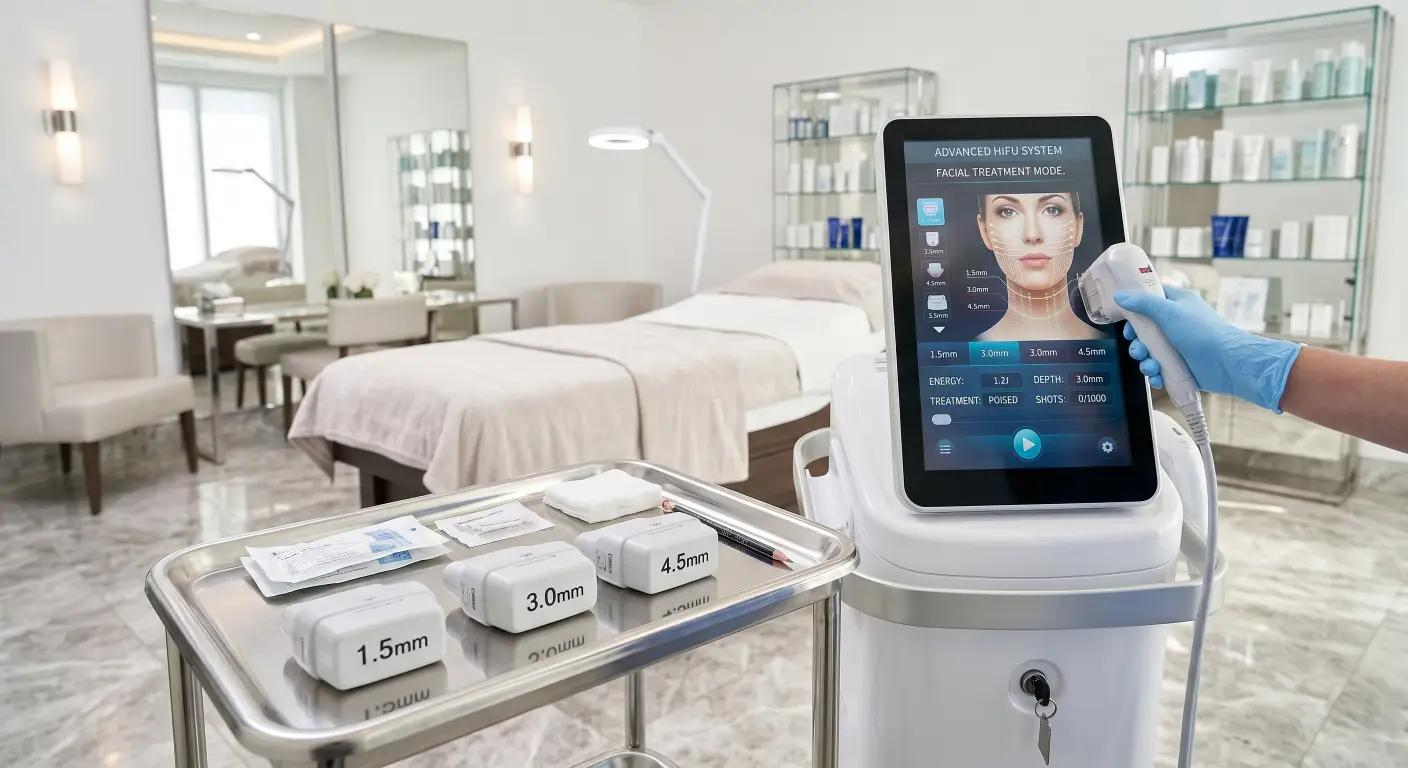
A Mini High Focused Ultrasound Wrinkle Removal Face Lifting Machine is designed to bring this technology into a compact, practical platform suitable for professional facial treatments. Its smaller footprint can be particularly useful for beauty salons, aesthetic clinics, skincare studios, and treatment rooms where space, treatment flexibility, and operational efficiency are important.
Rather than simply treating the surface of the skin, focused ultrasound technology is designed to deliver controlled energy to targeted depths. This makes HIFU different from many conventional facial-care technologies and allows professional operators to develop treatments around skin firmness, facial contouring, and the appearance of fine lines and wrinkles.
For clinics considering new equipment, the value of a mini HIFU system is not only its size. It is also about creating a professional treatment option that can complement existing facial, RF, LED, and skincare services.
Background: Why Skin Lifting Becomes More Challenging With Age
Facial aging is a gradual process involving several changes beneath and on the surface of the skin. Collagen and elastin production naturally decline over time, while the skin may become less firm and less resilient. At the same time, changes in facial fat distribution and supporting tissue can influence facial contours.
These changes can contribute to common aesthetic concerns such as:
- Fine lines and wrinkles
- Reduced skin firmness
- A less defined jawline
- Mild facial sagging
- Loss of facial contour
- A tired or less refreshed appearance
Traditional skincare products mainly work at or near the skin surface. They can support hydration and overall skin condition, but professional clients may also want treatments that target deeper tissue structures.
This is where professional energy-based aesthetic equipment becomes relevant.
For a beauty clinic, offering a technology-based treatment can also create a more structured service experience. Instead of relying exclusively on topical products, operators can combine consultation, skin assessment, controlled energy delivery, and post-treatment skincare into a complete facial rejuvenation program.
Technology and Mechanism: How Focused Ultrasound Works
HIFU stands for High-Intensity Focused Ultrasound. The technology uses ultrasound energy that can be concentrated at selected points beneath the skin.
Unlike conventional ultrasound used primarily for imaging or general therapeutic purposes, focused ultrasound systems are designed to concentrate energy into a specific treatment zone. When appropriate energy is delivered at a controlled depth, localized thermal effects can occur in the targeted tissue.
This process is important because the treatment is designed to work beneath the skin surface while limiting unnecessary exposure of surrounding areas.
The basic treatment concept can be understood in three stages:
1. Energy Delivery
The professional operator selects an appropriate cartridge or treatment setting according to the intended treatment area and the design specifications of the device.
The handpiece is then positioned against the skin, and focused ultrasound energy is delivered to the selected treatment area.
2. Controlled Thermal Effect
At the intended focal point, ultrasound energy can create localized heating. The controlled thermal effect is associated with tissue contraction and the stimulation of the skin's natural remodeling response.
The goal is not simply to heat the skin broadly. The professional value of focused ultrasound lies in delivering energy in a controlled and targeted manner.
3. Collagen Remodeling
Following treatment, the skin undergoes a natural remodeling process. Collagen-related changes can gradually contribute to improvements in the appearance of firmness and skin texture.
This is one reason why HIFU treatments are often positioned as progressive rather than instant-result procedures. Depending on the individual and treatment protocol, visible changes may develop over time rather than appearing immediately after one session.
For professional operators, understanding this mechanism is essential. HIFU should be approached as a controlled aesthetic procedure rather than simply another facial massage or surface skincare treatment.
What Can a Mini HIFU Face Lifting Machine Be Used For?
The specific applications depend on the device configuration, approved operating parameters, treatment cartridges, and local regulations. In professional aesthetic settings, HIFU-based facial treatments are commonly associated with concerns involving skin firmness and facial contour.
Potential treatment areas may include:
Forehead and Upper Facial Area
When used according to an appropriate professional protocol, focused ultrasound technology may be incorporated into facial rejuvenation programs targeting the appearance of fine lines and reduced skin firmness.
Cheeks
The cheek area can be an important part of a facial contouring treatment. Professional operators can design treatment plans around overall facial firmness and the appearance of a more refined contour.
Jawline
A less defined jawline is one of the concerns frequently associated with facial aging. HIFU treatments may be incorporated into professional programs intended to improve the appearance of skin tightness around the lower face.
Chin and Lower Face
The lower face is often a key focus of facial lifting treatments. Depending on the device and protocol, focused ultrasound can form part of a broader approach to improving the appearance of firmness and facial definition.
It is important to distinguish aesthetic skin tightening from surgical lifting. A professional HIFU treatment does not replace surgery, and results vary according to age, skin condition, treatment parameters, anatomy, and individual response.
Advantages of a Mini HIFU Machine for Professional Clinics
A mini HIFU platform can offer several practical advantages for professional beauty businesses.
1. Compact Equipment Design
Space is an important consideration for salons and clinics. A compact HIFU machine can fit more easily into facial treatment rooms while still providing a dedicated technology-based treatment option.
For businesses operating multiple treatment rooms, compact equipment can also make room planning and equipment allocation easier.
2. Professional Treatment Positioning
A HIFU treatment can be positioned as a higher-value facial service rather than a standard skincare session.
This creates opportunities for clinics to develop different service levels, such as:
- Basic facial care
- Advanced skin tightening
- Facial contouring programs
- Combined rejuvenation packages
- Maintenance treatments
The exact treatment menu should always reflect the capabilities of the equipment and the qualifications of the operator.
3. Flexible Facial Treatment Programs
Professional clients rarely have identical needs. One client may primarily be concerned about fine lines, while another may focus on skin laxity or facial contour.
A professional HIFU platform can support customized treatment planning when the device offers multiple treatment depths or interchangeable cartridges.
This flexibility can make the technology easier to integrate into a broader aesthetic service portfolio.
4. Complementary Treatment Technology
HIFU does not necessarily need to operate as a standalone service.
Depending on professional protocols and equipment compatibility, clinics may combine HIFU-focused treatments with other non-invasive aesthetic services such as LED light therapy, radio frequency, hydrating facials, or professional skincare.
The purpose of combining technologies should be to create a logical treatment program rather than simply adding more procedures.
HIFU vs. Conventional Home Facial Devices
One of the most important distinctions for professional businesses is the difference between professional equipment and consumer-oriented home devices.
Home-use beauty devices are generally designed around convenience, simple operation, and lower-intensity cosmetic applications. Professional systems, by contrast, are developed for trained operators who can assess the client's skin, select suitable settings, and follow structured treatment protocols.
A professional HIFU machine can therefore provide advantages in terms of:
Treatment planning:
Operators can evaluate the client's concerns and create a treatment strategy rather than relying on a generic home routine.
Parameter control:
Professional equipment may provide more treatment options depending on the system configuration.
Operator expertise:
A trained practitioner can adapt the treatment approach to different facial areas and client needs.
Service experience:
Clinics can combine consultation, treatment, aftercare, and follow-up into one professional service.
This does not mean that professional HIFU is appropriate for everyone. Proper client screening, operator training, equipment instructions, and local regulatory requirements remain essential.
Applications and Client Needs
For beauty clinics and aesthetic centers, the commercial potential of HIFU is closely connected to how the treatment is presented.
Clients are increasingly looking for aesthetic services that are effective, convenient, and compatible with their lifestyles. A professional HIFU facial service can be positioned around several common customer needs.
Clients Concerned About Early Signs of Aging
Clients noticing fine lines or gradual loss of firmness may be interested in non-surgical aesthetic options. HIFU can be introduced as part of a longer-term skin maintenance strategy where appropriate.
Clients Seeking Facial Contouring
Clients who feel that their facial contours have become less defined may be interested in professional treatments focused on the appearance of firmness around the cheeks, chin, and jawline.
Clients Who Prefer Non-Surgical Options
Not every client wants an invasive procedure. Non-invasive or minimally invasive aesthetic services can provide an alternative for people seeking professional facial rejuvenation without surgery.
Clinics Building Premium Facial Menus
From a business perspective, technology-based services can help clinics create differentiated treatment menus. A compact HIFU machine can be especially attractive for businesses that want to introduce focused ultrasound technology without dedicating extensive floor space to a large system.
What Should Clinics Consider Before Purchasing?
Choosing a HIFU machine should involve more than comparing appearance and price.
Professional buyers should evaluate:
- Available treatment depths and cartridges
- Energy and parameter adjustment options
- Handpiece ergonomics
- Interface and operational controls
- Safety features
- Training and technical support
- Warranty and after-sales service
- Replacement parts and consumables
- Manufacturer experience
- Regulatory requirements in the target market
The reliability of the supplier is also important. For distributors and beauty-equipment businesses, stable production, OEM/ODM capability, documentation, packaging, and technical support can influence the long-term value of the investment.
A compact machine should therefore be evaluated as part of a complete professional treatment solution, not simply as a small version of a larger device.
Professional Operation and Safety Considerations
HIFU is an energy-based aesthetic technology, so professional operation matters.
Operators should receive appropriate training and follow the manufacturer's instructions for treatment parameters, cartridge selection, contraindications, and treatment areas. Client consultation should be completed before treatment, and practitioners should identify situations where treatment may not be appropriate.
The face contains sensitive anatomical structures, including nerves, blood vessels, and other important tissues. Energy-based treatments should therefore be performed carefully and according to established professional protocols.
Clinics should also avoid making unrealistic promises. HIFU should not be marketed as a replacement for surgical facelift procedures or as a guaranteed wrinkle-removal solution.
Responsible positioning is more sustainable: the technology can be presented as a professional option for supporting the appearance of skin firmness, facial definition, and rejuvenation.
Conclusion
The Mini High Focused Ultrasound Wrinkle Removal Face Lifting Machine represents a practical approach to bringing focused ultrasound technology into modern beauty salons and aesthetic clinics.
Its main value is not simply its compact design. The combination of focused ultrasound technology, professional treatment planning, facial lifting applications, and flexible service integration can make it a useful addition to a clinic's aesthetic equipment portfolio.
For professional operators, the strongest results come from combining appropriate technology with proper training, accurate client assessment, realistic expectations, and consistent treatment protocols.
As the beauty industry continues moving toward non-surgical and technology-assisted facial rejuvenation, compact professional HIFU systems can provide clinics with another way to expand their treatment offerings while creating a more structured and technology-driven client experience
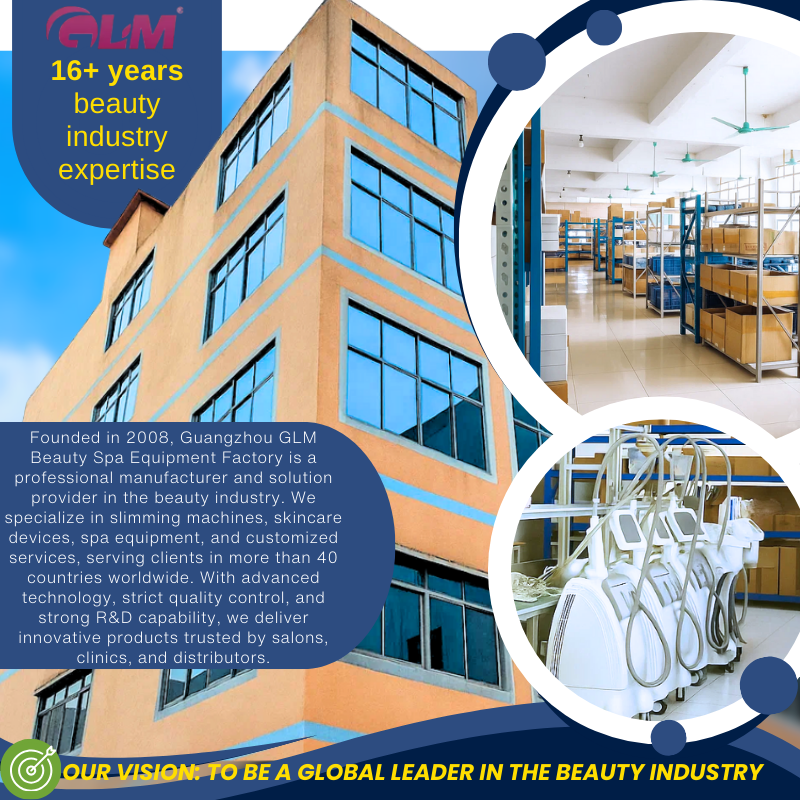
Founded in 2008, Guangzhou GLM Beauty Spa Equipment Factory specializes in research, development, manufacture and selling of beauty and slimming machines. Our production base is located in Guangzhou City, Guangdong Province, China. Since our foundation, we have introduced advanced technologies and equipment, to assure high quality and high performance of our products. With professional marketing guide and excellent after-sales service, our products have been exported to over 20 countries and regions, including Southeast Asia, the Middle East, Europe and the United States, won worldwide praises and gained a good reputation.