Introduction
Stretch marks are one of the most common skin concerns faced by clients across different age groups and life stages. Whether caused by pregnancy, rapid weight changes, or growth spurts, these visible lines can significantly affect skin appearance and client confidence.
In professional aesthetic settings, treating stretch marks has evolved far beyond topical creams and basic skincare routines. Today, clinics rely on advanced, device-based technologies that target deeper layers of the skin to stimulate regeneration and improve texture.
Modern treatment approaches focus not only on reducing the appearance of stretch marks but also on restoring skin quality through controlled stimulation and enhanced product delivery. For beauty clinics and aesthetic practitioners, investing in the right equipment is key to achieving visible, consistent results in this challenging treatment category.
Background/Problem
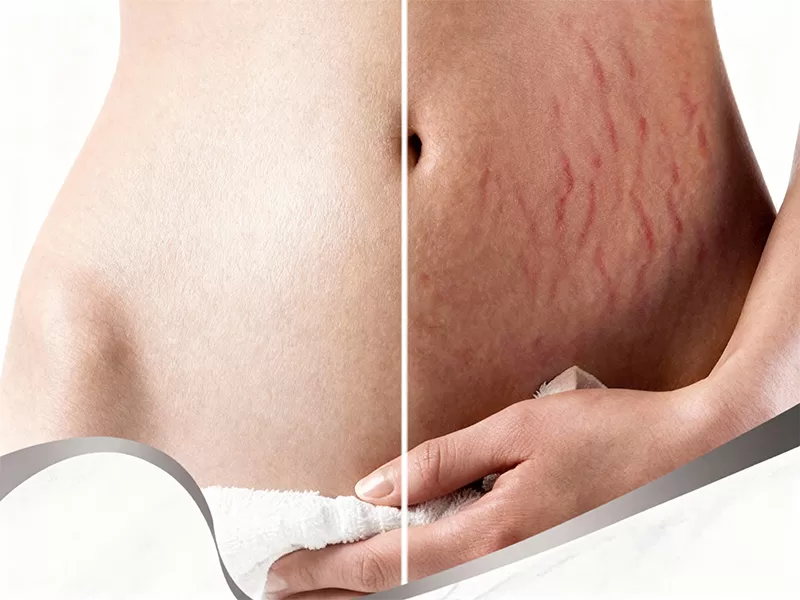
Stretch marks, also known as striae, occur when the skin is stretched rapidly, causing disruption in collagen and elastin fibers within the dermis. This leads to the formation of visible lines that may appear red, purple, or white over time.
The main challenges in treating stretch marks include:
- Damage located deep within the dermal layer
- Reduced collagen production in affected areas
- Irregular skin texture and tone
- Limited effectiveness of surface-level treatments
Traditional approaches such as creams, oils, and massages often provide minimal improvement because they do not penetrate deeply enough to stimulate meaningful structural repair.
For clients, this can lead to frustration due to slow or insignificant results. For clinics, it creates a demand for more advanced solutions that can actively remodel the skin rather than simply improving its surface appearance.
This is where modern aesthetic devices play a critical role—offering targeted, technology-driven approaches that address the root causes of stretch marks.
Technology/Mechanism
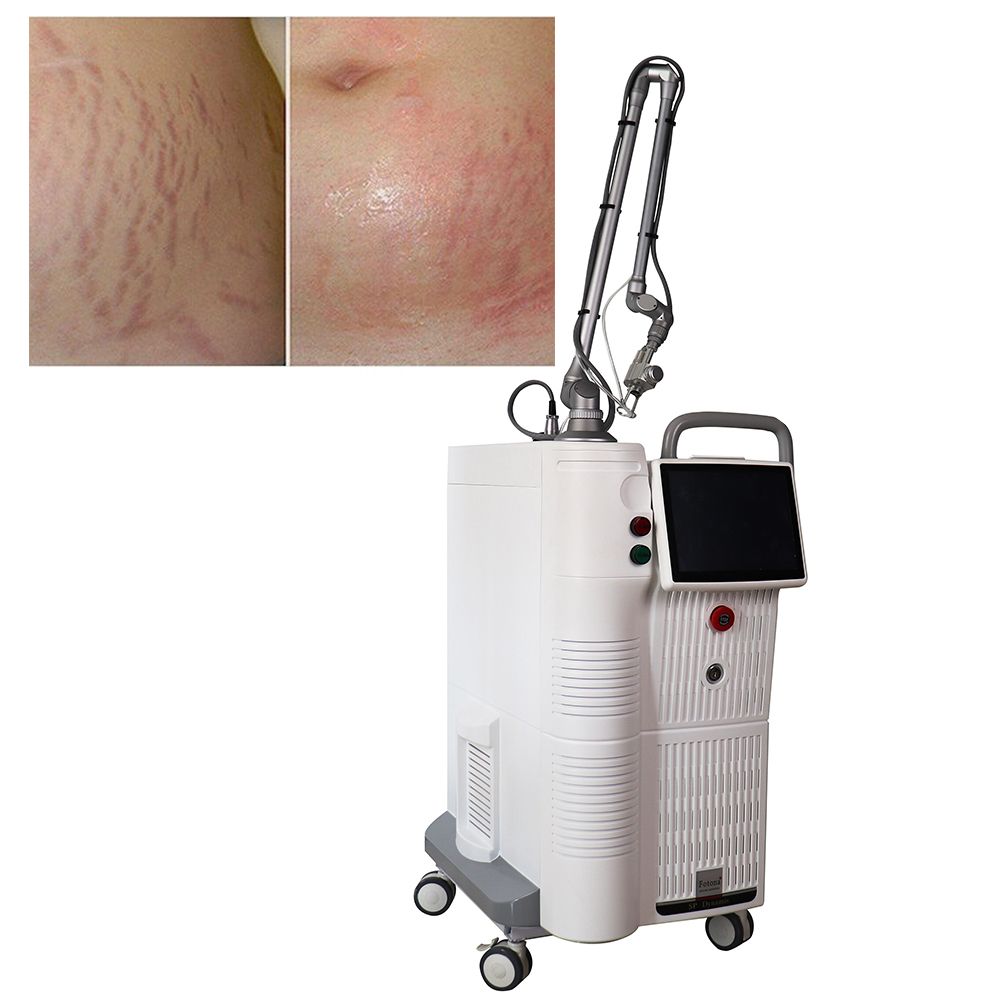
Modern stretch mark treatments rely on a combination of energy-based and delivery technologies designed to stimulate collagen production and improve skin structure.
1. Radio Frequency (RF) Technology
RF devices deliver controlled heat into the dermis, stimulating collagen remodeling and improving skin elasticity. This helps reduce the depth and visibility of stretch marks over time.
2. Microneedle-Free Delivery Systems
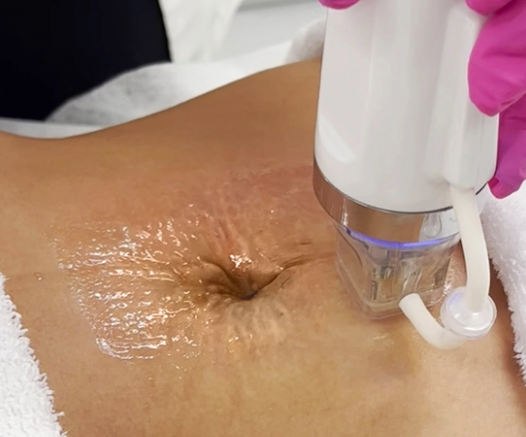
Advanced needle-free technologies allow active ingredients—such as growth factors or hydrating serums—to penetrate deeper into the skin without causing damage. This enhances the skin’s ability to repair itself.
3. Plasma Technology
Plasma energy can activate skin cells and improve regeneration. It also prepares the skin surface, making it more receptive to subsequent treatments.
4. LED/PDT Therapy
Photodynamic therapy supports skin repair by stimulating cellular activity and reducing inflammation, contributing to overall skin health improvement.
5. Combination Device Systems
In modern clinics, these technologies are often integrated into multi-functional machines. By combining stimulation, delivery, and regeneration within one system, practitioners can create layered treatment protocols that maximize results.
Professional equipment ensures:
- Stable and adjustable energy output
- Precise targeting of affected areas
- Consistent and repeatable treatment results
This device-driven approach is essential for addressing the structural nature of stretch marks effectively.
Advantages/Comparison
From a device-centered perspective, modern technologies offer clear advantages over traditional stretch mark treatments.
1. Deeper Action on Skin Structure
Unlike topical products, aesthetic devices target the dermal layer where stretch marks originate. This allows for real structural improvement rather than superficial changes.
2. Multi-Technology Synergy
Combining RF, plasma, and infusion systems creates a comprehensive treatment that addresses multiple aspects of stretch marks simultaneously.
3. Non-Invasive Yet Effective
Many modern devices provide visible results without the need for surgery or aggressive procedures, making them more accessible and appealing to clients.
4. Consistency and Customization
Professional equipment allows practitioners to adjust parameters based on skin condition, ensuring tailored treatments and predictable outcomes.
5. Superior to Home Solutions
Home-use creams and devices are limited in penetration and power. Clinic-grade machines deliver:
- Higher energy levels
- More advanced treatment combinations
- More noticeable and long-lasting results
This makes professional treatments significantly more effective for stretch mark improvement.
From a business perspective, stretch mark treatments represent a high-demand service category. Offering device-based solutions allows clinics to position themselves as providers of advanced, results-oriented care.
Applications/Client Needs
In professional settings, modern stretch mark treatments are applied to various areas of the body, including the abdomen, thighs, hips, and arms.
For newer stretch marks (red or purple), treatments focus on reducing inflammation and promoting faster healing. Technologies like LED and plasma are particularly effective at this stage.
For older stretch marks (white or silver), the goal shifts toward stimulating collagen production and improving skin texture. RF and advanced delivery systems play a key role in these cases.
Typically, treatments are performed in a series to achieve gradual and natural-looking improvements. Multi-session programs allow the skin to regenerate over time, leading to more consistent results.
Additionally, combining different technologies within one treatment plan enhances overall effectiveness. For example, using plasma for skin activation followed by needle-free infusion and RF stimulation creates a comprehensive repair process.
For clinics, the ability to offer customized, multi-step treatments ensures that a wide range of client needs can be addressed effectively.
Conclusion
Modern approaches to treating stretch marks have shifted from surface-level care to advanced, device-based solutions that target the underlying structure of the skin.
By combining technologies such as RF, plasma, and needle-free delivery systems, professional equipment enables clinics to deliver more effective and consistent results.
For aesthetic practitioners, investing in multi-functional devices is essential for addressing this complex skin concern. It allows for the creation of comprehensive treatment programs that improve skin texture, stimulate regeneration, and reduce the visibility of stretch marks over time.
As client expectations continue to rise, device-driven treatments will remain the standard for achieving meaningful and lasting improvements in stretch mark care.
Founded in 2008, Guangzhou GLM Beauty Spa Equipment Factory specializes in research, development, manufacture and selling of beauty and slimming machines. Our production base is located in Guangzhou City, Guangdong Province, China. Since our foundation, we have introduced advanced technologies and equipment, to assure high quality and high performance of our products. With professional marketing guide and excellent after-sales service, our products have been exported to over 20 countries and regions, including Southeast Asia, the Middle East, Europe and the United States, won worldwide praises and gained a good reputation.