Introduction
The rapid popularity of modern weight loss injections has changed the way many people approach body transformation. Millions of individuals are achieving significant weight reduction faster than ever before, helping improve metabolic health, confidence, and overall quality of life. However, alongside these impressive results, another concern is becoming increasingly common—loose, sagging skin.
Many patients celebrate their weight loss journey only to discover that their skin does not shrink as quickly as their body. Areas such as the abdomen, arms, thighs, neck, and face may appear less firm, creating new aesthetic concerns after reaching their target weight.
As a result, aesthetic clinics, medical spas, and professional beauty centers are seeing a growing demand for non-invasive skin tightening solutions. Rather than immediately turning to surgery, many clients are looking for treatments that can improve skin firmness with minimal downtime.
Professional aesthetic devices have become an important part of this transition. Technologies such as radio frequency (RF), HIFU, ultrasound, vacuum-assisted therapy, and combination energy platforms are helping practitioners address skin laxity while supporting collagen remodeling and overall skin quality.
For clinics, this trend represents more than just an increase in treatment requests. It reflects a shift toward comprehensive body transformation, where weight reduction and skin rejuvenation work together to create balanced, natural-looking results
The Growing Popularity of Weight Loss Injections
In recent years, prescription weight loss medications have gained unprecedented attention worldwide. These injectable therapies are designed to help regulate appetite, improve satiety, and support sustainable weight management under medical supervision. For many individuals struggling with obesity or excess weight, they have become an effective addition to lifestyle changes involving diet and exercise.
Because significant weight reduction can occur over a relatively short period, many patients experience dramatic body contour changes. While fat volume decreases, the skin may not always adapt at the same pace.
Skin is remarkably elastic, but its ability to retract depends on several factors, including:
- Age
- Genetics
- Amount of weight lost
- Speed of weight loss
- Sun exposure
- Smoking history
- Natural collagen and elastin production
When these factors limit skin recovery, loose tissue can remain after fat reduction, especially following substantial weight loss.
Why Does Saggy Skin Occur After Weight Loss?
To understand this issue, it helps to consider how skin changes over time.
Healthy skin contains a supportive network of collagen fibers and elastin fibers. These structural proteins provide strength, flexibility, and resilience.
During prolonged weight gain, the skin stretches continuously to accommodate increasing fat deposits. If this stretching persists for months or years, collagen and elastin fibers gradually weaken.
When body fat decreases rapidly—whether through lifestyle changes, bariatric surgery, or weight loss injections—the stretched skin often cannot contract immediately. Instead, excess skin may remain, producing a loose or wrinkled appearance.
This phenomenon is especially noticeable in areas such as:
- Abdomen
- Upper arms
- Inner thighs
- Buttocks
- Neck
- Jawline
- Lower face
For many patients, these concerns can affect overall satisfaction with their weight loss results. Although they may feel healthier and lighter, they still seek treatments that restore a firmer and more youthful appearance.
Fortunately, advancements in professional aesthetic technology are providing non-surgical options that complement modern weight management.
From Fat Reduction to Skin Remodeling
Several years ago, many body contouring treatments focused primarily on reducing localized fat deposits. Today's aesthetic industry has evolved beyond simple fat reduction.
Clients now expect treatments that can simultaneously improve:
- Skin firmness
- Tissue elasticity
- Body contour
- Facial definition
- Overall skin quality
This shift has encouraged manufacturers and clinics to invest in multi-technology platforms capable of addressing multiple concerns during a comprehensive treatment plan.
Instead of viewing weight loss as the final destination, aesthetic professionals increasingly regard it as the beginning of a second phase—skin remodeling.
Professional skin tightening technologies are designed to stimulate the body's natural regenerative processes rather than simply masking loose skin. By encouraging collagen remodeling over time, these treatments can gradually improve skin texture and firmness while maintaining a natural appearance.
Technology / Mechanism
One of the biggest misconceptions surrounding loose skin after weight loss is that topical skincare products alone can restore firmness. While creams and serums can improve hydration and support the skin barrier, they cannot deliver enough energy into the deeper dermal and connective tissue layers where collagen remodeling occurs.
This is why professional aesthetic treatments have become an important part of post-weight-loss care. Rather than simply treating the surface of the skin, modern devices target deeper tissue structures to stimulate the body's natural repair response.
Different technologies work in different ways, allowing practitioners to create personalized treatment plans based on the client's skin condition, treatment goals, and recovery expectations.
Radio Frequency (RF): Controlled Heat for Collagen Remodeling
Radio frequency remains one of the most widely used technologies for non-invasive skin tightening.
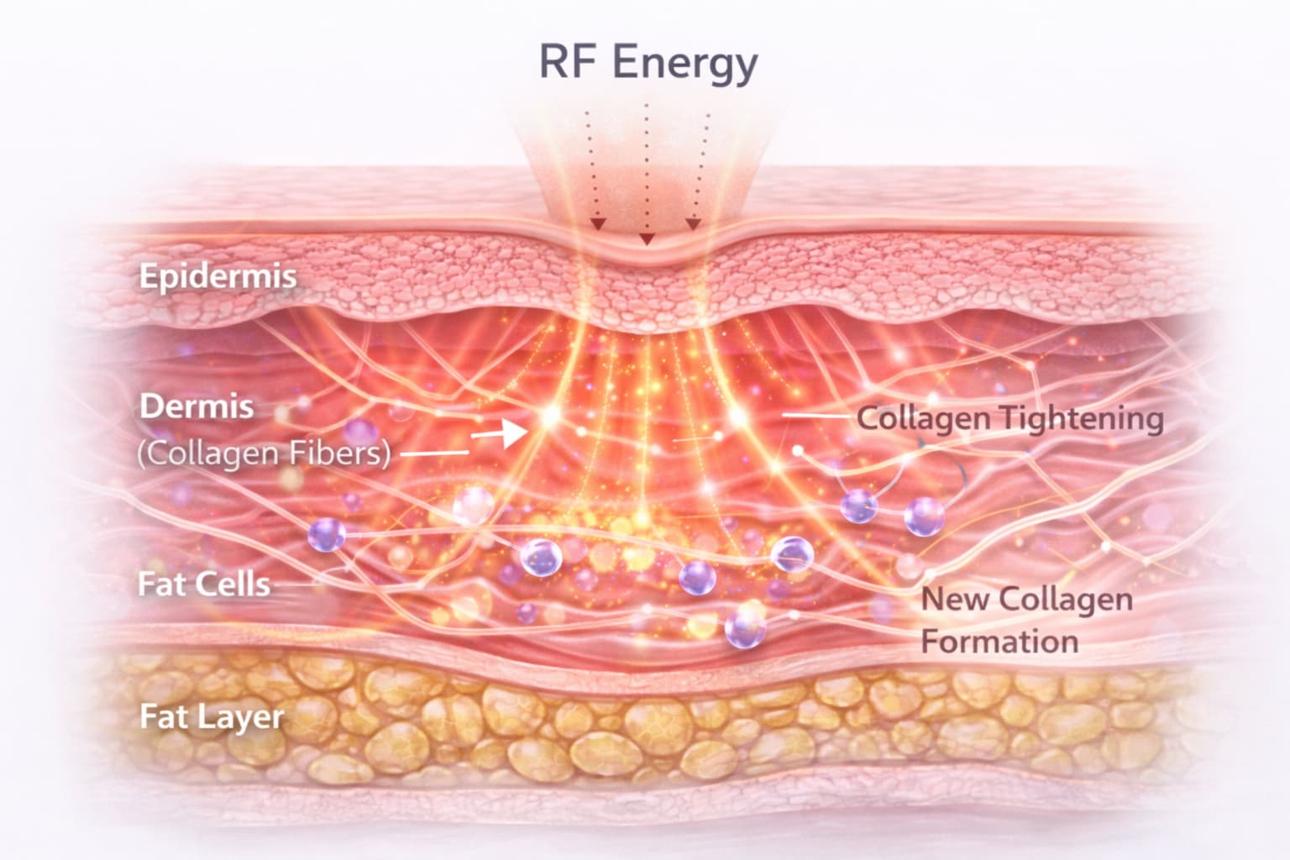
RF devices deliver controlled thermal energy into the dermis without damaging the epidermis. The carefully regulated heat causes existing collagen fibers to contract while encouraging fibroblasts to produce new collagen and elastin over the following weeks and months.
As collagen density gradually increases, clients may notice:
- Firmer skin texture
- Improved elasticity
- Better definition around the jawline and neck
- Reduced appearance of mild to moderate skin laxity
- Smoother body contours
For individuals who have experienced moderate weight loss, RF treatments can be incorporated into a maintenance program that supports long-term skin quality.
Modern professional RF systems often feature adjustable frequencies, intelligent temperature monitoring, and multiple treatment applicators, enabling practitioners to safely treat both facial and body areas with greater precision.
HIFU: Targeting Deeper Structural Layers
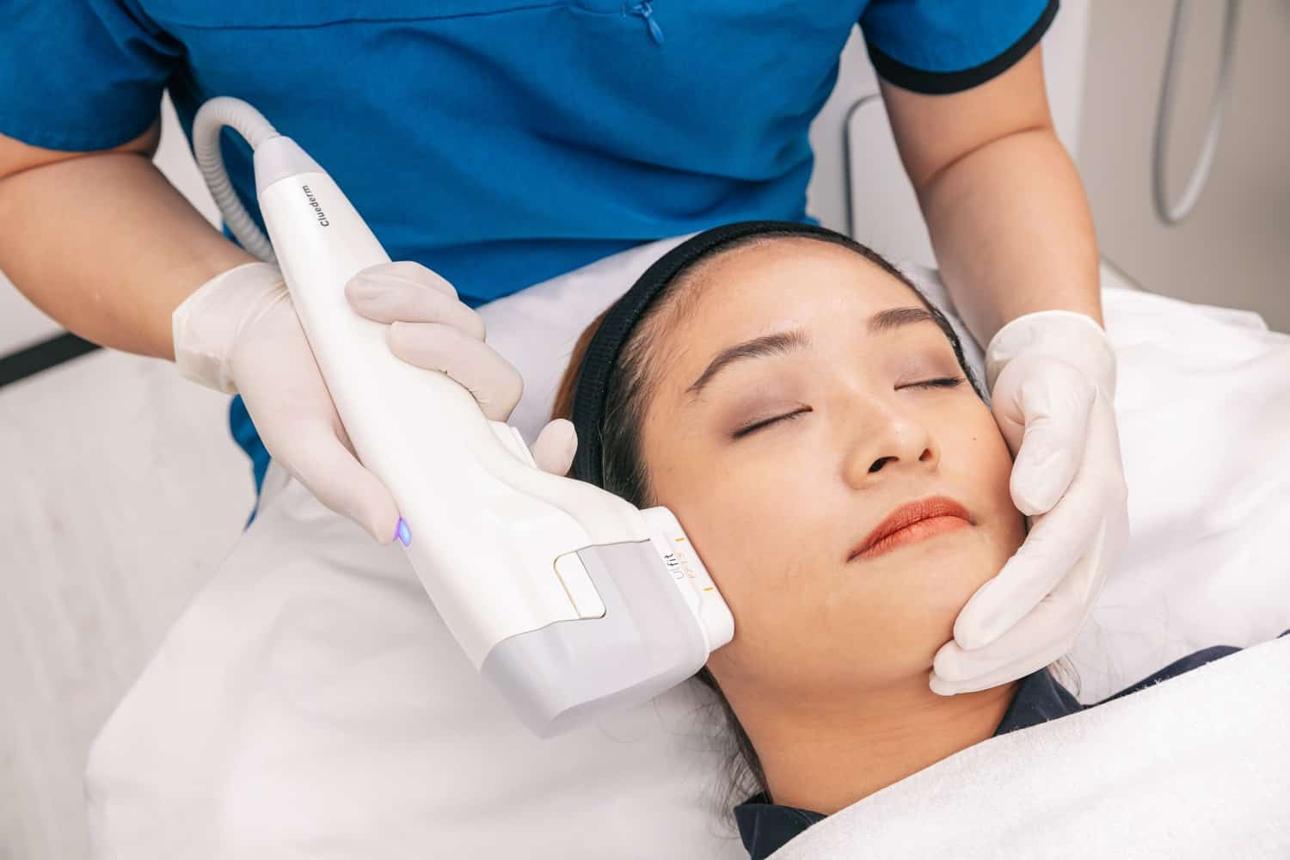
High-Intensity Focused Ultrasound (HIFU) works differently from RF by delivering focused ultrasound energy to precise tissue depths.
Instead of heating broad tissue areas, HIFU creates small thermal coagulation points beneath the skin while leaving surrounding tissue largely unaffected. This controlled response activates wound-healing mechanisms that stimulate collagen production over time.
Because HIFU can reach deeper structural layers, it is commonly used for:
- Jawline definition
- Neck tightening
- Chin contouring
- Brow lifting
- Facial firmness
Some advanced body systems also utilize HIFU for selected body contouring applications, particularly where skin laxity accompanies localized fat deposits.
Rather than replacing RF, HIFU is often combined with other technologies to provide a more comprehensive treatment strategy.
Ultrasound Technologies Beyond HIFU
Not all ultrasound-based treatments rely on high-intensity focused energy.
Certain professional ultrasound systems deliver lower-energy mechanical stimulation that enhances circulation, supports lymphatic drainage, and improves tissue metabolism. Depending on the device design and treatment protocol, ultrasound may also help improve the penetration of topical products used during professional facial treatments.
When integrated into a multi-step treatment plan, ultrasound technologies can complement collagen-stimulating procedures while enhancing overall treatment comfort.
Vacuum-Assisted Technologies: More Than Suction
Vacuum therapy is frequently associated with body contouring, but its role extends beyond temporary tissue lifting.
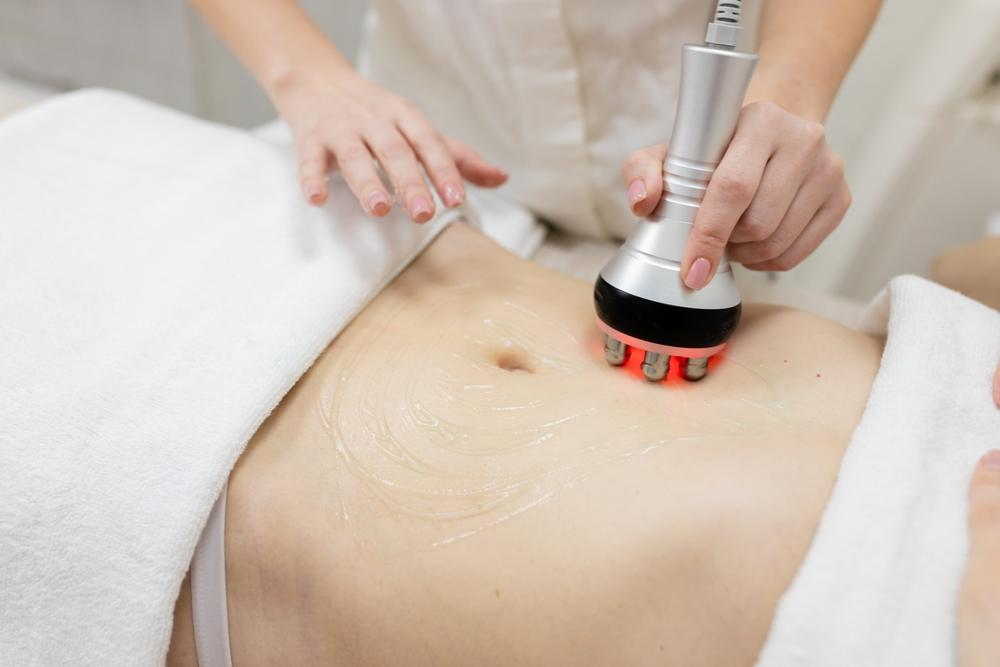
Professional vacuum-assisted systems combine controlled negative pressure with rollers, RF energy, infrared light, or mechanical massage to improve tissue mobility and stimulate microcirculation.
Potential benefits include:
- Enhanced blood circulation
- Improved lymphatic drainage
- Temporary reduction in fluid retention
- Smoother skin appearance
- Improved treatment comfort when combined with RF
For clients who have recently lost weight, vacuum-assisted technologies may be incorporated into body remodeling protocols aimed at improving skin texture and supporting overall tissue health.
Combination Platforms: Addressing Multiple Concerns in One Treatment Plan
As client expectations continue to evolve, many aesthetic clinics are moving away from single-technology treatments in favor of multifunctional platforms.
A single treatment program may combine several technologies, including:
- Radio Frequency
- Vacuum Therapy
- Cavitation
- Ultrasound
- LED Light Therapy
- Mechanical Massage
Each technology addresses a different aspect of tissue remodeling, allowing practitioners to create more personalized protocols for individual clients.
For example, RF may focus on collagen stimulation, while vacuum therapy improves circulation and tissue mobility. LED therapy can help support skin recovery, and mechanical massage may enhance client comfort throughout the treatment process.
This integrated approach not only broadens treatment possibilities but also enables clinics to offer customized solutions for a wider range of skin conditions and body concerns.
Why Professional Equipment Makes a Difference
Although home-use skin tightening devices have become increasingly available, they are generally designed with lower energy output to prioritize user safety. As a result, treatment intensity and consistency are often limited compared with professional systems.
Professional equipment offers several advantages in a clinical setting:
- Higher and more consistent energy delivery
- Multiple adjustable treatment parameters
- Larger treatment applicators for improved efficiency
- Integrated cooling and temperature monitoring
- Ability to combine multiple technologies within a single session
- Personalized protocols developed by trained practitioners
For individuals experiencing noticeable skin laxity after significant weight loss, professional treatments can provide a more comprehensive approach than home devices alone. When performed by qualified practitioners, these technologies can be incorporated into broader aesthetic treatment plans tailored to each client's needs.
Advantages / Comparison
As weight loss injections become increasingly common, client expectations are evolving. Many individuals no longer view successful weight management as simply reaching a target number on the scale. Instead, they seek a balanced outcome—one that combines a healthier body with firmer, smoother, and more youthful-looking skin.
This shift is encouraging aesthetic clinics to move beyond single-purpose treatments and adopt comprehensive body remodeling strategies.
A Holistic Approach to Body Transformation
Professional skin tightening technologies are not intended to replace healthy lifestyle habits or medical weight management. Instead, they complement these efforts by addressing one of the most common aesthetic concerns that follows significant weight loss.
Compared with relying solely on skincare products or massage, professional energy-based treatments offer several advantages:
- Target deeper tissue layers where collagen remodeling occurs
- Support gradual improvement in skin firmness and elasticity
- Address multiple treatment areas, including the face and body
- Require little or no downtime for most non-invasive procedures
- Can be incorporated into customized treatment plans
Rather than producing an artificial appearance, these treatments are designed to stimulate the body's own regenerative processes, allowing improvements to develop progressively over time.
Non-Invasive Treatments vs. Surgical Solutions
For individuals with severe skin laxity following massive weight loss, surgical procedures such as body lifts or skin excision may be appropriate. These procedures can remove excess skin directly but generally involve anesthesia, longer recovery periods, postoperative care, and visible scarring.
Many clients, however, experience mild to moderate skin laxity rather than extreme excess skin. In these cases, non-invasive aesthetic technologies may offer an attractive alternative.
| Professional Skin Tightening | Surgical Skin Removal |
|---|---|
| Non-invasive or minimally invasive | Fully invasive procedure |
| Minimal downtime | Extended recovery period |
| Gradual, natural-looking improvement | Immediate removal of excess skin |
| Stimulates natural collagen production | Physically removes loose tissue |
| Can be repeated as part of maintenance | Usually performed as a single major procedure |
The appropriate option depends on each client's condition, expectations, and medical history. A professional consultation remains essential before selecting any treatment plan.
The Value of Multi-Technology Platforms
Modern aesthetic clinics increasingly prefer multifunctional devices because they provide greater flexibility in treating diverse client concerns.
Instead of investing in separate systems for skin tightening, body contouring, circulation enhancement, and facial rejuvenation, clinics can often perform multiple procedures using one integrated platform.
For practitioners, this provides benefits such as:
- Broader treatment capabilities
- Higher equipment utilization
- More personalized protocols
- Greater operational efficiency
- Expanded service offerings
For clients, it creates a smoother treatment experience, with personalized protocols that can evolve alongside changes in their skin condition.
This flexibility is particularly valuable for post-weight-loss clients, whose needs may shift from fat reduction to skin tightening, texture refinement, and long-term maintenance over the course of several months.
Applications / Client Needs
The growing demand for skin tightening treatments is not limited to one age group or demographic. A wide range of clients can benefit from professional assessment and personalized treatment planning.
Common candidates include:
Individuals Using Prescription Weight Loss Injections
Clients experiencing rapid or significant weight reduction often notice loose skin developing around the abdomen, arms, thighs, neck, or face. Early intervention may help support collagen remodeling before laxity becomes more pronounced.
Clients After Bariatric Surgery
Patients who have undergone bariatric procedures frequently experience substantial weight loss over a relatively short period. Professional skin tightening treatments may become part of a long-term aesthetic management plan, depending on the degree of skin laxity and overall health status.
Aging Clients Experiencing Reduced Skin Elasticity
Even without dramatic weight loss, collagen production naturally declines with age. Combining skin tightening technologies with individualized skincare programs may help improve skin firmness and overall appearance.
Clients Seeking Preventive Aesthetic Care
Not every client waits until loose skin becomes obvious. Increasingly, individuals choose preventive treatments that aim to support collagen production while maintaining skin quality during their weight-loss journey.
Building Personalized Treatment Plans
No single technology is suitable for every client. Professional practitioners typically begin with a detailed consultation that considers:
- Medical history
- Weight-loss method
- Rate of weight reduction
- Skin thickness
- Degree of laxity
- Treatment goals
- Lifestyle habits
Based on this assessment, practitioners can recommend an individualized combination of technologies and treatment intervals.
Many clinics also combine device-based procedures with professional skincare, nutritional guidance, exercise recommendations, and ongoing maintenance programs to deliver more comprehensive results.
This personalized approach not only improves treatment outcomes but also strengthens long-term client satisfaction and trust.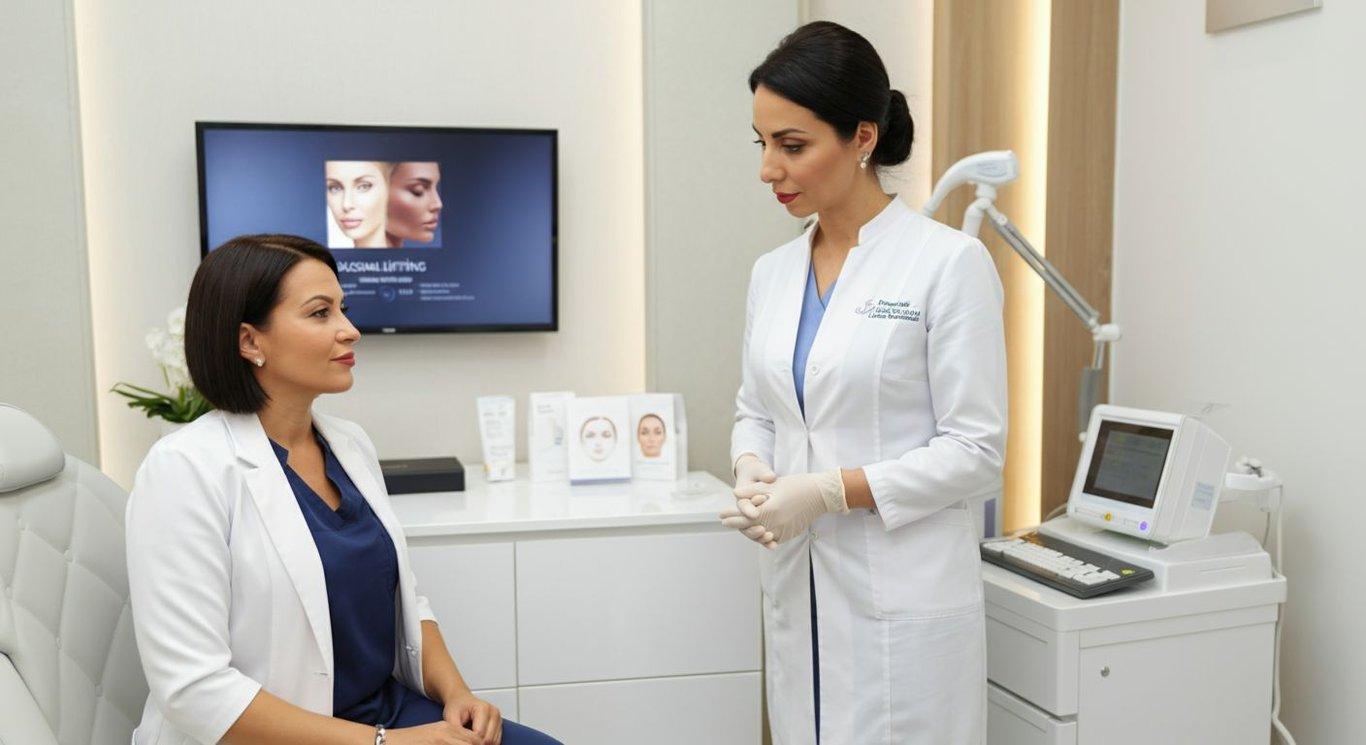
Conclusion
The rapid adoption of modern weight loss injections is transforming both healthcare and aesthetic medicine. While these therapies are helping many individuals achieve meaningful weight reduction, they are also creating new opportunities for professional skin rejuvenation treatments.
Loose skin after weight loss is a multifactorial concern that cannot always be addressed through skincare products alone. Advances in radio frequency, HIFU, ultrasound, vacuum-assisted therapy, and multifunctional aesthetic platforms provide practitioners with an expanding range of non-invasive options to support collagen remodeling and improve skin firmness.
As client expectations continue to evolve, aesthetic clinics are increasingly focused on delivering comprehensive treatment strategies that combine body contouring with skin tightening, rather than treating these concerns separately.
For equipment manufacturers, distributors, and professional clinics, this trend represents more than a temporary market opportunity. It reflects a broader shift toward integrated aesthetic solutions that prioritize personalized care, natural-looking outcomes, and long-term skin health.
By combining advanced technology with professional expertise, clinics can better support clients throughout every stage of their body transformation journey—from weight loss to renewed confidence
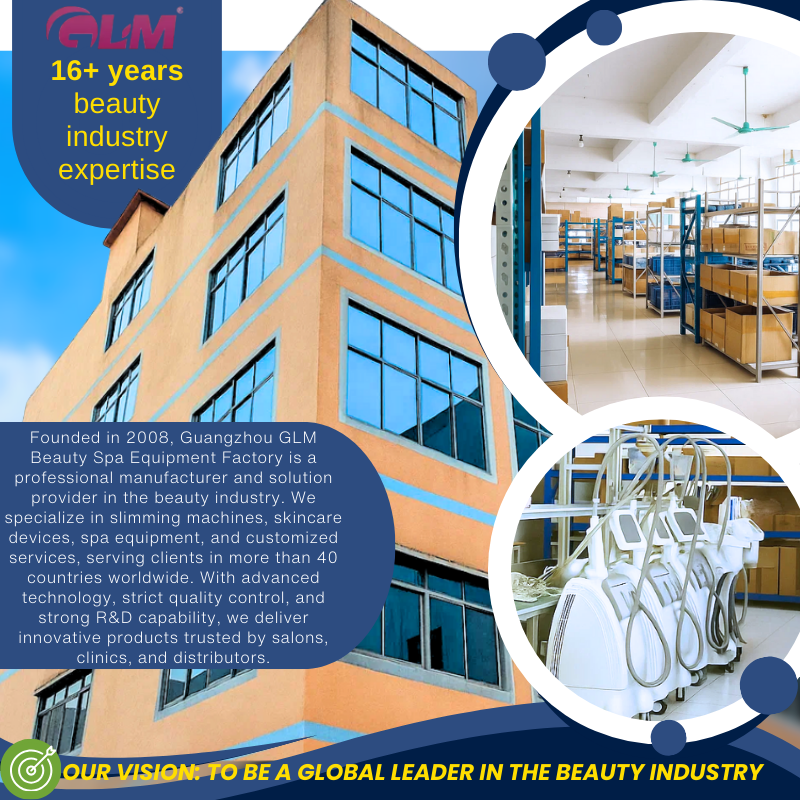
Founded in 2008, Guangzhou GLM Beauty Spa Equipment Factory specializes in research, development, manufacture and selling of beauty and slimming machines. Our production base is located in Guangzhou City, Guangdong Province, China. Since our foundation, we have introduced advanced technologies and equipment, to assure high quality and high performance of our products. With professional marketing guide and excellent after-sales service, our products have been exported to over 20 countries and regions, including Southeast Asia, the Middle East, Europe and the United States, won worldwide praises and gained a good reputation