
1. Introduction
Non-surgical skin tightening continues to attract attention in the professional aesthetics industry in 2026. As clients increasingly seek alternatives to traditional cosmetic surgery, energy-based treatments have become important options for aesthetic clinics, dermatology practices, and medical spas. Among these technologies, plasma skin tightening has gained recognition for its ability to create controlled thermal effects and support visible improvements in skin laxity, fine lines, and skin texture.
However, effective aesthetic treatment is not simply about delivering energy to the skin. Safety, patient selection, treatment precision, and post-procedure management are equally important. Plasma-based technologies can produce different results depending on the device design, energy settings, treatment depth, and clinical application.
For professional practitioners, understanding how plasma energy interacts with skin tissue is essential to establishing appropriate treatment protocols. It also helps clinics communicate realistic expectations, manage recovery, and reduce the likelihood of complications.
In this guide, we explore the safety considerations of plasma skin tightening in 2026, including its operating principles, potential side effects, recovery stages, and the importance of professional equipment and clinical protocols.
2. Background: Why Is Plasma Skin Tightening Safety Important?
Skin laxity is a natural consequence of aging. Over time, collagen and elastin fibers gradually lose their structural organization, while environmental exposure, lifestyle factors, and declining skin repair capacity contribute to wrinkles and reduced firmness.
Traditional surgical procedures can provide more substantial lifting, but they involve incisions, anesthesia, and longer recovery periods. Non-surgical technologies offer alternative approaches, although their effectiveness and safety depend on the energy source and treatment method.
Plasma skin tightening is often discussed alongside laser resurfacing, radiofrequency (RF), and other energy-based procedures. Nevertheless, these technologies are not interchangeable.
The term "plasma treatment" can describe several different systems:
-
Plasma fibroblast or plasma exeresis devices: These generate a localized electrical arc near the skin surface, creating controlled thermal injuries or small treatment points.
-
Nitrogen plasma skin regeneration: These systems deliver plasma energy generated from nitrogen gas to produce controlled heating and skin resurfacing effects.
-
Helium plasma RF systems: These combine helium plasma with radiofrequency energy and are generally designed for specific medical or subcutaneous tissue applications.
Each technology has different operating principles, indications, and risk profiles. Therefore, practitioners should never assume that safety information for one plasma platform automatically applies to another.
Safety is particularly important because some plasma treatments intentionally create thermal injuries. Although these injuries are designed to stimulate tissue responses, excessive energy, overlapping treatment points, inappropriate treatment depth, or unsuitable patient selection can increase the risk of complications.
For clinics, a responsible approach begins with understanding the exact device, its approved indications, and the qualifications required to operate it.
3. Technology and Mechanism: How Does Plasma Skin Tightening Work?
Plasma is commonly described as the fourth state of matter. It consists of ionized gas containing charged particles and can transfer energy to biological tissue.
In aesthetic applications, plasma-based devices use different energy delivery systems to create controlled thermal effects. The objective may include superficial tissue contraction, removal of damaged epidermal tissue, or stimulation of deeper tissue remodeling, depending on the technology.
3.1 Plasma Fibroblast and Plasma Exeresis
Plasma fibroblast devices typically generate a small electrical discharge between the applicator tip and the skin surface. This creates localized thermal points without necessarily requiring direct mechanical contact.
The resulting controlled injury triggers a wound-healing response. During recovery, the skin undergoes inflammation, tissue repair, and remodeling. Fibroblasts play an important role in producing extracellular matrix components, including collagen.
This process may contribute to improvements in the appearance of fine lines and localized skin laxity.
However, the treatment is not risk-free. Because it intentionally creates small thermal injuries, incorrect energy delivery can result in burns, prolonged inflammation, pigmentation changes, or scarring.
3.2 Nitrogen Plasma Skin Regeneration
Nitrogen plasma regeneration uses energized nitrogen gas to deliver thermal energy to the skin.
Depending on the device and treatment protocol, energy can produce controlled heating of the epidermis and underlying dermal tissue. This may encourage epidermal renewal and collagen remodeling.
Different energy levels can produce different recovery profiles. Lower-energy treatments may involve relatively mild redness and shorter downtime, while more intensive protocols can cause visible peeling, crusting, and longer recovery.
This illustrates why energy selection should be based on the device's clinical instructions, the patient's skin condition, and the intended treatment outcome rather than simply choosing the highest available setting.
3.3 Helium Plasma and Radiofrequency Technology
Helium plasma RF systems use radiofrequency energy and helium gas to generate plasma. Certain medical systems are designed to deliver energy into subcutaneous tissue, where controlled heating can promote tissue coagulation and contraction.
These systems should not be confused with superficial plasma fibroblast pens. Their treatment methods, anatomical targets, indications, and procedural requirements are different.
For example, some specific Renuvion handpieces have FDA-cleared indications for defined aesthetic procedures. Those clearances apply to the particular device and intended use, not to all plasma equipment.
Understanding these distinctions is fundamental to responsible device selection and clinical practice.
4. Advantages and Comparison: What Makes Professional Plasma Treatments Different?
Plasma-based technologies offer several potential advantages in selected clinical applications.
Targeted energy delivery
Certain plasma systems can deliver energy to localized treatment areas. This allows practitioners to focus on specific concerns, such as fine lines or localized skin laxity, when the treatment is clinically appropriate.
Collagen remodeling support
The controlled thermal response associated with selected plasma treatments can initiate tissue repair processes. Subsequent remodeling may contribute to improvements in skin texture and firmness.
Multiple clinical applications
Depending on the technology and approved indications, plasma-based systems may be used in selected skin rejuvenation or tightening procedures. The appropriate application must always be determined by the device's labeling and practitioner qualifications.
Professional treatment control
Clinical-grade equipment can provide defined operating parameters, compatible applicators, and manufacturer-supported instructions. These features help practitioners establish more consistent procedures when used correctly.
Plasma vs. RF vs. Laser: Understanding the Differences
| Technology | Primary Energy | Typical Treatment Focus | Important Consideration |
|---|---|---|---|
| Plasma fibroblast | Electrical plasma arc | Localized superficial thermal treatment | Crusting, pigmentation, and scarring risks |
| Nitrogen plasma | Nitrogen-based plasma energy | Skin resurfacing and regeneration | Energy-dependent recovery |
| RF skin tightening | Radiofrequency | Controlled tissue heating and collagen remodeling | Thermal injury and suitability |
| Laser resurfacing | Concentrated optical energy | Epidermal or dermal resurfacing | Pigmentation and downtime |
No single technology is universally superior. The most appropriate option depends on the client's skin condition, treatment objectives, medical history, and tolerance for downtime.
Professional equipment is particularly valuable because treatment quality depends on more than the energy source itself. Device consistency, applicator design, calibration, clear operating instructions, and technical support all contribute to a controlled clinical environment.
5. Applications and Client Needs: Understanding Treatment Risks and Recovery
A professional plasma treatment program should begin with a comprehensive consultation rather than immediately selecting energy settings.
5.1 Potential Side Effects and Complications
Some temporary reactions may occur after plasma-based skin procedures:
-
Redness and swelling around the treated area.
-
Mild discomfort, tenderness, or a warm sensation.
-
Small crusts or scabs at treatment points.
-
Temporary skin dryness and peeling.
-
Post-inflammatory hyperpigmentation or hypopigmentation.
More serious complications may include:
-
Thermal burns and tissue damage.
-
Bacterial or viral infections.
-
Persistent pigmentation changes.
-
Hypertrophic scars or other forms of abnormal scarring.
-
Delayed wound healing.
-
Eye injuries when treating areas close to the eyes without appropriate protection.
The severity of these effects can depend on the device, treatment intensity, anatomical location, patient characteristics, and operator experience.
Clinics should explain these possibilities before treatment and establish a clear process for recognizing and managing unexpected reactions.
5.2 Who May Not Be a Suitable Candidate?
Not every client is an appropriate candidate for plasma skin tightening.
A detailed assessment should consider:
-
Active skin infections or inflammation in the treatment area.
-
Open wounds or compromised skin barriers.
-
A history of abnormal scarring or keloid formation.
-
A tendency toward post-inflammatory pigmentation.
-
Recent tanning or significant sun exposure.
-
Certain medications or medical conditions that may affect wound healing.
-
Unrealistic expectations about the degree of lifting achievable without surgery.
Clients with darker Fitzpatrick skin types may have a greater risk of pigmentation complications after certain thermal or ablative procedures. This does not mean every plasma technology is automatically unsuitable, but it makes individualized assessment and careful device-specific guidance especially important.
Pregnancy, breastfeeding, implanted medical devices, and other medical considerations should be assessed according to the device instructions and applicable clinical guidance. When necessary, treatment should be postponed or referred for medical evaluation.
5.3 Professional Clinical Protocols Before Treatment
A structured pre-treatment protocol helps reduce avoidable risks.
Step 1: Conduct a detailed consultation
Review medical history, skin condition, previous cosmetic procedures, medications, allergies, and treatment expectations.
Step 2: Evaluate skin suitability
Assess skin thickness, elasticity, pigmentation tendencies, active inflammation, and the anatomical treatment area.
Step 3: Confirm device indications
Check the manufacturer's instructions for use, approved treatment areas, contraindications, energy parameters, and operator requirements.
Step 4: Obtain informed consent
Explain the expected treatment process, possible side effects, recovery period, alternative procedures, and the possibility of incomplete or unsatisfactory results.
Step 5: Prepare the treatment environment
Use appropriate hygiene procedures, device checks, protective equipment, and eye protection where required. Treatment should only be performed by professionals who meet the applicable legal and training requirements.
5.4 Recovery and Post-Treatment Care
Recovery varies according to the plasma technology and the intensity of treatment.
After certain plasma exeresis procedures, small crusts may form and gradually fall away over approximately 7–10 days. Residual redness or pink discoloration may remain after the crusts have disappeared.
Higher-energy plasma skin regeneration procedures can produce more noticeable peeling and redness, sometimes lasting longer.
A professional aftercare plan generally includes:
-
Keeping the treated area clean according to the practitioner's instructions.
-
Avoiding picking, scratching, or forcibly removing crusts.
-
Avoiding unnecessary friction and aggressive exfoliation.
-
Using only recommended skin-care products during recovery.
-
Applying broad-spectrum sunscreen, generally SPF 30–50+, when appropriate for the healing stage and practitioner instructions.
-
Avoiding excessive sun exposure, tanning, saunas, and other activities that may aggravate irritation.
-
Attending follow-up appointments to monitor healing.
Patients should contact their treating professional if they develop increasing pain, spreading redness, pus, fever, blistering, or other signs of possible complications.
Importantly, aftercare should be individualized. Products that are suitable for intact skin may not be appropriate for freshly treated or open skin.
5.5 Why Professional Equipment and Operator Training Matter
In professional aesthetic clinics, equipment selection is part of the overall safety strategy.
A reliable device should have clear technical documentation, defined operating instructions, appropriate safety features, and traceable manufacturing information. Practitioners should understand the relationship between energy output, treatment area, applicator characteristics, and expected tissue response.
Training is equally important. Even a technically advanced system cannot guarantee safe results when operated outside its intended use.
For manufacturers and distributors, providing detailed user manuals, technical training, maintenance guidance, and responsive after-sales support can help professional clients establish more consistent treatment workflows.
This is one reason why professional aesthetic equipment should be evaluated beyond appearance and advertised power specifications. Usability, documentation, quality control, and compliance with local regulations are equally important purchasing considerations.
6. Conclusion: Making Plasma Skin Tightening Safer in 2026
Plasma skin tightening represents a group of energy-based aesthetic technologies with potential applications in skin rejuvenation and tissue tightening. However, its safety cannot be judged by the word "plasma" alone.
Different systems deliver energy in different ways, target different tissue structures, and have different clinical indications. Their risks and recovery requirements must therefore be evaluated individually.
In 2026, professional clinics should prioritize accurate patient assessment, device-specific protocols, qualified operators, informed consent, and structured aftercare. Choosing equipment with clear documentation, reliable technical support, and appropriate regulatory status is also an essential part of responsible practice.
For aesthetic equipment manufacturers and suppliers, product quality should extend beyond energy performance. Safe operation, consistent output, practical training, and long-term technical support all contribute to professional treatment standards.
Ultimately, successful plasma-based aesthetic treatments depend on the combination of appropriate technology, clinical expertise, and responsible patient care. When these elements work together, clinics can make better-informed treatment decisions while maintaining realistic expectations and a stronger commitment to patient safety.
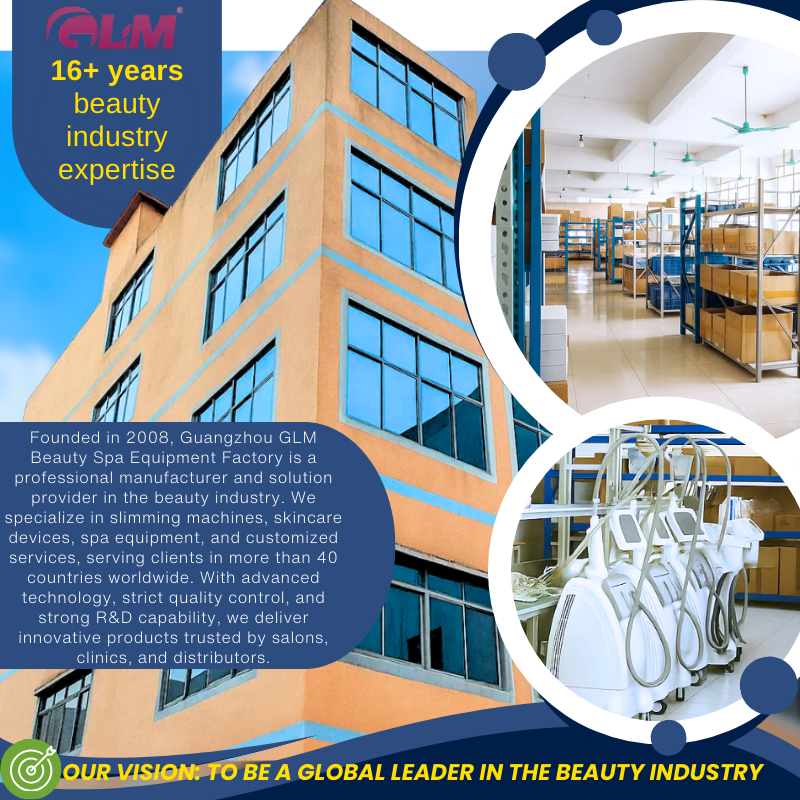
Founded in 2008, Guangzhou GLM Beauty Spa Equipment Factory specializes in research, development, manufacture and selling of beauty and slimming machines. Our production base is located in Guangzhou City, Guangdong Province, China. Since our foundation, we have introduced advanced technologies and equipment, to assure high quality and high performance of our products. With professional marketing guide and excellent after-sales service, our products have been exported to over 20 countries and regions, including Southeast Asia, the Middle East, Europe and the United States, won worldwide praises and gained a good reputation