
Pressotherapy vs Vibration: Which Is Best for Lymphatic Drainage?
Introduction
When it comes to maintaining a healthy body, proper lymphatic drainage is essential. The lymphatic system plays a crucial role in eliminating toxins, waste, and excess fluid from our bodies. Two popular methods for promoting lymphatic drainage are pressotherapy and vibration therapy. In this blog post, we will explore the differences between the two and determine which one is best for achieving optimal lymphatic health.
Understanding Lymphatic Drainage
Before embarking on the intricate details of pressotherapy and vibration therapy, it is paramount to grasp the fundamental importance of lymphatic drainage. The lymphatic system, a complex network of vessels, tissues, and organs, serves a vital role in maintaining the body's homeostasis.
The Lymphatic System at a Glance
The lymphatic system is a series of interconnected vessels that run throughout the body, much like the circulatory system. However, unlike the circulatory system, which primarily pumps oxygenated blood to various organs, the lymphatic system's primary function is to transport lymph fluid.
The Role of Lymph Fluid
Lymph fluid is a colorless, watery substance that bathes the cells of the body. It is rich in proteins, white blood cells, and other essential nutrients. As it flows through the lymphatic vessels, it collects waste products, toxins, and excess fluids from the surrounding tissues.
The Importance of Lymphatic Drainage
The lymphatic system relies on the contraction of muscles and the action of valves within the lymphatic vessels to propel the lymph fluid forward. This process, known as lymphatic drainage, is crucial for eliminating harmful substances from the body.
Consequences of Poor Lymphatic Drainage
When lymphatic drainage is impaired, the body is unable to effectively eliminate waste products and toxins. This can lead to a range of health issues, including:
- Swelling (Edema): Accumulation of excess fluid in the tissues, often resulting in puffiness and discomfort.
- Cellulite: A dimpled, uneven skin texture caused by the trapping of fat cells beneath the skin.
- Immune System Dysfunction: As the lymphatic system plays a crucial role in immune function, poor drainage can lead to decreased resistance to infections and other diseases.
- Chronic Diseases: Over time, the accumulation of toxins and waste products can contribute to the development of chronic diseases such as cardiovascular disease, diabetes, and cancer.
Understanding the significance of lymphatic drainage and its role in maintaining optimal health is crucial for anyone seeking to improve their overall well-being.

Pressotherapy for Lymphatic Drainage
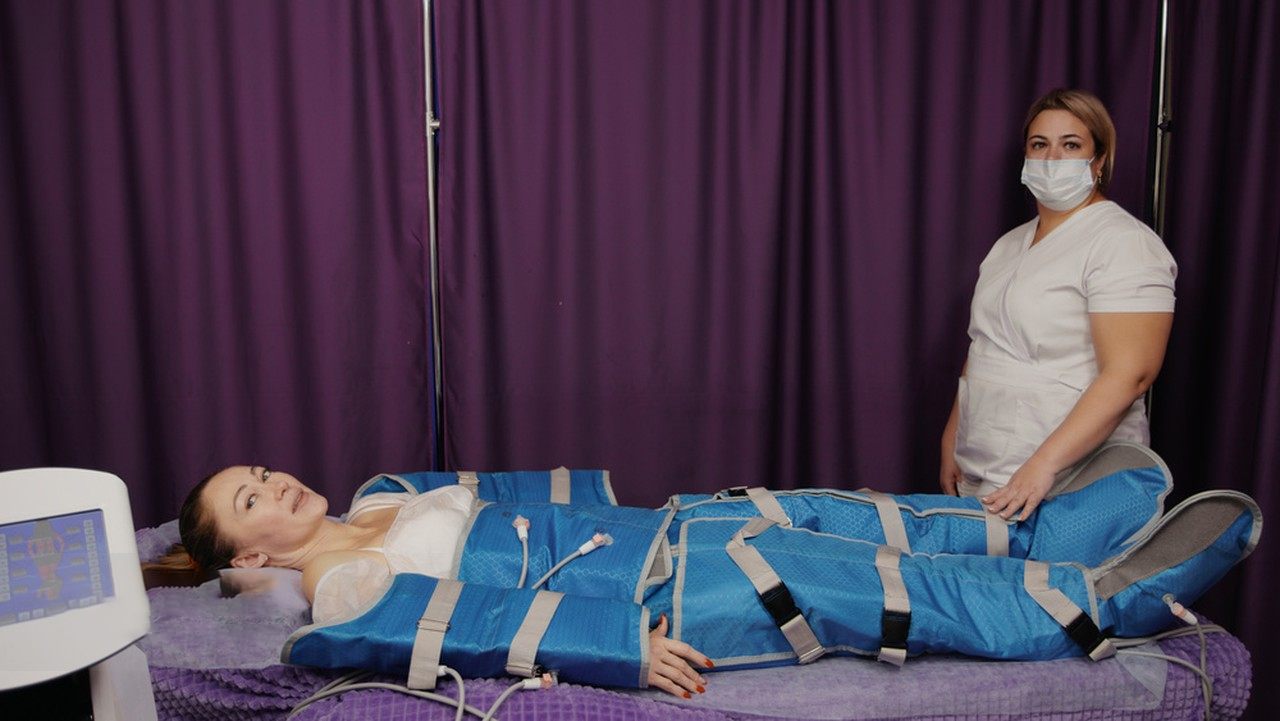
Pressotherapy is a non-surgical, non-invasive therapeutic technique that offers significant benefits for lymphatic drainage. It utilizes specialized sleeves or boots connected to a pressotherapy machine to apply controlled air pressure on targeted areas of the body.
How Pressotherapy Works
The process begins with the application of the sleeves or boots on the desired limb. These sleeves are made of flexible, elastic material that conforms to the contours of the body. Once in place, the sleeves are connected to the pressotherapy machine, which is programmed to apply rhythmic compression and decompression cycles.
The compression phase involves the gradual application of pressure, starting from the distal (farthest from the body's center) parts of the limb and moving towards the proximal (closer to the body's center) areas. This sequential application of pressure helps to push the lymph fluid towards the lymph nodes, where it is filtered and eliminated from the body.
The decompression phase follows the compression, allowing the sleeves to relax and release the pressure. This rhythmic compression and decompression cycle stimulates the lymphatic system, enhancing circulation and promoting the elimination of waste and toxins.
The Benefits of Pressotherapy
One of the significant benefits of pressotherapy is its ability to target specific areas affected by lymphatic congestion. Whether it's the legs, arms, or other parts of the body, pressotherapy can be customized to focus on the areas that need lymphatic support.
By applying pressure sequentially from the distal to the proximal parts of the limb, pressotherapy enhances lymph flow and reduces swelling. This helps to alleviate discomfort and improve the overall function of the lymphatic system.
Pressotherapy machines come with various features that allow for customization based on individual needs. Adjustable pressure settings allow the therapist to adjust the intensity of the treatment based on the patient's comfort level and specific condition. Programmable sequences allow for the creation of customized treatment plans that can be repeated over multiple sessions.
Scientific studies have shown the effectiveness of pressotherapy in enhancing lymphatic drainage and reducing fluid retention. It has been used successfully in treating various conditions, including post-surgical swelling, lymphedema, and venous insufficiency.
In conclusion, pressotherapy is a safe, effective, and non-invasive treatment that offers significant benefits for lymphatic drainage. Its ability to target specific areas, enhance lymph flow, and reduce swelling makes it a popular choice for individuals seeking lymphatic support.
Vibration for Lymphatic Drainage
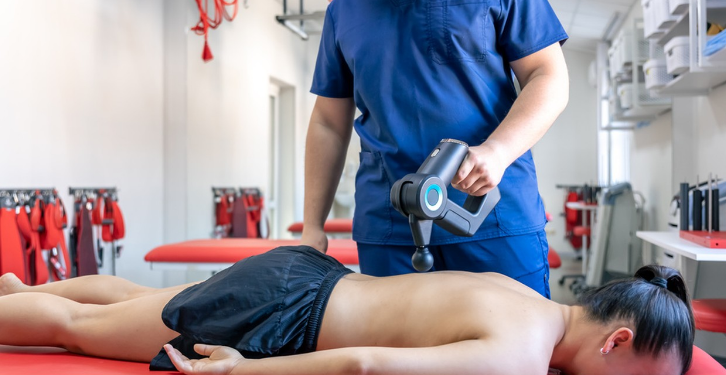
Vibration therapy is a unique and effective approach to promoting lymphatic drainage. This method utilizes a vibration machine that generates oscillating vibrations, which are transferred to the body through a platform or handheld device. Let's explore the workings and benefits of vibration therapy for lymphatic health in more depth.
How Vibration Therapy Works
During a vibration therapy session, the individual stands or sits on the vibration platform, or holds the handheld device. The machine generates gentle to intense vibrations that are transmitted to the body. These vibrations stimulate the muscles, causing them to contract and relax rapidly.
This rapid muscle movement is crucial for lymphatic drainage. As the muscles contract and relax, they act as a pump, pushing lymph fluid through the lymphatic vessels. This improves lymphatic circulation and promotes the flow of lymph fluid throughout the body.
Customizable Settings for Targeted Results
Vibration machines offer a range of adjustable settings, including different frequencies and amplitudes. These settings can be tailored to target specific areas of the body and achieve desired results.
By increasing the frequency and amplitude of the vibrations, you can intensify the muscle contractions and enhance lymphatic drainage. Conversely, lower settings may be more suitable for individuals who are new to vibration therapy or have specific health considerations.
The Benefits of Vibration Therapy
Vibration therapy offers a broad range of benefits beyond lymphatic drainage. Here are some of the key benefits:
- Enhanced Lymphatic Drainage: As discussed, the rapid muscle contractions promote the flow of lymph fluid and improve lymphatic circulation. This helps to remove waste products and toxins from the body.
- Muscle Strengthening: Vibration therapy can also strengthen muscles by stimulating muscle fibers and promoting muscle growth.
- Improved Balance: The vibrations challenge the body's balance mechanisms, helping to improve balance and coordination.
- Pain Reduction: Vibration therapy can reduce pain by relaxing tight muscles, improving circulation, and reducing inflammation.
- Increased Bone Density: Some studies have found that vibration therapy can increase bone density and help prevent osteoporosis.
Versatility for Various Fitness and Wellness Purposes
Vibration therapy is a versatile tool that can be used for various fitness and wellness purposes. Whether you're aiming to improve lymphatic drainage, enhance muscle strength, or reduce pain, vibration therapy can provide targeted benefits.
It's important to note that vibration therapy should be used with caution and under the supervision of a trained professional. Individuals with certain health conditions may need to avoid or modify the therapy.
In conclusion, vibration therapy is a powerful approach to promoting lymphatic drainage and overall wellness. By understanding its workings and benefits, you can utilize this therapy to achieve your health and fitness goals.

Pressotherapy vs Vibration: A Comparative Analysis
When it comes to improving lymphatic drainage, both pressotherapy and vibration therapy have their unique advantages. However, a closer look reveals significant differences in technology, methodology, targeted areas, and the range of benefits they offer. Here's a detailed comparison of these two approaches:
1. Technology and Methodology
Pressotherapy:
Pressotherapy utilizes controlled air pressure to apply compression and decompression on specific areas of the body. The treatment involves wearing airtight garments that are connected to a compressor. The compressor inflates and deflates the garments in a cyclical pattern, applying pressure to the limbs or other targeted areas. This pressure helps to push lymph fluid through the lymphatic vessels, improving circulation and reducing congestion.
Vibration Therapy:
On the other hand, vibration therapy utilizes oscillating vibrations to stimulate muscle contraction and relaxation. The vibrations are generated by a vibration machine, which can be a platform or a handheld device. As the individual stands or sits on the platform or holds the device, the vibrations are transmitted to the body, causing the muscles to contract and relax rapidly. This muscle movement helps to improve lymphatic circulation by promoting the flow of lymph fluid throughout the body.
2. Targeted Areas
Pressotherapy:
Pressotherapy is primarily targeted at the limbs, especially the legs and arms. It is commonly used to treat conditions such as lymphedema, which often affects the extremities. The airtight garments can be adjusted to focus on specific areas affected by lymphatic congestion.
Vibration Therapy:
Vibration therapy, on the other hand, can be used on various parts of the body. While it is effective on the limbs, it can also target the spine, face, and other areas. The versatility of vibration therapy allows it to be tailored to the individual's needs and specific health goals.
3. Additional Benefits
Pressotherapy:
While pressotherapy's primary focus is on lymphatic drainage and reducing swelling, it can also provide some additional benefits. The compression and decompression process helps to improve circulation and reduce inflammation, which can alleviate pain and discomfort.
Vibration Therapy:
Vibration therapy offers a wider range of benefits beyond lymphatic drainage. As mentioned earlier, it can enhance muscle strength, improve balance, reduce pain, and increase bone density. These additional benefits make vibration therapy a versatile tool that can be used for various fitness and wellness purposes.
In conclusion, both pressotherapy and vibration therapy are effective ways to improve lymphatic drainage. However, their differences in technology, methodology, targeted areas, and range of benefits make them suitable for different individuals and specific health goals. It's important to consult with a healthcare professional to determine which approach is best for you.
Choosing the Best Option
When faced with the decision of whether to choose pressotherapy or vibration therapy, there are several key factors that one must consider carefully. Here's a detailed breakdown of the main considerations to make when making this choice:
1. Individual Needs and Goals
The first and foremost step is to assess your individual needs and goals. Consider the areas of your body that you wish to target for lymphatic drainage. If you're specifically looking to address lymphatic congestion in the limbs, pressotherapy might be the ideal choice as it is tailored for such targeted treatment. On the other hand, if you're seeking a broader range of benefits including muscle strength, balance improvement, pain reduction, and bone density enhancement, vibration therapy could be a better fit.
Additionally, think about any additional health concerns you may have. Some individuals may benefit more from pressotherapy due to conditions such as lymphedema or venous insufficiency, while others may find vibration therapy more beneficial for issues like chronic pain or muscle weakness.
2. Budget
Another important factor to consider is your budget. Both pressotherapy and vibration therapy require specific equipment, and the cost of the machines can vary significantly. Pressotherapy machines tend to be more specialized and thus, may be priced higher. On the other hand, vibration therapy machines range widely in price, with some affordable options available for home use.
Moreover, you'll also need to factor in any additional expenses such as maintenance costs, replacement parts, and accessories. It's essential to ensure that you can comfortably afford the initial investment as well as ongoing expenses related to the chosen treatment method.
3. Convenience
Convenience is another crucial aspect to consider. Think about the ease of use and accessibility of the treatment method you choose. If you prefer to have treatments administered by a professional, you'll need to find a facility that offers pressotherapy or vibration therapy sessions. Consider the location of these facilities, their availability, and whether they fit into your schedule.
On the other hand, if you're interested in having the flexibility to perform treatments at home, you'll need to invest in the necessary equipment. Ensure that the machine you choose is user-friendly and easy to set up. Additionally, consider the space requirements and whether you have a suitable area in your home to perform the treatments.
Consult with a Healthcare Professional or Wellness Expert
Finally, it's always advisable to consult with a healthcare professional or wellness expert before making a decision. They can provide you with personalized advice based on your individual needs, goals, and health status. They can also help you understand the potential risks and benefits of each treatment method and guide you in selecting the best option for your unique situation.
Conclusion
In conclusion, both pressotherapy and vibration therapy offer effective ways to promote lymphatic drainage and improve overall health. Pressotherapy is a focused and targeted approach, primarily designed for lymphatic support, while vibration therapy is a versatile method with a broader range of benefits. By understanding the differences between these two techniques and considering individual circumstances, you can make an informed decision and choose the best option for achieving optimal lymphatic function. Remember, maintaining a healthy lymphatic system is vital for overall well-being and vitality.