Introduction
Acne is one of the most common skin concerns worldwide, affecting teenagers and adults alike. While many people rely on over-the-counter skincare products or home beauty devices, persistent acne often requires a more comprehensive and professional treatment approach.
Modern aesthetic clinics and beauty salons have access to advanced technologies that address acne from multiple angles. Instead of simply drying out pimples or temporarily reducing inflammation, professional treatments focus on controlling excess sebum, eliminating acne-causing bacteria, reducing inflammation, improving skin healing, and minimizing post-acne scarring.
As aesthetic technology continues to evolve, professional equipment has become an essential part of acne management. Devices using light energy, radio frequency, plasma technology, hydradermabrasion, and oxygen infusion provide practitioners with effective, non-invasive solutions that can be customized for different skin conditions.
This article explains the most widely used professional acne treatment methods, how they work, who they are suitable for, and why professional equipment has become increasingly important in modern acne care.
Understanding Acne: Why Simple Skincare Is Often Not Enough
Many people think acne is simply caused by dirty skin. In reality, acne is a complex inflammatory skin condition involving multiple biological factors.
Professional practitioners usually evaluate several contributing causes before selecting a treatment protocol, including:
- Excessive sebum production
- Follicular hyperkeratinization
- Cutibacterium acnes bacterial proliferation
- Chronic inflammation
- Hormonal fluctuations
- Genetics
- Stress
- Diet and lifestyle factors
Because these factors often interact simultaneously, relying on a single cleansing product rarely delivers lasting improvement.
For example, an oily teenager with inflammatory acne requires a different treatment plan than an adult experiencing hormonal acne with sensitive skin. Likewise, acne accompanied by enlarged pores, pigmentation, or acne scars often benefits from combination therapies rather than one standalone procedure.
This is why professional consultations and diagnostic equipment have become increasingly valuable. High-definition skin analyzers can assess oil levels, pore conditions, bacterial activity, hydration, and inflammation before treatment begins, allowing practitioners to create more personalized treatment plans.
Common Professional Acne Treatment Methods
Modern clinics rarely depend on one treatment alone. Instead, experienced practitioners combine multiple technologies according to acne severity, skin sensitivity, and treatment goals.
Below are some of the most widely adopted professional approaches.
1. Deep Cleansing and Hydradermabrasion
Hydradermabrasion systems gently exfoliate dead skin cells while simultaneously cleansing pores and infusing nourishing serums into the skin.
Unlike aggressive manual extraction, hydradermabrasion helps:
- Remove excess oil
- Eliminate surface debris
- Clear congested pores
- Improve serum penetration
- Prepare the skin for subsequent treatments
For patients with mild acne or oily skin, this treatment is often used as the first step in a comprehensive acne management program.
2. Blue Light Therapy
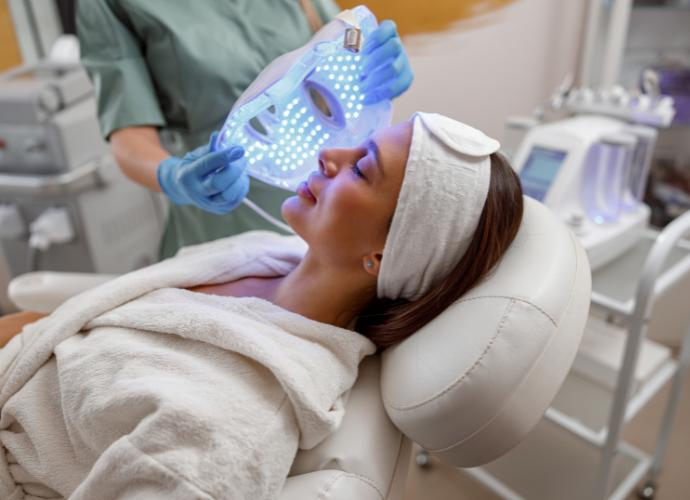
Blue LED light has become one of the most recognized technologies for acne treatment.
Specific wavelengths penetrate the skin and target acne-causing bacteria without damaging surrounding tissue.
Its primary benefits include:
- Reducing bacterial populations
- Calming inflammation
- Preventing new breakouts
- Supporting overall skin recovery
Because blue light treatment is gentle and non-invasive, it is commonly combined with cleansing procedures or soothing facial treatments.
3. Red Light Therapy
While blue light focuses on bacteria, red light works differently.
It stimulates cellular repair and encourages healthier tissue regeneration by improving microcirculation and collagen activity.
Benefits include:
- Faster healing
- Reduced redness
- Improved post-acne recovery
- Better skin barrier function
Clinics frequently combine blue and red light during the same session to achieve both antibacterial and regenerative effects.
4. Oxygen Infusion Therapy
Inflamed acne-prone skin often suffers from impaired healing and weakened skin barriers.
Professional oxygen infusion devices deliver highly concentrated oxygen together with customized serums directly onto the skin surface.
The treatment aims to:
- Improve skin oxygenation
- Support healing
- Reduce irritation
- Increase hydration
- Enhance post-treatment recovery
Many clinics include oxygen therapy after deep cleansing or light-based treatments to improve patient comfort while accelerating recovery
5. Radio Frequency (RF) Therapy
Radio Frequency (RF) technology is best known for skin tightening and collagen stimulation, but it also plays a supportive role in professional acne management, particularly for clients dealing with acne scars, enlarged pores, and uneven skin texture after active breakouts have been controlled.
RF devices deliver controlled thermal energy into the deeper layers of the skin while protecting the epidermis. This gentle heating process stimulates fibroblast activity, encourages collagen remodeling, and promotes healthier tissue regeneration.
Professional practitioners often recommend RF treatments to help:
- Improve mild to moderate acne scars
- Refine enlarged pores
- Enhance overall skin texture
- Stimulate collagen production
- Support long-term skin remodeling
Unlike treatments designed to eliminate acne-causing bacteria directly, RF focuses on restoring skin quality after inflammation. For this reason, it is commonly incorporated into the later stages of an acne treatment program rather than during severe active inflammatory acne.
Modern professional RF systems also allow practitioners to adjust energy levels based on skin sensitivity, treatment area, and desired outcomes, making the procedure suitable for a wide range of skin types.
6. High Frequency Therapy
High Frequency Therapy has remained a popular treatment in aesthetic clinics for decades due to its simplicity, safety, and effectiveness as an adjunctive acne treatment.
The device generates a mild electrical current through a glass electrode filled with inert gas. When applied to the skin, it produces a small amount of ozone, creating an environment that is less favorable for acne-causing bacteria.
Its benefits include:
- Helping reduce surface bacteria
- Calming inflamed blemishes
- Supporting post-extraction care
- Improving local circulation
- Promoting faster healing
Because High Frequency Therapy is quick and non-invasive, many estheticians perform it immediately after deep cleansing or manual extractions to minimize irritation and reduce the risk of secondary infection.
7. Plasma Technology
Plasma technology has gained increasing attention in professional aesthetic medicine due to its versatility and precision.
Cold plasma devices generate ionized gas that interacts with the skin surface without causing excessive thermal damage. Research and clinical practice suggest that plasma technology can help reduce microbial activity while supporting wound healing and tissue regeneration.
For acne-prone skin, plasma treatments may help:
- Reduce bacterial contamination
- Calm localized inflammation
- Support skin repair
- Improve recovery after extractions
- Enhance overall skin condition
Compared with more aggressive procedures, plasma therapy usually involves minimal downtime, making it attractive for clients seeking effective yet gentle treatment options.
8. Professional Chemical Peels
Chemical peels remain one of the most effective complementary treatments for acne management.
Unlike home exfoliating products, professional peels are carefully selected according to the client's skin type, acne severity, and tolerance.
Common acids include:
- Salicylic Acid
- Glycolic Acid
- Mandelic Acid
- Lactic Acid
These formulations help:
- Dissolve excess keratin
- Unclog pores
- Reduce oil accumulation
- Accelerate cell turnover
- Improve post-inflammatory pigmentation
Professional practitioners carefully control acid concentration, exposure time, and neutralization to maximize benefits while minimizing irritation.
When combined with advanced aesthetic devices, chemical peels often produce better overall outcomes than either treatment alone.
Why Combination Therapy Produces Better Results
Modern acne treatment no longer relies on a single technology.
Instead, professional clinics increasingly adopt combination therapy, integrating multiple treatment modalities into one personalized protocol.
A typical treatment plan may include:
- Digital skin analysis
- Deep cleansing with hydradermabrasion
- Gentle extractions if necessary
- Blue light antibacterial therapy
- Red light skin recovery
- Oxygen infusion
- High Frequency Therapy
- Home skincare recommendations
Each procedure addresses a different aspect of acne development rather than focusing on only one symptom.
This comprehensive strategy often improves treatment efficiency while reducing recurrence.
Additionally, practitioners can modify treatment frequency and energy settings based on individual skin responses throughout the treatment course, making professional care significantly more personalized than standardized home routines.
Professional Equipment vs. Home Beauty Devices
Home-use acne devices have become increasingly popular in recent years. They offer convenience and affordability for routine maintenance.
However, professional equipment provides several important advantages.
Higher Energy Output
Clinical systems generally deliver stronger and more stable energy, allowing treatments to penetrate more effectively while remaining under professional supervision.
Multiple Technologies in One Platform
Many professional aesthetic systems combine several treatment functions within one machine, enabling practitioners to customize every session without switching between multiple standalone devices.
Professional Skin Assessment
Experienced practitioners evaluate acne severity, skin sensitivity, medical history, and treatment goals before selecting the most appropriate protocol.
This level of assessment is difficult to achieve with home devices alone.
Better Safety Control
Professional operators understand treatment parameters, contraindications, sanitation procedures, and post-treatment care, reducing the likelihood of complications.
More Consistent Results
Because treatments are tailored and performed with medical-grade equipment, clients often experience more predictable improvements over a structured treatment program.
Although home devices may support daily maintenance, they generally cannot replace the precision, power, and customization available in professional aesthetic environments
Applications and Client Needs
Acne affects individuals differently, which is why professional treatment should never follow a one-size-fits-all approach. A comprehensive consultation allows practitioners to identify the underlying causes, evaluate skin condition, and recommend the most appropriate combination of technologies.
Below are some common client profiles and the professional treatment strategies that may be recommended.
Mild Comedonal Acne
Clients with blackheads, whiteheads, clogged pores, and excessive oil production often benefit from treatments that emphasize deep cleansing and exfoliation.
A typical protocol may include:
- Digital skin analysis
- Hydradermabrasion
- Gentle chemical peel
- Blue LED light therapy
- Customized skincare recommendations
The primary goals are to keep pores clear, regulate sebum production, and reduce the likelihood of future breakouts.
Moderate Inflammatory Acne
When acne becomes inflamed, painful, or widespread, treatment focuses on reducing bacteria and calming the inflammatory response while protecting the skin barrier.
Common professional procedures include:
- Deep cleansing
- Blue light therapy
- Red light therapy
- Oxygen infusion
- High Frequency Therapy
These technologies work together to decrease inflammation, promote healing, and improve overall skin comfort.
Adult Hormonal Acne
Hormonal acne frequently appears along the jawline and chin and is common among adults. Because hormonal fluctuations cannot be corrected by aesthetic devices alone, professional treatment usually combines skincare support with technologies that reduce inflammation and improve skin recovery.
Recommended approaches may include:
- Skin analysis
- Hydradermabrasion
- LED light therapy
- Oxygen infusion
- Maintenance treatments at regular intervals
Clients are often advised to work with healthcare professionals if hormonal imbalances require medical evaluation.
Acne with Post-Inflammatory Hyperpigmentation
Even after acne has healed, many clients remain concerned about dark spots and uneven skin tone.
Professional treatment may combine:
- Gentle chemical peels
- Red light therapy
- Radio Frequency (RF)
- Brightening serums delivered through infusion technologies
The objective is to encourage healthy skin renewal while minimizing irritation.
Acne Scars and Uneven Skin Texture
For clients whose active acne has largely resolved, improving the skin's surface becomes the next priority.
Professional clinics may recommend:
- Radio Frequency treatments
- Plasma technology
- Collagen-stimulating procedures
- Skin remodeling programs
Because collagen regeneration takes time, noticeable improvements generally occur gradually over multiple treatment sessions.
Why Professional Equipment Continues to Shape Modern Acne Care
The aesthetic industry has experienced significant technological advancement over the past decade. Today's professional devices are no longer designed to perform only one function. Instead, they integrate multiple treatment technologies into comprehensive platforms that support practitioners in delivering personalized care.
For clinics and beauty salons, multifunctional systems provide several operational advantages:
- Greater treatment flexibility
- Higher service efficiency
- Broader treatment capabilities
- Improved client satisfaction
- Better return on equipment investment
Rather than purchasing separate machines for cleansing, light therapy, oxygen infusion, or skin rejuvenation, many clinics now choose integrated systems that streamline workflow while expanding treatment options.
This trend also benefits clients. A customized treatment plan can be adjusted throughout the course of care, allowing practitioners to respond to changes in the skin and optimize long-term outcomes.
As client expectations continue to rise, professional equipment is becoming an increasingly important component of comprehensive acne management—not simply because it offers advanced technology, but because it enables safer, more personalized, and more consistent treatments.
Conclusion
Successful acne treatment requires more than simply treating visible blemishes. Because acne is influenced by excess oil production, bacterial activity, inflammation, skin barrier function, and individual biological factors, effective management often involves multiple complementary therapies.
Professional aesthetic equipment has transformed the way clinics approach acne care by combining advanced technologies such as hydradermabrasion, LED light therapy, oxygen infusion, plasma technology, Radio Frequency, High Frequency Therapy, and skin analysis into customized treatment protocols.
Compared with home-use devices, professional systems offer higher performance, greater treatment precision, and the flexibility to adapt each session to the client's specific skin condition. Under the guidance of trained practitioners, these technologies can help improve treatment efficiency, support skin recovery, and enhance overall client satisfaction.
As aesthetic technology continues to evolve, professional acne treatment will increasingly emphasize personalized care, evidence-based practice, and integrated device solutions. For beauty clinics, medical spas, and aesthetic professionals, investing in advanced equipment is not only a way to expand service offerings but also a long-term strategy for delivering reliable, high-quality skin care outcomes
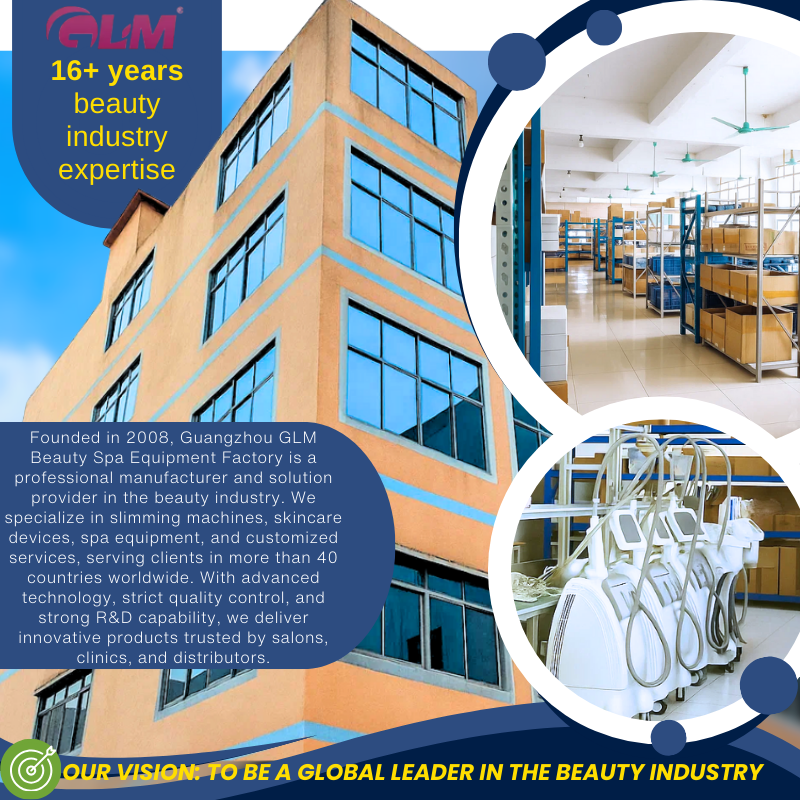
Founded in 2008, Guangzhou GLM Beauty Spa Equipment Factory specializes in research, development, manufacture and selling of beauty and slimming machines. Our production base is located in Guangzhou City, Guangdong Province, China. Since our foundation, we have introduced advanced technologies and equipment, to assure high quality and high performance of our products. With professional marketing guide and excellent after-sales service, our products have been exported to over 20 countries and regions, including Southeast Asia, the Middle East, Europe and the United States, won worldwide praises and gained a good reputation