
Introduction
Skin tightening has become one of the most requested categories in modern aesthetic care. As clients become more interested in non-surgical rejuvenation, beauty clinics and professional aesthetic centers are looking for technologies that can improve skin firmness, elasticity, and visible signs of aging without requiring invasive procedures.
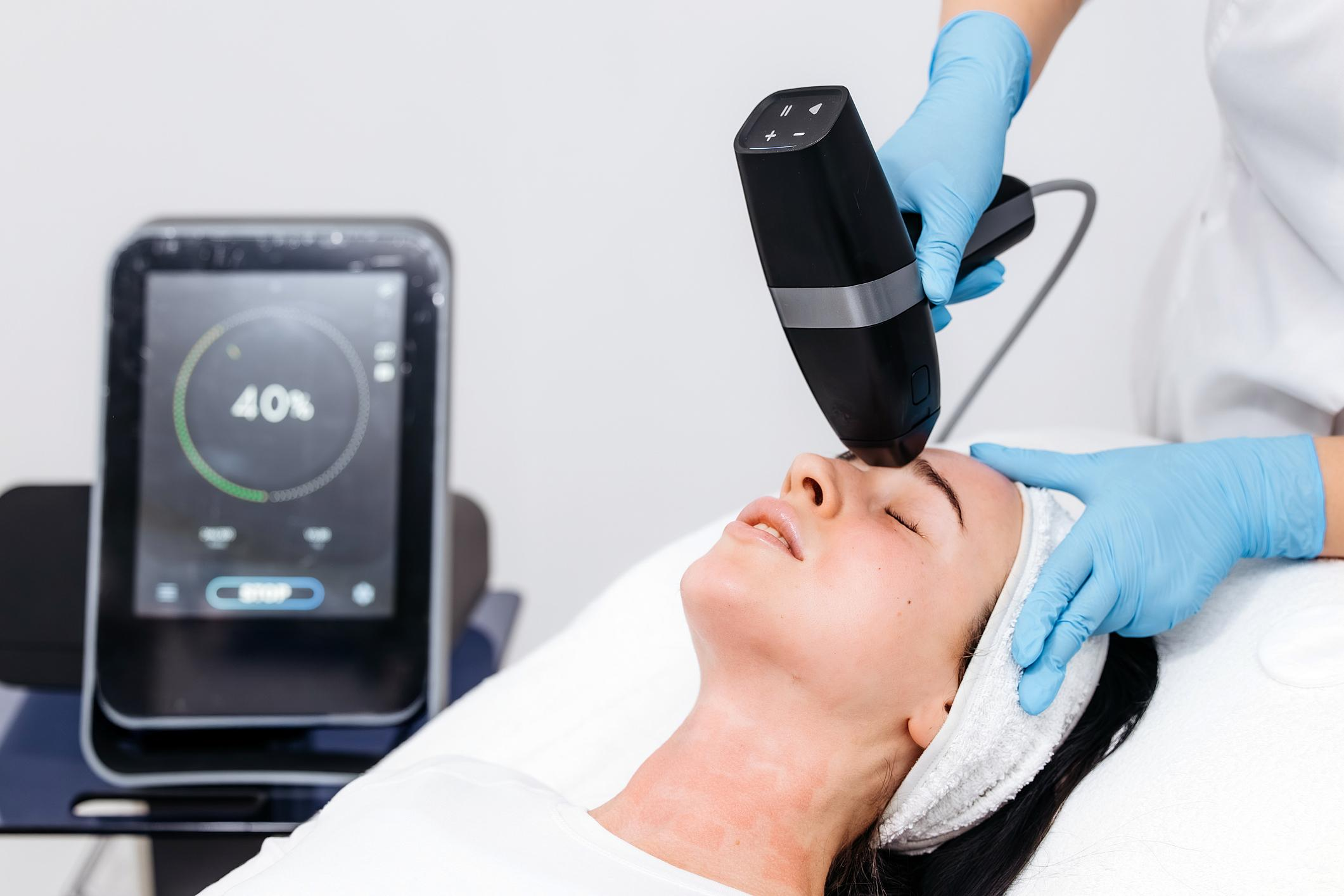
Radio Frequency (RF) skin tightening is one of the technologies that has established an important role in this field. Instead of mechanically pulling the skin or removing its surface layer, RF technology uses controlled electromagnetic energy to generate heat within targeted tissue. This thermal effect can influence collagen structure and stimulate longer-term remodeling. Clinical literature has described RF as a technology capable of heating the dermis while preserving the epidermis, with collagen contraction and subsequent new collagen formation contributing to skin tightening.
For professional beauty salons and aesthetic clinics, the value of RF goes beyond the basic concept of “heating the skin.” Modern RF systems can provide adjustable energy delivery, different handpiece configurations, treatment-area flexibility, and controlled operating parameters. These features allow trained operators to adapt treatments according to the client’s skin condition, treatment area, and desired aesthetic goals.
So, how does RF skin tightening actually work, and why has it become such a practical technology for professional aesthetic treatment?
Background: Why Does Skin Lose Firmness?
Before understanding RF technology, it is useful to understand why skin gradually becomes less firm.
Youthful-looking skin depends partly on its structural support network. Collagen and elastin provide strength, elasticity, and resilience within the dermis. As the skin ages, collagen quantity and organization change, while the overall regenerative process becomes less efficient. These changes contribute to fine lines, reduced elasticity, sagging, and changes in skin texture.
Lifestyle and environmental factors can accelerate visible aging. Sun exposure, oxidative stress, changes in body weight, and natural aging may all influence the appearance of the skin.
Traditional skincare products can support the skin surface, but professional aesthetic treatments can approach the problem from a different perspective. Energy-based technologies are designed to interact with deeper tissue rather than simply sitting on the surface.
This is where RF becomes particularly interesting.
RF treatments are generally considered non-surgical approaches to improving skin laxity and rejuvenation. Clinical reviews have examined different RF systems, including monopolar, bipolar, and multipolar RF, as well as different energy-delivery methods and treatment configurations.
For clinics, this variety is important because not every client has the same skin condition, tissue thickness, or treatment objective
Technology & Mechanism: How Does RF Skin Tightening Work?
1. RF Energy Creates Controlled Thermal Effects
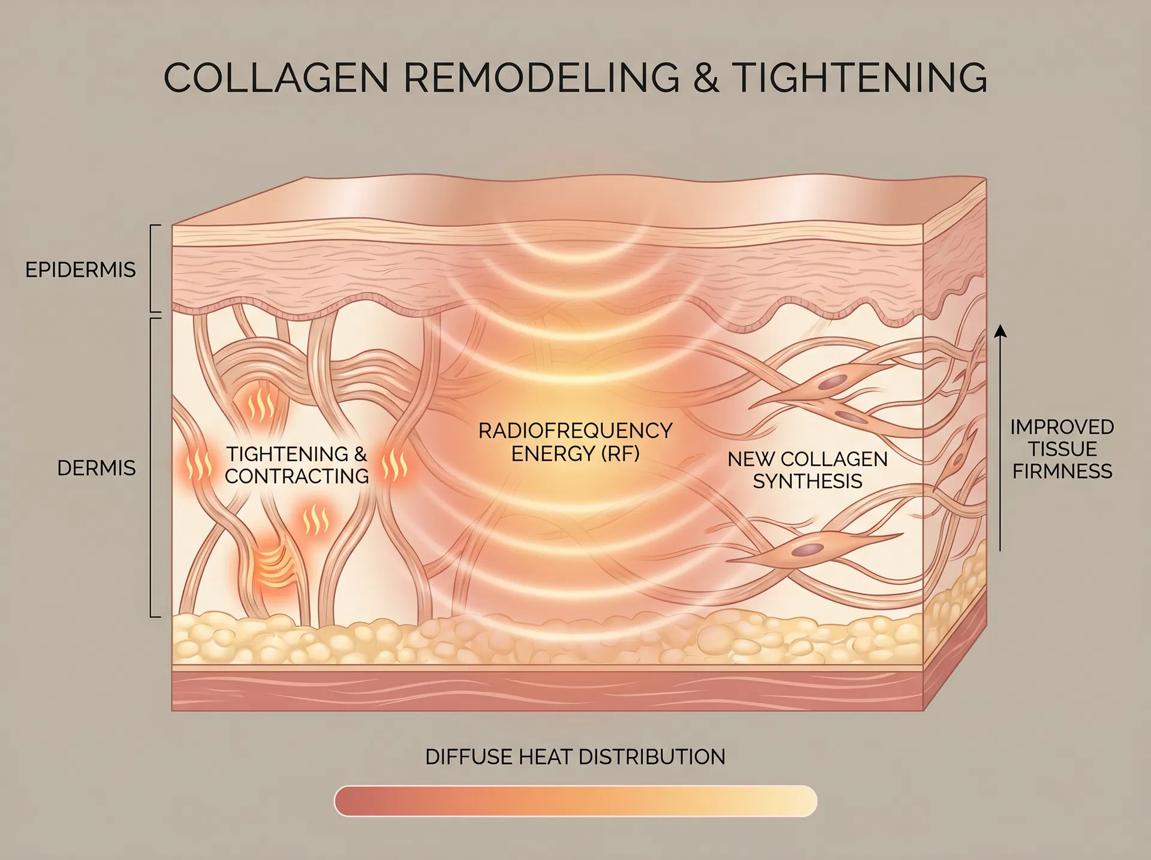
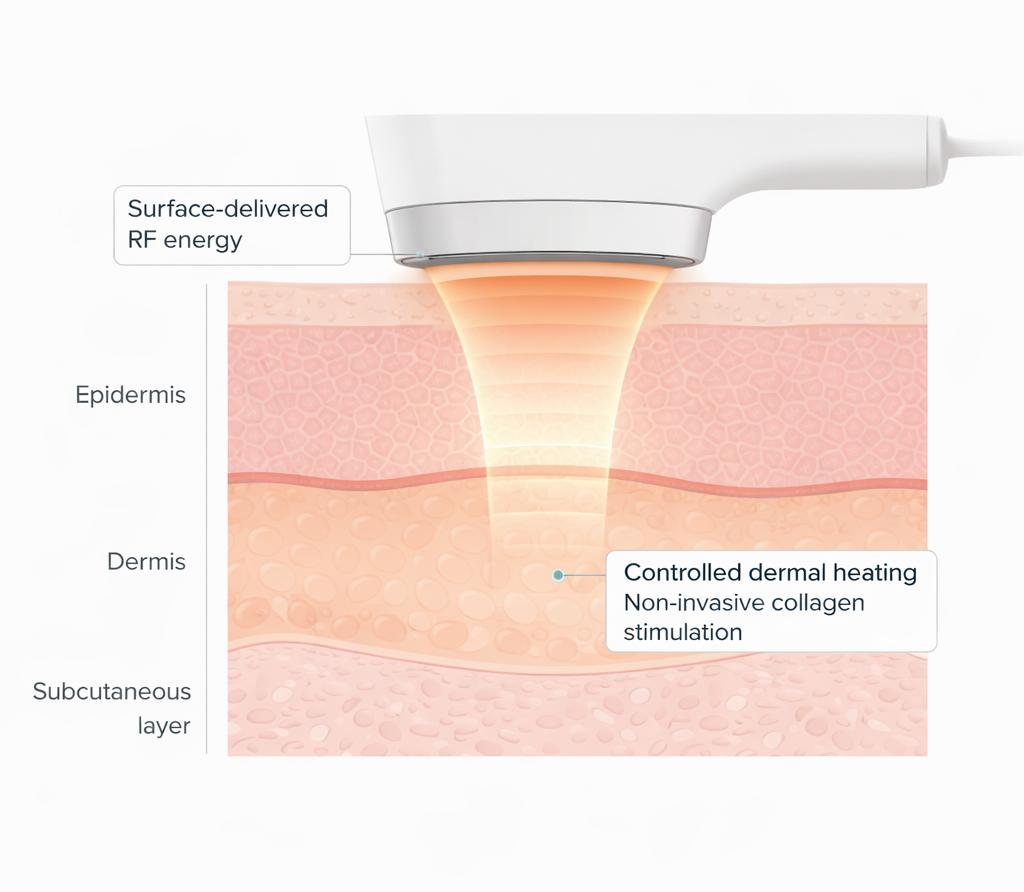
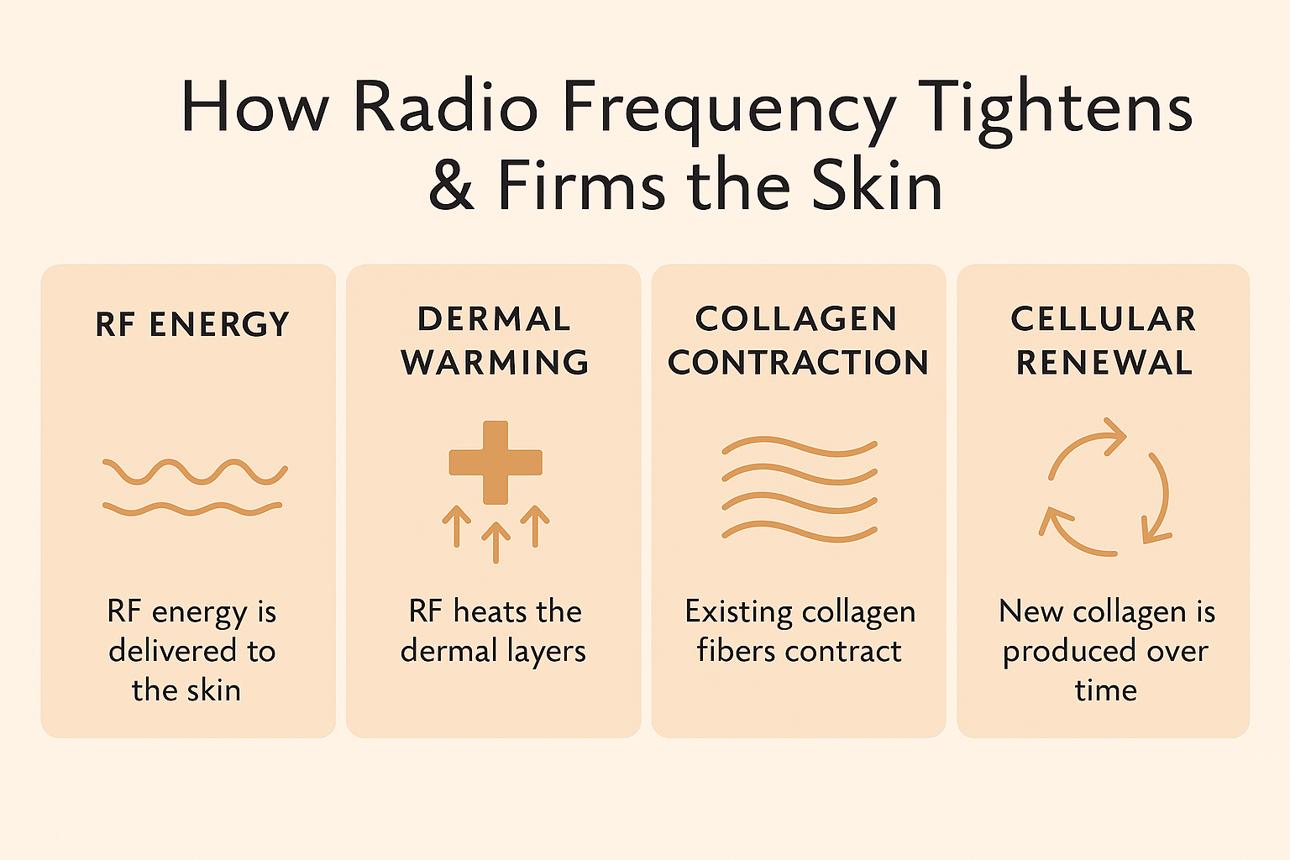
Radiofrequency devices deliver high-frequency electrical energy through an applicator or electrode system. When RF energy interacts with tissue, the electrical resistance of the tissue converts part of that energy into heat.
Unlike many laser technologies that rely on specific chromophores such as melanin or water, RF primarily relies on the electrical properties of tissue. This allows RF systems to approach tissue heating through a different physical mechanism.
The objective of professional RF treatment is not simply to make the skin hot. The key is controlled and appropriate heating.
A professional device therefore needs to provide operators with meaningful control over parameters such as energy level, treatment time, handpiece selection, and—in more advanced systems—temperature or treatment-depth management.
2. Controlled Heat Reaches the Target Tissue
The dermis contains a substantial amount of collagen and other structural components. When RF energy produces controlled heating within the appropriate tissue region, it can affect collagen fibers.
Research reviews describe RF-induced heating as capable of producing collagen contraction and initiating biological remodeling processes.
This helps explain why clients may notice a firmer appearance following treatment, while longer-term improvements can continue as the skin undergoes remodeling.
The exact treatment effect depends on the RF technology, energy parameters, electrode configuration, tissue characteristics, treatment area, and operator technique. Professional RF platforms therefore should not be viewed as simple “heat machines.” The quality of energy delivery and parameter management is central to treatment performance.
3. Collagen Remodeling Supports Longer-Term Improvement
One of the most important concepts behind RF skin tightening is that the visible result is not necessarily limited to the immediate treatment.
The thermal response can affect existing collagen, while the body's natural repair and remodeling processes can contribute to subsequent collagen production and reorganization. Recent literature on monopolar RF describes two relevant mechanisms: immediate collagen structural changes and a longer-term wound-healing response involving fibroblast activity and extracellular-matrix remodeling.
This creates an important distinction:
Immediate effect:
The skin may appear somewhat tighter or firmer after treatment.
Progressive effect:
Collagen remodeling can continue after the treatment session, potentially contributing to gradual improvements in firmness and texture.
For professional clinics, this progressive mechanism is useful when designing treatment programs rather than promising an instant transformation from a single session.
Monopolar, Bipolar and Multipolar RF: What Is the Difference?
Professional RF equipment is available in different configurations, and understanding these categories helps clinics select suitable platforms.
Monopolar RF
Monopolar RF generally uses an active electrode to deliver RF energy into tissue, with the electrical circuit completed through another electrode or return pathway depending on the system design.
It is often associated with deeper tissue heating and is used in various professional skin-tightening applications.
Bipolar RF
Bipolar RF uses two electrodes positioned relatively close to each other. The RF current travels between these electrodes, allowing energy delivery within a more localized treatment region.
This configuration is commonly used in facial and body aesthetic applications where controlled, localized heating is desired.
Multipolar RF
Multipolar systems use multiple electrodes to create a broader RF energy pattern. They can be useful for professional facial and body treatments and may provide operators with additional flexibility when working across different areas.
Importantly, these categories should not be treated as a simple ranking of “best” to “worst.” Different RF configurations are designed around different energy-delivery strategies. Modern professional platforms may also combine technologies or provide multiple handpieces to support different treatment requirements.
Why Professional RF Equipment Matters
For an aesthetic clinic, purchasing an RF device is not simply about adding another machine to the treatment room.
The equipment needs to support consistent, controllable, and repeatable treatment delivery.
Professional systems may provide features such as:
- Adjustable RF energy levels
- Multiple handpiece options
- Facial and body treatment modes
- Temperature monitoring or control
- Treatment timers
- Ergonomic applicator designs
- User-friendly touchscreens
- Preset or customizable treatment protocols
- Different electrode configurations
- Adjustable treatment parameters for different areas
These features can make a meaningful difference to workflow.
For example, the requirements for treating the cheek may differ from those for the neck, abdomen, arms, or thighs. Tissue thickness and treatment goals can vary considerably between body areas. Some professional RF platforms therefore incorporate multiple frequencies or applicators to influence energy penetration and treatment customization.
This is one of the areas where professional equipment can provide advantages over simplified consumer devices: greater treatment flexibility and operator control.
RF Skin Tightening vs. Other Aesthetic Technologies
RF is not the only technology used for skin tightening. Clinics may also offer ultrasound-based treatments, lasers, microneedling, LED therapy, and other energy-based procedures.
The main difference is the physical mechanism.
| Technology | Primary Energy | Typical Aesthetic Focus |
|---|---|---|
| RF | Radiofrequency energy | Skin tightening, firmness, collagen remodeling |
| HIFU / Focused Ultrasound | Ultrasound energy | Targeted tissue heating and lifting |
| Laser | Optical energy | Resurfacing, pigmentation, texture and rejuvenation |
| RF Microneedling | RF + microneedles | Fractional skin remodeling and texture |
| LED | Light energy | Skin-supportive and rejuvenation-focused applications |
RF is particularly attractive when a clinic wants to provide a non-invasive or minimally disruptive approach to improving firmness.
However, “non-invasive” does not mean “risk-free.” Treatment parameters, device design, patient selection, and operator training remain important. The FDA has also issued a safety communication regarding certain uses of RF microneedling, reporting serious complications including burns, scarring, fat loss, disfigurement, and nerve damage.
This distinction is important: RF skin tightening and RF microneedling are not the same treatment category. Clinics should always follow the specific device's intended use, training requirements, contraindications, and local regulations.
Applications & Client Needs
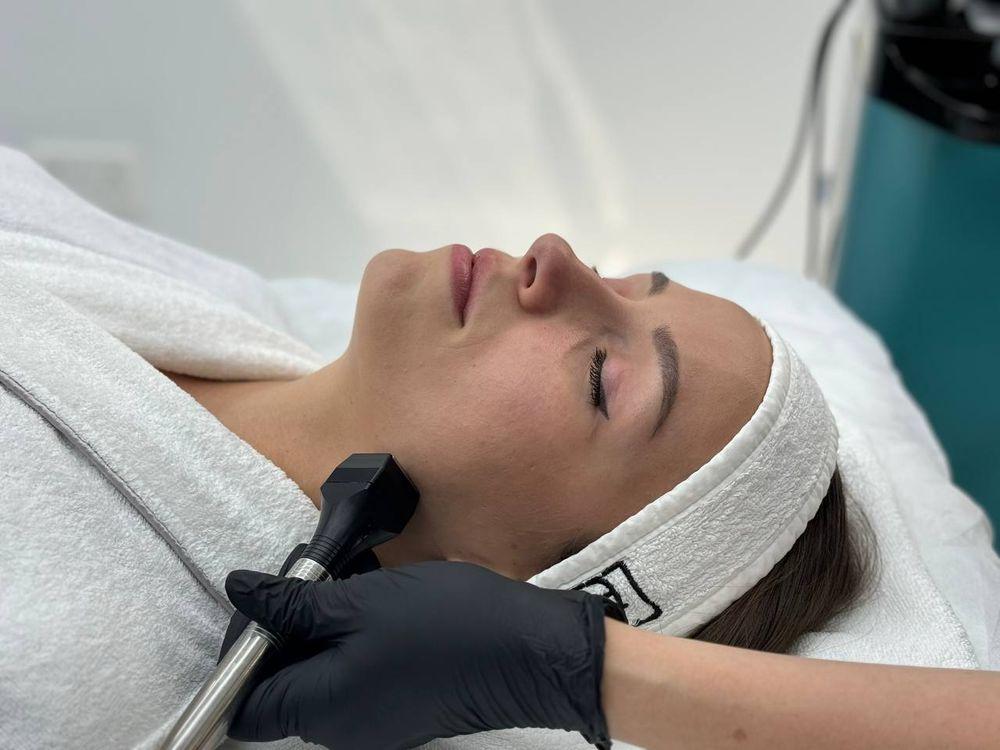
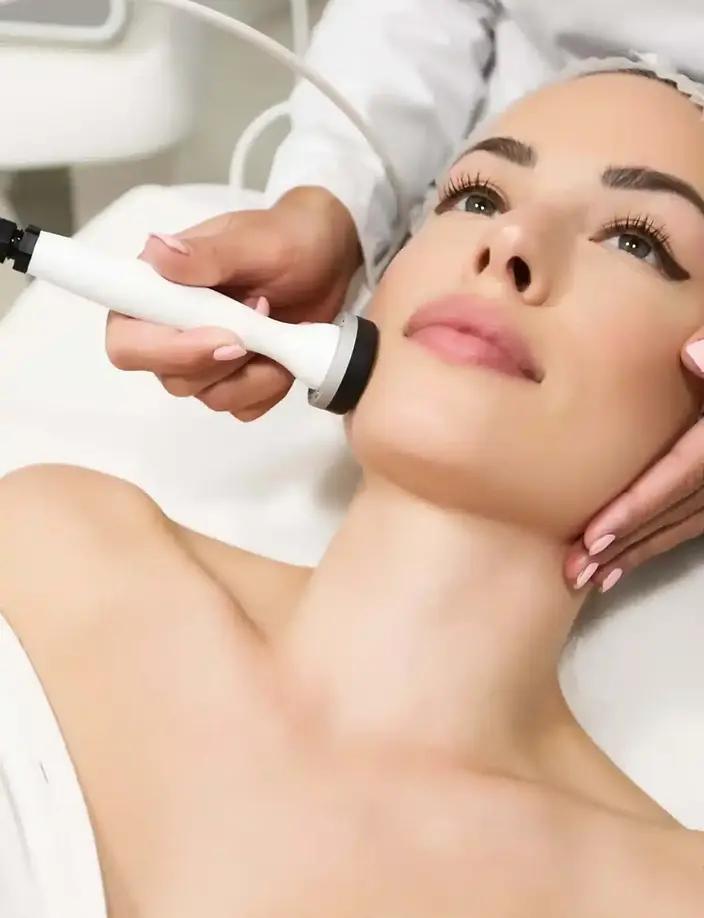
Facial Skin Tightening
Facial rejuvenation is one of the most recognizable applications of RF technology.
Professional operators may use RF treatments as part of programs addressing:
- Mild skin laxity
- Reduced facial firmness
- Fine lines
- Loss of elasticity
- Jawline definition
- Cheek-area firmness
- Neck skin laxity
- Overall skin rejuvenation
For clients who are not ready for surgical procedures, RF can provide a technology-based option positioned between basic skincare and more invasive aesthetic interventions.
Neck and Delicate Areas
The neck is often one of the first areas where changes in skin elasticity become visible.
Because the neck has different anatomical characteristics from the face, professional treatment requires appropriate handpiece selection, movement technique, and energy management.
A clinic equipped with versatile RF technology can incorporate neck treatments into broader facial rejuvenation programs rather than limiting its service offering to the face.
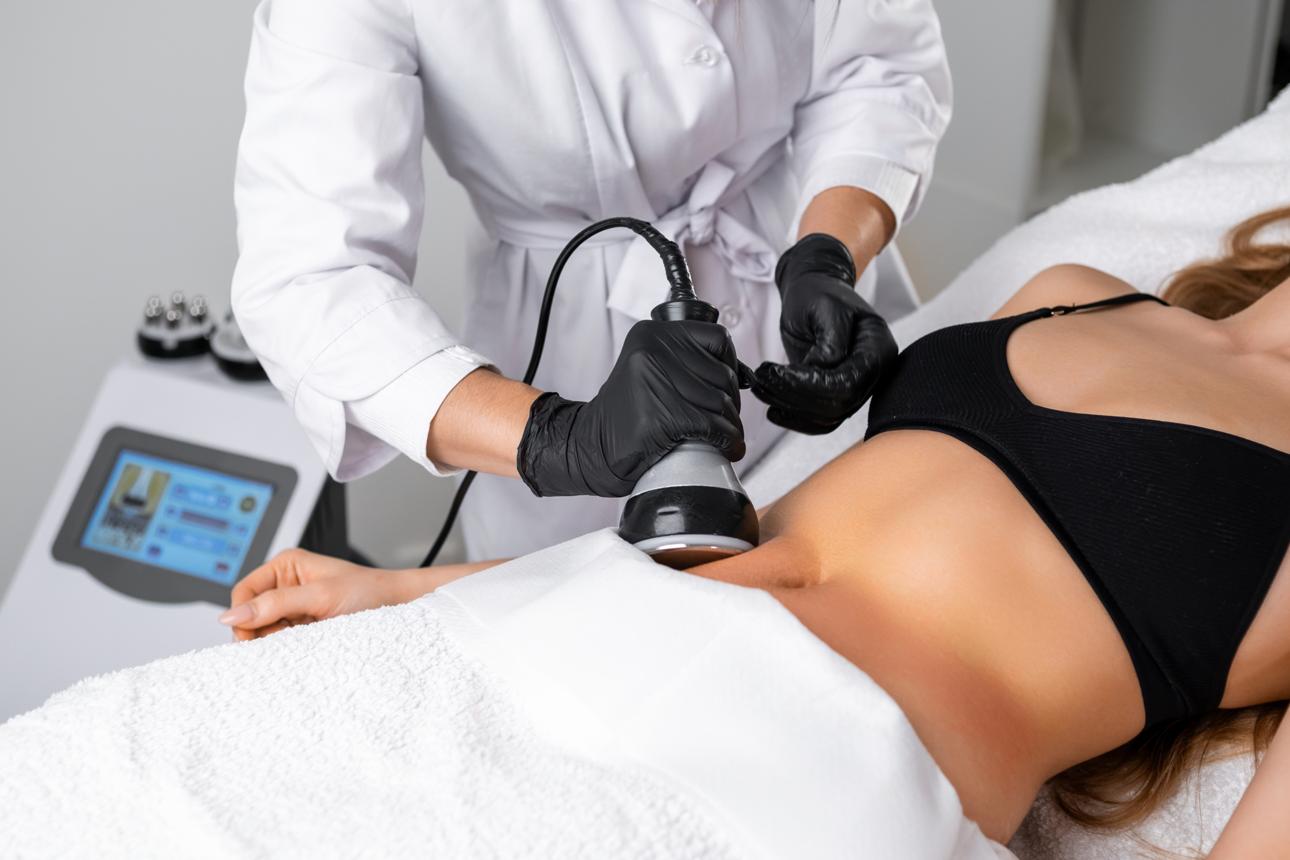
Body Skin Firming
RF technology can also be incorporated into body aesthetic treatments.
Professional RF systems may be used for areas such as:
- Arms
- Abdomen
- Thighs
- Waist
- Buttocks
- Other areas with visible skin laxity
Some RF technologies are also used in body-contouring applications. The FDA notes that certain authorized RF-based body-contouring devices may temporarily improve the appearance of cellulite or reduce circumference in treated areas, and may make skin appear tighter through tissue effects or increased collagen.
The precise indication depends on the individual device and its regulatory authorization, so clinics should avoid treating every RF platform as interchangeable.
How Clinics Can Integrate RF Into Their Service Portfolio
A major advantage of professional RF equipment is its potential to become part of a broader treatment strategy.
Instead of positioning RF as a single-purpose procedure, clinics can incorporate it into structured skin-management programs.
For example:
Consultation → Skin Assessment → RF Treatment → Post-Treatment Care → Follow-Up → Maintenance
During consultation, the operator can assess the client's concerns and determine whether RF is an appropriate option.
During treatment, parameters can be selected according to the treatment area and device protocol.
After treatment, the client can receive appropriate skincare and sun-protection guidance.
At follow-up appointments, the clinic can evaluate visible changes and determine whether additional sessions or another complementary treatment may be appropriate.
This approach turns an individual machine into part of a professional service system.
It can also improve the client experience because customers are not simply purchasing “a machine treatment.” They are receiving a structured aesthetic service delivered by a trained professional.
What Makes a High-Quality RF Skin Tightening Machine?
When clinics evaluate RF equipment, several factors deserve attention.
1. Energy Control
Consistent energy delivery is fundamental. Operators need meaningful adjustment capabilities rather than a one-setting approach.
2. Temperature Management
Because RF depends on controlled thermal effects, temperature monitoring or other thermal-management technologies can contribute to treatment consistency and safety.
3. Handpiece Design
Different treatment areas require different approaches. Ergonomic facial and body handpieces can improve operator control and treatment efficiency.
4. User Interface
A clear touchscreen interface can simplify parameter selection and reduce unnecessary operational complexity.
5. Treatment Versatility
A platform capable of supporting multiple treatment areas can be more valuable to a clinic than a device designed around only one narrow application.
6. Training and Protocols
Even sophisticated hardware depends on proper operation. Professional training, clear protocols, appropriate client selection, and compliance with local regulations remain essential.
For manufacturers and distributors, these factors are also important selling points. Buyers increasingly look beyond the external design of an aesthetic device and evaluate whether the machine can realistically support their treatment workflow and business model.
Conclusion
RF skin tightening is more than simply applying heat to the skin.
Its value comes from controlled radiofrequency energy, tissue heating, collagen contraction, and longer-term remodeling processes that can support improvements in firmness and elasticity. Scientific reviews have identified RF as a useful technology in aesthetic dermatology, while modern systems continue to develop toward greater customization, energy control, and treatment flexibility.
For professional beauty salons and aesthetic clinics, RF technology can provide a versatile addition to facial and body rejuvenation services. With the right equipment, trained operators can tailor treatments to different areas and client needs while creating a more structured, technology-driven treatment experience.
The future of professional skin tightening is unlikely to depend on one universal technology. Instead, clinics will increasingly combine appropriate energy technologies, intelligent device design, customized protocols, and professional expertise to create tre atment programs that match individual client needs.
For clinics looking to expand their non-surgical aesthetic portfolio, a well-designed RF skin tightening machine can therefore be more than another piece of equipment. It can become a practical platform for delivering consistent, customizable, and professional skin rejuvenation services
Founded in 2008, Guangzhou GLM Beauty Spa Equipment Factory specializes in research, development, manufacture and selling of beauty and slimming machines. Our production base is located in Guangzhou City, Guangdong Province, China. Since our foundation, we have introduced advanced technologies and equipment, to assure high quality and high performance of our products. With professional marketing guide and excellent after-sales service, our products have been exported to over 20 countries and regions, including Southeast Asia, the Middle East, Europe and the United States, won worldwide praises and gained a good reputation