
Risks and Side Effects for HIFU Treatments
Introduction
HIFU (High-Intensity Focused Ultrasound) treatments have gained popularity in recent years as a non-invasive procedure for various medical conditions. While HIFU offers promising results, it's crucial to understand the potential risks and side effects associated with this technology. In this blog post, we will delve into the possible drawbacks of HIFU treatments and provide insights on how to manage them effectively.

HIFU Treatment Overview
HIFU (High-Intensity Focused Ultrasound) is a cutting-edge medical procedure that utilizes focused ultrasound waves to precisely heat and destroy targeted tissue within the body. This non-invasive, non-surgical treatment offers a range of benefits and has been effectively used for various applications, including the treatment of prostate cancer, uterine fibroids, and skin tightening.
The Principle of HIFU
The key principle of HIFU lies in its ability to focus ultrasound energy at a specific point within the body. High-frequency ultrasound beams are directed towards the affected area, where they converge and concentrate their energy. This localized heating causes thermal ablation, effectively destroying the targeted tissue.
Procedure Details
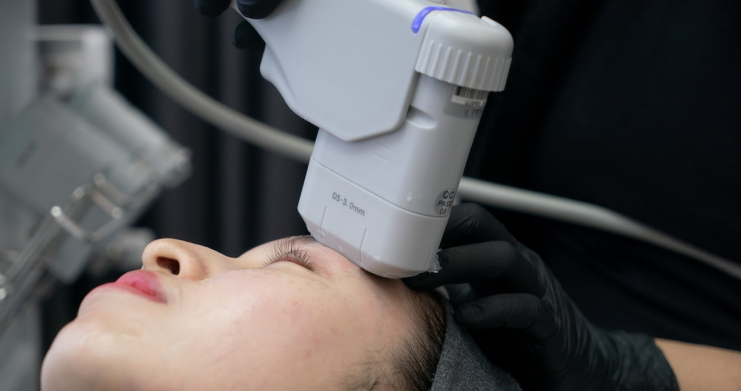
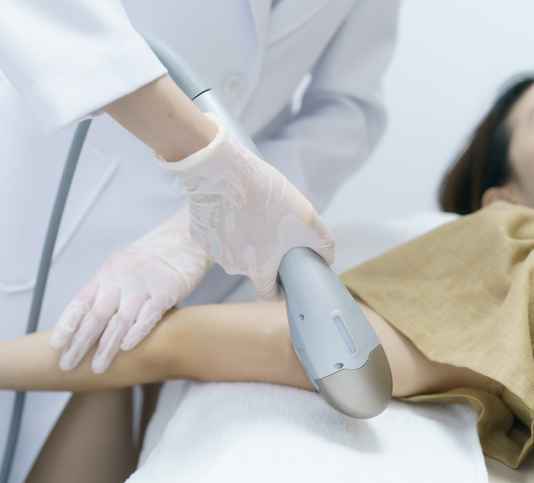
During the HIFU treatment, a hand-held device or an ultrasound transducer is positioned over the area of interest. This transducer generates the high-frequency ultrasound waves, which are then focused on the targeted tissue. The focused ultrasound energy heats the tissue rapidly, causing it to contract and eventually break down.
The entire process is monitored and guided by real-time imaging techniques, such as ultrasound or MRI. This ensures that the ultrasound energy is precisely delivered to the desired location, minimizing the risk of damage to surrounding tissues.
Applications of HIFU
HIFU has been used for a variety of medical applications, each tailored to the specific needs of the patient. In the case of prostate cancer, HIFU can be used to destroy cancerous tissue while preserving surrounding healthy tissue. For uterine fibroids, HIFU can effectively shrink or eliminate the fibroids, reducing symptoms and improving patient comfort.
Additionally, HIFU has gained popularity in the field of aesthetics, particularly for skin tightening and lifting. By targeting the deep layers of skin, HIFU stimulates the production of collagen, resulting in firmer, tighter skin. This non-surgical alternative to traditional facelifts offers patients a more convenient and less invasive option for achieving a youthful appearance.
Advantages of HIFU
The non-invasive nature of HIFU is one of its key advantages. Unlike surgical procedures, HIFU does not require incisions or anesthesia, reducing the risk of infection and other complications. Additionally, the procedure is relatively painless and has a short recovery time, allowing patients to resume their normal activities quickly.
Moreover, the targeted approach of HIFU allows for precise destruction of unwanted tissue while preserving surrounding healthy tissue. This ensures that the treatment is both effective and safe.
In conclusion, HIFU is a versatile medical procedure that offers a range of benefits for various applications. Its non-invasive nature, precise targeting ability, and short recovery time make it an attractive option for patients seeking effective and convenient treatment options.
Potential Risks Associated with HIFU Treatments
While HIFU (High-Intensity Focused Ultrasound) treatments are generally considered safe and effective, it is crucial for patients to be fully informed about the potential risks and side effects that may occur. Here is a detailed overview of some of the main risks associated with HIFU treatments:
Skin Burns or Damage
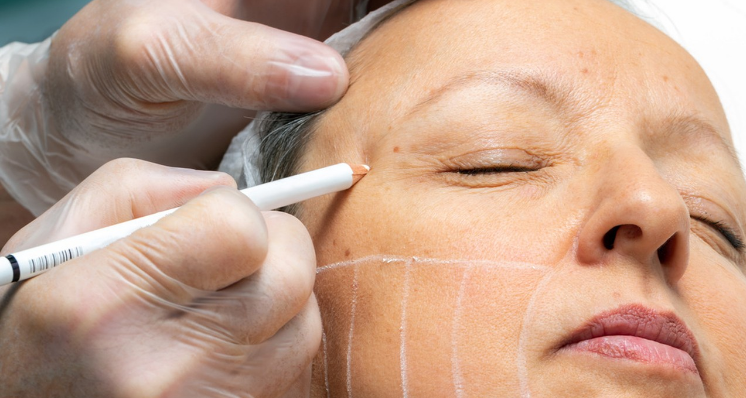
One of the most significant risks of HIFU treatments is skin burns or damage. The high-intensity ultrasound waves, which are used to heat and destroy targeted tissue, can also cause thermal injury to the skin if not precisely controlled. This risk is particularly high when treating delicate areas such as the face, where the skin is thinner and more sensitive. Patients with sensitive skin or who have had previous skin injuries may be at a higher risk of developing skin burns.
Nerve Damage and Loss of Sensation
Another concern related to HIFU treatments is the possibility of nerve damage and loss of sensation in the treated area. The focused ultrasound waves are directed at a specific point within the body, but there is always a risk that they can inadvertently affect nearby nerves. This can lead to temporary or permanent numbness, tingling, or even pain in the treated area. Nerve damage is more likely to occur if the ultrasound energy is delivered at too high a level or if the treatment is performed by an inexperienced practitioner.
Hematomas or Bruising
Hematomas or bruising are common side effects of HIFU treatments. The intense ultrasound energy can cause blood vessels to rupture, leading to localized bleeding under the skin. This can result in discoloration and swelling in the treated area. Hematomas are typically small and resolve within a few days to weeks, but larger hematomas may require medical attention.
Swelling, Redness, and Inflammation
Post-treatment swelling, redness, and inflammation are also common side effects of HIFU. These symptoms are a normal response to the thermal ablation caused by the focused ultrasound waves. While they are usually temporary and subside within a few days, they can cause discomfort and affect the patient's appearance in the short term. The severity of these side effects can vary depending on the treatment area, the energy level used, and the patient's individual response.
The Possibility of Infection
Although rare, there is a risk of infection associated with HIFU treatments. In some cases, the procedure may require making small incisions to access the target area, which can provide a pathway for bacteria to enter the body. It is essential for patients to maintain proper hygiene and follow post-treatment care instructions to minimize the risk of infection. Signs of infection include redness, swelling, pain, and fever, and if these symptoms persist or worsen, it is important to seek medical attention promptly.
Rare but Serious Side Effects
While most HIFU (High-Intensity Focused Ultrasound) treatments are considered safe and effective, there are some rare but serious side effects that patients should be aware of. Here is a detailed overview of these potential complications:
Deep Tissue Damage
One of the most concerning rare side effects of HIFU treatments is deep tissue damage. This can occur when the ultrasound energy is not adequately controlled or precisely directed to the target area. Excessive energy or off-target delivery can cause damage to the surrounding tissues, including muscles, nerves, and blood vessels. Deep tissue damage can lead to significant complications such as pain, loss of function, and even the need for surgical intervention. It is crucial to choose a healthcare professional who is experienced and skilled in HIFU procedures to minimize the risk of this complication.
Organ Injury
HIFU treatments involving internal organs, such as the uterus or prostate, carry a small risk of organ injury. The focused ultrasound waves are directed at specific points within the body to achieve the desired therapeutic effect. However, there is always a risk that the energy can inadvertently affect nearby organs or tissues. This can lead to temporary or permanent damage to the organ, including bleeding, inflammation, and loss of function. It is essential to choose a healthcare professional who is experienced and qualified in performing HIFU treatments on internal organs. They should have the necessary expertise to accurately target the tissue and minimize the chance of unintentional organ damage.
Blood Clots or Embolism
Although extremely rare, the disruption of blood flow during HIFU treatments could potentially lead to the formation of blood clots or embolism. Blood clots are solid masses that form within the blood vessels, while embolism refers to the blockage of a blood vessel by a blood clot or other foreign material. These complications can have severe consequences, including stroke, heart attack, and even death. The risk of blood clots or embolism is higher in patients who have a history of cardiovascular disease or who are undergoing more invasive HIFU procedures. It is crucial to inform your healthcare provider of any relevant medical history and to follow their recommendations for post-treatment care.
Abnormal Scarring
In some instances, HIFU treatments may result in abnormal scarring or changes in skin texture. This side effect is more common in individuals who have a predisposition to abnormal scarring, such as keloid scars or hypertrophic scars. It can also occur when the healing process is delayed or impeded due to factors such as infection, poor blood supply, or a weakened immune system. Abnormal scarring can be unsightly and may require additional treatment to improve the appearance of the skin. It is important to discuss the risk of scarring with your healthcare provider before undergoing HIFU treatments, especially if you have a history of abnormal scarring
Precautions and Safety Measures
To ensure the safety and efficacy of HIFU (High-Intensity Focused Ultrasound) treatments, it is imperative to adhere to a set of precautions and safety measures. Here is a detailed breakdown of these crucial steps:
Importance of Selecting a Trained and Experienced Professional
The first and foremost precaution is to choose a healthcare professional who is well-trained and experienced in performing HIFU treatments. An expert in this field will have the necessary knowledge and skills to minimize the risks associated with the procedure and ensure optimal outcomes for the patient. A trained professional will be able to accurately assess the patient's condition, determine the most appropriate treatment plan, and administer the HIFU energy precisely and safely.
Understanding the Contraindications for HIFU
Before undergoing HIFU treatments, it is essential to understand the contraindications or situations where the procedure may not be suitable. Certain health conditions, such as pregnancy, active skin infections, or severe skin diseases, may increase the risk of complications during HIFU treatments. It is crucial to consult with a healthcare professional to determine if you are eligible for HIFU based on your individual health status and medical history.
Proper Patient Evaluation Before Undergoing Treatment
A thorough evaluation of each patient's medical history, current health status, and individual needs is a vital step before proceeding with HIFU treatments. This evaluation helps identify any factors that could potentially increase the risk of complications during the procedure. It includes a detailed review of the patient's past surgeries, medications, allergies, and any current health issues. This information is crucial for the healthcare professional to assess the patient's eligibility for HIFU and to develop a personalized treatment plan that is tailored to their specific needs.
The evaluation process also includes a physical examination to assess the target area and surrounding tissues. This helps the healthcare professional determine the most appropriate treatment parameters, such as the depth and intensity of the ultrasound energy, to achieve the desired therapeutic effect while minimizing the risk of side effects.
By following these precautions and safety measures, patients can ensure that their HIFU treatments are performed safely and effectively, minimizing the risk of complications and maximizing the chances of achieving the desired outcomes.

Managing Risks and Minimizing Side Effects
Managing Risks and Minimizing Side Effects of HIFU Treatments
While HIFU treatments offer numerous benefits, it is important to acknowledge that there are some risks and potential side effects associated with the procedure. However, patients can take proactive measures to manage these risks and minimize side effects. Here are some detailed strategies to consider:
Post-Treatment Care Instructions
Following the post-treatment care instructions provided by the healthcare professional is crucial for promoting proper healing and reducing the risk of complications. These instructions may vary depending on the specific treatment area and the patient's individual needs, but they typically include:
- Keeping the Treated Area Clean: Patients should avoid touching or scratching the treated area, as this can introduce bacteria and increase the risk of infection. Gentle cleansing with a recommended cleanser or soap and water is typically sufficient.
- Avoiding Certain Activities or Products: The healthcare professional may advise patients to avoid certain activities, such as strenuous exercise or direct sun exposure, for a period of time after the treatment. They may also recommend avoiding certain skin care products or cosmetics to prevent irritation or allergic reactions.
- Regularly Monitoring for Changes or Concerns: Patients should be vigilant in monitoring the treated area for any changes or concerns, such as increased redness, swelling, or pain. If any of these symptoms persist or worsen, they should contact the healthcare provider promptly.
Possible Discomfort and Pain Management Options
Discomfort and pain are common side effects following HIFU treatments, but there are various pain management options available to help alleviate these symptoms. Some patients may find that over-the-counter pain medications, such as acetaminophen or ibuprofen, are sufficient to manage mild discomfort. However, for more severe pain, the healthcare professional may prescribe stronger analgesics.
It is important to discuss pain management options with the healthcare professional before undergoing HIFU treatments. They can provide personalized recommendations based on the patient's medical history, current health status, and individual needs. Additionally, patients should inform the healthcare provider of any allergies or sensitivities to medications to ensure that they receive safe and effective pain relief.
Recognizing Signs of Complications and Seeking Medical Attention
It is crucial for patients to be aware of the signs of potential complications and know when to seek medical attention. Some common complications associated with HIFU treatments include:
- Persistent or Worsening Pain: If pain persists or worsens after the initial discomfort period, it may be a sign of an underlying issue that requires medical evaluation.
- Excessive Swelling or Bruising: Swelling and bruising are normal side effects of HIFU treatments, but if they become excessive or persist for an extended period of time, it may indicate a problem.
- Signs of Infection: Redness, warmth, tenderness, or pus draining from the treated area may be signs of infection. If these symptoms occur, patients should contact the healthcare provider immediately.
If any of these signs of complications occur, patients should not hesitate to seek medical attention. Prompt intervention can help minimize the severity of complications and ensure proper healing. The healthcare professional can assess the situation and provide the necessary treatment or advice to manage the complication effectively.
Conclusion
While HIFU treatments offer a non-invasive and effective approach for various medical conditions, understanding and acknowledging the potential risks and side effects are vital. By selecting a qualified healthcare professional and following necessary precautions, patients can make informed decisions and maximize the benefits of HIFU treatments while minimizing the associated risks. Remember, proper communication with your healthcare provider is key to ensuring a safe and successful treatment journey.