
The 4 Most Common Skin Issues And How Microneedling Might Help
Introduction
Have you ever struggled with common skin issues like acne scars, aging skin, hyperpigmentation, or scarring? Rest assured, you're not alone. These skin concerns can significantly impact our self-confidence and overall well-being. The good news is that microneedling has emerged as an effective treatment option for these problems. In this blog post, we'll delve into each of these skin issues and explore how microneedling might help you achieve healthier, smoother, and more radiant skin.
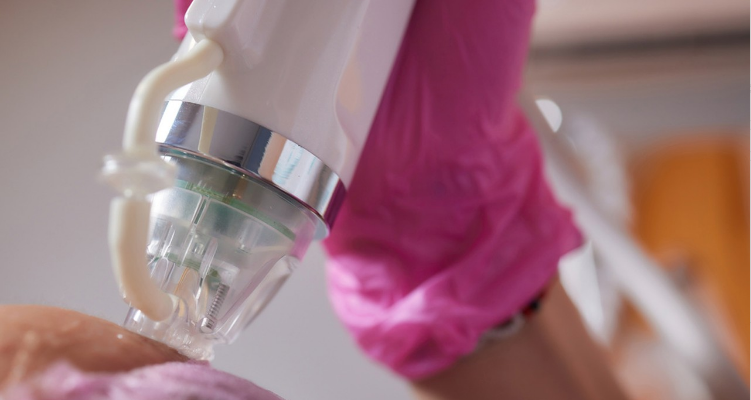
Understanding the 4 Most Common Skin Issues
1. Acne: A Stubborn Adversary Across Ages
Acne, a prevalent skin concern that transcends age barriers, can be a source of both physical discomfort and emotional distress. Beyond the initial outbreaks, it often leaves behind scars that linger as unwelcome reminders of the struggle. Fortunately, microneedling emerges as a promising solution for tackling acne scars.
By meticulously creating a series of controlled micro-injuries on the skin's surface, microneedling triggers the body's innate healing response. This process stimulates the production of collagen and elastin, two essential proteins responsible for skin's elasticity and structure. As collagen levels increase, the skin becomes more resilient, gradually softening and diminishing the appearance of acne scars. Over time, patients can expect to see a smoother skin texture and a significant reduction in the visibility of scars.
2. Aging Skin: The Inevitable Journey of Time
As the years pass, our skin inevitably shows signs of aging, manifested in fine lines, wrinkles, and a loss of elasticity. These changes can be attributed to a decline in collagen production and reduced blood circulation. Microneedling offers a non-invasive yet highly effective approach to combat these visible signs of aging.
By inducing controlled micro-injuries, microneedling encourages the skin to produce more collagen, which helps to plump up fine lines and wrinkles. Simultaneously, it improves blood circulation, bringing essential nutrients and oxygen to the skin's surface. This results in a tighter, more youthful appearance and a revitalized glow.
3. Hyperpigmentation: The Battle Against Uneven Skin Tone
Hyperpigmentation, characterized by dark patches on the skin, can be caused by various factors such as sun exposure, hormonal fluctuations, or skin inflammation. These discolored areas can significantly impact one's self-confidence and overall aesthetic. Microneedling offers a solution by promoting skin cell turnover and enhancing pigment dispersion.
During the microneedling procedure, the micro-injuries created on the skin stimulate the growth of new skin cells, replacing older, damaged ones. This process encourages the removal of excess pigment, gradually evening out skin tone and reducing the visibility of hyperpigmentation. Over time, patients can achieve a more uniform and radiant complexion.
4. Scarring: The Emotional Burden of Physical Wounds
Scars, whether from acne, injuries, or surgeries, can be emotionally taxing and affect our self-esteem. They often serve as reminders of past struggles and can detract from our overall appearance. Microneedling has proven to be a valuable tool in minimizing the appearance of various types of scars.
By promoting collagen production through the creation of micro-injuries, microneedling helps to fill in and smooth out scars. As collagen levels increase, the scar tissue becomes less prominent, leading to a significant improvement in skin texture and a reduction in scar visibility. This treatment can provide emotional relief and boost self-confidence for those struggling with the emotional burden of scarring.
Introduction to Microneedling
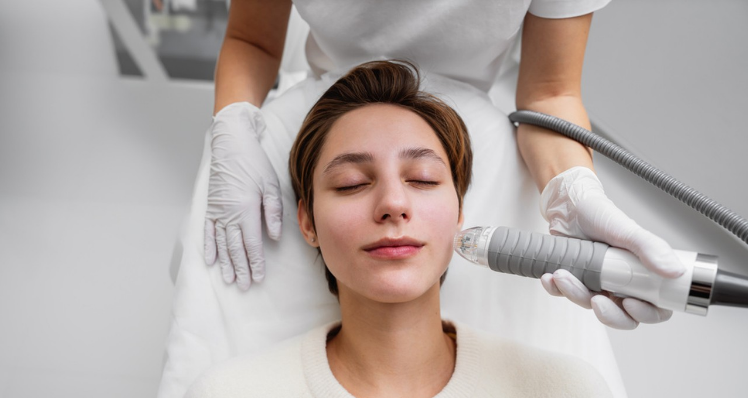
An elaborate introduction to Microneedling, a revolutionary skin rejuvenation technique commonly referred to as collagen induction therapy, unfolds below. This minimally invasive treatment harnesses the power of precision and technology to rejuvenate the skin from within, offering a safe and effective alternative to more aggressive surgical procedures.
The Essence of Microneedling:
At its core, microneedling involves the utilization of a specialized device equipped with an array of ultra-fine needles. These needles, ranging in length from 0.25mm to 3mm depending on the treatment area and desired outcome, delicately penetrate the skin's surface, creating an array of microscopic channels or punctures. While these punctures may seem inconsequential, they serve as powerful triggers for the skin's inherent regenerative capabilities.
The Healing Response:
Upon encountering these controlled micro-injuries, the body's natural healing mechanisms spring into action. This response initiates a cascade of biological processes, chief among them being the stimulation of collagen and elastin production. Collagen, the protein responsible for skin's structure, firmness, and elasticity, is vital in maintaining a youthful and vibrant complexion. Elastin, on the other hand, provides the skin with its ability to stretch and return to its original shape, contributing to its resilience and suppleness.
Versatility in Addressing Skin Concerns:
One of the key reasons for microneedling's soaring popularity is its versatility in tackling a wide array of skin concerns. From fine lines and wrinkles to acne scars, stretch marks, and even skin texture irregularities, this treatment offers a tailored solution. By encouraging the skin to repair and rebuild itself, microneedling can help improve skin tone, texture, and overall appearance, leaving the skin looking smoother, firmer, and more radiant.
Treatment Process:
The microneedling procedure typically begins with a thorough cleansing of the skin to remove any impurities and ensure optimal penetration of the needles. A topical anesthetic cream or numbing agent may be applied to minimize discomfort during the treatment. The microneedling device is then gently glided over the treatment area, creating the microscopic punctures. Depending on the individual's skin condition and treatment goals, the process may be repeated several times during a single session.
Post-Treatment Care:
Post-microneedling, it's essential to follow a skincare routine that supports the healing process. This often includes avoiding direct sun exposure, using gentle cleansers and moisturizers, and possibly applying specific serums or creams formulated to enhance collagen production and aid in skin recovery. Mild redness, swelling, or tenderness may be experienced immediately after the treatment, but these side effects typically resolve within a few days.
Microneedling for Acne
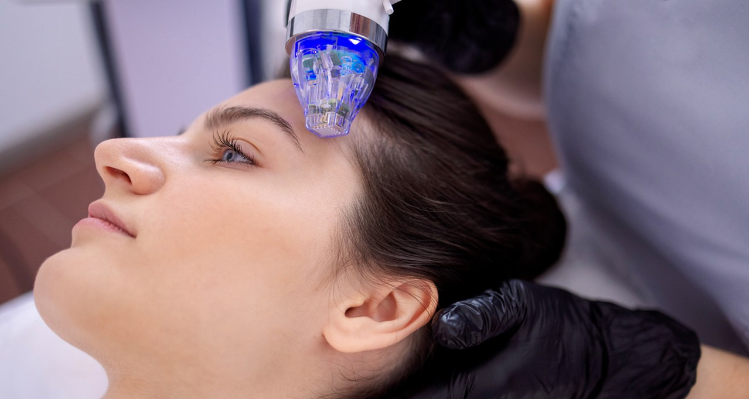
Acne, a prevalent and often stubborn skin condition, can leave behind more than just physical reminders of its presence. Emotional scars can also linger, affecting self-esteem and confidence. For those seeking to minimize the visible signs of acne scars, microneedling offers a promising solution.
During the microneedling process, the tiny needles create micro-injuries that stimulate the skin's natural healing cascade. This, in turn, encourages the growth of new, healthy skin cells. Simultaneously, the treatment's ability to break down scar tissue plays a crucial role in softening the appearance of acne scars. Over the course of multiple treatment sessions, patients can witness a gradual yet noticeable improvement in skin texture and tone, with acne scars becoming less visible and less prominent.
Microneedling for Aging Skin: Rejuvenating from Within
Aging is an inevitable process, but that doesn't mean we have to accept the visible signs of it without a fight. Microneedling targets one of the primary causes of aging skin: the decline in collagen and elastin production.
By creating micro-injuries in the skin, microneedling triggers the body's natural wound-healing response. This response includes the production of new collagen and elastin fibers, which are essential for maintaining skin elasticity, firmness, and a youthful appearance. As collagen levels increase, fine lines, wrinkles, and sagging skin begin to diminish, revealing a more rejuvenated and refreshed complexion.
Microneedling for Hyperpigmentation: Achieving a More Even Skin Tone
Hyperpigmentation, characterized by uneven skin tone and visible discoloration, can be a source of frustration for many. Whether caused by sun damage, hormonal changes, or other factors, microneedling provides an effective way to address this condition.
The controlled micro-injuries created during microneedling stimulate skin cell turnover, encouraging the shedding of damaged, pigmented cells. At the same time, the treatment promotes the growth of new, healthy skin cells. This dual action helps to even out skin tone and reduce the appearance of hyperpigmentation, revealing a more balanced and radiant complexion.
Microneedling for Scarring: Reducing the Visibility of Scars
Scars, whether from acne, accidents, or surgeries, can have a significant impact on our self-confidence. Microneedling offers a non-invasive, effective solution for reducing the appearance of scars.
By stimulating collagen production and cell regeneration, microneedling works to fill in indented scars and improve overall skin texture. As new collagen fibers form, they help to smooth out the surface of the skin, making scars less noticeable. Multiple treatment sessions may be necessary to achieve optimal results, but patients can expect to see a gradual improvement in the appearance of their scars over time.
Conclusion
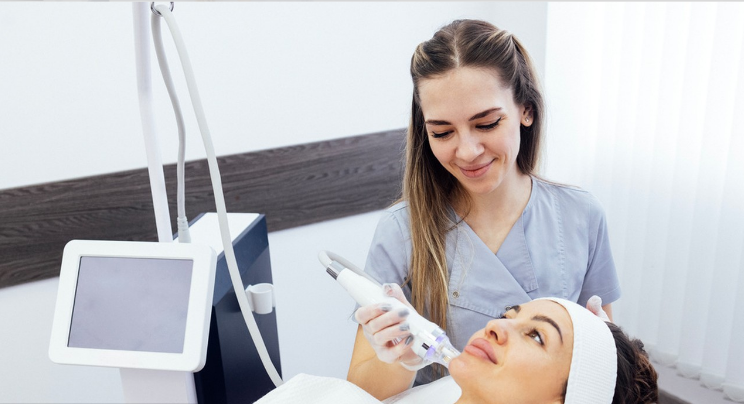
Skin issues like acne scars, aging skin, hyperpigmentation, and scarring can take a toll on our self-esteem and quality of life. However, microneedling offers a ray of hope in addressing these concerns. By harnessing the body's natural healing response, microneedling can stimulate collagen production, improve skin texture, and reduce the visibility of various skin issues. If you're looking for a non-invasive and effective solution to revitalize your skin, it's worth exploring professional microneedling treatments. Embrace the power of microneedling and regain your confidence with healthier, smoother, and more radiant skin.