Introduction
Cooling technology has become an increasingly important part of modern aesthetic skincare. Once associated mainly with ice packs, cold rollers, or post-treatment soothing, professional skin cooling has evolved into a sophisticated technology used alongside laser, IPL, RF, microneedling, injections, and advanced facial treatments.
For beauty clinics and aesthetic practices, cooling is not simply an additional comfort feature. When properly controlled, it can help manage surface temperature, reduce treatment-related discomfort, support epidermal protection, and improve the overall treatment experience.
Professional cooling systems may use cold air, contact cooling, cooled tips, or other controlled cooling methods. In laser-based procedures, for example, cooling can selectively lower the temperature of superficial skin while allowing the intended treatment energy to reach deeper target structures. Research has described this approach as an important way to increase the safety margin of energy-based treatments.
As aesthetic technology continues to develop, understanding the role of cooling can help clinics select more complete treatment systems and operators design more comfortable, controlled treatment protocols
Background: Why Does Skin Need Cooling During Aesthetic Treatments?
Many professional aesthetic treatments rely on controlled energy. Laser, IPL, RF, ultrasound, and certain other technologies intentionally generate or deliver energy to the skin and underlying tissue.
This energy can produce heat.
Heat itself is not necessarily undesirable. In many aesthetic treatments, controlled thermal stimulation is part of the treatment mechanism. The challenge is to deliver the appropriate amount of energy to the intended target while limiting unnecessary thermal stress at the skin surface.
This is where cooling becomes valuable.
During laser and light-based treatments, for example, epidermal melanin can absorb part of the delivered energy and generate heat. If surface temperature rises excessively, discomfort and unwanted thermal effects may increase. Selective epidermal cooling can lower the temperature of superficial skin while allowing the deeper target to remain sufficiently warm for the intended treatment effect.
Cooling can also be important from the client's perspective. Redness, warmth, and discomfort are common concerns associated with many energy-based treatments. A professional cooling system can become part of the treatment workflow rather than something used only after the procedure.
For clinics, this creates an important shift:
Cooling is not simply about making a treatment feel colder. It is about managing the relationship between energy, skin temperature, comfort, and treatment control.
How Does Cooling Technology Work?
Professional skin cooling systems can operate in several different ways, depending on the device and treatment application.
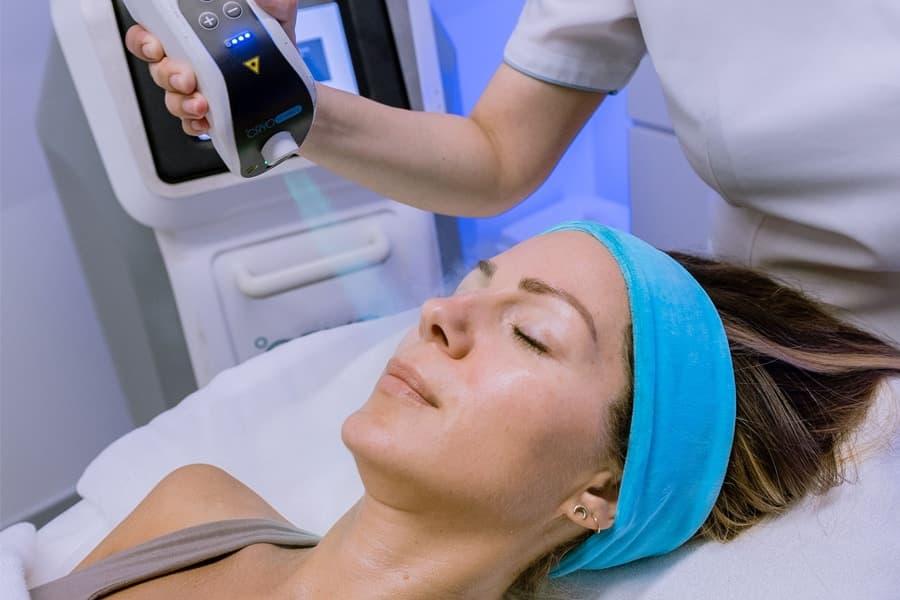
1. Cold-Air Cooling
Cold-air systems use a controlled stream of chilled air directed toward the treatment area.
This method is particularly useful because the cooling can be applied continuously before, during, or after energy delivery. Some professional systems are designed specifically for laser, IPL, RF microneedling, injections, and other aesthetic procedures.
One practical advantage is flexibility. The operator can position the cooling airflow exactly where it is needed without necessarily covering the treatment area.
2. Contact Cooling
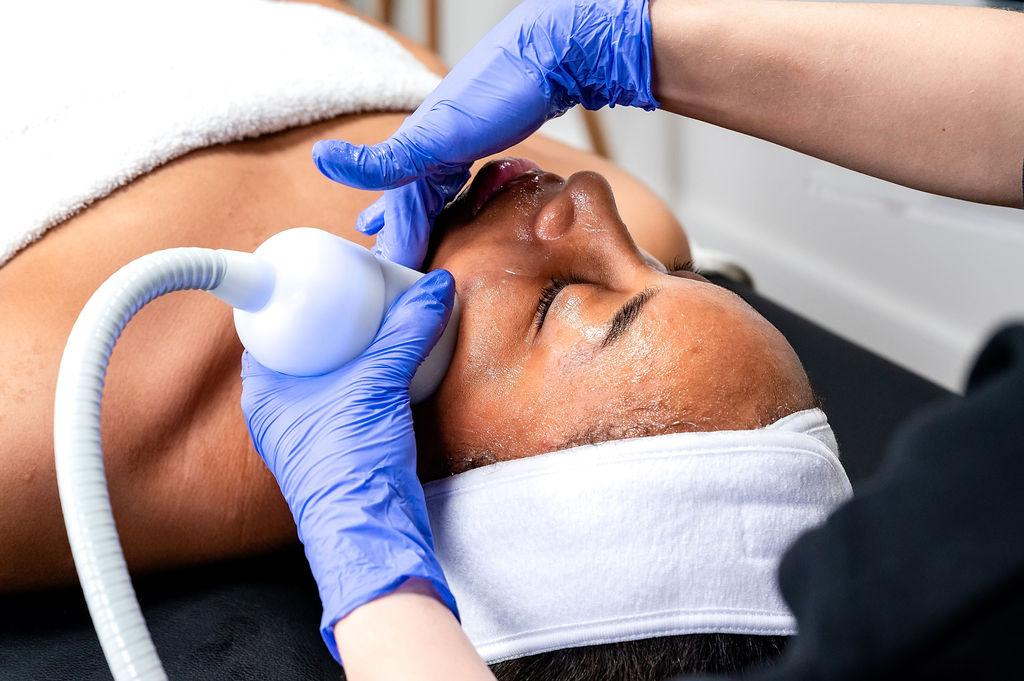
Contact cooling uses a cooled surface or applicator that directly contacts the skin.
Cooled sapphire tips are one example used in certain laser systems. By placing a cooled surface against the skin, heat can be removed efficiently from the superficial layers.
The effectiveness of contact cooling depends on factors such as temperature, contact quality, application time, and treatment parameters. Research comparing contact and spray cooling has shown that the depth and extent of cooling are influenced by how long the cooling is applied.
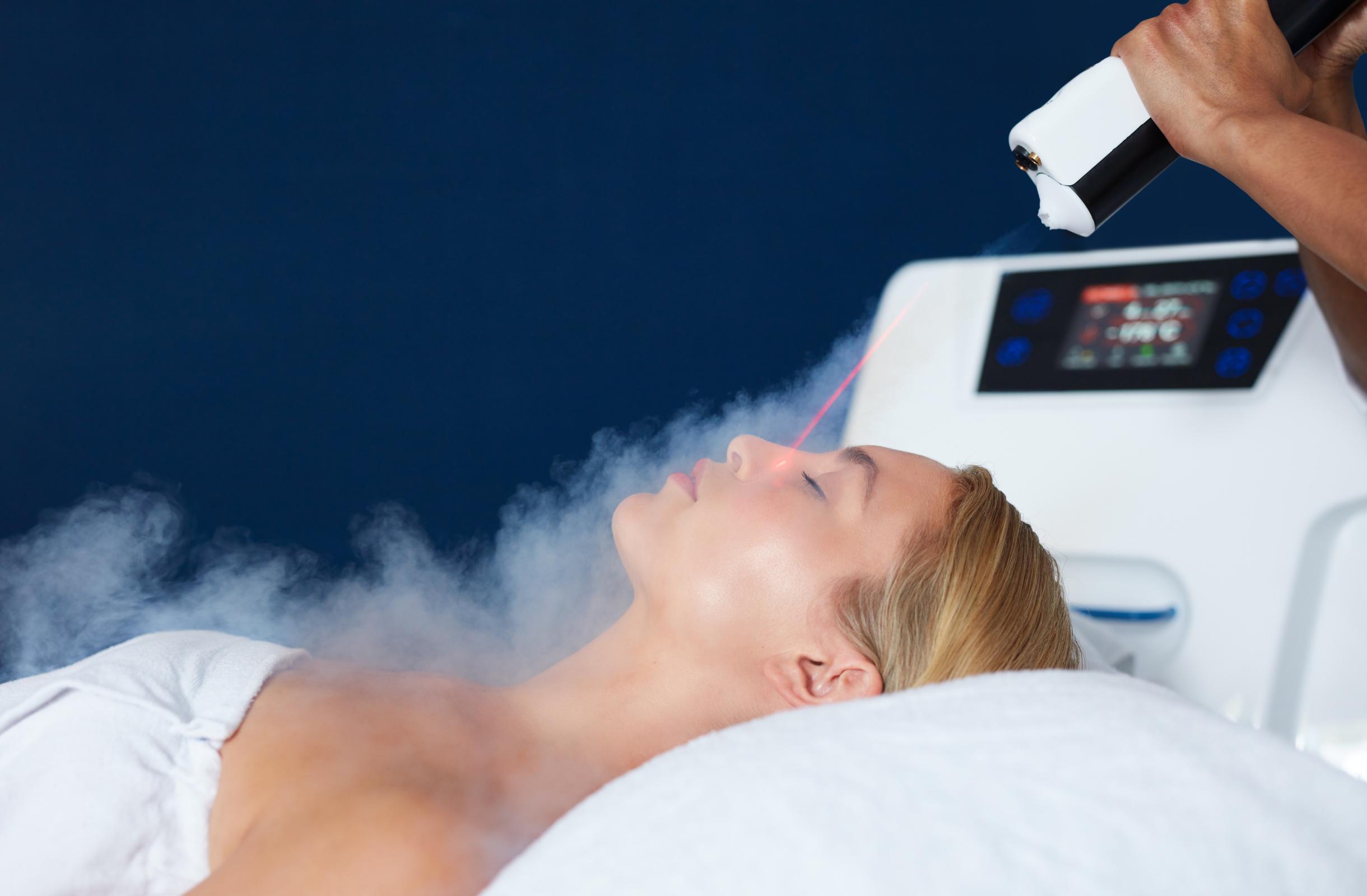
3. Cryogen or Spray Cooling
Some systems use a rapidly evaporating cooling medium to reduce skin temperature for a short period.
Cryogen spray cooling has been studied extensively in laser dermatology. Its purpose is to cool the epidermis rapidly while minimizing interference with deeper target structures.
Because temperature reduction can be very rapid, precise control is important. Cooling intensity and timing need to be appropriate for the treatment technology and area being treated.
4. Integrated Cooling
Many modern aesthetic devices combine treatment energy with cooling technology.
For example, certain RF systems incorporate water cooling or other cooling mechanisms into the treatment handpiece. This allows energy delivery and temperature management to occur within the same treatment system.
A 2024 clinical study of a monopolar RF system with continuous water cooling specifically investigated the concept of protecting the epidermis while delivering RF energy for facial treatment.
This type of integration illustrates a broader industry trend: energy delivery and temperature management are increasingly being designed as complementary technologies rather than separate functions
The Key Benefits of Cooling Technology in Skincare
1. Improved Treatment Comfort
One of the most immediate benefits of cooling is improved client comfort.
Cold stimulation can temporarily reduce the sensation of heat and discomfort during certain procedures. Professional cooling systems are therefore commonly used alongside laser and other energy-based treatments.
For sensitive areas such as the face, under-eye region, upper lip, and jawline, comfort can have a significant influence on the overall treatment experience.
A more comfortable client may also be more willing to complete a recommended treatment course.
2. Support for Epidermal Protection
The epidermis is the outermost layer of the skin and can be particularly important when energy-based devices are used.
During laser treatments, for example, cooling can help keep the superficial skin temperature below a level associated with unwanted thermal injury. This creates what researchers describe as a greater safety margin between the treatment target and the surrounding epidermis.
This does not mean cooling automatically makes every treatment safe. Device parameters, skin characteristics, treatment technique, and operator experience remain critical.
However, appropriately designed cooling technology can provide an additional layer of temperature management.
3. Helps Manage Redness and Heat Sensation
After treatments involving controlled thermal energy, clients may experience temporary warmth or visible redness.
Cooling can be incorporated into the post-treatment phase to help create a more comfortable recovery experience.
This is particularly useful in clinics where the client may return to work or social activities shortly after treatment. Professional cooling systems can provide a controlled alternative to improvised cold packs or ice.
4. Greater Treatment Versatility
A well-designed cooling system can support more than one treatment category.
Depending on its configuration, professional cooling equipment may be used with:
- Laser hair removal
- IPL treatments
- Skin rejuvenation
- RF treatments
- RF microneedling
- Tattoo removal
- Certain injection procedures
- Post-treatment skin soothing
- Professional cryofacial protocols
Professional cooling platforms are increasingly marketed as compatible with multiple aesthetic technologies, reflecting their role as treatment-support equipment rather than a single-purpose accessory.
For clinics, versatility can be commercially valuable. One cooling system may support multiple treatment rooms, protocols, and service categories.
Professional Cooling Technology vs. Basic Cold Skincare Tools
Cold skincare has become popular among consumers. Ice rollers, cryo globes, cooling masks, and refrigerated skincare tools can provide a refreshing sensation and may temporarily reduce the appearance of puffiness.
These tools have their place in personal skincare.
However, professional cooling equipment operates in a different context.
| Basic Cold Skincare Tools | Professional Cooling Systems |
|---|---|
| Primarily focused on personal skincare | Designed for professional treatment environments |
| Limited temperature control | More controlled cooling parameters |
| Usually manual application | Designed for consistent operator use |
| Mainly cosmetic and comfort-oriented | Can support energy-based treatment protocols |
| Limited treatment-area control | Targeted cooling for specific treatment zones |
| Usually no integration with clinical equipment | May work alongside laser, IPL, RF, or other devices |
The distinction is important.
A cold roller may feel refreshing, but it is not equivalent to a professional cooling system designed to support an energy-based procedure.
Professional systems are built around consistency, ergonomics, controllability, and integration into treatment workflows. In a busy clinic, these factors can matter as much as the cooling effect itself.
Applications in Professional Beauty Clinics and Aesthetic Practices
Laser Hair Removal
Laser hair removal is one of the most obvious applications for skin cooling.
Laser energy is absorbed by the target chromophore, while the surrounding skin also needs to be protected from unnecessary thermal exposure. Cooling can help manage epidermal temperature and reduce the sensation of heat during treatment.
For clinics offering high-volume hair removal services, consistent cooling can also improve the overall client experience.
IPL and Skin Rejuvenation
IPL treatments use broad-spectrum light to target specific chromophores.
Cooling can be incorporated before, during, or after treatment to help manage surface temperature and improve comfort. The exact cooling method should be selected according to the IPL system, treatment parameters, and manufacturer's protocol.
RF and RF Microneedling
RF technology generates controlled thermal energy within tissue.
Cooling can therefore serve an important complementary role by helping manage surface temperature while RF energy is delivered.
For RF microneedling, cooling may also be valuable during the recovery stage when clients are experiencing temporary warmth or redness.
Post-Treatment Care
Cooling is not limited to use during energy delivery.
After certain aesthetic procedures, operators may use controlled cooling to provide a more comfortable finishing stage. This can make the treatment feel more complete and professional.
Instead of simply telling clients to "apply something cold at home," a clinic can incorporate controlled cooling into its standardized treatment protocol.
Premium Facial and Cryofacial Services
Cooling can also be offered as a standalone facial service.
Modern cryofacial concepts use controlled cooling as part of a specialized skincare experience. The focus may include temporary reduction in puffiness, skin refreshing, and a visibly revitalized appearance.
The growing popularity of professional cryotherapy facial services demonstrates how cooling has evolved from a supporting function into a potential standalone treatment category.
What Should Clinics Look for in a Professional Cooling Device?
Not every cooling machine is suitable for every treatment environment.
When selecting professional equipment, clinics should consider several factors.
Temperature Control
Consistent and controllable cooling is more useful than simply achieving the lowest possible temperature.
The objective should be appropriate cooling for the treatment, not maximum coldness.
Airflow and Cooling Stability
For cold-air systems, stable airflow helps operators maintain consistent cooling during treatment.
Handpiece and Hose Design
Ergonomics matter in professional environments. A lightweight, flexible applicator can make it easier for practitioners to work around facial contours and sensitive areas.
Treatment Compatibility
The cooling system should be compatible with the clinic's existing treatment technologies and operating protocols.
Some professional systems are specifically designed to accompany laser, IPL, RF microneedling, and injection procedures.
Ease of Operation
A touchscreen interface, adjustable cooling levels, preset programs, and intuitive controls can reduce operational complexity and help standardize treatments across different operators.
Maintenance and Workflow
For clinics, equipment reliability is critical. Systems that minimize consumables, simplify cleaning, and integrate easily into treatment rooms can reduce operational burden.
Cooling Technology as Part of a More Complete Treatment System
The development of modern aesthetic technology is moving toward integrated treatment solutions.
Instead of viewing laser, RF, IPL, microneedling, and cooling as completely separate technologies, professional clinics increasingly consider how these technologies work together.
The logic is straightforward:
Energy creates the desired treatment stimulus. Cooling helps manage the skin's response to that energy.
This does not mean cooling should be added indiscriminately to every treatment. Different technologies produce different thermal profiles, and excessive or poorly controlled cooling can also create problems. The correct approach is to match the cooling method and intensity to the treatment technology, treatment area, client characteristics, and manufacturer's instructions.
Recent clinical literature continues to emphasize that complications from energy-based aesthetic procedures can be associated with inappropriate device selection, unsuitable parameters, inadequate patient assessment, or insufficient operator experience. Cooling is an important tool, but it is only one component of a complete safety strategy.
Conclusion
Cooling technology has evolved far beyond the traditional concept of applying ice to the skin.
In modern aesthetic clinics, controlled cooling can support treatment comfort, epidermal protection, temperature management, and post-treatment care. It can accompany laser hair removal, IPL, RF, RF microneedling, injections, and specialized facial treatments, making it a versatile addition to professional aesthetic equipment.
For beauty clinics and aesthetic practices, the real value of cooling technology lies in control.
A professional cooling system can help operators manage temperature more consistently, deliver a more comfortable client experience, and build more complete treatment protocols around energy-based technologies.
As aesthetic treatments become increasingly sophisticated, cooling is no longer simply an accessory. It is becoming an important part of the professional treatment ecosystem—helping clinics balance performance, comfort, and treatment control
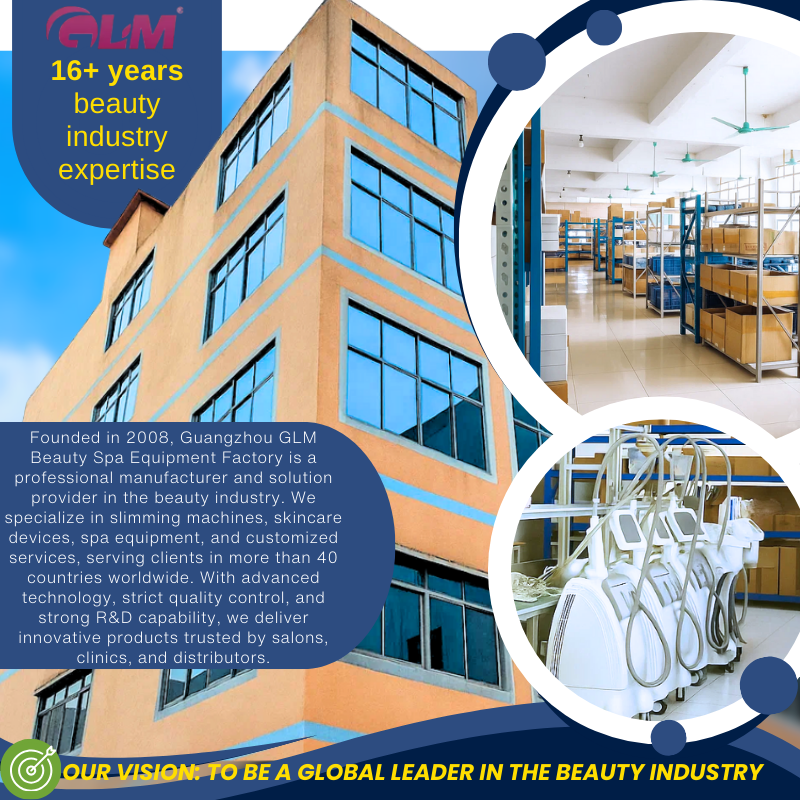
Founded in 2008, Guangzhou GLM Beauty Spa Equipment Factory specializes in research, development, manufacture and selling of beauty and slimming machines. Our production base is located in Guangzhou City, Guangdong Province, China. Since our foundation, we have introduced advanced technologies and equipment, to assure high quality and high performance of our products. With professional marketing guide and excellent after-sales service, our products have been exported to over 20 countries and regions, including Southeast Asia, the Middle East, Europe and the United States, won worldwide praises and gained a good reputation