Introduction
Modern aesthetic medicine has shifted from simply delivering powerful treatments to optimizing the entire treatment journey. While technologies such as radio frequency (RF), high-intensity focused ultrasound (HIFU), fractional laser, IPL, microneedling RF, and plasma therapy continue to improve in precision and effectiveness, professionals increasingly recognize that the quality of post-treatment care can significantly influence the final outcome.
For many years, aesthetic procedures focused almost exclusively on the energy device itself. However, clinical experience has demonstrated that the biological response occurring during the hours and days following treatment is equally important. This period—often called the critical recovery window—represents an opportunity to enhance tissue repair, minimize unwanted inflammation, improve patient comfort, and maximize long-term aesthetic results.
Rather than viewing energy-based devices and skincare as separate treatment categories, leading clinics now integrate them into a single synergistic protocol. Carefully selected topical formulations, cooling technologies, LED phototherapy, hydration systems, and intelligent skin analysis work together to support the skin's natural healing mechanisms after controlled thermal or mechanical stimulation.
For professional aesthetic clinics, this integrated approach delivers several advantages:
- Improved patient satisfaction
- Faster visible recovery
- More consistent clinical outcomes
- Better treatment compliance
- Increased treatment value without significantly extending procedure time
As patient expectations continue to rise, successful aesthetic practices are no longer defined solely by the sophistication of their treatment devices, but by how effectively they manage the entire healing process.
Background / Problem
Energy-based aesthetic technologies intentionally create controlled biological stress within the skin. Whether the energy source is thermal, acoustic, optical, electrical, or mechanical, the objective remains remarkably similar:
- Stimulate collagen remodeling
- Trigger wound-healing pathways
- Improve circulation
- Accelerate cellular renewal
- Remodel connective tissue
While these controlled micro-injuries are essential for rejuvenation, they also temporarily weaken the skin barrier.
Immediately after treatment, patients commonly experience:
- Increased transepidermal water loss (TEWL)
- Temporary erythema
- Localized edema
- Skin sensitivity
- Heat retention
- Mild inflammatory response
None of these responses necessarily indicate complications—they are expected components of normal tissue repair. However, excessive inflammation or inadequate recovery may reduce treatment effectiveness and prolong downtime.
This creates an important clinical challenge.
Many patients invest heavily in advanced technologies but underestimate the importance of the first 24–72 hours following treatment. During this period, improper skincare may unintentionally interfere with the skin's natural repair mechanisms.
Examples include:
- Using irritating active ingredients too early
- Excessive cleansing
- Insufficient hydration
- Poor UV protection
- Mechanical friction
- Inappropriate cosmetic products
These seemingly minor mistakes can increase discomfort and delay recovery.
For professional clinics, post-treatment protocols therefore become an extension of the treatment itself—not merely aftercare instructions.
Technology / Mechanism
Understanding the Critical Biological Window
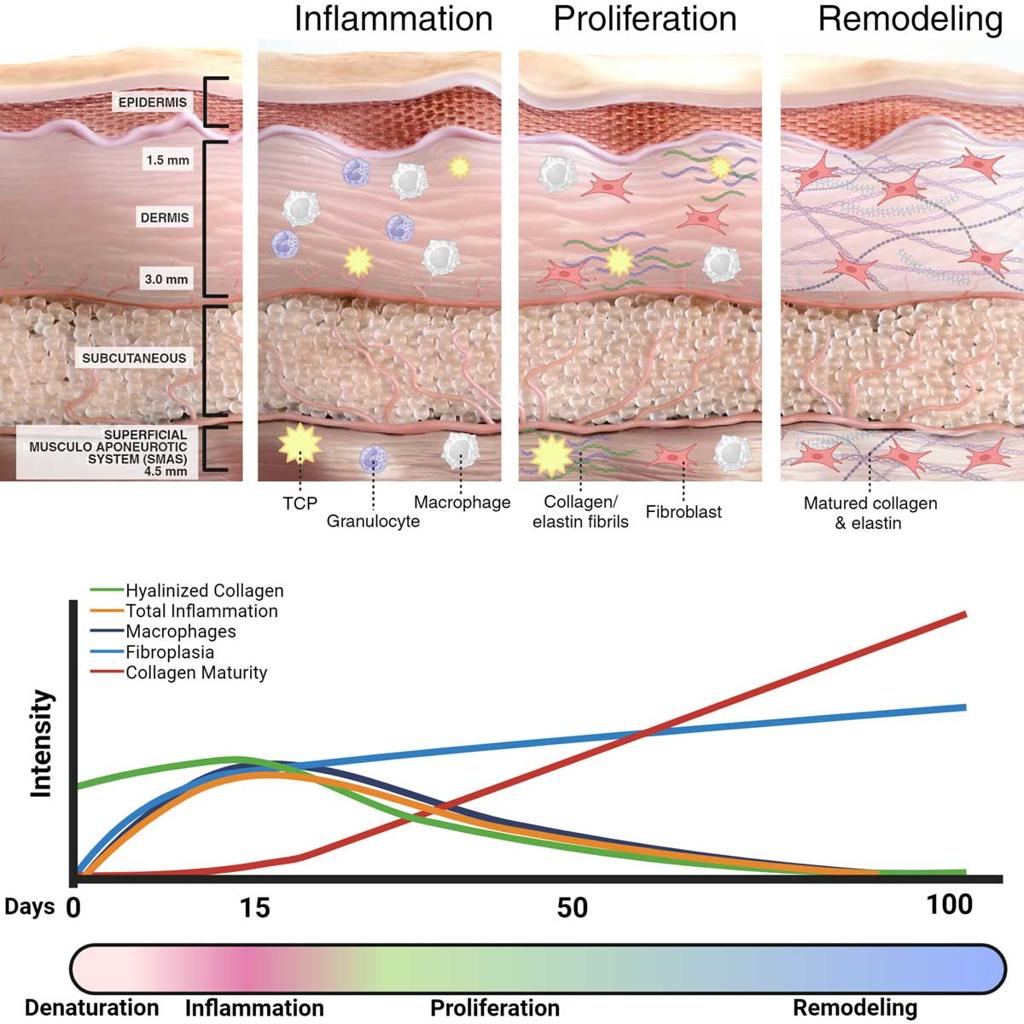
Energy-based devices activate a highly organized sequence of biological events. Although different technologies interact with tissue differently, the healing process generally follows four overlapping stages:
Phase 1: Immediate Inflammatory Response (0–24 Hours)
Directly after treatment, blood vessels dilate, immune cells migrate into the treated area, and inflammatory mediators begin coordinating tissue repair.
During this phase:
- Heat gradually dissipates
- Cellular signaling increases
- Microcirculation improves
- Damaged proteins begin degradation
- Growth factors are released
While inflammation is necessary, excessive inflammatory activity may increase patient discomfort without improving results.
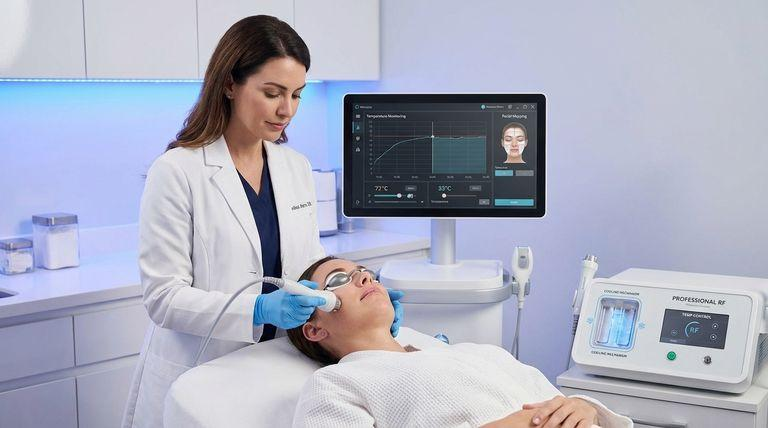
Professional cooling systems and soothing skincare formulations help maintain this delicate balance.
Phase 2: Barrier Repair (24–72 Hours)
The epidermal barrier becomes the primary focus during the next several days.
Keratinocytes begin rebuilding damaged tissue while lipid production gradually restores the skin's protective barrier.
Key objectives include:
- Maintaining hydration
- Reducing water loss
- Supporting epidermal regeneration
- Preventing secondary irritation
- Preserving optimal healing conditions
Hydrating professional facial systems, oxygen infusion devices, and advanced moisturizing formulations are commonly introduced during this period under professional supervision.
Phase 3: Collagen Remodeling (Weeks to Months)
Although visible redness may disappear within days, collagen remodeling continues for several months.
Fibroblasts remain highly active, producing:
- Type I collagen
- Type III collagen
- Elastin fibers
- Extracellular matrix proteins
This prolonged remodeling phase ultimately determines improvements in:
- Skin firmness
- Elasticity
- Fine wrinkles
- Texture
- Scar appearance
- Overall skin quality
Patients often assume treatment is "finished" once redness resolves, but biologically, regeneration has only begun.
Why Synergy Matters
Modern aesthetic medicine increasingly emphasizes combination therapy rather than isolated procedures.
Instead of relying on a single technology, clinics strategically combine complementary modalities to support different stages of recovery.
For example:
- RF treatments may be followed by cooling therapy to minimize residual heat.
- Microneedling RF procedures are often paired with professional hydration protocols to reinforce the skin barrier.
- Fractional laser treatments may benefit from LED phototherapy that helps calm post-treatment inflammation while supporting cellular activity.
- Intelligent skin analysis systems allow practitioners to evaluate hydration, sensitivity, and barrier condition before recommending personalized recovery plans.
This layered approach helps create a more predictable healing environment while enhancing patient comfort and treatment consistency
Building a Synergistic Post-Treatment Protocol
An effective recovery protocol is not simply a collection of soothing products. Instead, it is a structured sequence of interventions that correspond to the skin's changing physiological needs. Professional practitioners typically divide post-treatment care into several stages, selecting technologies and skincare products according to tissue response rather than following a fixed routine.
Step 1: Immediate Cooling and Thermal Regulation
Immediately after an energy-based treatment, residual heat remains within the tissue even after the device has stopped delivering energy. If excessive heat persists, patients may experience prolonged redness, discomfort, and delayed recovery.
Professional cooling technologies help to:
- Lower surface temperature safely
- Improve patient comfort
- Reduce temporary erythema
- Support normal inflammatory regulation
- Prepare the skin for subsequent topical products
Unlike placing ice directly on the skin, professional cooling systems are designed to provide controlled temperature management, minimizing the risk of additional irritation while maintaining patient safety.
Step 2: Restoring Hydration
One of the earliest consequences of energy-based procedures is increased transepidermal water loss. Restoring hydration quickly becomes a priority.
Professional clinics often utilize:
- Oxygen infusion systems
- Hydro-facial platforms
- Ultrasonic infusion devices
- Sterile hydration masks
- Hyaluronic acid–based recovery serums
Hydration serves multiple purposes beyond improving comfort. A well-hydrated epidermis supports enzymatic activity, promotes barrier repair, and creates a more favorable environment for cellular regeneration.
Importantly, practitioners typically avoid overly active formulations during the immediate recovery period. Instead, they emphasize ingredients known for their compatibility with compromised skin, allowing the barrier to stabilize before introducing more intensive corrective products.
Step 3: Photobiomodulation with LED Therapy
Low-level LED light therapy has become a common adjunct following many professional procedures.
Unlike ablative or thermal devices, LED therapy delivers non-thermal light energy that interacts with cellular mitochondria. Appropriate wavelengths may support ATP production, encourage normal cellular activity, and help reduce visible redness during recovery.
Depending on clinical goals:
- Red light is frequently selected to support collagen-related cellular activity.
- Near-infrared light may penetrate deeper tissues to assist recovery.
- Blue light is generally reserved for acne-related treatment protocols rather than routine post-procedure care.
Because LED therapy is gentle and non-invasive, it integrates easily into many professional treatment pathways without increasing patient downtime.
Step 4: Personalized Skin Analysis
No two patients heal identically.
Age, skin type, hydration status, lifestyle, previous treatments, and environmental exposure all influence recovery speed.
This is where digital skin and scalp analysis systems provide meaningful value.
Modern diagnostic platforms can evaluate factors such as:
- Skin hydration
- Sebum balance
- Barrier condition
- Pigmentation distribution
- Pore characteristics
- Treatment progress over time
Rather than relying solely on visual observation, practitioners can make evidence-based adjustments to recovery protocols.
For example:
A patient showing reduced hydration may benefit from additional moisture-focused sessions before beginning collagen-stimulating treatments.
Conversely, a patient demonstrating excellent barrier recovery may safely transition to maintenance protocols sooner.
This data-driven approach improves consistency while enhancing communication between practitioners and patients.
Advantages / Comparison
Why Integrated Recovery Protocols Deliver Better Outcomes
As aesthetic technologies continue to evolve, competitive differentiation is increasingly determined not only by the treatment itself but also by the quality of the overall patient experience.
Integrated recovery protocols offer benefits that extend beyond faster healing.
More Predictable Clinical Results
Energy devices initiate the regenerative process, but biological healing determines the final outcome.
Supporting the skin throughout recovery helps create a more stable environment for collagen remodeling, reducing variability between treatments.
Patients often experience:
- More uniform skin texture
- Improved treatment consistency
- Better long-term satisfaction
- Enhanced confidence in maintenance programs
Reduced Downtime
Downtime remains one of the most significant concerns for aesthetic patients.
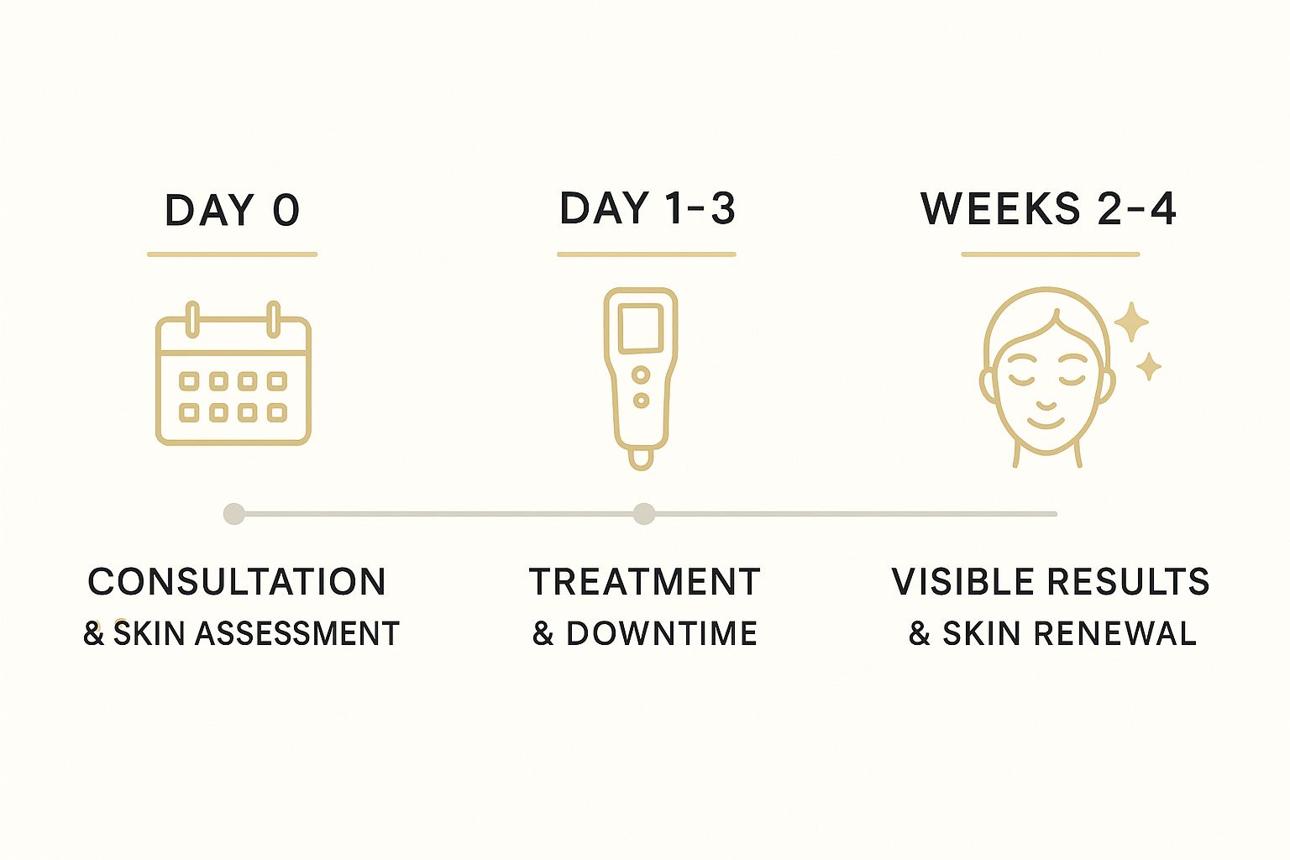
While every procedure has an expected recovery period, supportive technologies can help patients return to daily activities more comfortably.
Professional recovery protocols often contribute to:
- Reduced visible redness
- Improved skin comfort
- Faster barrier restoration
- Better hydration retention
Although recovery speed varies among individuals, optimizing post-treatment care helps maximize the body's natural healing capacity.
Greater Patient Confidence
Patients increasingly evaluate clinics based on the entire treatment journey rather than a single procedure.
When practitioners explain each recovery stage and demonstrate objective improvements through skin analysis, patients gain a clearer understanding of the treatment process.
This educational approach:
- Builds trust
- Improves treatment adherence
- Encourages realistic expectations
- Increases long-term patient retention
The consultation itself becomes more valuable because patients can see measurable indicators of progress instead of relying only on subjective impressions.
Professional Systems vs. Home Care
Home-use skincare products play an important role in maintaining skin health, but they are generally designed for routine daily use.
Professional recovery protocols differ in several important ways:
| Professional Clinical Protocol | Standard Home Routine |
|---|---|
| Device-assisted delivery | Primarily topical application |
| Personalized treatment planning | Generalized product recommendations |
| Real-time practitioner assessment | Self-monitoring by the user |
| Clinical-grade recovery equipment | Limited supportive technologies |
| Integrated multi-step procedures | Individual skincare products |
This distinction is especially relevant after energy-based procedures, where timing, technique, and professional judgment influence both comfort and treatment outcomes.
Professional clinics are therefore able to provide a level of precision and adaptability that is difficult to replicate outside a controlled clinical environment
Applications / Client Needs
Meeting the Evolving Expectations of Modern Aesthetic Clients
Today's aesthetic patients are more informed than ever before. They no longer evaluate treatments solely by the technology used, but by the overall experience, recovery time, safety, and long-term results. As a result, clinics and medical spas are adopting comprehensive treatment protocols that combine advanced energy-based devices with personalized post-treatment care.
For professional practitioners, the critical recovery window is not merely an aftercare phase—it is an opportunity to improve treatment outcomes, strengthen patient relationships, and differentiate their services in an increasingly competitive market.
Facial Rejuvenation Programs
Procedures targeting fine lines, skin laxity, enlarged pores, and uneven texture often rely on technologies such as RF, fractional RF microneedling, fractional lasers, or HIFU.
Following these treatments, professional recovery protocols may include:
- Cooling therapy to reduce residual heat
- Hydration-focused facial systems
- LED photobiomodulation
- Barrier-repair skincare
- Digital skin analysis for progress monitoring
This integrated workflow helps patients recover comfortably while supporting the skin's natural regenerative processes.
Acne and Scar Management
Treatments for acne scars often require multiple sessions over several months.
Because these procedures intentionally stimulate collagen remodeling, maintaining healthy barrier function between sessions is essential.
Professional clinics frequently combine:
- Fractional RF
- Microneedling systems
- LED therapy
- Hydrating treatment platforms
- Personalized skincare recommendations
Monitoring recovery at each visit allows practitioners to adjust treatment intensity according to the patient's response rather than following a standardized schedule.
Pigmentation and Skin Tone Improvement
IPL, laser-based pigmentation treatments, and certain RF technologies can effectively address uneven skin tone.
However, successful pigmentation management depends not only on the treatment itself but also on minimizing unnecessary inflammation during recovery.
Professional protocols therefore emphasize:
- Gentle cleansing
- Continuous hydration
- UV protection
- Barrier support
- Skin condition reassessment before subsequent sessions
Reducing post-treatment irritation contributes to more consistent clinical outcomes and greater patient confidence throughout the treatment series.
Anti-Aging Maintenance Programs
Rather than waiting for significant aging changes to appear, many patients now participate in preventive treatment programs.
These long-term plans typically involve periodic energy-based procedures combined with regular skin analysis and supportive maintenance therapies.
The advantages include:
- Consistent collagen stimulation
- Improved skin elasticity
- Better hydration management
- Objective tracking of treatment progress
- Personalized protocol adjustments over time
For clinics, these maintenance programs also create stronger continuity of care and encourage long-term patient engagement.
Why Professional Treatment Pathways Matter
While consumers have access to a growing range of home-use beauty devices, professional energy-based systems continue to offer important advantages.
Professional platforms generally provide:
- Higher energy precision
- More consistent treatment parameters
- Advanced safety monitoring
- Multiple technology combinations
- Customized treatment planning
- Practitioner expertise throughout the recovery process
Perhaps most importantly, professional environments allow every stage—from diagnosis to treatment and recovery—to be managed as one coordinated protocol rather than as isolated procedures.
As aesthetic medicine continues to evolve, this integrated model is becoming the benchmark for delivering reliable, high-quality patient outcomes.
Conclusion
Energy-based technologies have transformed modern aesthetic practice by enabling practitioners to stimulate collagen production, improve skin quality, and address a wide range of cosmetic concerns with increasing precision. Yet the procedure itself represents only one part of the treatment journey.
The hours and days immediately following treatment constitute a critical biological window during which the skin actively repairs, remodels, and regenerates. By combining energy-based devices with evidence-informed recovery protocols—including cooling systems, hydration therapies, LED photobiomodulation, barrier-supportive skincare, and digital skin analysis—clinics can create a more favorable healing environment and improve treatment consistency.
This synergistic approach benefits both practitioners and patients. Patients experience greater comfort, improved confidence, and more predictable results, while clinics enhance service quality, strengthen patient loyalty, and maximize the value of their professional technologies.
As the aesthetic industry continues to move toward personalized, data-driven care, successful practices will increasingly be defined not only by the sophistication of their devices but also by how effectively they manage the entire treatment lifecycle. Supporting the skin during the critical recovery window is no longer simply an aftercare recommendation—it has become an essential component of modern aesthetic treatment protocols
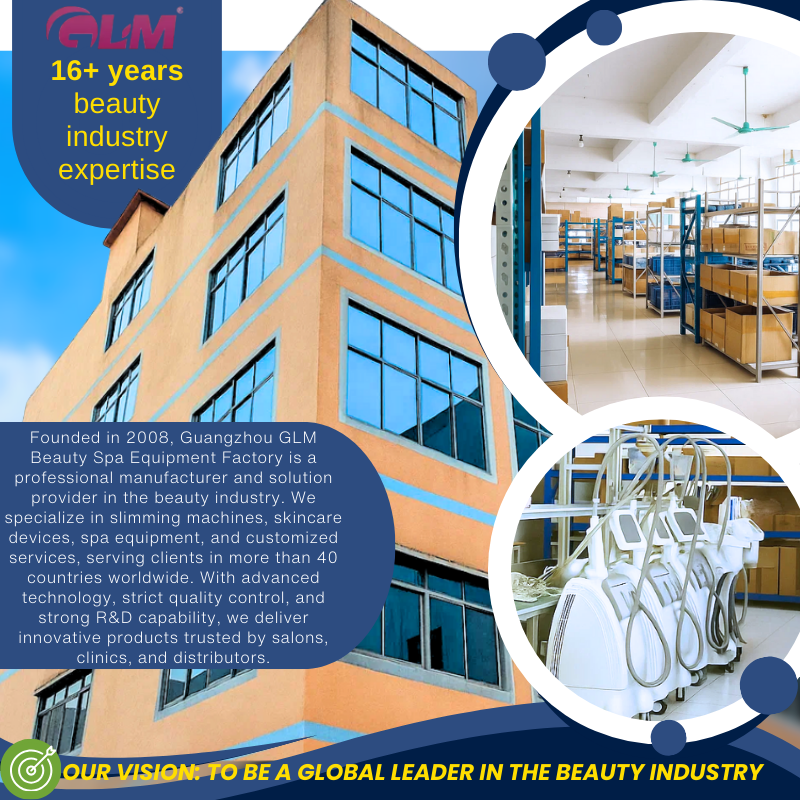
Founded in 2008, Guangzhou GLM Beauty Spa Equipment Factory specializes in research, development, manufacture and selling of beauty and slimming machines. Our production base is located in Guangzhou City, Guangdong Province, China. Since our foundation, we have introduced advanced technologies and equipment, to assure high quality and high performance of our products. With professional marketing guide and excellent after-sales service, our products have been exported to over 20 countries and regions, including Southeast Asia, the Middle East, Europe and the United States, won worldwide praises and gained a good reputation