Introduction
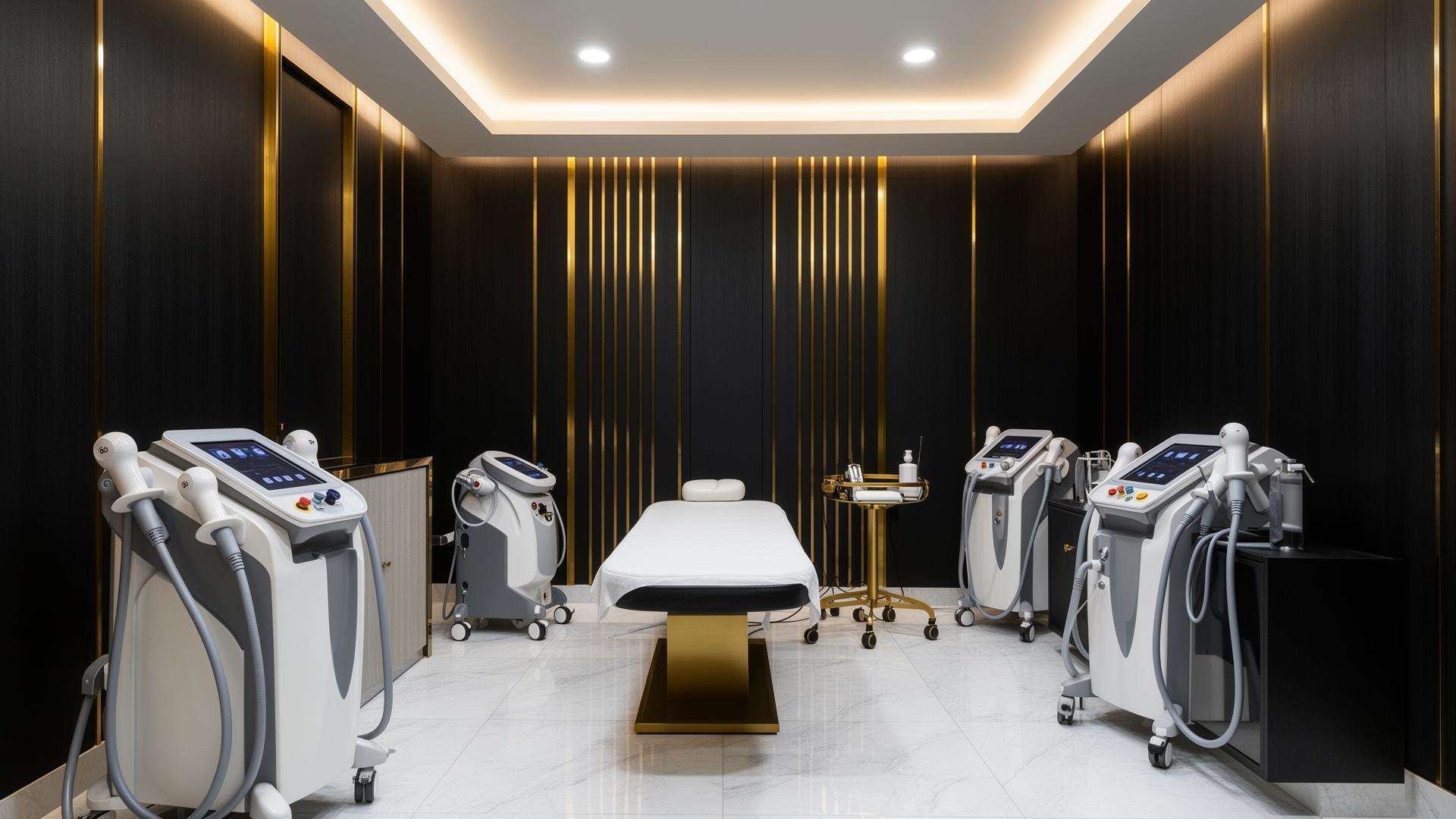
The demand for non-invasive aesthetic treatments continues to grow worldwide. Patients today expect visible improvements with minimal downtime, while clinics seek technologies that deliver reliable outcomes, expand treatment offerings, and maximize return on investment. In this increasingly competitive market, selecting the right medical-grade laser and light equipment is no longer simply a purchasing decision—it is a strategic investment that shapes a clinic's long-term success.
From laser hair removal and skin resurfacing to vascular lesion treatment and skin rejuvenation, modern energy-based devices have transformed aesthetic medicine. However, with dozens of technologies available—including diode lasers, IPL, Q-switched lasers, picosecond systems, CO₂ lasers, and fractional platforms—many clinic owners struggle to determine which systems are truly essential.
Rather than purchasing every available device, successful clinics often build a carefully planned equipment portfolio that addresses the majority of patient concerns while maintaining operational efficiency. Understanding what each technology does, where it excels, and how different systems complement one another helps clinics create versatile treatment menus without unnecessary equipment redundancy.
This guide explores the essential medical-grade laser and light devices every aesthetic clinic should consider, explaining how each technology works, which clinical applications it serves best, and why selecting professional-grade equipment remains critical for achieving consistent patient satisfaction.
Background: Why Equipment Selection Matters More Than Ever
The global aesthetic industry has shifted significantly over the past decade. Clients are increasingly informed, often researching treatments online before booking consultations. They no longer ask simply, "Can you remove my hair?" Instead, they ask:
- Which laser is safest for my skin type?
- Can one treatment address pigmentation and redness together?
- How long is recovery?
- Will the results last?
- Is the technology FDA-cleared or CE-certified?
These expectations place greater pressure on clinics to invest in equipment capable of treating diverse skin conditions safely and effectively.
Professional aesthetic clinics also face additional operational challenges:
- Expanding treatment portfolios without excessive capital investment
- Treating multiple skin types safely
- Reducing treatment time while maintaining comfort
- Increasing patient retention through comprehensive treatment options
- Improving device utilization rates
Instead of relying on a single technology, modern clinics increasingly build integrated treatment ecosystems, combining multiple laser and light platforms to address a wider range of aesthetic concerns.
Medical-Grade Laser & Light Technology Overview
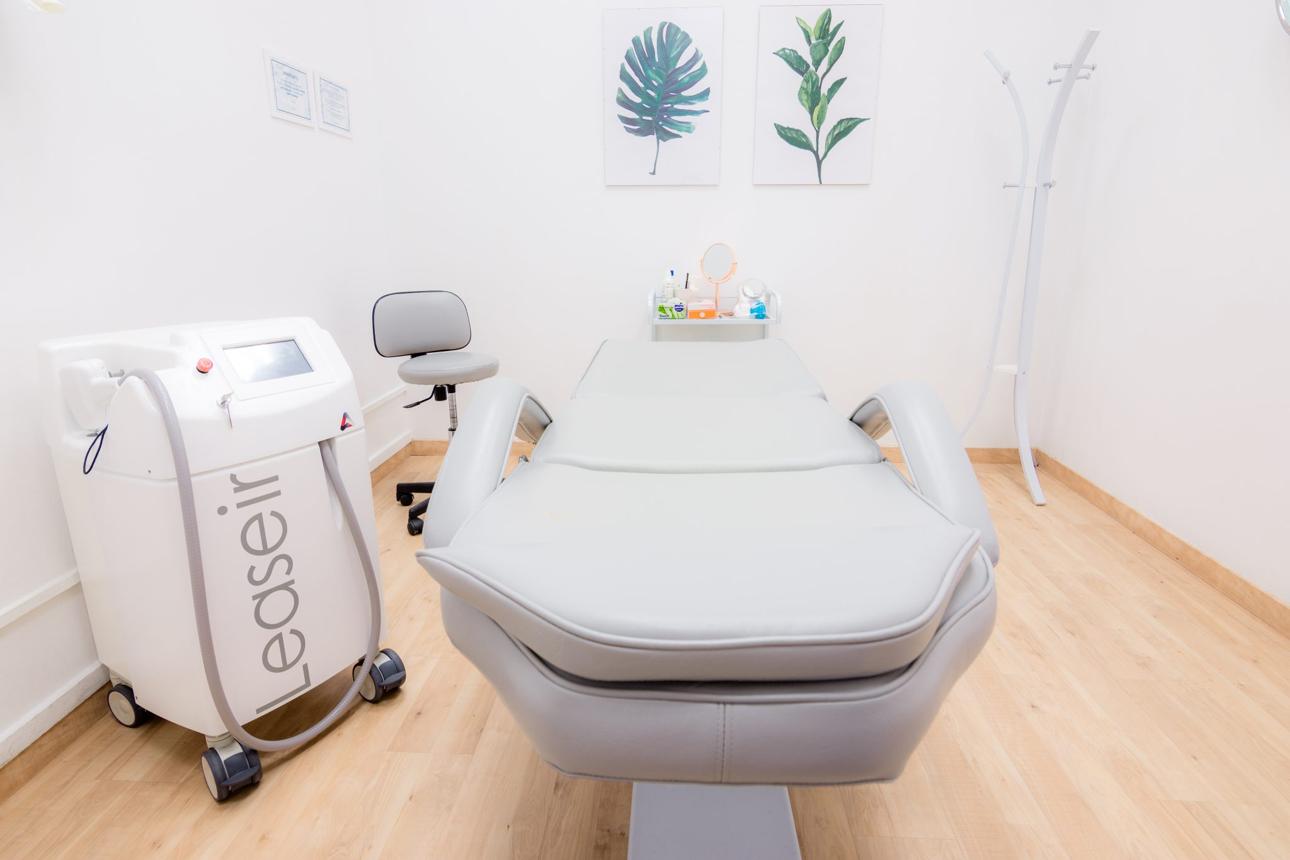
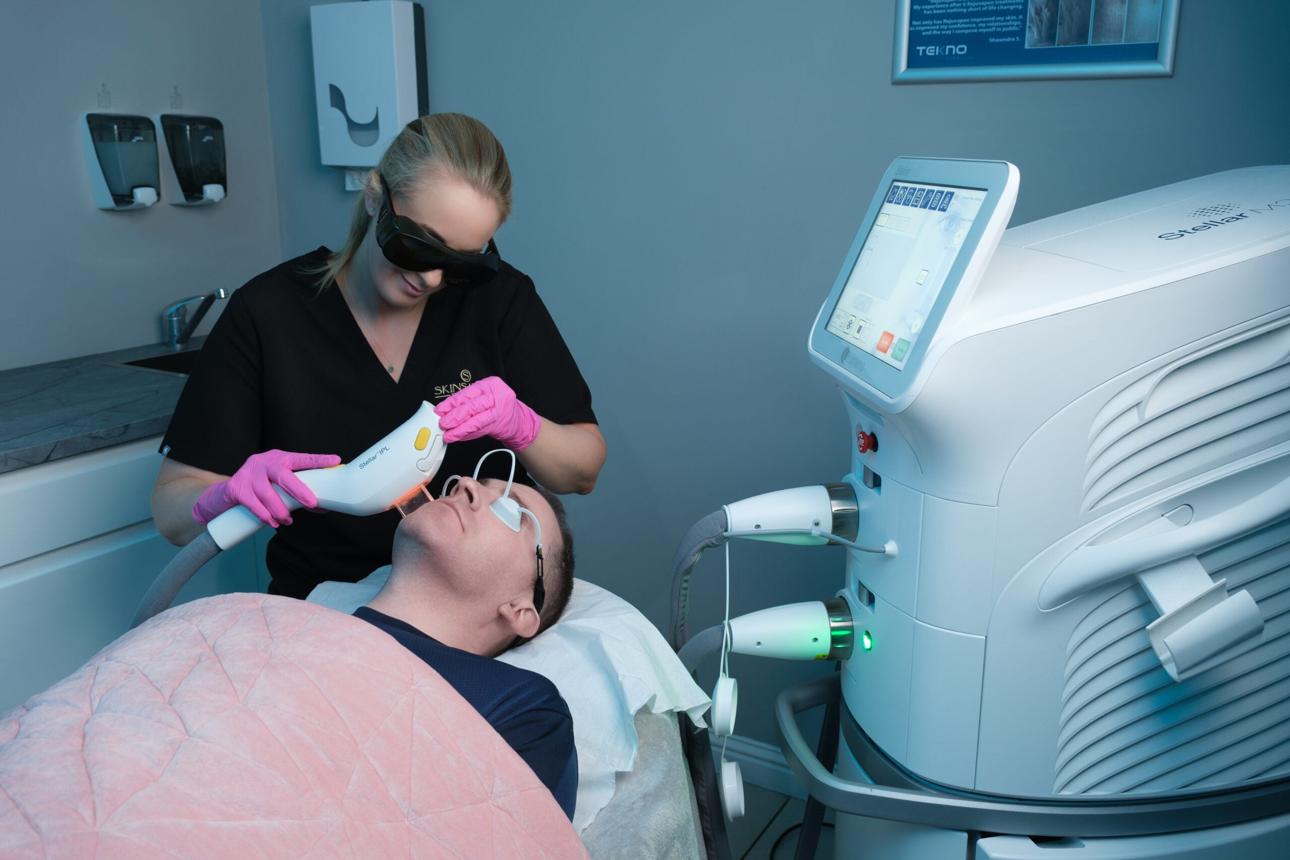
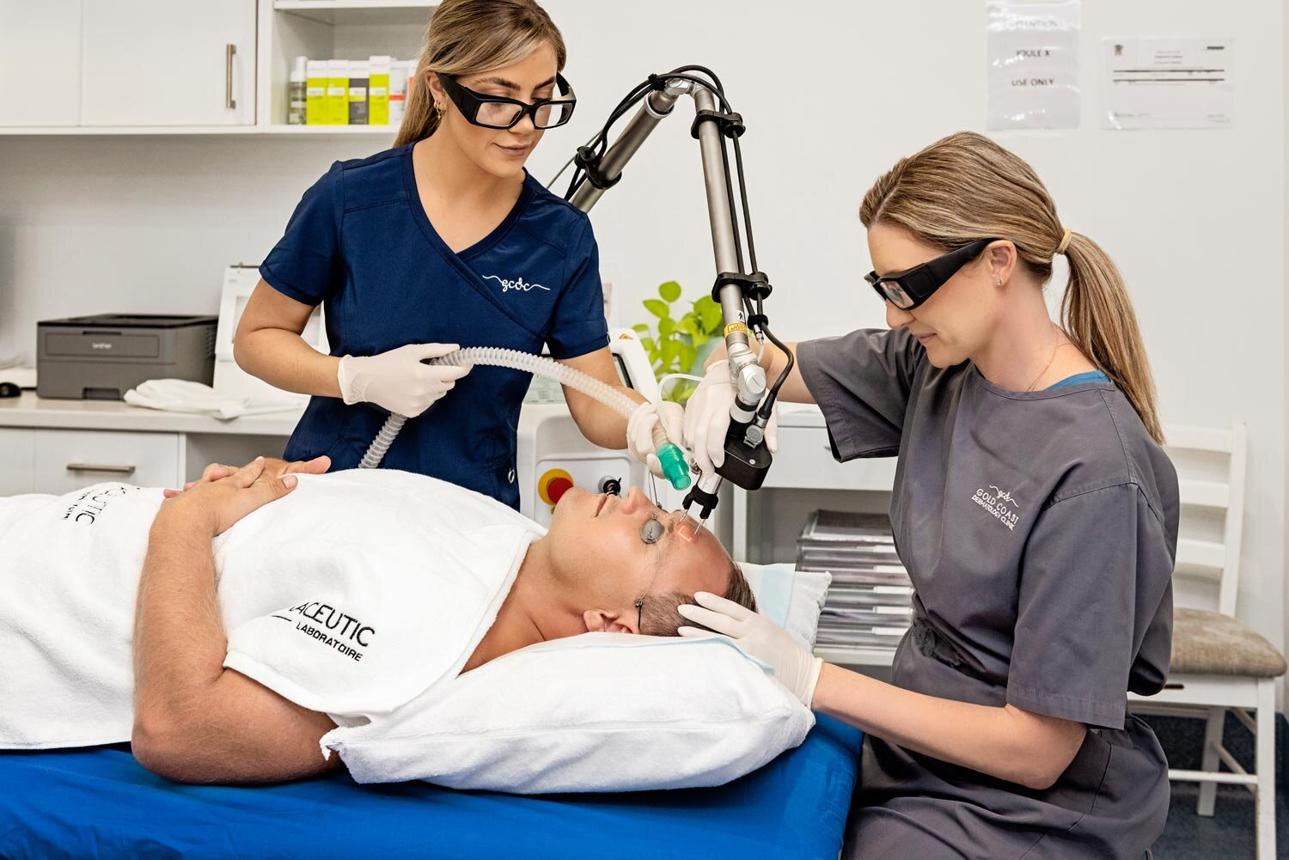
Medical-grade aesthetic devices operate by delivering controlled energy into specific tissue targets. Depending on wavelength, pulse duration, and energy settings, different technologies interact with melanin, hemoglobin, water, or tattoo pigments while minimizing damage to surrounding tissue.
Understanding these mechanisms helps clinics select equipment that matches both patient demand and business objectives.
1. Diode Laser Systems
Diode lasers remain one of the most valuable investments for aesthetic clinics because laser hair removal consistently ranks among the world's most requested cosmetic procedures.
Operating commonly at wavelengths such as 755 nm, 808 nm, 940 nm, or 1064 nm combinations, diode laser systems selectively target melanin within hair follicles. The absorbed energy converts to heat, damaging the follicle while preserving surrounding skin structures.
Modern triple-wavelength platforms further improve treatment versatility by accommodating various hair colors, depths, and skin types.
Typical clinical applications include:
- Permanent hair reduction
- Facial hair removal
- Full-body treatments
- Sensitive-area treatments
- Male grooming procedures
Professional systems generally provide:
- Faster treatment speeds
- Larger spot sizes
- Integrated cooling systems
- Higher energy consistency
- Better patient comfort than home-use devices
For clinics seeking predictable patient demand and recurring appointments, diode laser platforms often represent the foundation of an aesthetic equipment portfolio.
2. IPL (Intense Pulsed Light) Platforms
Unlike lasers that emit a single wavelength, IPL devices produce broad-spectrum light filtered into specific treatment ranges.
This flexibility allows one platform to address multiple skin concerns, making IPL particularly attractive for clinics wishing to maximize treatment diversity without purchasing several dedicated devices.
Common indications include:
- Photorejuvenation
- Sun damage
- Freckles
- Age spots
- Mild pigmentation
- Vascular redness
- Acne management
IPL treatments typically require limited downtime, making them popular among patients seeking gradual skin improvement while maintaining normal daily activities.
Clinics frequently integrate IPL with other energy-based modalities, creating customized treatment protocols tailored to individual skin conditions
3. Fractional CO₂ Laser Systems
Fractional CO₂ lasers are widely regarded as one of the most effective technologies for skin resurfacing and collagen remodeling. Unlike traditional ablative lasers that remove an entire layer of skin, fractional technology creates thousands of microscopic treatment zones while leaving surrounding tissue intact. This approach promotes faster healing and reduces downtime compared with fully ablative procedures.
The laser's 10,600 nm wavelength is highly absorbed by water within the skin, allowing precise vaporization of damaged tissue while stimulating the body's natural wound-healing response. As new collagen forms over the following weeks and months, skin texture gradually becomes smoother and firmer.
Fractional CO₂ laser treatments are commonly used for:
- Acne scars
- Surgical scars
- Fine lines and wrinkles
- Enlarged pores
- Uneven skin texture
- Stretch marks
- Photoaged skin
Although recovery time is longer than with IPL or non-ablative treatments, many patients accept the additional downtime because of the significant improvement that can often be achieved after a carefully planned treatment course.
Fractional Skin Resurfacing in Clinical Practice
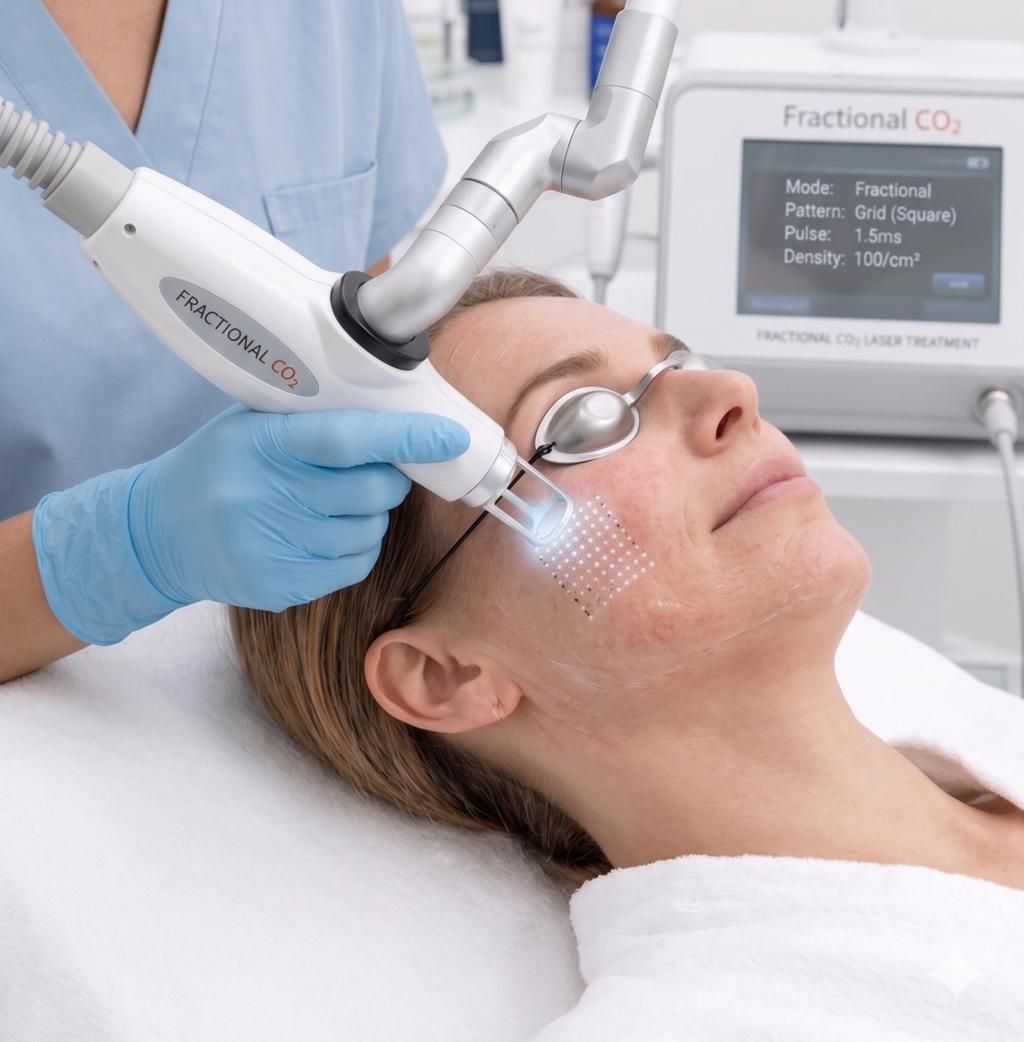
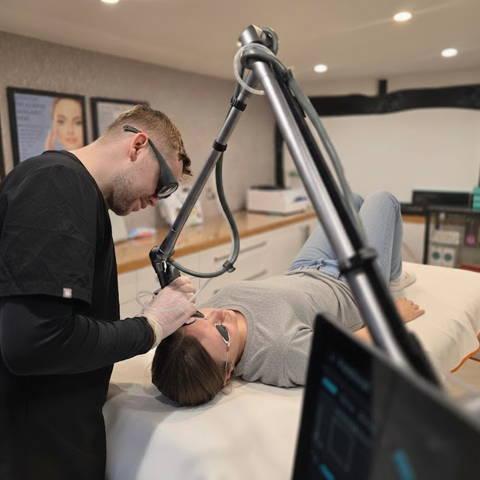
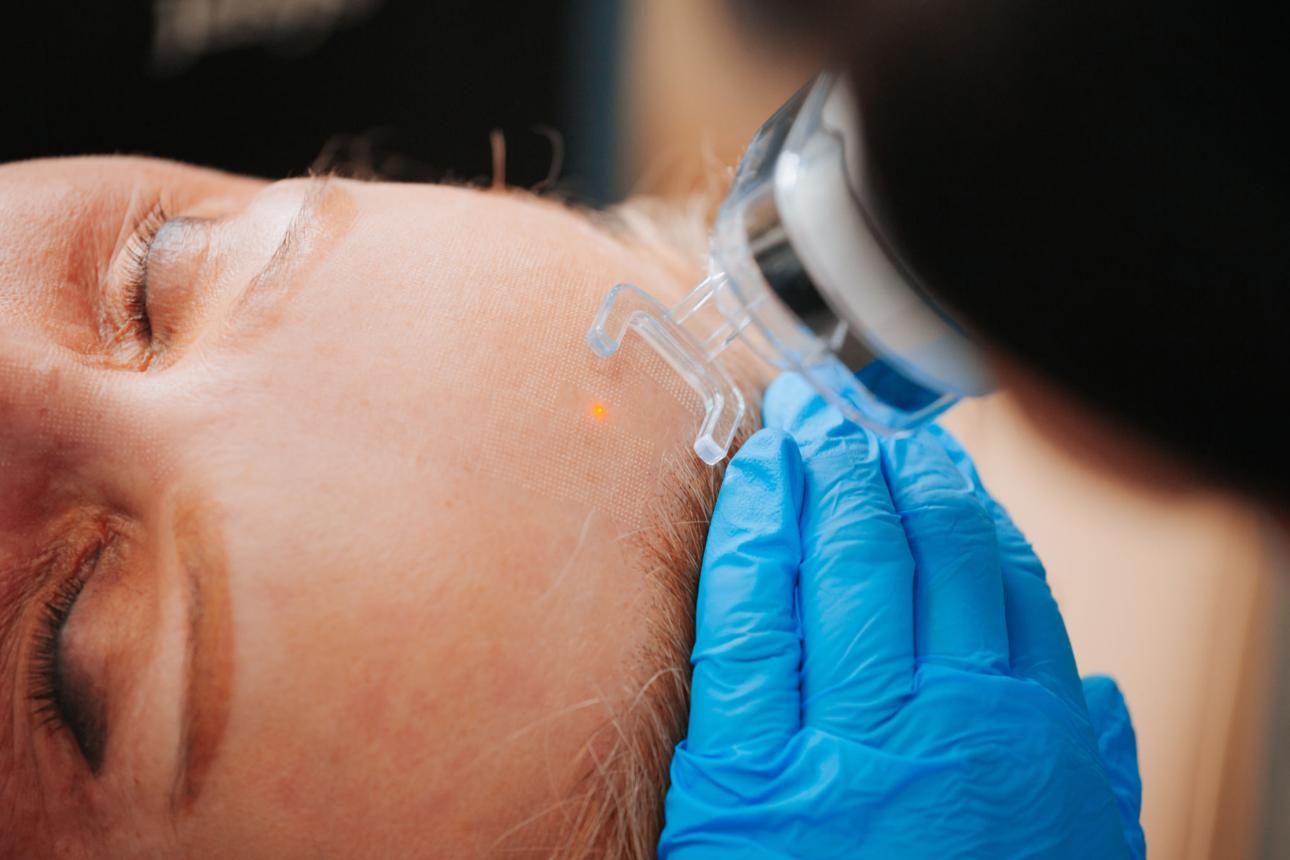
Clinics that offer fractional resurfacing often position it as part of a comprehensive skin rejuvenation program rather than a standalone procedure. Combining resurfacing with proper skincare, LED recovery therapy, and maintenance treatments can improve both patient satisfaction and long-term outcomes.
4. Q-Switched and Picosecond Laser Systems
Pigmentation concerns remain one of the leading reasons patients visit aesthetic clinics. Melasma, freckles, age spots, sun damage, and tattoo removal all require highly selective energy delivery to pigment particles while minimizing injury to surrounding tissue.
Q-Switched Lasers
Q-switched lasers generate extremely short, high-energy pulses that fragment pigment into tiny particles. These particles are then gradually eliminated by the body's lymphatic system.
Typical indications include:
- Benign pigmented lesions
- Tattoo removal
- Freckles
- Solar lentigines
- Nevus of Ota (where appropriate)
Picosecond Lasers
Picosecond technology takes this concept even further by shortening pulse duration from nanoseconds to picoseconds.
Rather than relying primarily on heat, picosecond lasers produce a stronger photoacoustic effect, breaking pigment into even smaller fragments while reducing thermal damage to surrounding tissue.
Advantages include:
- Faster pigment clearance
- Improved tattoo removal
- Shorter recovery
- Lower risk of post-inflammatory hyperpigmentation
- Enhanced collagen remodeling
For clinics serving patients with diverse skin types or those seeking advanced pigmentation treatments, picosecond platforms have become increasingly valuable additions to modern treatment portfolios.
5. Vascular Laser Systems
Not every patient seeks anti-aging treatments. Many visit clinics because of visible vascular conditions that affect confidence and appearance.
Medical-grade vascular lasers specifically target hemoglobin inside blood vessels. The absorbed energy coagulates unwanted vessels without significantly affecting surrounding skin.
Common treatment indications include:
- Facial telangiectasia
- Spider veins
- Rosacea-related redness
- Cherry angiomas
- Diffuse facial redness
- Small vascular lesions
By adding vascular laser capabilities, clinics can significantly broaden their patient base and provide more comprehensive facial rejuvenation programs.
6. LED Light Therapy Systems
Although LED therapy is generally less aggressive than laser procedures, it remains an important complementary technology in professional aesthetic practices.
Different wavelengths trigger different biological responses:
- Blue light: Targets acne-causing bacteria.
- Red light: Supports collagen production and reduces inflammation.
- Near-infrared light: Promotes tissue repair and accelerates recovery.
LED treatments are frequently incorporated:
- Before laser procedures
- After laser resurfacing
- Following microneedling
- During acne treatment programs
- As maintenance therapy
Rather than replacing energy-based devices, LED systems enhance overall treatment protocols by improving patient comfort and supporting the healing process.
Comparing Essential Medical-Grade Technologies
| Technology | Primary Target | Common Applications | Typical Downtime |
|---|---|---|---|
| Diode Laser | Hair follicle melanin | Hair removal | Minimal |
| IPL | Pigment & blood vessels | Photorejuvenation, pigmentation, redness | Minimal |
| Fractional CO₂ | Water in skin tissue | Resurfacing, scars, wrinkles | Moderate |
| Q-Switched Laser | Pigment | Tattoos, freckles, pigmentation | Low |
| Picosecond Laser | Pigment particles | Advanced pigmentation, tattoo removal | Low |
| Vascular Laser | Hemoglobin | Redness, vascular lesions | Minimal |
| LED Therapy | Cellular response | Recovery, acne, rejuvenation support | None |
Building an Equipment Portfolio That Meets Patient Needs
Rather than purchasing equipment based solely on market trends, clinics benefit from evaluating the most common concerns presented by their target patient population.
For example:
- A clinic focused on body aesthetics may prioritize diode laser systems for hair removal alongside body contouring technologies.
- A skin-focused medical spa may invest in IPL, fractional CO₂, and picosecond lasers to address pigmentation, texture, and signs of aging.
- Practices serving a wide demographic often combine multiple laser and light platforms to provide personalized treatment plans while improving equipment utilization.
This layered approach allows clinics to treat a broader range of indications without relying on a single device to perform every task. It also creates opportunities to design combination protocols that can enhance treatment efficiency, improve patient experience, and encourage repeat visits through long-term skin management programs
Conclusion
As aesthetic medicine continues to evolve, clinics are no longer judged solely by the number of treatments they offer, but by the quality, safety, and consistency of the results they deliver. Selecting the right combination of medical-grade laser and light equipment enables practitioners to address a broad spectrum of patient concerns while maintaining operational efficiency and long-term business growth.
Rather than viewing each device as an isolated investment, successful clinics build integrated treatment ecosystems where different technologies complement one another. A diode laser may become the cornerstone for hair removal services, while IPL expands skin rejuvenation options. Fractional CO₂ systems provide advanced resurfacing capabilities, picosecond lasers tackle stubborn pigmentation and tattoo removal, vascular lasers treat redness-related concerns, and LED therapy supports faster recovery and enhanced patient comfort.
This comprehensive approach not only increases treatment versatility but also allows clinics to personalize protocols according to individual skin types, aesthetic goals, and recovery expectations. Patients increasingly value customized treatment plans, and clinics equipped with multiple professional technologies are better positioned to deliver those experiences.
When evaluating new equipment, decision-makers should look beyond purchase price alone. Factors such as clinical performance, treatment versatility, ease of operation, maintenance requirements, consumable costs, software upgrades, training support, and manufacturer reliability all contribute to the long-term value of an investment.
Ultimately, the most successful aesthetic clinics are those that combine advanced technology with professional expertise, evidence-based treatment planning, and patient-centered care. Building a well-balanced portfolio of medical-grade laser and light equipment creates a strong foundation for sustainable growth, improved patient satisfaction, and a competitive advantage in today's rapidly evolving aesthetic industry
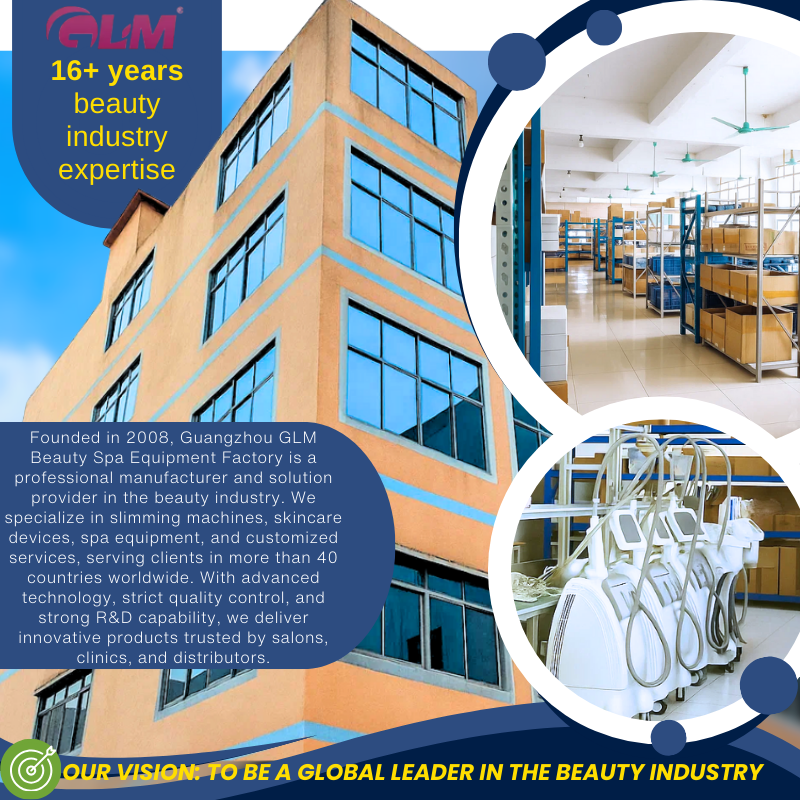
Founded in 2008, Guangzhou GLM Beauty Spa Equipment Factory specializes in research, development, manufacture and selling of beauty and slimming machines. Our production base is located in Guangzhou City, Guangdong Province, China. Since our foundation, we have introduced advanced technologies and equipment, to assure high quality and high performance of our products. With professional marketing guide and excellent after-sales service, our products have been exported to over 20 countries and regions, including Southeast Asia, the Middle East, Europe and the United States, won worldwide praises and gained a good reputation