Introduction
As aesthetic clinics continue to evolve, there is a growing demand for technologies that combine visible results with minimal downtime. Clients today are more informed and often prefer treatments that are effective yet non-invasive.
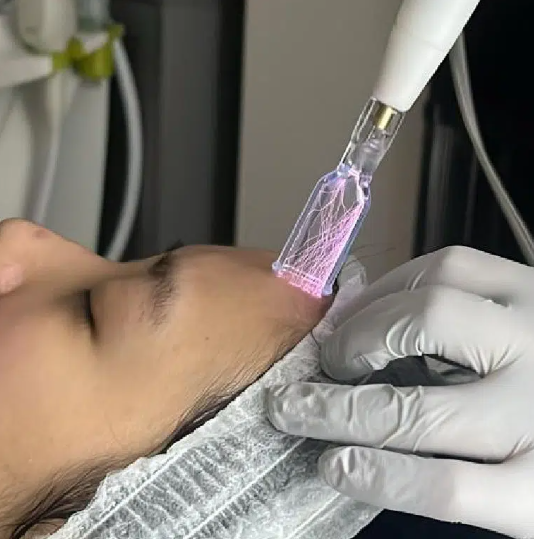
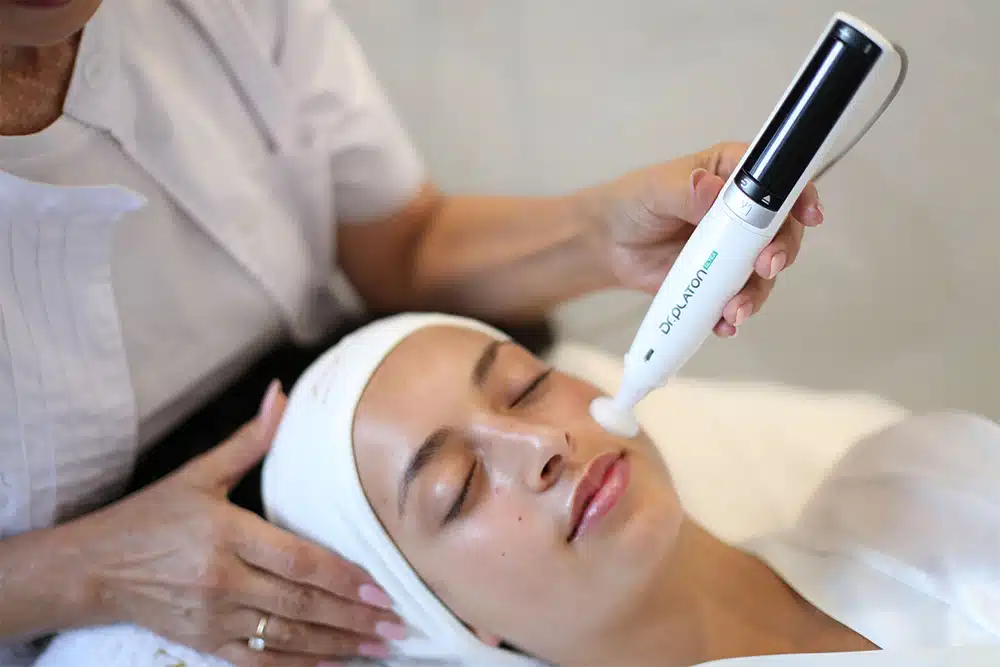
Among the emerging solutions, Plasma Skin Therapy has gained significant attention. Plasma-based devices are now widely used in professional skincare settings for skin rejuvenation, tightening, and surface correction.
These systems utilize ionized gas—commonly referred to as plasma—to interact with the skin in a controlled and precise manner. Because of their versatility and relatively gentle approach compared to surgical methods, plasma devices are becoming a valuable addition to modern aesthetic clinics.
Background / Problem
Skin concerns such as laxity, uneven texture, and signs of aging are common among clients of all age groups. These issues are primarily related to:
-
Collagen degradation
-
Reduced skin elasticity
-
Environmental damage
Traditional treatment methods often fall into two extremes:
-
Highly invasive procedures with longer recovery time
-
Mild treatments with limited effectiveness
This creates a gap in the market for technologies that offer both effectiveness and safety.
Additionally, maintaining proper hygiene and reducing microbial presence on the skin is critical in professional treatments. Certain skin conditions may be associated with microorganisms such as Staphylococcus aureus, which can contribute to skin irritation or infection.
Plasma technology addresses both aesthetic and hygienic needs, making it particularly valuable in clinical environments.
Technology / Mechanism
The effectiveness of Plasma Skin Therapy lies in its ability to generate ionized gas that interacts with the skin surface.
1. Plasma Energy Generation
Plasma is created when gas is energized to the point that it becomes ionized.
This ionized state contains:
-
Charged particles
-
Reactive oxygen species
-
Electrons and ions
These components allow plasma to interact with the skin in unique ways.
2. Controlled Micro-Thermal Stimulation
Plasma devices deliver controlled micro-thermal effects to the skin.
This stimulation can:
-
Trigger collagen regeneration
-
Promote skin tightening
-
Improve skin texture
Unlike traditional heat-based treatments, plasma energy is often more localized and precise.
3. Surface Interaction Without Deep Damage
Plasma energy primarily interacts with the superficial layers of the skin.
This makes it suitable for:
-
Surface rejuvenation
-
Fine line improvement
-
Minor skin irregularities
Because the energy is controlled, the surrounding tissue remains largely unaffected.
4. Antibacterial and Sterilization Effect
One of the unique benefits of plasma technology is its ability to reduce microbial presence on the skin.
Plasma-generated reactive species can help inhibit bacteria such as Staphylococcus aureus, supporting cleaner treatment conditions and potentially reducing post-treatment complications.
Advantages / Comparison
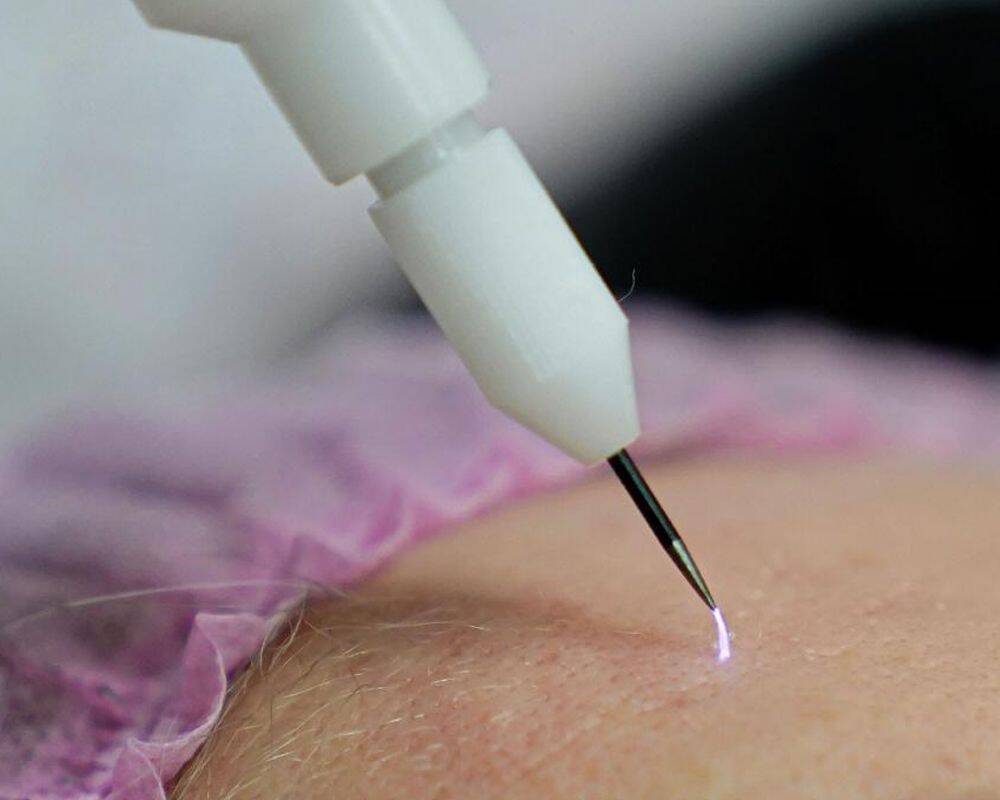
Plasma devices offer several advantages that contribute to their growing adoption in aesthetic clinics.
Non-Invasive with Visible Results
Plasma treatments provide noticeable skin improvements without the need for surgery.
Dual Function: Aesthetic + Hygiene
Unlike many other technologies, plasma devices combine skin rejuvenation with antibacterial effects.
Precision Treatment
The controlled application of plasma allows practitioners to target specific areas with high accuracy.
Versatility Across Indications
Plasma devices can be used for:
-
Skin tightening
-
Surface rejuvenation
-
Acne-related treatments
-
Post-procedure sterilization support
Applications / Client Needs
The increasing demand for Plasma Skin Therapy is driven by its ability to meet diverse client needs.
Skin Rejuvenation
Clients seeking improved skin texture and tone benefit from plasma’s ability to stimulate renewal processes.
Mild Skin Tightening
Plasma treatments help improve skin firmness, especially in delicate areas.
Acne and Skin Hygiene
The antibacterial properties of plasma support acne management and cleaner skin environments.
Complementary Treatments
Plasma devices are often combined with RF, microneedling, or hydrafacial systems to enhance overall treatment outcomes.
Conclusion
The growing role of Plasma Skin Therapy in aesthetic clinics reflects a broader shift toward non-invasive, multifunctional technologies.
By combining skin rejuvenation, tightening, and antibacterial effects—particularly against microorganisms like Staphylococcus aureus—plasma devices offer a comprehensive solution for modern skincare challenges.
As clinics continue to prioritize safety, efficiency, and versatility, plasma technology is set to become an increasingly important part of professional aesthetic treatment portfolios.
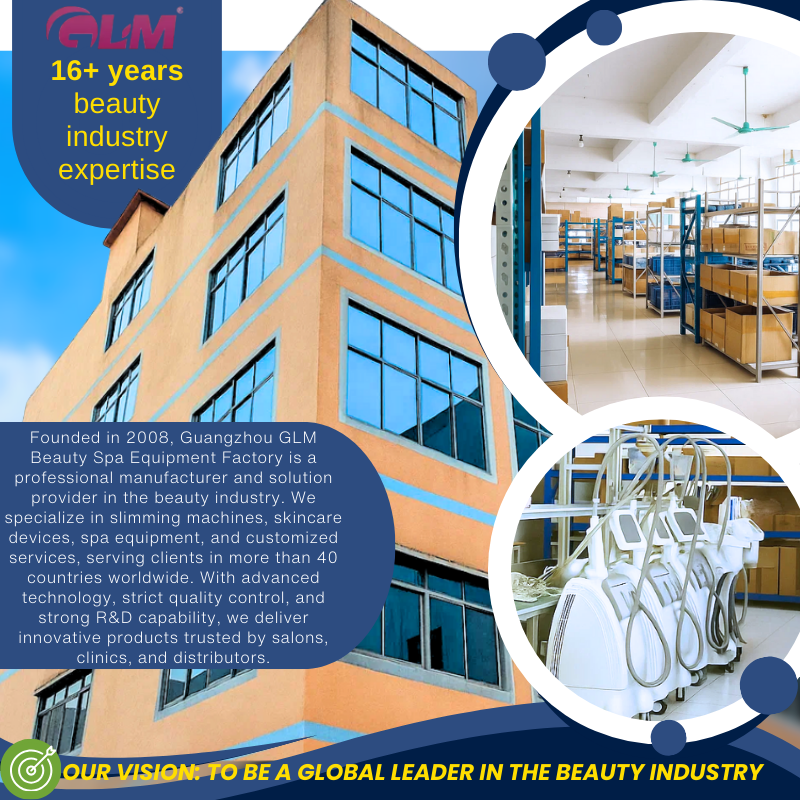
Founded in 2008, Guangzhou GLM Beauty Spa Equipment Factory specializes in research, development, manufacture and selling of beauty and slimming machines. Our production base is located in Guangzhou City, Guangdong Province, China. Since our foundation, we have introduced advanced technologies and equipment, to assure high quality and high performance of our products. With professional marketing guide and excellent after-sales service, our products have been exported to over 20 countries and regions, including Southeast Asia, the Middle East, Europe and the United States, won worldwide praises and gained a good reputation.