Introduction
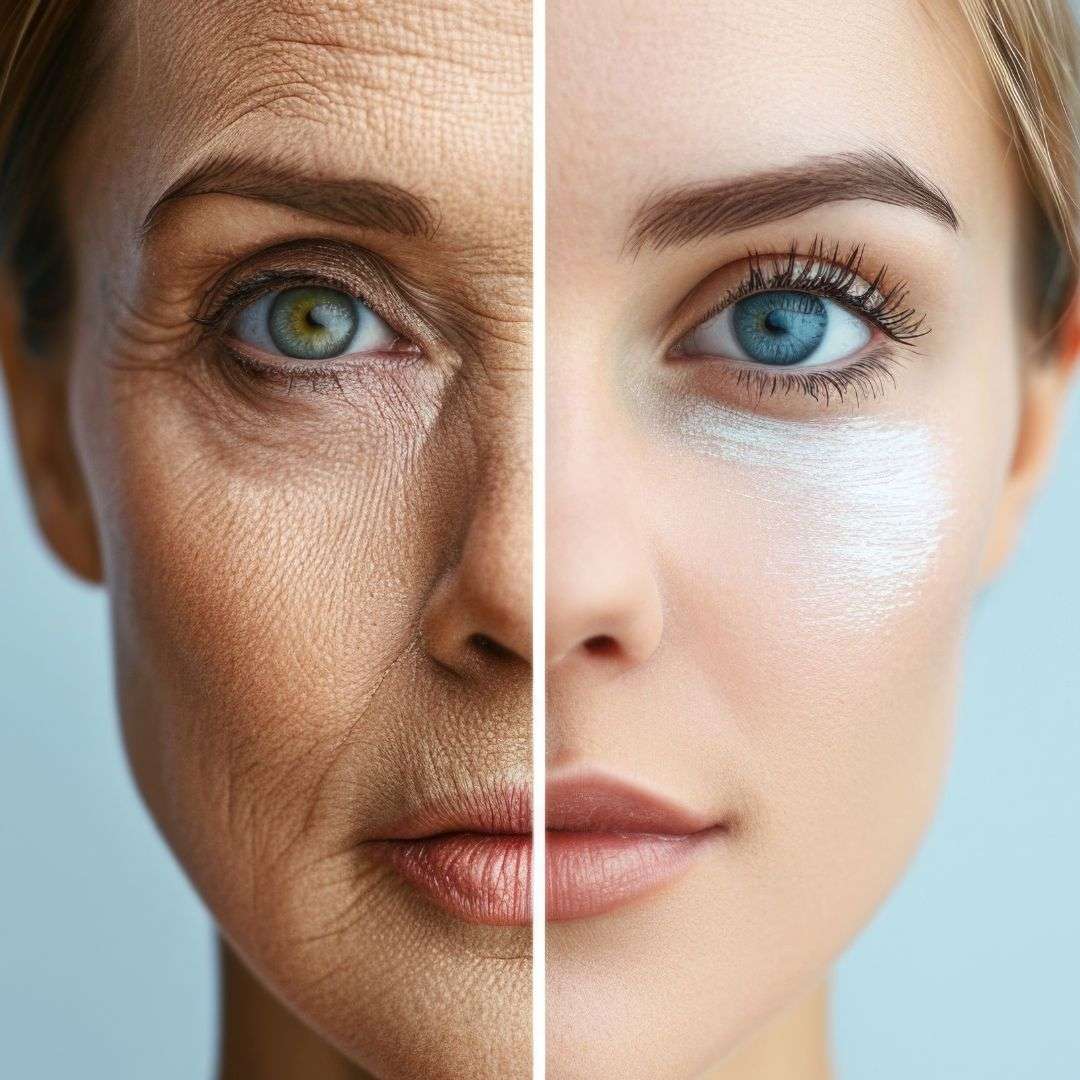
The pursuit of youthful, healthy-looking skin has always been central to aesthetic medicine. While topical creams and injectables once dominated the field, energy-based devices (EBDs) are now transforming how anti-aging treatments are delivered. These technologies—ranging from lasers to radiofrequency and ultrasound—use physics-based energy to rejuvenate the skin, stimulate natural repair, and reduce visible signs of aging. But why has their popularity surged, and what does science reveal about their efficacy?
Background: The Need for Alternatives Beyond Creams and Surgery
Traditional anti-aging methods such as moisturizers, retinoids, or even surgical facelifts provide varying degrees of effectiveness but also limitations. Topicals often fail to penetrate deeply enough to correct structural skin issues, while surgery involves downtime, risks, and costs that many patients want to avoid. Patients increasingly demand procedures that are safe, effective, minimally invasive, and suitable for a wide range of lifestyles. This gap has been filled by EBDs, which work at both superficial and deeper layers of the skin without incisions.
The Science of Energy-Based Devices
EBDs rely on physical energy—light, heat, sound, or electromagnetic waves—to stimulate tissue responses. Each modality has its own mechanism:
-
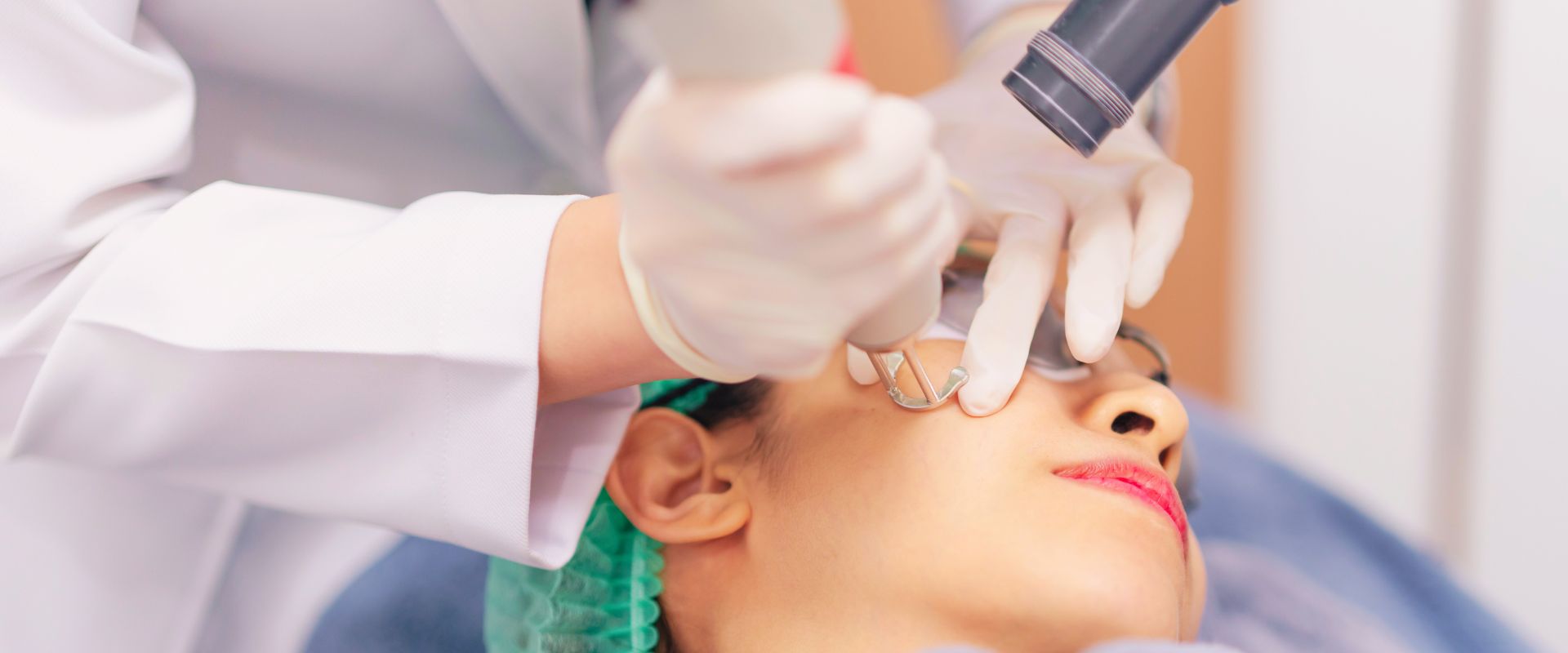
Laser Therapy (Light Energy): Lasers deliver concentrated light that targets specific chromophores in the skin, such as hemoglobin or melanin, allowing treatment of pigmentation, vascular lesions, and fine wrinkles.
-
Radiofrequency (Heat Energy): RF delivers controlled thermal energy to the dermis, promoting collagen contraction and remodeling without damaging the epidermis.
-
Ultrasound (Sound Energy): High-intensity focused ultrasound penetrates deeply to stimulate collagen and elastin production, tightening skin structures.
-
Intense Pulsed Light (Broadband Light): Unlike lasers, IPL uses multiple wavelengths, making it versatile for improving redness, pigmentation, and texture.
By targeting biological pathways like collagen neogenesis and elastin remodeling, these devices address aging at its root.
Advantages Compared to Traditional Approaches
EBDs have several advantages that explain their rise:
-
Non-Invasive or Minimally Invasive: No incisions, sutures, or significant downtime.
-
Customizable Treatments: Adjustable energy levels and depths allow personalization for different skin types and concerns.
-
Natural Results: Instead of artificially “stretching” the skin, EBDs stimulate natural collagen and elastin repair.
-
Lower Risk Profile: Compared to surgery, complications are fewer and easier to manage.
-
Combination Potential: They can be safely combined with injectables or skincare for synergistic outcomes.
Safety Across Skin Types
Historically, energy-based devices were limited by risks of burns or hyperpigmentation, especially in darker skin tones (Fitzpatrick IV–VI). Advances in technology, including real-time cooling, insulated microneedles, and energy modulation, now make many EBDs safer for diverse skin types. Clinicians still need to assess individual risk factors, but safety data increasingly supports inclusive use across demographics.
Applications and Patient Needs
Energy-based devices meet a wide range of patient needs:
-
Wrinkle Reduction: Stimulating collagen reduces fine lines and improves elasticity.
-
Skin Tightening: RF and ultrasound address sagging skin without surgery.
-
Pigmentation Control: Lasers and IPL target age spots, freckles, and melasma.
-
Acne and Scarring: EBDs improve both active acne and post-acne scarring.
-
Preventive Aging: Younger patients use EBDs as maintenance to slow visible aging.
This versatility explains their integration into dermatology clinics, aesthetic centers, and medspas worldwide.
Market Trends Driving Growth
The rise of EBDs is not accidental—it aligns with broader market shifts:
-
Consumer Demand for Non-Invasive Aesthetics: Patients prefer treatments that balance results with lifestyle convenience.
-
Technological Innovation: From fractional lasers to hybrid RF systems, innovations broaden indications and enhance safety.
-
Global Accessibility: Devices are no longer confined to large hospitals; they are widely available in medspas and private clinics.
-
Social Media Influence: Awareness of procedures like “laser facials” or “RF microneedling” has grown via influencers and online platforms.
-
Combination Therapies: Clinics increasingly market EBDs alongside serums, injectables, and skincare regimens.
Challenges and Considerations
Despite their popularity, EBDs are not without limitations. Results may require multiple sessions, and outcomes vary by patient biology. Costs can be significant compared to skincare products, and untrained operators may increase complication risks. Ethical marketing and patient education remain essential to ensure realistic expectations.
Conclusion
Energy-based devices have become central to modern anti-aging aesthetics by bridging the gap between topicals and surgery. Through light, heat, and sound-based technologies, they deliver clinically proven results with minimal downtime and broad applications. As innovation continues, EBDs will likely remain at the forefront of safe, effective, and inclusive skin rejuvenation treatments.
Founded in 2008, Guangzhou GLM Beauty Spa Equipment Factory specializes in research, development, manufacture and selling of beauty and slimming machines. Our production base is located in Guangzhou City, Guangdong Province, China. Since our foundation, we have introduced advanced technologies and equipment, to assure high quality and high performance of our products. With professional marketing guide and excellent after-sales service, our products have been exported to over 20 countries and regions, including Southeast Asia, the Middle East, Europe and the United States, won worldwide praises and gained a good reputation.