Introduction
Skin lifting has traditionally been associated with surgical procedures, long recovery periods, and significant treatment costs. Today, however, clients are increasingly looking for a different approach: visible improvements in firmness and facial definition without incisions, extensive downtime, or major lifestyle disruption.
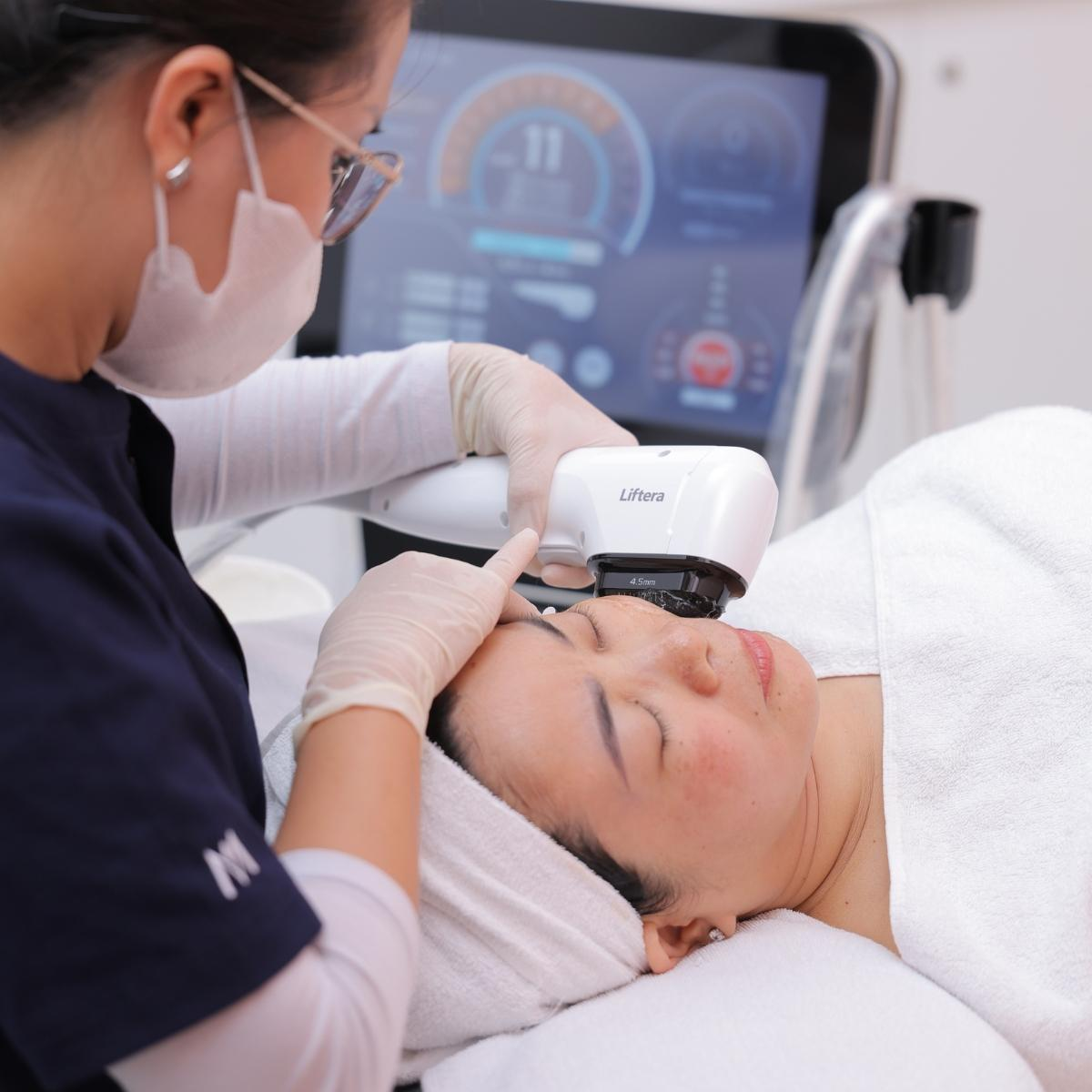
This shift has contributed to the rapid development of non-invasive and non-surgical skin lifting technologies in professional beauty clinics and aesthetic practices. Radiofrequency (RF), High-Intensity Focused Ultrasound (HIFU), microfocused ultrasound, and other energy-based platforms are becoming important tools for professionals who want to provide customized skin tightening and rejuvenation services.
The appeal of these technologies is not simply that they are “non-invasive.” Their real value lies in the ability to deliver controlled energy to targeted tissue, creating a treatment response that topical skincare products cannot easily reproduce. Depending on the technology, energy can be delivered across different tissue depths to support collagen remodeling, skin contraction, and a firmer appearance.
For beauty salons, aesthetic clinics, and professional operators, this creates a new opportunity. Instead of offering only conventional facials, businesses can build technology-driven treatment programs around different stages of skin aging and different client concerns.
The rise of non-invasive skin lifting is therefore not just a trend in beauty. It represents a broader shift toward personalized, technology-assisted aesthetic treatments.
Background: Why Clients Are Looking Beyond Traditional Skincare
Skin laxity is a gradual process. As people age, collagen and elastin production changes, while environmental exposure, lifestyle factors, and natural structural changes can contribute to reduced firmness and definition.
Common concerns include a softer jawline, less defined facial contours, loose-looking skin around the cheeks, and visible changes in the neck area.
Traditional skincare remains valuable for maintaining skin hydration, surface condition, and overall appearance. However, creams, serums, and masks primarily work at the skin surface and cannot deliver the same type of controlled energy stimulation that professional aesthetic devices can provide.
This has created a gap between everyday skincare and surgical procedures.
Many clients do not necessarily want a facelift. At the same time, they may expect more noticeable results than they can achieve through a conventional facial. Non-invasive skin lifting technologies occupy this middle ground.
For clinics, this is particularly important because treatment expectations have become more sophisticated. Clients are asking not only, “Will my skin look better?” but also:
- How does the treatment work?
- How deep does the energy reach?
- How many treatments may be needed?
- Is there downtime?
- Which technology is appropriate for my skin?
- Can the treatment be combined with other aesthetic services?
Professional equipment allows practitioners to answer these questions through treatment protocols rather than generic skincare recommendations.
Technology and Mechanism: How Non-Invasive Skin Lifting Works
Although different devices use different energy sources, many professional skin lifting technologies share a fundamental concept: controlled energy is delivered to selected tissue to encourage a biological response.
The objective is not simply to heat the skin. Energy must be delivered at an appropriate intensity, depth, distribution, and treatment duration for the intended application.
1. Radiofrequency: Controlled Thermal Energy
Radiofrequency technology uses electromagnetic energy to generate controlled heating within targeted tissue.
In aesthetic applications, RF can be designed to heat the dermal and subdermal layers, depending on the device configuration and treatment parameters. Controlled thermal stimulation can encourage collagen remodeling and contribute to a firmer-looking skin appearance.
One advantage of RF is its versatility. Professional RF platforms can be incorporated into facial tightening, skin rejuvenation, contour-focused protocols, and maintenance treatments.
For a clinic, this versatility can make RF equipment useful across a relatively broad client base.
However, RF is not simply about selecting the highest temperature. Professional operators need to consider treatment area, skin condition, energy delivery, contact, treatment time, and client response. Appropriate device design and operator training are therefore important parts of the treatment process.
The FDA also classifies certain RF devices specifically for non-invasive aesthetic use, demonstrating that RF is an established technology category rather than simply a consumer beauty trend.
2. HIFU and Focused Ultrasound: Targeted Energy at Specific Depths
High-Intensity Focused Ultrasound, commonly known as HIFU, uses focused ultrasound energy rather than RF energy.
The key difference is how the energy is concentrated. Instead of broadly heating an area, focused ultrasound can create localized energy zones at selected depths.
This makes HIFU particularly interesting for professional skin lifting and contour-focused treatments.
Depending on the specific device and indication, focused ultrasound technology can produce localized thermal effects in tissue. The FDA describes focused ultrasound aesthetic systems as devices that use focused ultrasound to produce localized effects, including heating for tissue coagulation, under defined regulatory classifications.
From a clinic perspective, this depth-oriented approach is valuable because facial aging does not occur exclusively at the surface.
Different areas of the face may require different treatment strategies. A practitioner may therefore select different cartridges, depths, energy settings, or treatment patterns according to the treatment area and client needs.
3. Microfocused Ultrasound and Other Energy-Based Platforms
The broader category of non-invasive lifting also includes microfocused ultrasound and other energy-based systems.
These technologies may differ in energy delivery pattern, depth, temperature control, treatment precision, and intended applications.
This is why “skin tightening machine” should not be treated as a single technology category.
Two devices may both be marketed for lifting but work very differently.
One may emphasize deeper focused energy, another may focus on volumetric dermal heating, while another may combine multiple technologies to support a broader rejuvenation protocol.
For professional buyers, understanding the underlying technology is therefore more useful than comparing machines solely by marketing claims.
Advantages and Comparison: Why Non-Invasive Technologies Are Growing
The rise of non-invasive skin lifting can be explained by several practical advantages.
Less Disruption to the Client
One of the strongest advantages is that many non-invasive treatments are designed to minimize disruption compared with surgical procedures.
Clients can often incorporate professional aesthetic treatments into their normal schedules without the extended recovery associated with surgery.
This does not mean every treatment is completely comfortable or risk-free. Energy-based procedures can cause temporary redness, swelling, discomfort, or other reactions, depending on the technology and treatment parameters. Proper screening, device selection, and adherence to manufacturer instructions remain essential.
For example, the FDA notes that ultrasound-based aesthetic procedures can cause adverse effects including discomfort, redness, swelling, and burns when improperly used or depending on the procedure.
Gradual and Natural-Looking Results
Another important factor is the gradual nature of many collagen-focused treatments.
Rather than dramatically changing facial appearance overnight, professional energy-based treatments can be positioned around progressive improvement and maintenance.
This aligns with the preferences of clients who want to look refreshed rather than obviously “treated.”
For clinics, gradual improvement also creates opportunities for treatment plans, follow-up appointments, maintenance sessions, and complementary skincare services.
More Personalized Treatment Strategies
Modern professional equipment can support a more customized approach.
Instead of applying the same facial treatment to every client, practitioners can consider:
- Skin laxity
- Treatment area
- Facial structure
- Skin thickness
- Client expectations
- Previous aesthetic treatments
- Desired treatment intensity
- Maintenance requirements
This personalization is becoming increasingly important as clients become more knowledgeable about aesthetic technologies.
Professional Equipment vs. Home Beauty Devices
The growing popularity of home beauty devices has made consumers more familiar with technologies such as RF, LED, ultrasound, and microcurrent.
However, professional systems are designed for a different environment.
Professional platforms can offer more sophisticated energy control, specialized applicators, multiple treatment parameters, larger treatment areas, and protocols intended for trained operators.
The distinction is not simply “professional devices are stronger.” A better way to understand it is that professional equipment is designed around controlled treatment delivery and repeatable clinical or salon workflows.
For a professional business, this matters because treatment quality depends not only on energy output but also on consistency, operator technique, treatment protocols, and device reliability.
Applications and Client Needs
Non-invasive skin lifting technologies can be integrated into a variety of professional treatment programs.
Facial Firming and Contouring
Clients concerned about reduced facial definition may seek treatments around the cheeks, jawline, lower face, or neck.
HIFU and other focused ultrasound technologies can be positioned around deeper lifting and contour-focused applications, while RF can be incorporated into programs focused on dermal tightening and skin rejuvenation.
The appropriate technology depends on the individual client and the capabilities and indications of the specific device.
Neck and Décolletage Treatments
The neck is often one of the areas where visible signs of aging become noticeable.
Professional energy-based treatments can form part of a broader neck rejuvenation program, particularly for clients who are concerned about reduced firmness and skin texture.
Because the neck has different anatomical characteristics from the face, practitioners should follow device-specific treatment protocols rather than simply extending facial settings to the neck.
Maintenance Programs
One of the most commercially valuable applications of non-invasive technology is ongoing maintenance.
Instead of viewing skin lifting as a one-time procedure, clinics can develop structured programs combining intensive treatments with maintenance sessions.
For example, a clinic may use one technology for a primary tightening treatment and another technology for periodic maintenance, depending on the client's needs and the devices available.
This approach transforms equipment from a single-service purchase into part of a broader customer-retention strategy.
Combining Technologies
The future of professional skin lifting is unlikely to depend on one technology alone.
Different energy platforms can address different aspects of skin aging.
For example, one treatment may focus on deeper tissue stimulation, another on dermal heating, while skincare or other aesthetic technologies address the surface condition of the skin.
The important point is that combination treatment should be based on a clear protocol rather than simply combining technologies because more treatments appear more impressive.
Professionals should consider compatibility, treatment intervals, contraindications, client tolerance, and the intended outcome.
What This Means for Modern Beauty Clinics
For clinic owners and beauty business operators, the rise of non-invasive skin lifting represents more than an equipment trend.
It creates a way to build a more technology-driven service portfolio.
A professional skin lifting platform can potentially support:
Higher-value treatment services
Technology-based treatments can be positioned as specialized services rather than conventional facials.
Personalized treatment packages
Different clients can receive different protocols according to their concerns and treatment goals.
Recurring maintenance services
Gradual skin improvement naturally creates opportunities for follow-up and maintenance programs.
Professional differentiation
A clinic equipped with modern aesthetic technology can communicate a stronger technology-focused positioning.
OEM and private-label opportunities
For beauty equipment manufacturers and distributors, reliable platforms with flexible configurations, multiple handpieces, clear operating interfaces, and customized branding can support different markets and clinic business models.
However, equipment should never be selected purely because a technology is trending.
A professional buyer should evaluate the device's intended use, safety features, energy control, treatment parameters, consumables, training support, warranty, documentation, and after-sales service.
In international markets, regulatory status and local requirements should also be reviewed carefully before a device is marketed or used.
Conclusion
The rise of non-invasive skin lifting technologies reflects a fundamental change in how modern aesthetic treatments are delivered.
Clients increasingly want visible improvements without committing immediately to surgery. At the same time, professional clinics need technologies that can deliver more than basic skincare while fitting into practical treatment workflows.
RF, HIFU, focused ultrasound, and other energy-based platforms offer different approaches to this challenge. Their value comes from controlled energy delivery, targeted treatment strategies, and the ability to support personalized professional protocols.
The future of skin lifting will therefore not be defined by a single “best” machine. Instead, successful clinics will increasingly focus on choosing the right technology for the right client, treatment area, and objective.
For beauty equipment manufacturers and professional operators, this shift creates a clear opportunity: build treatment solutions around technology, precision, safety, and long-term client needs rather than relying on simple “lifting” claims.
Non-invasive skin lifting is becoming an important bridge between traditional skincare and surgical aesthetics—and professional technology is at the center of that evolution
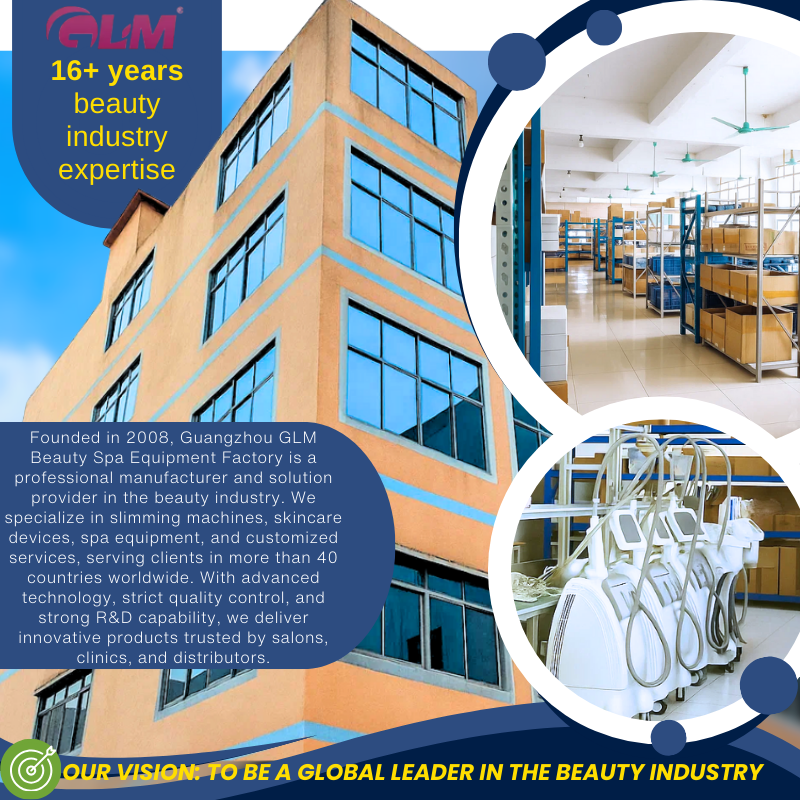
Founded in 2008, Guangzhou GLM Beauty Spa Equipment Factory specializes in research, development, manufacture and selling of beauty and slimming machines. Our production base is located in Guangzhou City, Guangdong Province, China. Since our foundation, we have introduced advanced technologies and equipment, to assure high quality and high performance of our products. With professional marketing guide and excellent after-sales service, our products have been exported to over 20 countries and regions, including Southeast Asia, the Middle East, Europe and the United States, won worldwide praises and gained a good reputation