
Introduction
Modern skincare has evolved far beyond topical products alone. While serums, creams, and active ingredients remain essential, professional skincare increasingly relies on advanced technologies to enhance treatment outcomes. Among these technologies, LED light therapy has emerged as one of the most widely adopted and versatile solutions in contemporary aesthetic practice.
Once limited to medical and dermatological environments, LED technology is now a standard feature in professional beauty salons, aesthetic clinics, and medical spas worldwide. Its non-invasive nature, high safety profile, and broad range of applications have made it a foundational tool rather than a supplementary add-on. From calming sensitive skin to supporting anti-aging programs, LED therapy has become deeply integrated into modern skincare protocols.
Unlike aggressive treatments that rely on controlled injury or thermal damage, LED works by stimulating natural biological processes within the skin. This makes it especially appealing in today’s market, where clients increasingly prioritize skin health, long-term improvement, and minimal recovery time.
This article explores the role of LED technology in modern skincare, examining why it has become essential in professional settings, how it works at a biological level, how it compares to other technologies, and how clinics and salons can leverage LED systems to meet evolving client needs.
Background / Problem
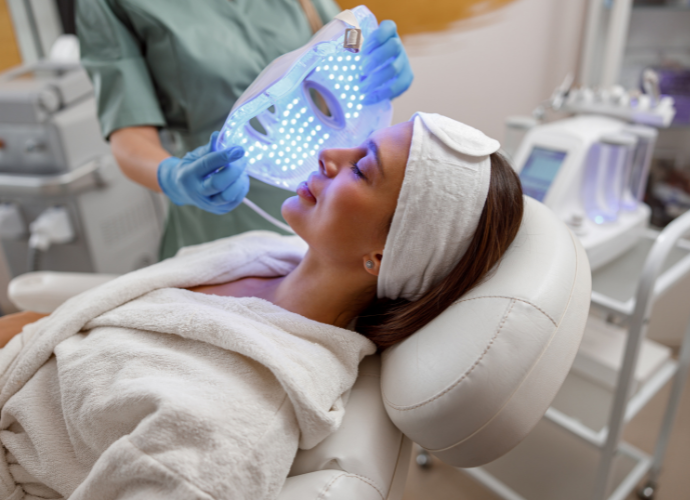
One of the biggest challenges in skincare is achieving consistent results across diverse skin conditions while minimizing irritation and downtime. Clients seek solutions for aging, acne, pigmentation, redness, dehydration, and post-treatment recovery—often simultaneously. However, traditional skincare approaches face clear limitations.
Topical products rely heavily on skin absorption, which can vary greatly depending on skin condition, barrier integrity, and client compliance. Even high-quality formulations may struggle to deliver active ingredients deeply or consistently. In addition, aggressive aesthetic procedures—such as chemical peels, laser resurfacing, or microneedling—while effective, can cause inflammation, sensitivity, and recovery time that not all clients are willing or able to accept.
Modern consumers are also more educated and cautious. Many clients want visible improvement without compromising skin health. They are looking for treatments that support the skin’s natural functions rather than forcing dramatic changes through invasive methods.
This created a demand for technologies that are safe, adaptable, and suitable for long-term skincare planning. LED therapy addresses this gap by offering a non-invasive, science-based approach that complements both daily skincare routines and advanced professional treatments.
Technology / Mechanism
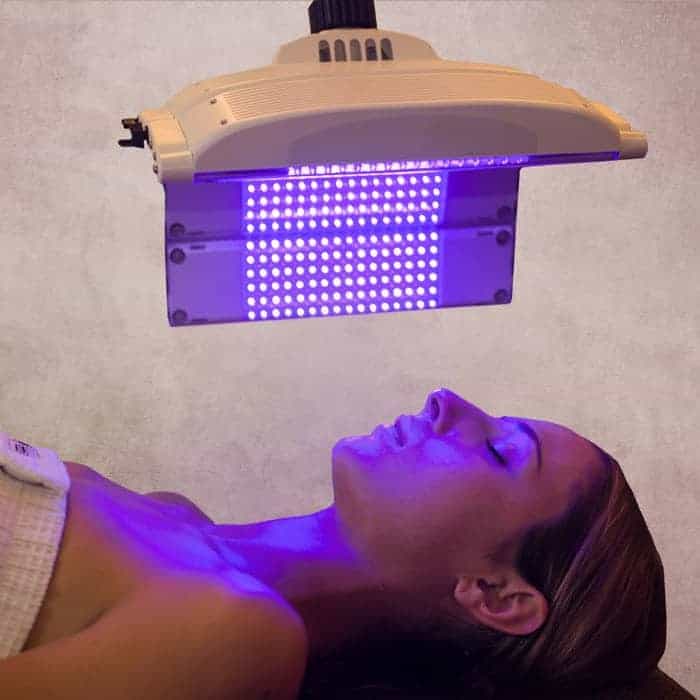
LED (Light Emitting Diode) technology works by delivering specific wavelengths of light to the skin, each producing different biological responses. Unlike lasers, LEDs do not generate heat damage or ablate tissue. Instead, they trigger photobiomodulation—a process in which light energy is absorbed by cellular components, particularly mitochondria.
When skin cells absorb light at specific wavelengths, cellular energy production (ATP) increases. This enhanced energy availability allows cells to function more efficiently, accelerating repair, regeneration, and metabolic processes.
Different LED colors serve different skincare purposes:
Red light (typically around 630–660 nm) penetrates deeply into the dermis. It stimulates fibroblast activity, promoting collagen and elastin production. This makes red LED especially effective for anti-aging, skin tightening, and improving overall skin texture.
Blue light (around 415 nm) primarily targets the epidermal layer and has strong antibacterial properties. It is widely used in acne treatments to reduce acne-causing bacteria and calm inflammation.
Near-infrared light penetrates even deeper than red light, supporting circulation, tissue repair, and post-procedure recovery. It is commonly used after treatments such as microneedling, RF, or laser to reduce redness and speed healing.
Green and yellow light wavelengths are often used to balance pigmentation, soothe sensitive skin, and improve overall tone, depending on device configuration and treatment goals.
Professional LED devices allow precise control of wavelength, intensity, and treatment duration. This ensures consistent energy delivery and predictable outcomes—key advantages over basic or home-use LED products.
Advantages / Comparison
One of the most important advantages of LED technology is its exceptional safety profile. LED treatments are non-invasive, painless, and suitable for all skin types, including sensitive or compromised skin. This makes LED an ideal entry-level technology for new clients as well as a reliable maintenance tool for long-term skincare programs.
Compared to laser-based technologies, LED does not rely on heat or tissue destruction. While lasers are powerful and effective for specific indications, they require strict protocols, longer recovery times, and higher risk management. LED, by contrast, can be used frequently and safely without downtime.
When compared to purely topical skincare, LED therapy enhances treatment effectiveness by working at a cellular level. It improves circulation, boosts metabolism, and supports collagen production—processes that topical products alone cannot fully achieve.
LED technology also complements other professional devices rather than competing with them. It is often used before treatments to prepare the skin, during treatments to enhance comfort, or after procedures to accelerate recovery. This flexibility makes LED systems highly valuable in professional environments.
Compared to home-use LED masks, professional LED equipment offers higher energy output, more accurate wavelength control, and larger treatment coverage. Most importantly, treatments are guided by trained professionals who can tailor protocols to specific skin conditions and treatment plans.
For clinics and salons, LED technology represents a high-return, low-risk investment that enhances service quality while expanding treatment possibilities.
Applications / Client Needs
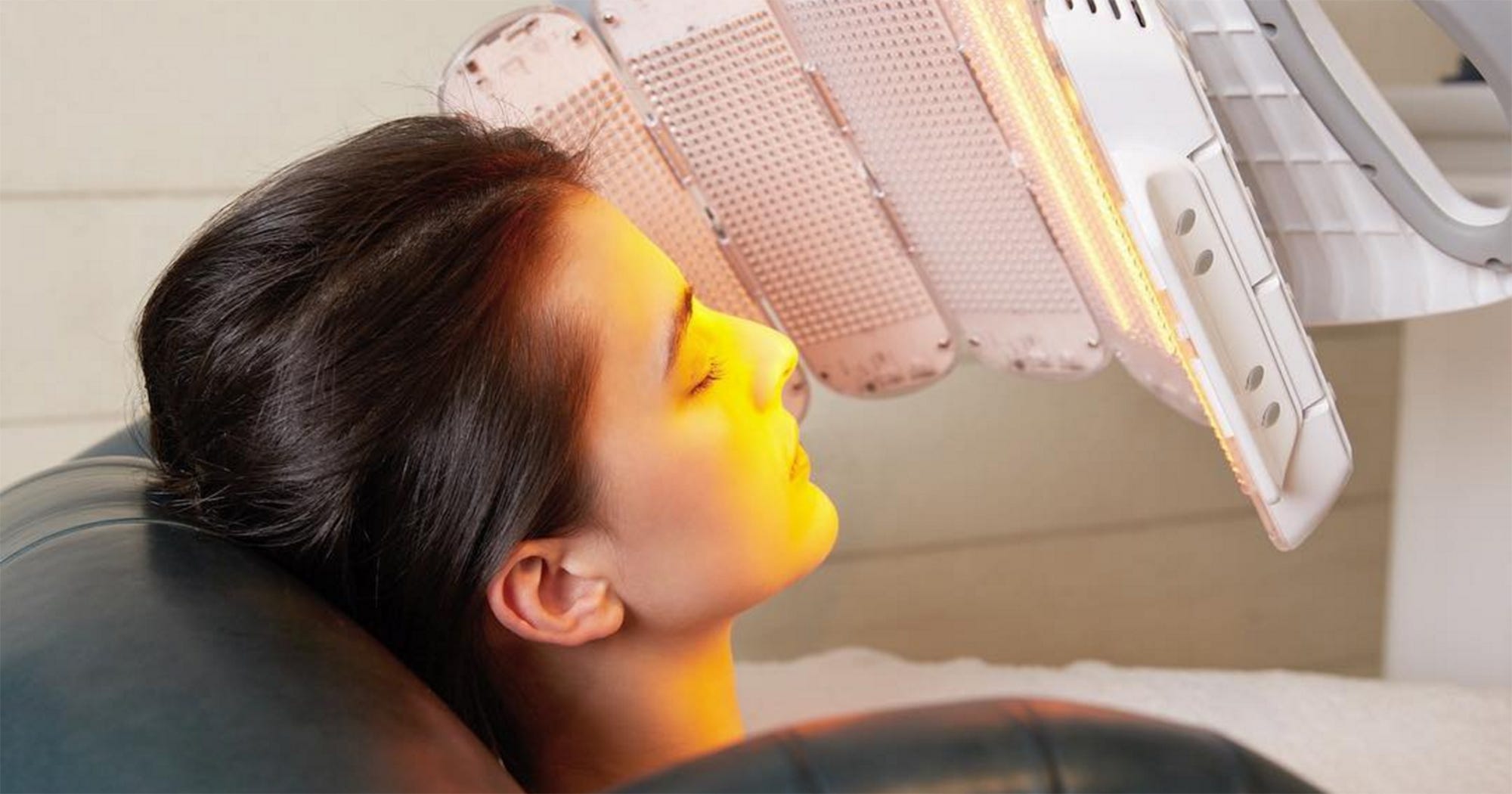
LED technology plays multiple roles in modern professional skincare, making it suitable for a wide range of client needs.
In anti-aging programs, red and near-infrared LED treatments are used to improve skin firmness, reduce fine lines, and support collagen regeneration. These treatments are often incorporated into long-term skincare plans rather than one-time procedures.
For acne-prone clients, blue LED therapy offers a non-irritating alternative to aggressive treatments. It helps control breakouts, reduce inflammation, and stabilize the skin without disrupting the skin barrier.
Clients with sensitive, post-procedure, or compromised skin benefit greatly from LED therapy. After treatments such as chemical peels, RF, microneedling, or laser, LED can calm redness, reduce discomfort, and accelerate healing—improving both results and client satisfaction.
In professional settings, LED is frequently used as a value-added service. It can be offered as a standalone treatment, combined with facials, or included in premium treatment packages. This versatility allows clinics to serve a broader client base while increasing average treatment value.
Education is key to meeting client expectations. Practitioners should emphasize that LED therapy delivers cumulative results. Regular sessions produce the most noticeable improvements, making LED ideal for maintenance and long-term skin health strategies.
Conclusion
LED technology has become an essential component of modern skincare because it aligns perfectly with today’s aesthetic priorities: safety, effectiveness, and sustainability. By stimulating natural biological processes rather than forcing aggressive change, LED therapy supports healthier skin from the inside out.
For professional beauty salons and clinics, LED systems are more than supportive devices—they are strategic tools that enhance treatment outcomes, improve client experience, and strengthen long-term skincare programs. Their ability to integrate seamlessly with other technologies makes them indispensable in modern aesthetic practice.
As skincare continues to move toward holistic, technology-driven solutions, LED technology will remain a cornerstone of professional treatments, shaping the future of safe, effective, and intelligent skincare.
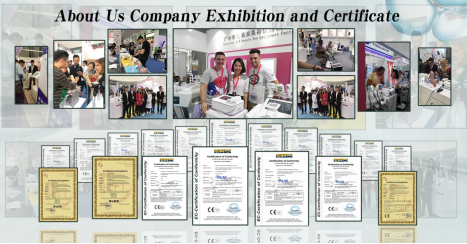
Founded in 2008, Guangzhou GLM Beauty Spa Equipment Factory specializes in research, development, manufacture and selling of beauty and slimming machines. Our production base is located in Guangzhou City, Guangdong Province, China. Since our foundation, we have introduced advanced technologies and equipment, to assure high quality and high performance of our products. With professional marketing guide and excellent after-sales service, our products have been exported to over 20 countries and regions, including Southeast Asia, the Middle East, Europe and the United States, won worldwide praises and gained a good reputation.