
.jpg?w=317&h=159)
Introduction
Body sculpting has always been an aspirational goal for individuals seeking aesthetic improvement without undergoing invasive surgical procedures. Traditional options such as liposuction deliver visible results but involve significant risks, downtime, and discomfort. In contrast, modern advancements in non-invasive body contouring technologies—particularly ultrasound cavitation—are rapidly gaining traction in both professional clinical settings and home-use beauty markets.
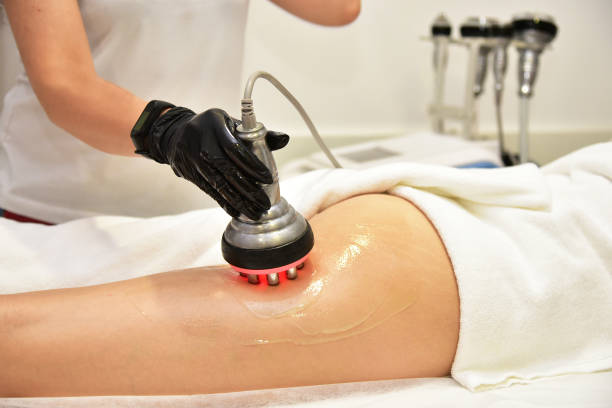
Ultrasound cavitation works by targeting localized fat deposits through soundwave-induced micro-bubbles, breaking down fat cells without harming surrounding tissues. This method appeals to consumers who are increasingly conscious of wellness, safety, and convenience. To better understand its growing popularity, it is essential to explore the science, clinical results, market demand, and consumer trends surrounding this technology.
The Principles of Ultrasound Cavitation
At its core, ultrasound cavitation relies on high-frequency sound waves, typically ranging between 20 kHz to 40 kHz, which are directed into subcutaneous fat tissues. When these waves penetrate the body, they generate microscopic bubbles within the interstitial fluid. These bubbles oscillate rapidly, creating pressure changes that lead to the mechanical disruption of adipocyte (fat cell) membranes.
Once disrupted, the fat cells release triglycerides, which are naturally metabolized by the body through lymphatic drainage and liver processing. This process does not require surgical incisions, anesthesia, or recovery time, making it significantly safer than traditional fat removal methods.
Key points of cavitation science include:
-
Selective Targeting: Ultrasound waves primarily affect fat cells, sparing skin, muscles, and nerves.
-
Biological Pathways: Released fatty acids are transported through metabolic pathways and eventually excreted.
-
Non-Thermal Mechanism: Unlike radiofrequency or laser-based systems, cavitation focuses on mechanical disruption, reducing risks of burns or thermal damage.
Clinical Effectiveness and Results
Numerous clinical studies have confirmed the efficacy of ultrasound cavitation in body contouring:
-
Fat Layer Reduction
On average, patients undergoing cavitation treatments report a 2–5 cm reduction in waist circumference after multiple sessions. -
Visible Contouring
Unlike weight-loss programs that shrink overall body mass, cavitation specifically targets stubborn localized fat—such as the abdomen, thighs, or arms—allowing for more precise shaping. -
Skin Quality
Many systems combine cavitation with radiofrequency (RF) or vacuum technologies, which enhance skin elasticity and tighten tissues for smoother results. -
Safety Profile
Reported side effects are generally mild, such as temporary redness, mild bruising, or increased thirst, indicating a favorable safety margin compared to surgical fat reduction.
Comparison with Other Body Sculpting Technologies
To fully appreciate the uniqueness of ultrasound cavitation, it is useful to compare it with other non-invasive body sculpting approaches:
-
Cryolipolysis (Fat Freezing): Effective for fat destruction via cold exposure, but can cause rare side effects like paradoxical adipose hyperplasia. Cavitation avoids this risk.
-
Radiofrequency Lipolysis: Uses heat to shrink fat cells, which carries some risk of burns. Cavitation is safer for sensitive skin.
-
Laser Lipolysis: Provides precise contouring but usually requires more downtime and potential discomfort.
-
Injection Lipolysis: Involves chemical agents, raising concerns about allergic reactions or uneven fat dissolution.
Overall, cavitation is preferred for individuals prioritizing non-invasive, painless treatments with minimal risks.
Market Trends Driving Cavitation Growth
The popularity of ultrasound cavitation devices is fueled by several market forces:
-
Consumer Demand for Non-Invasive Solutions
Globally, consumers are moving away from surgery due to fear of complications, high costs, and recovery downtime. -
Rise of Hybrid Devices
Many manufacturers now integrate cavitation with RF, vacuum suction, or LED therapy to provide comprehensive body sculpting results. -
Accessibility in Home-Use Devices
While professional-grade machines dominate clinics and medspas, compact home-use cavitation devices are entering the market, allowing consumers to self-manage body goals. -
Influence of Social Media
Platforms like TikTok and Instagram showcase before-and-after transformations, increasing consumer awareness and trust in cavitation treatments.
Who Are the Target Customers?
Ultrasound cavitation appeals to a diverse demographic:
-
Women aged 25–50: Seeking body contouring without surgery, often after pregnancy or weight fluctuations.
-
Men in fitness and wellness circles: Looking for stubborn fat reduction while maintaining muscle tone.
-
Medical spa clients: Individuals interested in holistic aesthetic treatments that combine fat reduction with skin tightening.
-
Wellness enthusiasts: Consumers preferring safe, non-invasive, and repeatable procedures as part of a lifestyle.
Competitive Landscape and Pricing
The cavitation market is competitive, with devices priced according to features and intended use:
-
Professional Devices: Ranging from $2,000 to $10,000, often multi-functional and targeted toward clinics.
-
Home-Use Devices: Typically priced between $150 to $600, focusing on affordability and convenience.
-
Hybrid Systems: Combining cavitation with RF or vacuum may demand premium pricing but deliver enhanced results.
Competitors include brands from Europe, the U.S., and Asia, with China being a key manufacturing hub offering competitive pricing.
Advantages of Ultrasound Cavitation
-
Non-Invasive & Painless: No anesthesia, scars, or recovery time.
-
Targeted Fat Reduction: Effectively addresses problem areas resistant to diet and exercise.
-
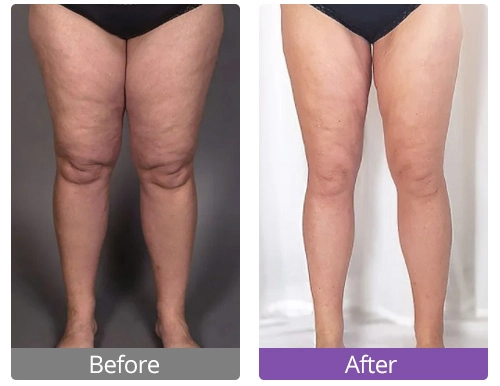
Fast Results: Visible changes often appear after just 3–5 sessions.
-
Safe for Most Skin Types: Minimal risk of burns, pigmentation, or nerve damage.
-
Market Scalability: Suitable for both professional and consumer segments, ensuring wide adoption.
Future Outlook
With increasing global awareness of health and beauty, ultrasound cavitation is poised to become a cornerstone technology in the body sculpting industry. Innovations such as AI-powered treatment personalization, portable wireless devices, and integrated data-tracking apps will further expand its reach.
In addition, as regulations on non-invasive devices become clearer across Europe, the U.S., and Asia, consumer confidence is expected to rise, fueling market penetration.
Conclusion
The science behind ultrasound cavitation demonstrates how soundwave energy can be harnessed for safe, effective, and non-invasive fat reduction. As consumer preferences shift toward convenience, safety, and results-driven aesthetics, this technology will likely dominate the non-surgical body sculpting landscape. Clinics, beauty centers, and manufacturers who embrace cavitation now are strategically positioned to meet growing demand.
Founded in 2008, Guangzhou GLM Beauty Spa Equipment Factory specializes in research, development, manufacture and selling of beauty and slimming machines. Our production base is located in Guangzhou City, Guangdong Province, China. Since our foundation, we have introduced advanced technologies and equipment, to assure high quality and high performance of our products. With professional marketing guide and excellent after-sales service, our products have been exported to over 20 countries and regions, including Southeast Asia, the Middle East, Europe and the United States, won worldwide praises and gained a good reputation.