Introduction
Healthy, youthful-looking skin is influenced by much more than skincare products alone. While creams, serums, and masks play an important role in daily maintenance, many visible signs of aging originate beneath the skin's surface where topical products cannot easily reach. Fine lines, skin laxity, uneven texture, enlarged pores, and reduced elasticity are often linked to changes in collagen, elastin, circulation, and cellular activity within the deeper dermal layers.
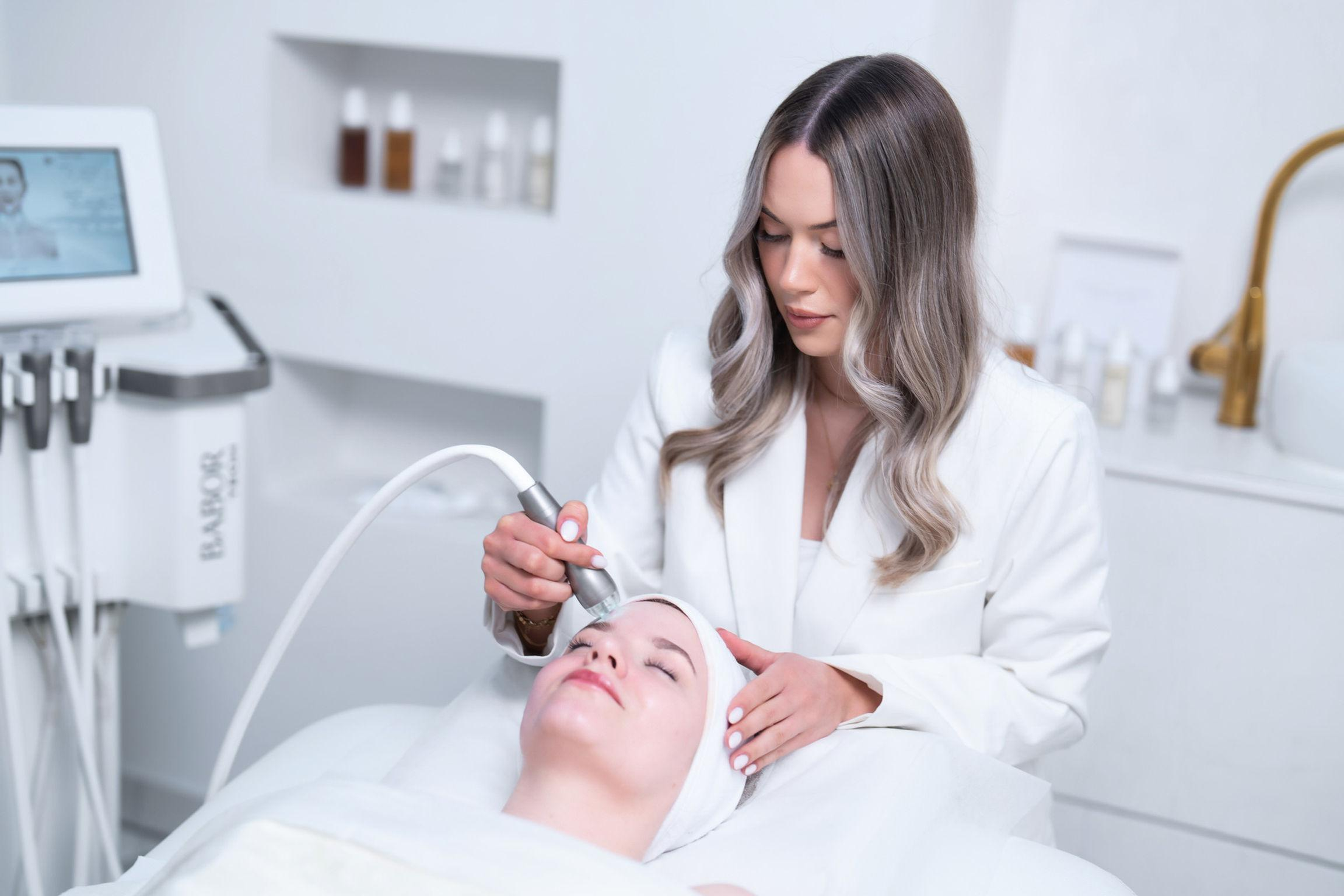
As aesthetic technology continues to evolve, thermal facial technology has become one of the most widely adopted non-invasive treatment approaches in professional beauty clinics, medical spas, and dermatology practices. Rather than relying on surgery or injectables alone, thermal-based facial devices utilize carefully controlled heat energy to stimulate the skin's natural regenerative processes, encouraging firmer, smoother, and healthier-looking skin over time.
Today, thermal facial treatments are no longer limited to anti-aging procedures. Professional practitioners also incorporate heat-based technologies into facial rejuvenation programs, acne management, pore refinement, skin tightening, facial contouring, post-treatment recovery protocols, and combination therapies.
For beauty professionals, understanding how thermal facial technology works is essential for selecting the right equipment, designing customized treatment plans, and delivering consistent clinical outcomes. For distributors and clinic owners, investing in advanced thermal technologies represents an opportunity to expand service offerings while meeting the growing demand for non-surgical facial rejuvenation.
This article explains the science behind thermal facial technology, explores the different heating mechanisms used in professional aesthetic devices, compares professional systems with home-use alternatives, and discusses why thermal treatments continue to play an increasingly important role in modern aesthetic practices.
Background: Why Heat Has Become a Core Technology in Modern Aesthetics
Human skin naturally responds to heat. Controlled thermal stimulation has been studied for decades because of its ability to activate biological repair mechanisms without causing unnecessary damage when applied correctly.
Beginning in our mid-20s, collagen production gradually declines each year. At the same time, elastin fibers become weaker, skin hydration decreases, and cellular turnover slows. Environmental factors—including ultraviolet exposure, pollution, stress, smoking, and poor lifestyle habits—can accelerate these changes, leading to:
- Fine lines and wrinkles
- Skin laxity
- Enlarged pores
- Uneven skin texture
- Dull complexion
- Reduced elasticity
- Mild facial sagging
Traditional skincare products primarily target the epidermis, the outermost layer of the skin. While high-quality ingredients can improve hydration and surface appearance, they often have limited influence on deeper structural tissues where collagen remodeling occurs.
Professional thermal facial devices address this limitation by delivering controlled heat into specific skin depths while preserving surrounding tissues. Depending on the technology used, the generated thermal energy can:
- Stimulate fibroblast activity
- Trigger new collagen production
- Promote elastin remodeling
- Improve local blood circulation
- Enhance lymphatic drainage
- Increase cellular metabolism
- Support tissue repair
- Improve skin firmness over time
Because these physiological responses occur naturally within the body, thermal facial treatments are often regarded as regenerative rather than purely cosmetic. Instead of creating dramatic overnight changes, they encourage gradual improvements that continue developing over several weeks or months after treatment.
This regenerative approach aligns well with current consumer preferences, as many clients seek subtle, natural-looking rejuvenation with minimal downtime.
Technology & Mechanism: How Thermal Facial Technology Works
Although different professional devices use different energy sources, the underlying principle remains remarkably consistent:
Controlled heat stimulates the skin's natural repair response.
When skin tissue is heated to carefully controlled therapeutic temperatures, several biological processes occur simultaneously.
1. Controlled Thermal Stimulation
Professional aesthetic devices deliver energy into predetermined tissue depths while continuously controlling temperature. The objective is not to burn the skin but to raise tissue temperature into an optimal therapeutic range where biological stimulation occurs safely.
Unlike uncontrolled external heat, professional systems monitor energy delivery to maximize treatment efficacy while minimizing discomfort and protecting the epidermis.
The amount of heat, penetration depth, pulse duration, and treatment pattern vary depending on the technology and clinical indication.
2. Immediate Collagen Fiber Contraction
Collagen is the structural protein responsible for maintaining skin firmness and elasticity.
When collagen fibers are exposed to therapeutic heat, they undergo controlled contraction. This immediate response can produce a subtle tightening effect immediately after treatment, giving patients an early improvement in skin firmness.
Although this initial tightening is relatively modest, it provides the foundation for the longer-term regenerative process that follows.
3. Fibroblast Activation
Perhaps the most important biological response occurs within fibroblasts—the specialized cells responsible for producing collagen, elastin, and components of the extracellular matrix.
Thermal stimulation activates fibroblasts, encouraging them to increase the synthesis of new structural proteins.
Over time, newly produced collagen gradually replaces older, degraded collagen fibers, improving:
- Skin density
- Elasticity
- Firmness
- Texture
- Overall skin quality
Because collagen remodeling is a gradual biological process, the most noticeable improvements often appear several weeks after treatment rather than immediately.
4. Increased Blood Circulation
Thermal energy also promotes vasodilation, increasing local blood flow within treated tissues.
Improved circulation delivers:
- More oxygen
- Additional nutrients
- Growth factors
- Immune cells
At the same time, enhanced circulation assists in removing metabolic waste products from skin tissue.
The result is healthier cellular activity and a brighter, more vibrant complexion that complements the structural improvements taking place beneath the surface.
5. Enhanced Cellular Metabolism
Heat increases enzymatic activity and cellular metabolism throughout the treated area.
Higher metabolic activity supports:
- Faster tissue repair
- Improved nutrient utilization
- Enhanced skin renewal
- Better recovery following treatment
For many clinics, this makes thermal technology an excellent complementary treatment alongside procedures such as hydrating facials, LED light therapy, microneedling (when clinically appropriate), or professional skincare programs.
6. Lymphatic Support
Certain thermal facial systems combine gentle heating with massage, vacuum, or mechanical stimulation to encourage lymphatic drainage.
Efficient lymphatic circulation may help reduce temporary facial puffiness, improve tissue oxygenation, and create a more refreshed appearance after treatment.
Unlike aggressive procedures that rely solely on tissue injury, these combined technologies focus on supporting the skin's natural physiological functions while enhancing patient comfort
Technology & Mechanism (Continued)
While the biological response to heat is similar across different systems, the method of generating and delivering thermal energy varies significantly. Each technology targets specific tissue depths, treatment goals, and client concerns, making it important for aesthetic professionals to understand their unique strengths.
Common Thermal Facial Technologies Used in Professional Aesthetics
1. Radio Frequency (RF)
Radio Frequency (RF) remains one of the most established and versatile thermal technologies in the beauty industry. Instead of using lasers or light, RF devices generate heat through electrical energy, allowing controlled thermal stimulation regardless of skin color or melanin content.
Professional RF systems can deliver energy to the dermis while protecting the epidermis through advanced temperature monitoring and cooling technologies.
Common treatment goals include:
- Skin tightening
- Facial lifting
- Wrinkle reduction
- Jawline contouring
- Neck rejuvenation
- Pore refinement
Depending on the device design, clinics may choose from monopolar, bipolar, multipolar, or fractional RF technologies to suit different treatment objectives.
For many beauty clinics, RF has become a foundational treatment because it combines predictable results, minimal downtime, and compatibility with a wide range of skin types.
2. Ultrasound-Based Thermal Technology
High-frequency ultrasound can also create controlled thermal effects within deeper tissue layers.
Unlike traditional surface heating, focused ultrasound delivers energy beneath the skin while leaving the upper layers relatively unaffected. This makes it suitable for deeper tissue remodeling and facial lifting protocols.
Professional ultrasound-based systems are commonly used for:
- Lower face lifting
- Chin definition
- Brow lifting
- Skin firming
- Collagen stimulation
These treatments often complement RF therapies by targeting different tissue depths.
3. Infrared Thermal Technology
Infrared energy produces gentle, uniform heating across larger treatment areas.
Rather than concentrating energy into a small focal point, infrared systems gradually warm superficial and mid-level skin tissues, promoting circulation and preparing the skin for additional aesthetic procedures.
Clinics may incorporate infrared technology into:
- Facial rejuvenation programs
- Skin revitalization treatments
- Relaxation-focused facials
- Recovery protocols after certain aesthetic procedures
Because of its comfortable treatment experience, infrared heating is frequently combined with massage therapies and advanced skincare treatments.
4. Thermal Massage Systems
Many multifunctional facial platforms combine controlled heating with mechanical massage, vibration, vacuum therapy, or rolling applicators.
These systems offer multiple benefits simultaneously by:
- Increasing circulation
- Relaxing facial muscles
- Supporting lymphatic drainage
- Improving product absorption
- Enhancing overall treatment comfort
This integrated approach is increasingly popular in luxury spas and premium facial treatment programs where client experience is just as important as clinical outcomes.
Why Temperature Control Matters
One of the defining characteristics of professional thermal facial equipment is precision.
Heat alone is not enough to produce optimal results. The effectiveness of a treatment depends on delivering the right amount of energy to the correct tissue depth while maintaining client safety and comfort.
Professional systems are designed with features such as:
- Real-time temperature monitoring
- Adjustable energy settings
- Intelligent feedback systems
- Automatic safety controls
- Cooling mechanisms to protect the skin surface
- Multiple treatment modes for different skin conditions
These technologies allow practitioners to tailor treatments according to factors such as skin thickness, sensitivity, treatment area, and desired outcomes.
By contrast, home-use devices generally operate at much lower energy levels. This conservative design reduces the risk of misuse but also limits the depth and intensity of thermal stimulation. While home devices may provide temporary improvements in skin texture or circulation, they typically cannot achieve the level of collagen remodeling associated with professional-grade systems.
Advantages of Professional Thermal Facial Technology
Thermal facial treatments have become a staple in aesthetic clinics because they offer a balance between effectiveness, comfort, and versatility. When performed with professional equipment by trained practitioners, they can be incorporated into treatment plans for a wide range of clients.
Non-Invasive Skin Rejuvenation
Many clients seek visible improvements without surgery, injections, or extended recovery periods. Thermal technologies provide a non-invasive option that stimulates the skin's own regenerative processes, making them suitable for individuals who prefer gradual, natural-looking results.
Suitable for Multiple Skin Concerns
Professional thermal facial devices are not limited to a single indication. Depending on the technology and treatment protocol, they may be used to address:
- Mild to moderate skin laxity
- Fine lines and wrinkles
- Enlarged pores
- Uneven skin texture
- Dull skin tone
- Reduced elasticity
- Early signs of facial aging
This versatility allows clinics to maximize equipment utilization while offering personalized treatment plans.
Minimal Downtime
Compared with more aggressive resurfacing procedures, many thermal facial treatments involve little to no downtime. Clients can often resume normal daily activities shortly after treatment, making these procedures attractive for busy professionals.
Long-Term Collagen Remodeling
Unlike treatments that provide only temporary cosmetic enhancement, controlled thermal stimulation encourages biological remodeling within the dermis. As new collagen forms over several weeks and months, improvements in firmness and skin quality can continue to develop well after the treatment session.
Easy Integration with Combination Therapies
Modern aesthetic practices increasingly rely on combination treatment strategies. Thermal facial technology can complement other professional procedures such as:
- Hydrating facial systems
- LED light therapy
- Oxygen infusion treatments
- Professional skincare programs
- Microneedling (following appropriate clinical protocols)
- Ultrasound facial treatments
- Facial massage therapies
This flexibility enables practitioners to create comprehensive treatment plans tailored to each client's skin condition and aesthetic goals.
Applications: Meeting Diverse Client Needs
As consumer expectations continue to evolve, clients are looking for treatments that are personalized, effective, and require minimal interruption to their daily routines. Thermal facial technology aligns well with these demands, making it a valuable addition to professional service menus.
Anti-Aging Programs
Clients concerned about early or moderate signs of aging often benefit from thermal treatments designed to improve firmness, soften fine lines, and support long-term collagen production. Rather than dramatically altering facial features, these procedures aim to restore a fresher and more youthful appearance over time.
Preventive Skincare
An increasing number of younger clients are incorporating professional facial treatments into their preventive skincare routines. Regular thermal therapy may help maintain collagen activity and delay the visible effects of skin aging before significant laxity develops.
Facial Contouring
Heat-based technologies can contribute to improved skin firmness around the jawline, cheeks, and neck. When combined with healthy lifestyle habits and complementary treatments, they support more defined facial contours without surgical intervention.
Post-Acne Skin Improvement
For clients who have completed active acne treatment, thermal facial procedures may be included in broader skin rejuvenation programs aimed at improving overall texture, elasticity, and skin quality.
Luxury Facial Experiences
Many premium spas incorporate gentle thermal technology into signature facial treatments. The warming sensation, combined with massage and professional skincare products, creates a relaxing experience while delivering clinically meaningful skin benefits.
Business Opportunities for Clinics
From a business perspective, thermal facial technology offers clinics several operational advantages:
- Expands treatment portfolios
- Appeals to a broad client demographic
- Supports customized treatment packages
- Encourages repeat visits through treatment courses
- Integrates with existing aesthetic equipment
- Increases service value without requiring surgical procedures
For distributors and beauty equipment suppliers, multifunctional thermal platforms are also attractive because they can meet the diverse needs of salons, medical spas, dermatology clinics, and aesthetic centers across different markets.
Conclusion
Thermal facial technology has become one of the cornerstones of modern non-invasive aesthetic treatments because it combines scientific principles with practical clinical applications. By delivering controlled heat to targeted tissue layers, professional systems activate natural biological processes—including collagen remodeling, improved circulation, fibroblast stimulation, and enhanced cellular metabolism—that contribute to healthier, firmer, and more youthful-looking skin.
As the demand for non-surgical facial rejuvenation continues to grow, professional thermal technologies provide beauty clinics and aesthetic practitioners with reliable, versatile solutions that address a wide range of skin concerns while maintaining a comfortable treatment experience.
Although home-use devices have introduced more consumers to heat-based skincare, professional equipment remains the preferred choice for clinics seeking deeper tissue stimulation, greater treatment precision, advanced safety features, and more consistent clinical outcomes.
For manufacturers, distributors, and aesthetic professionals, investing in high-quality thermal facial technology is more than simply adding another treatment modality. It represents an opportunity to deliver evidence-based skin rejuvenation, enhance client satisfaction, and build long-term value in an increasingly competitive beauty industry.
A well-designed thermal facial platform, operated by trained professionals and integrated into personalized treatment plans, can help clinics provide safe, effective, and results-oriented facial rejuvenation that meets the expectations of today's increasingly informed clients
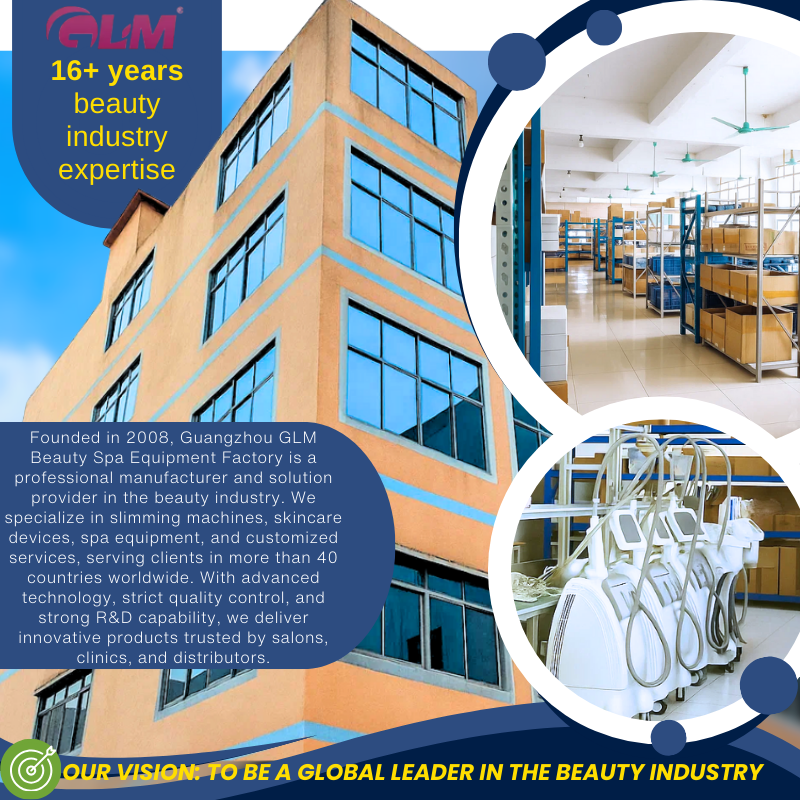
Founded in 2008, Guangzhou GLM Beauty Spa Equipment Factory specializes in research, development, manufacture and selling of beauty and slimming machines. Our production base is located in Guangzhou City, Guangdong Province, China. Since our foundation, we have introduced advanced technologies and equipment, to assure high quality and high performance of our products. With professional marketing guide and excellent after-sales service, our products have been exported to over 20 countries and regions, including Southeast Asia, the Middle East, Europe and the United States, won worldwide praises and gained a good reputation