Introduction
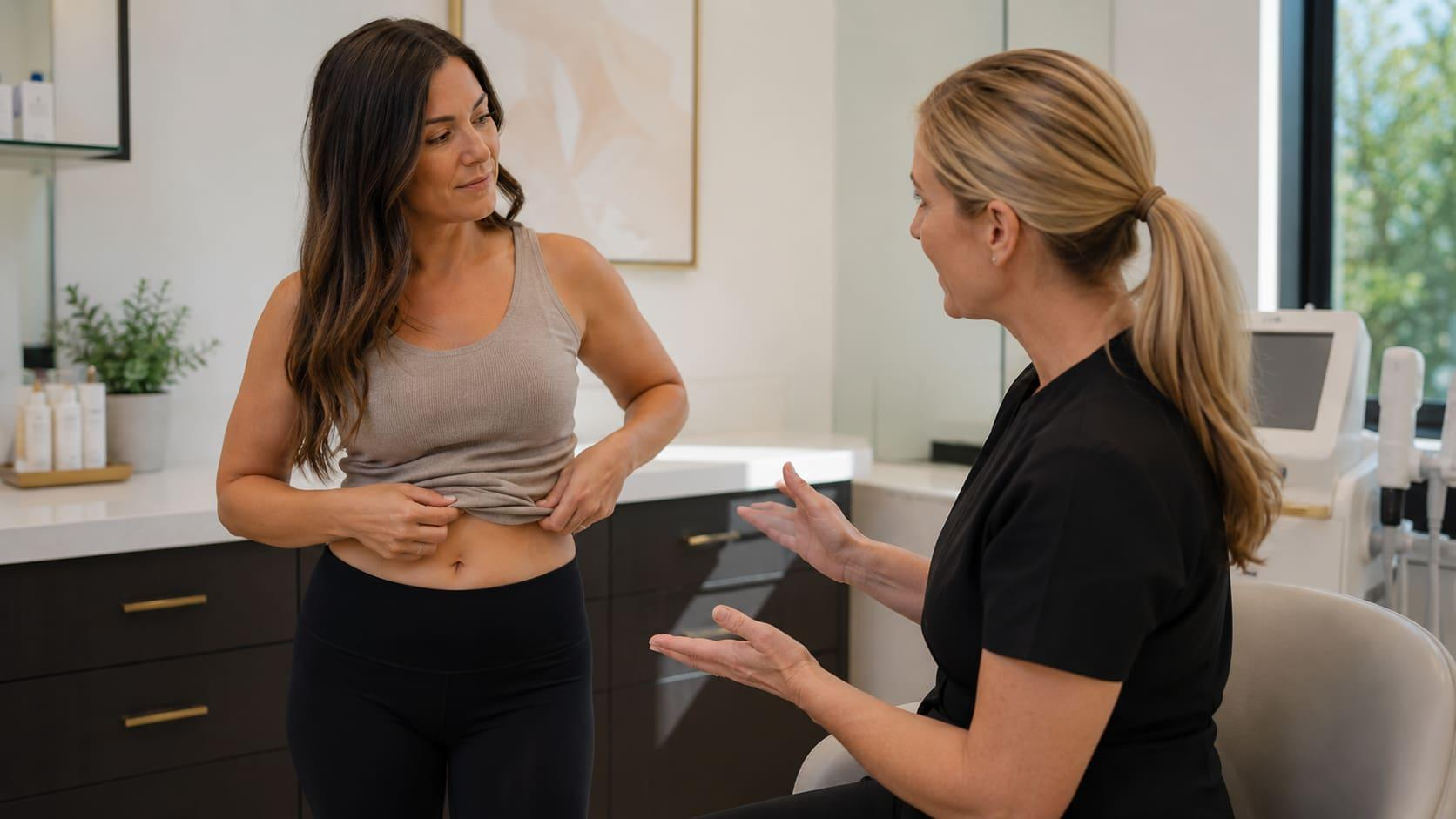
Body contouring has become one of the fastest-growing categories in the aesthetic industry. As clients increasingly seek visible fat reduction without surgery, beauty clinics and medical spas are expanding their treatment portfolios with advanced non-invasive body sculpting technologies. Among the most recognized options are TruSculpt ID and CoolSculpting, two treatments that aim to reduce stubborn fat while avoiding the downtime associated with liposuction.
Although both technologies pursue the same goal, they achieve it through completely different mechanisms. One relies on controlled radiofrequency (RF) energy to heat fat tissue, while the other uses cryolipolysis to freeze fat cells. Understanding these differences is essential not only for practitioners but also for clinic owners who are evaluating equipment investments and designing treatment menus.
This article provides an in-depth comparison of TruSculpt ID and CoolSculpting, examining how each technology works, their treatment experiences, advantages, limitations, and clinical applications. Whether you are an aesthetic professional, distributor, or beauty equipment supplier, understanding these technologies can help you better match treatment solutions to client expectations.
Understanding the Growing Demand for Non-Invasive Body Contouring
Modern consumers are becoming increasingly interested in body shaping treatments that fit into busy lifestyles. Surgical procedures remain effective for significant fat removal, but many clients hesitate because of anesthesia, recovery time, potential scarring, and higher overall costs.
Instead, they are looking for treatments that can:
- Reduce localized fat deposits
- Improve body definition
- Require little or no downtime
- Allow immediate return to daily activities
- Produce gradual, natural-looking improvements
These expectations have driven rapid innovation in energy-based aesthetic devices. Clinics now offer a wide range of technologies, including radiofrequency, cryolipolysis, high-intensity focused ultrasound (HIFU), electromagnetic muscle stimulation, and vacuum-assisted body contouring systems.
Among these technologies, RF heating and cryolipolysis have become two of the most established approaches for non-invasive fat reduction.
The Challenge of Stubborn Fat
Many people maintain healthy lifestyles yet continue to struggle with pockets of fat that are resistant to diet and exercise. Common treatment areas include:
- Abdomen
- Flanks ("love handles")
- Inner thighs
- Outer thighs
- Upper arms
- Back
- Under the buttocks
- Chin (selected applications)
These areas often contain adipose tissue that responds slowly to conventional weight-loss efforts. While body contouring treatments are not intended for weight reduction, they can improve body proportions by targeting localized fat deposits.
For aesthetic clinics, offering professional body contouring services also creates opportunities to combine fat reduction with skin tightening, lymphatic drainage, and muscle toning treatments, resulting in more comprehensive treatment plans.
Technology Overview: How TruSculpt ID Works
TruSculpt ID utilizes monopolar radiofrequency (RF) technology to selectively heat subcutaneous fat tissue. During treatment, RF energy penetrates beneath the skin while sophisticated temperature monitoring helps maintain therapeutic heating within the targeted area.
Clinical temperatures are designed to reach levels where fat cells become damaged while surrounding tissues remain protected. Over the following weeks and months, the body's natural metabolic processes gradually eliminate the affected fat cells through the lymphatic system.
Unlike treatments that rely on suction, RF body contouring typically delivers energy across a broader treatment zone, making it suitable for larger body areas.
Key Characteristics
- Monopolar radiofrequency energy
- Uniform volumetric heating
- Hands-free applicators on many systems
- Large treatment coverage
- Comfortable warming sensation
- No freezing process
- Suitable for multiple body areas
Many RF-based body contouring platforms also stimulate collagen remodeling. As collagen fibers respond to controlled thermal energy, some patients may notice mild improvements in skin firmness in addition to fat reduction, making RF technology attractive for clients who are concerned about both body contour and skin laxity.
Technology Overview: How CoolSculpting Works
CoolSculpting is based on cryolipolysis, a technology that selectively exposes fat cells to controlled cooling temperatures. Fat cells are generally more sensitive to cold than surrounding tissues, allowing the treatment to trigger apoptosis (programmed cell death) without significantly damaging the skin.
During the procedure, an applicator uses vacuum suction to pull the treatment area into a cooling cup. The targeted tissue is then maintained at carefully controlled temperatures for a predetermined period.
Following treatment, the body gradually removes the damaged fat cells over several weeks through natural biological processes.
Key Characteristics
- Cryolipolysis technology
- Controlled cooling
- Vacuum-assisted applicators
- Localized fat reduction
- Gradual elimination of fat cells
- Multiple applicator designs for different body areas
Because suction is an essential part of many cryolipolysis systems, treatment may not be equally suitable for every body shape. Areas with limited tissue that cannot be effectively drawn into the applicator may require alternative treatment approaches.
Comparing the Treatment Experience
Although both technologies are non-invasive, the patient experience differs considerably.
During an RF-Based Treatment
Most clients describe the sensation as a gradual increase in warmth. As tissue reaches therapeutic temperatures, the skin is continuously monitored to maintain comfort and safety. Many patients find the procedure relaxing enough to read, use a smartphone, or simply rest during treatment.
Because there is no intense cooling or vacuum suction, discomfort is generally limited to the feeling of sustained heat.
During Cryolipolysis
Cryolipolysis treatments often begin with strong suction followed by intense cooling. Clients may initially experience pulling, pressure, tingling, or numbness before the treatment area becomes less sensitive.
After the applicator is removed, the treated tissue is usually firm and cold. Manual massage is commonly performed to help restore circulation and optimize treatment response. Temporary redness, numbness, bruising, or tenderness may persist for several days or, in some cases, longer
Advantages of TruSculpt ID
One of the major strengths of RF-based body contouring is its ability to treat larger areas efficiently while providing a comfortable treatment experience. Since energy is delivered through controlled heating rather than freezing, many clients find the procedure easier to tolerate.
1. Large Treatment Coverage
Monopolar RF technology distributes energy across a relatively broad treatment area. This makes it suitable for treating the abdomen, flanks, thighs, and other larger body regions in a single session.
For busy clinics, larger applicators may also improve workflow by reducing the number of repositioning steps required during treatment.
2. Comfortable Treatment Experience
Many patients report feeling only a consistent warming sensation throughout the session. There is typically no prolonged numbness after treatment, allowing clients to return to work or normal activities immediately.
Comfort can play an important role in treatment acceptance, especially for clients who are nervous about cold-based procedures.
3. Potential Skin Tightening Benefits
Unlike technologies that focus solely on fat reduction, RF energy may also stimulate collagen remodeling within the dermis. Although the primary objective remains body contouring, some patients appreciate the additional improvement in skin firmness that may develop over time.
This combined approach can be particularly valuable for individuals experiencing mild skin laxity after weight loss or aging.
4. Flexible Applicator Placement
Because RF systems generally do not depend on vacuum suction, practitioners often have greater flexibility when treating body areas with flatter contours or irregular shapes.
This versatility allows clinics to address a wider range of body profiles and customize treatment plans more effectively.
Advantages of CoolSculpting
Cryolipolysis has earned worldwide recognition because of its long history in non-invasive fat reduction. Many consumers are already familiar with the technology, making consultations easier for clinics.
1. Strong Brand Recognition
CoolSculpting is one of the best-known names in body contouring. Clients frequently request the treatment by name after seeing online reviews, social media discussions, or recommendations from friends.
This brand awareness can help generate inquiries for clinics that offer the technology.
2. Well-Established Clinical Experience
Cryolipolysis has been used in aesthetic practices for many years. As a result, treatment protocols, applicator selection, and patient management are well documented, giving practitioners clear guidance when developing treatment plans.
3. Multiple Applicator Options
Over time, manufacturers have introduced specialized applicators designed for different body areas. These varying shapes allow clinics to target localized fat deposits with greater precision.
However, selecting the correct applicator remains an important part of treatment planning and may influence both treatment efficiency and patient comfort.
Side-by-Side Comparison
| Feature | TruSculpt ID | CoolSculpting |
|---|---|---|
| Primary Technology | Monopolar Radiofrequency | Cryolipolysis |
| Treatment Method | Controlled Heating | Controlled Cooling |
| Fat Reduction Mechanism | Thermal injury to fat cells | Cold-induced apoptosis |
| Skin Tightening Potential | May improve skin firmness | Primarily fat reduction |
| Treatment Sensation | Warmth | Cold with suction |
| Applicator Type | Flat RF applicators | Vacuum cooling applicators |
| Downtime | Minimal | Minimal |
| Typical Recovery | Immediate return to activities | Immediate, with possible temporary numbness or bruising |
| Suitable Treatment Areas | Large and irregular areas | Areas that fit suction applicators |
It is important to recognize that neither technology should be viewed as universally superior. Instead, each offers distinct advantages depending on the client's anatomy, treatment goals, and clinical assessment.
Results Timeline
Clients often ask when they can expect visible improvements.
Although individual responses vary, both technologies rely on the body's natural ability to eliminate damaged fat cells rather than producing immediate changes.
A typical progression may include:
Week 1–2
- Minimal visible change
- Normal daily activities continue
- Temporary treatment-related sensations gradually diminish
Weeks 4–8
- Early contour improvements may become noticeable
- Clothing may fit differently
- Body definition gradually improves
Weeks 8–12
- More significant fat reduction can often be observed
- Treatment outcomes become easier to evaluate
- Follow-up photographs provide useful comparisons
Some clients may benefit from additional treatment sessions depending on their goals and the amount of localized fat being addressed.
Choosing the Right Treatment for Different Clients
Every client presents a unique combination of body composition, lifestyle, expectations, and aesthetic priorities. A professional consultation remains one of the most important steps before recommending any body contouring procedure.
RF-based body contouring may be appropriate for clients who:
- Prefer a warming treatment experience
- Have mild skin laxity alongside localized fat
- Require treatment over broader body areas
- Value treatment comfort and flexibility
Cryolipolysis may be appropriate for clients who:
- Specifically request cold-based fat reduction
- Have localized fat deposits suitable for suction applicators
- Are familiar with cryolipolysis technology
- Understand the gradual nature of results
Rather than focusing solely on one technology, experienced practitioners evaluate body shape, tissue characteristics, and treatment objectives before designing a personalized plan.
Why Professional Equipment Matters
As demand for non-invasive body contouring continues to grow, professional clinics are expanding beyond single-technology solutions. Modern aesthetic practices increasingly incorporate multiple energy-based systems to address different treatment needs.
Professional-grade equipment offers several advantages over consumer devices:
- Higher and more consistent energy output
- Advanced temperature monitoring and safety controls
- Larger treatment coverage
- Greater treatment efficiency
- Customizable protocols for different body areas
- Ability to combine treatments for comprehensive body sculpting programs
For manufacturers and equipment suppliers, this trend highlights the growing importance of developing versatile body contouring platforms that support multiple clinical applications while maintaining user-friendly operation for practitioners
Conclusion
The comparison between TruSculpt ID and CoolSculpting demonstrates that successful body contouring is not determined by a single technology, but by selecting the most appropriate solution for each client's individual needs.
TruSculpt ID utilizes controlled radiofrequency heating to target subcutaneous fat while offering the potential benefit of mild skin tightening. Its ability to comfortably treat larger areas and accommodate various body contours makes it an attractive option for many aesthetic practices.
CoolSculpting, on the other hand, relies on cryolipolysis to selectively cool fat cells. Its strong market recognition and well-established clinical history have made it a familiar choice for both practitioners and clients seeking non-invasive fat reduction.
Neither technology replaces a healthy lifestyle, nor should either be considered a weight-loss treatment. Instead, both are designed to help refine body contours by addressing stubborn fat deposits that often persist despite regular exercise and balanced nutrition.
For clinics and medical spas, the greatest value lies not only in adopting advanced equipment but also in providing personalized consultations, realistic treatment planning, and professional follow-up care. As client expectations continue to evolve, practices equipped with diverse, high-quality body contouring technologies will be better positioned to deliver customized solutions and enhance patient satisfaction.
Ultimately, the future of non-invasive body sculpting is moving toward integrated treatment strategies. Combining fat reduction, skin tightening, muscle conditioning, and individualized care plans enables practitioners to achieve more comprehensive aesthetic outcomes while meeting the growing demand for safe, comfortable, and effective treatments
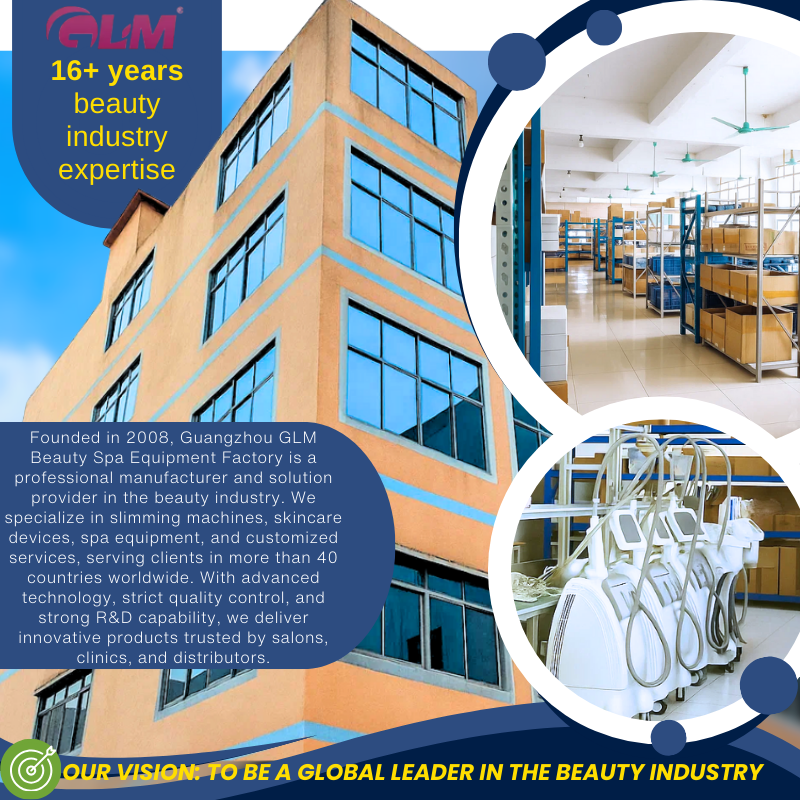
Founded in 2008, Guangzhou GLM Beauty Spa Equipment Factory specializes in research, development, manufacture and selling of beauty and slimming machines. Our production base is located in Guangzhou City, Guangdong Province, China. Since our foundation, we have introduced advanced technologies and equipment, to assure high quality and high performance of our products. With professional marketing guide and excellent after-sales service, our products have been exported to over 20 countries and regions, including Southeast Asia, the Middle East, Europe and the United States, won worldwide praises and gained a good reputation