
Ultimate Guide to Blackhead Removal: Learn All About Comedones
Blackheads, also known as comedones, are a common and persistent issue that many people face. They can be a nuisance, affecting not only your appearance but also your self-confidence. Understanding how to remove blackheads safely and effectively is crucial for maintaining healthy, clear skin. In this ultimate guide, we explore everything you need to know about blackhead removal, from what they are and how they form to professional treatments and home remedies.
I. Introduction
I. Introduction to Blackheads and Their Proper Removal
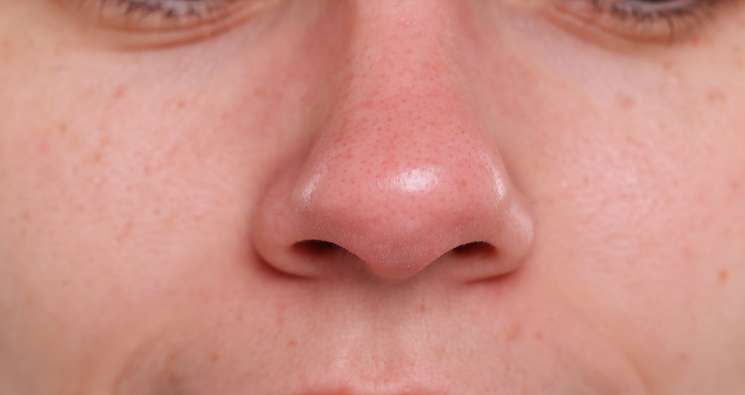
Blackheads, also known as open comedones, are a common skin condition that many individuals encounter. They are small, dark bumps that appear on the skin when hair follicles become clogged with an accumulation of excess oil, dead skin cells, and other impurities. This accumulation typically occurs in areas of the face, particularly the nose, chin, and forehead, where the skin's sebaceous glands are more active.
The key characteristic of blackheads is their open nature, meaning that the pore is exposed and not closed off like in the case of closed comedones or whiteheads. The dark appearance of blackheads is due to the oxidation process that occurs when the trapped debris is exposed to air. This oxidation causes the debris to darken, giving blackheads their characteristic color.
Proper removal of blackheads is crucial for maintaining healthy, smooth skin. When blackheads are not removed correctly, they can lead to inflammation, infection, and even scarring. Therefore, it's essential to understand the correct methods for removing blackheads to avoid potential complications and achieve clearer, smoother skin.
In this article, we will dive into the details of blackhead removal, providing you with the knowledge and techniques you need to effectively remove blackheads and maintain the health of your skin. By following the correct steps and using the appropriate products, you can achieve smoother, clearer skin and reduce the appearance of blackheads.
II. Understanding Comedones
II. Understanding Comedones
Comedones, also known as pimples or zits, are a common skin condition that arises from a combination of various factors. Understanding these factors and the different types of comedones is essential for effective treatment and prevention.
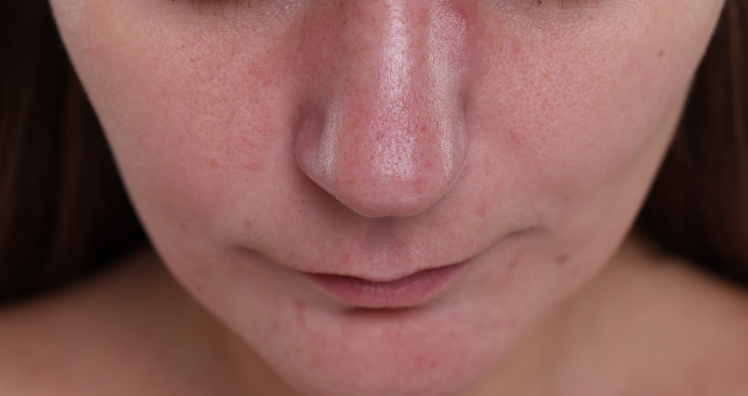
Comedones occur when the skin's pores become clogged with excess oil, dead skin cells, and bacteria. This combination of factors creates a blockage within the pore, leading to the formation of a comedone. People of all ages and skin types can experience comedones, but they are more common in individuals with oily skin or a genetic predisposition to acne.
There are two main types of comedones:
-
Open Comedones (Blackheads):
- Appearance: Open comedones are visible on the skin's surface and appear as small, dark spots. The dark color is due to the oxidation of melanin and oil in the clogged pore.
- Cause: The pore remains open, allowing the trapped debris to be exposed to air. This exposure causes the melanin and oil to oxidize, resulting in the dark color.
- Location: Blackheads are typically found on areas of the face where the skin's sebaceous glands are more active, such as the nose, chin, and forehead.
-
Closed Comedones (Whiteheads):
- Appearance: Closed comedones are not visible on the skin's surface and appear as small, flesh-colored bumps. The clogged pore remains closed, preventing oxidation and the formation of a dark color.
- Cause: The pore is closed off, trapping the debris within the skin. This blockage does not allow the debris to be exposed to air, preventing oxidation.
- Location: Whiteheads can occur on any part of the body where pores are present, but they are commonly found on the face, chest, and back.
It's crucial to differentiate between blackheads and other types of acne, such as papules, pustules, and nodules. Each type of acne has its unique characteristics and requires a different treatment approach. Proper identification of comedones and other acne lesions is essential for effective management and prevention of acne vulgaris.
III. Identifying Comedones
Comedones, being a common skin condition, are typically easy to identify based on their characteristic appearance. Here are some detailed signs and symptoms to help you accurately identify comedones:
Signs and Symptoms of Open Comedones (Blackheads):
- Small, Dark Spots on the Skin: Blackheads appear as small, dark spots on the skin's surface. The dark color is due to the oxidation of melanin and oil trapped within the clogged pore when it is exposed to air.
- Localized to Certain Areas: Blackheads are often found on areas of the skin where the sebaceous glands are more active, such as the nose, chin, and forehead.
Signs and Symptoms of Closed Comedones (Whiteheads):
- Flesh-Colored Bumps: Whiteheads manifest as small, flesh-colored bumps on the skin. They are not visible on the skin's surface and appear raised, but with the same color as the surrounding skin.
- Closed Pore: The pore in which the debris is trapped remains closed, preventing the oil and debris from being exposed to air and oxidizing.
Additional Signs:
- Rough and Uneven Skin Texture: Skin affected by comedones may feel rough and uneven to the touch, especially in areas with multiple comedones.
- Enlarged Pores: Comedones can sometimes cause the pores to appear larger and more noticeable.
If you're unsure whether you have comedones or another skin condition, it's important to consult a dermatologist for a proper diagnosis. A dermatologist will be able to examine your skin and determine the cause and type of lesion, as well as recommend appropriate treatment options.
IV. The Dangers of Improper Removal
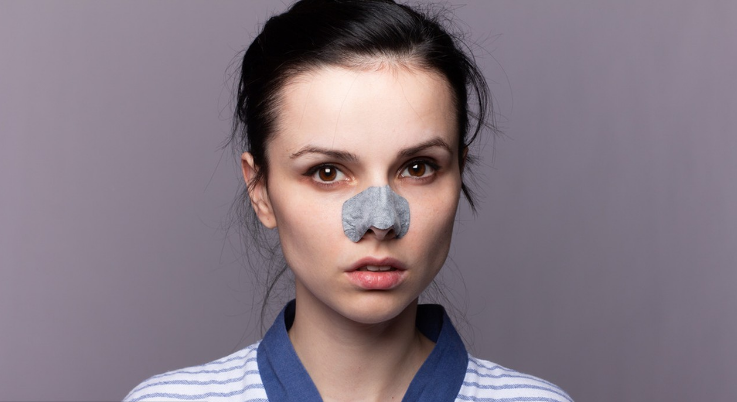
While the urge to squeeze or pick at blackheads may be irresistible at times, it is paramount to resist these temptations. Improper removal techniques of blackheads can lead to a range of risks and unwanted complications that can have lasting effects on your skin.
Risks of Improper Removal:
- Skin Irritation and Inflammation: Squeezing or picking at blackheads can irritate and inflame the skin. This inflammation can cause redness, swelling, and tenderness in the affected area.
- Introduction of Bacteria: Using unsterilized tools or dirty fingers to remove blackheads can introduce bacteria into the skin. This can lead to infections, which may manifest as pustules, papules, or even deeper lesions.
- Scarring and Hyperpigmentation: Improper removal techniques can damage the skin's surface, leading to scarring. Additionally, the skin may respond to the trauma by producing excess pigment, resulting in hyperpigmentation or dark spots.
- Spreading of Acne-Causing Bacteria: Squeezing or picking at blackheads can spread acne-causing bacteria to other areas of the face. This can lead to the development of new pimples and acne lesions in previously unaffected areas.
The Importance of Safe and Gentle Removal:
It is crucial to understand and implement safe and gentle methods for blackhead removal. This includes using sterile tools, avoiding excessive force, and following a gentle skin care routine. Consulting a dermatologist or skin care expert can help you identify the best methods for your skin type and condition. Remember, patience is key in treating blackheads as improper removal techniques can lead to more severe skin problems.
V. Safe and Effective Comedone Removal Techniques
V. Safe and Effective Comedone Removal Techniques
When it comes to removing blackheads safely and effectively, establishing a regular skincare routine focused on clearing clogged pores is crucial. Here are some detailed techniques to help you achieve clearer skin:
1. Gentle Facial Cleansing:
- Twice-Daily Routine: Cleansing your face twice a day, in the morning and evening, is essential to remove excess oil, dirt, and impurities that can clog pores.
- Choose the Right Cleanser: Look for cleansers that are mild yet effective, avoiding harsh ingredients that can strip the skin of its natural oils. Products containing salicylic acid or benzoyl peroxide are particularly helpful as they are known for their ability to unclog pores.
2. Exfoliation:
- Regular Exfoliation: Regular exfoliation helps to remove dead skin cells that can accumulate and clog pores. By sloughing off these cells, you can prevent blackheads from forming.
- Choose a Gentle Exfoliator: Look for exfoliators that contain ingredients like alpha-hydroxy acids (AHAs) or beta-hydroxy acids (BHAs). These ingredients gently exfoliate the skin while also helping to regulate oil production.
3. Topical Treatment Solutions:
- Acne-Fighting Ingredients: Incorporate acne-fighting ingredients like salicylic acid or retinoids into your skincare routine. Salicylic acid helps to unclog pores by breaking down oil and dirt, while retinoids regulate oil production and promote skin cell turnover.
- Consistency Is Key: Remember to use these treatments consistently as directed to achieve the best results. It may take time for noticeable improvements to occur, so patience is essential.
4. Use Oil-Free Products:
- Oil-Free or Non-Comedogenic Products: Opt for skincare and makeup products that are labeled as oil-free or non-comedogenic. These products are less likely to clog pores and contribute to the formation of blackheads.
- Read the Labels: Always check the ingredient list on your skincare and makeup products to ensure they do not contain ingredients that can clog pores.
Remember, consistency and patience are crucial when using these techniques. It may take time for your skin to respond to the treatments, but with regular use, you can expect to see noticeable improvements in the appearance of your skin over time.
VI. Professional Comedone Removal Methods
In certain scenarios, where stubborn blackheads persist or acne concerns become more severe, seeking professional dermatological treatments may be necessary. Dermatologists have a range of advanced techniques to address these issues effectively. Here are a few common professional comedone removal methods:
1. Extractions:
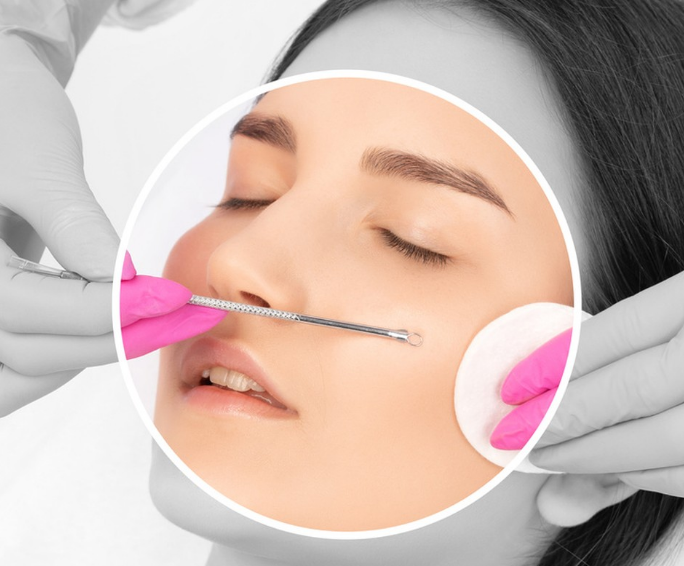
- Manual Extraction: Dermatologists use sterile instruments, such as comedone extractors, to manually extract the contents of blackheads. This process involves gently pressing the skin around the blackhead to push out the clogged oil and dirt from the pore.
- Sterile Environment: The extraction procedure is performed in a sterile environment to prevent infection and ensure safety.
2. Chemical Peels:
- Application of Chemical Solution: Chemical peels involve the application of a chemical solution, such as glycolic acid or salicylic acid, to the skin. The solution penetrates the skin's surface, exfoliating the top layers and helping to remove blackheads.
- Types of Chemical Peels: Chemical peels can vary in strength, from superficial to medium-depth peels. The choice of peel depends on the severity of your acne and the dermatologist's recommendation.
3. Microdermabrasion:
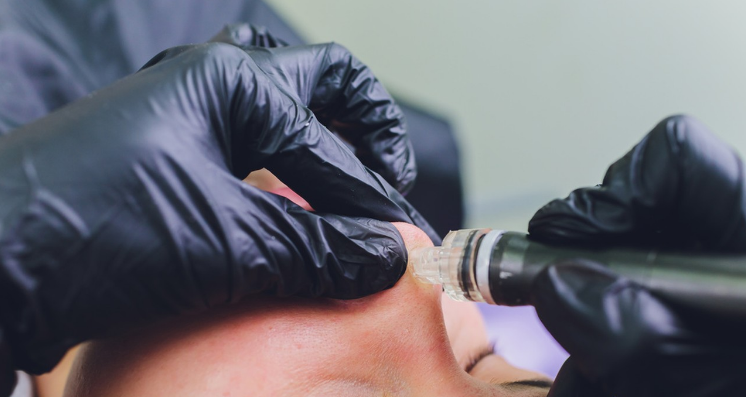
- Gentle Exfoliation: Microdermabrasion uses a device that sprays tiny crystals or diamond tips onto the skin. This gentle abrasion removes the outer layer of dead skin cells, revealing smoother and clearer skin beneath.
- Improving Skin Texture: By reducing the number of blackheads and smoothing out skin texture, microdermabrasion can give your skin a more youthful and refreshed appearance.
Consulting a Dermatologist:
If you opt for professional comedone removal treatments, it's crucial to consult a qualified dermatologist. They will assess your skin, discuss your concerns, and recommend the best approach for your specific needs. Remember, everyone's skin is unique, and a professional dermatologist can provide personalized advice and treatment plans to achieve optimal results.
VIII. Home Remedies and DIY Comedone Removal Techniques
There are several natural remedies and DIY techniques you can try at home to remove blackheads. While these methods may not be as potent as professional treatments, they can still help improve the condition of your skin:
- 1. Steaming: Steam your face for 5-10 minutes to open up pores before using gentle extraction techniques.
- 2. Clay Masks: Apply a clay mask once or twice a week to draw out impurities and unclog pores.
- 3. Honey and Cinnamon Mask: Mix a small amount of honey and cinnamon to create a paste. Apply it to the affected areas and leave it on for 10-15 minutes before rinsing off.
- 4. Baking Soda Scrub: Combine baking soda and water to create a paste. Gently massage it onto the skin in circular motions and rinse thoroughly.
Remember to patch test any new ingredients on a small area of skin to ensure you are not allergic or sensitive to them.
IX. Maintenance and Prevention Tips
Prevention is crucial for long-term blackhead management. Here are some tips to help you maintain clear, healthy skin:
- • Cleanse your face twice a day with a gentle cleanser
- • Avoid excessive oil-based products and makeup
- • Always remove makeup before bed
- • Use non-comedogenic skincare and makeup products
- • Avoid touching or picking at your face
- • Practice regular exfoliation and deep cleansing
- • Maintain a healthy diet and drink plenty of water
By incorporating these habits into your routine, you can effectively prevent the formation of blackheads and maintain clear skin over time.
X. Conclusion
Blackheads can be frustrating, but understanding how they form and implementing safe and effective removal techniques can help you achieve clearer, smoother skin. Whether you choose to follow a regular skincare routine, try home remedies, or seek professional help, it's essential to be consistent and patient, as results may vary from person to person. Remember to consult a dermatologist for personalized advice and treatment options. With the right approach, you can say goodbye to stubborn blackheads and hello to a radiant complexion.
Disclaimer: The information provided in this blog is for educational purposes only and should not be taken as professional medical advice. Consult a dermatologist for personalized recommendations.