A few years ago, the terms "frozen fat" and "ultrasonic cavitation" might have been little known. Now, however, they have become two of the most popular treatments for fat loss among those seeking their ideal body. Traditional surgical procedures for fat loss discourage many patients because of their invasive nature, the need for hospitalization and long recovery periods, as well as the possibility of permanent scarring. Fortunately, ultrasonic cavitation and fat freezing have gained widespread popularity as alternatives to these traditional procedures due to their lower risk and interference. They can be used alone or in combination with a healthy diet and exercise for better fat loss results. If you are looking for a non-surgical, low-risk and effective way to lose fat, VIP Italia's fat reduction equipment may be able to help you.
What is ultrasonic cavitation?
Ultrasonic cavitation, also known as ultrasonic cavitation technology, is a major alternative to fat suction. It uses low-frequency ultrasound to break down fat deposits, achieving fat loss without surgery, hospitalization, anesthesia or a long recovery period. These factors make it an attractive treatment for fat loss.
How does ultrasonic cavitation work?
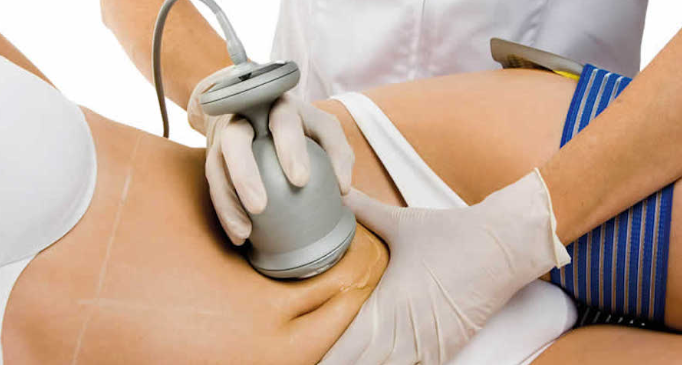
Although ultrasonic cavitation may sound complicated, the principle is actually quite simple. The Lipoline cavitation therapy device uses 1 MHz ultrasound to penetrate the skin and reach the fat layer. These ultrasonic waves create vibrations and pressure that break down fat cells into liquid glycerol and fatty acids. The body then reuses the glycerin and metabolizes the fatty acids. At the same time, the small amount of heat generated by ultrasound can also improve blood circulation and accelerate waste disposal.
Personalized fat loss plan
Each person's goal for fat loss is unique, whether it is total body fat loss or topical body shaping. Therefore, the cavitation treatment plan is tailored to your individual needs to suit your lifestyle. Usually, the treatment plan includes two non-surgical treatments per week over a period of 1 to 2 months. You should see initial results within a few days of completing the first treatment. For best results, approximately 10 treatments are required, but the exact number may vary from patient to patient.
Target area for ultrasonic cavitation
As a non-surgical alternative to liposuction, ultrasonic cavitation can be used to target and shape specific parts of the body. It is often used to reduce fat around the abdomen, thighs, upper arms, back, hips and waist.
Comparison of ultrasonic cavitation and fat freezing
Although ultrasonic cavitation and fat freezing are both effective methods for fat loss, they differ in how they work and in their application. Which method to choose should be determined according to your individual needs and physical condition.
Side effects of ultrasonic cavitation
Safety is the primary consideration when receiving any treatment. Patients usually do not feel any pain during ultrasound cavitation therapy, so it is a very comfortable way to lose fat. You may feel a small amount of heat and slight redness of the skin from the ultrasound, but these effects are temporary and usually do not cause pain. In addition, there is no recovery period after treatment.
What is frozen fat?
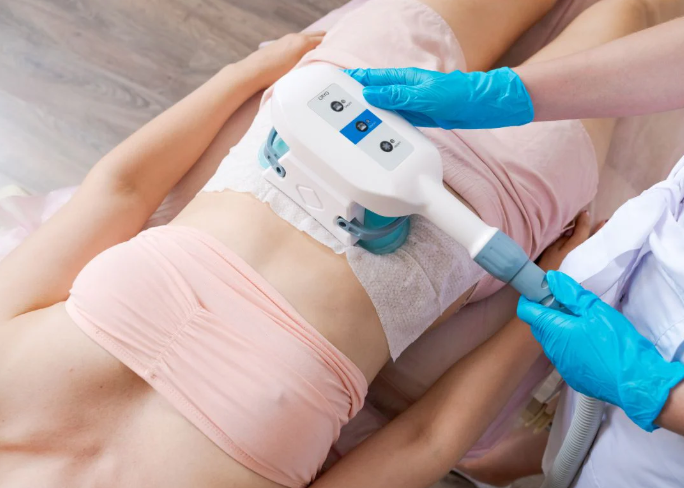
Frozen lipolysis, as a modern fat loss therapy, has quickly become an effective alternative to traditional surgery. This non-invasive procedure focuses on topical fat reduction using CoolSculpting technology, which effectively addresses stubborn fat problems by freezing and destroying fat cells.
As with cavitation surgery, frozen fat therapy avoids scalpels, anaesthetics and a long recovery period, allowing patients to quickly return to their normal lives after treatment, although proper rest is recommended after treatment.
How frozen fat works:
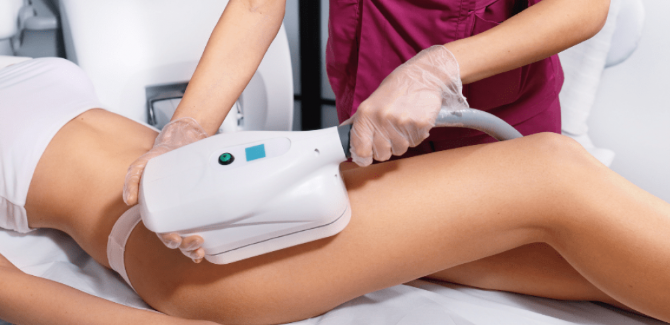
Frozen fat works exactly as the name implies - simple and straightforward. During the treatment, the doctor will place the frozen fat dissolving device on the target fat area to safely and accurately deliver cold temperatures to the skin. Depending on the technology used, the fat layer will be gradually cooled to a target temperature range of 5 ° C to -6 ° C. This low temperature can penetrate the top layer of the skin to a depth of about 2 centimeters, freezing and destroying the fat cells underneath. These destroyed fat cells are then naturally excreted through the lymphatic system.
Treatment cycles usually take one to four times, depending on the individual. After completing all treatments, it usually takes 1 to 3 months (sometimes longer) for the full effect to be observed.
The target area of frozen fat is detailed:
Frozen fat therapy focuses on areas of stubborn fat that are difficult to get rid of through diet and exercise. It focuses on addressing fat in specific areas, such as the belly, waistbands, inner thighs, back, upper arms and neck. After each treatment, about 20 to 25 percent of the targeted fat cells will be destroyed.
Fat freezing and cavitation: What are the similarities and differences?
Fat freezing and cavitation, both of which remove and reduce fat cells non-invasively, differ significantly in their methods of operation.
Fat cryotherapy, as the name suggests, destroys fat cells by "freezing" them. The survival of fat cells requires specific conditions, and fat cryotherapy takes advantage of this by lowering the temperature of fat cells through an FDA-approved device, resulting in cell death. The body's natural defense system then kicks in to clear these dead cells through the lymphatic system.
In contrast, empty chemotherapy uses high-frequency sound waves to heat fat cells, causing them to liquefy. This heating process also alters the living conditions of fat cells, causing them to rupture and release their contents. This liquefied fat is then transported through the lymphatic system to the liver for processing and ultimately excreted as waste.
So how do the two treatments differ in their effectiveness?
From the point of view of the number of sessions, fat freezing treatment usually requires multiple treatments to achieve the best results, generally requiring about 4 treatments. Cavitation therapy, on the other hand, may be able to see immediate results with just one treatment. This is mainly because fat freezing treatment slowly destroys fat cells through extremely low temperatures, and the inflammatory response after cell damage takes a while to further break down and lead to cell death, so the effect is slower. Cavitation therapy, on the other hand, uses intense ultrasound to heat the fat cells, causing them to liquefy rapidly, so that obvious results can be seen during the treatment.
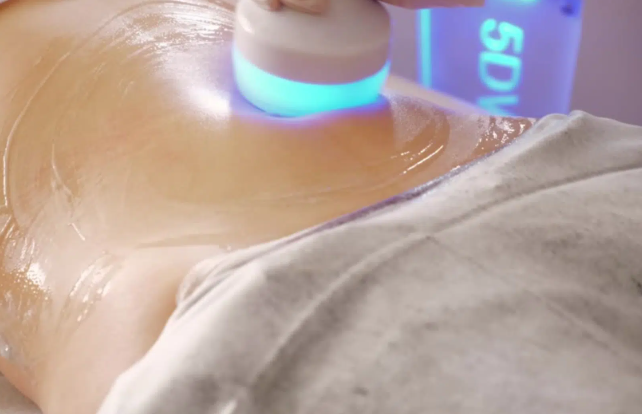
In terms of comfort, ultrasonic cavitation is generally considered more comfortable than fat freezing. The heated nature of cavitation therapy makes it almost painless and has even been described by patients as a relaxing experience. On the other hand, fat freezing may cause a tingling sensation due to the extremely cold temperature of the device. Although this sensation will gradually subside after the area is cold to numbness, the patient may still experience some temporary discomfort such as bruising, pain and redness after surgery.