
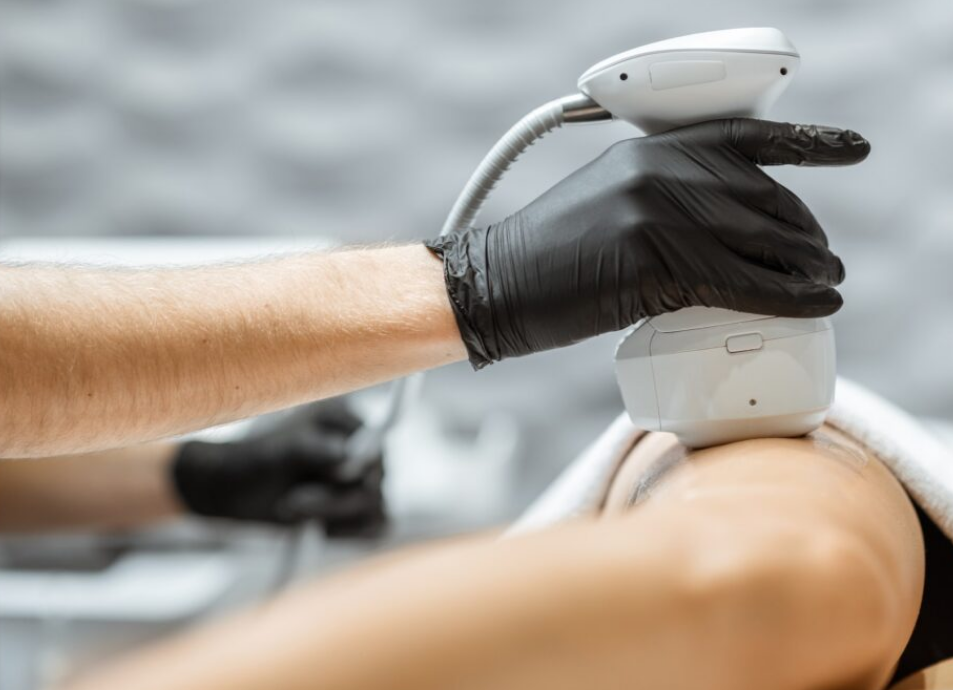
Exploring Ultrasonic Fat Cavitation: Considerations and Recommended Instruments
Ultrasonic fat cavitation has gained popularity as a non-surgical method for reducing stubborn fat areas. This innovative treatment utilizes ultrasonic waves to target and break down fat cells, resulting in body contouring and slimming effects. If you're considering undergoing ultrasonic fat cavitation, there are several important considerations to keep in mind. Additionally, choosing the right instrument is vital to achieving optimal results. In this blog post, we will explore the key factors to consider and recommend some top-rated instruments for ultrasonic fat cavitation.
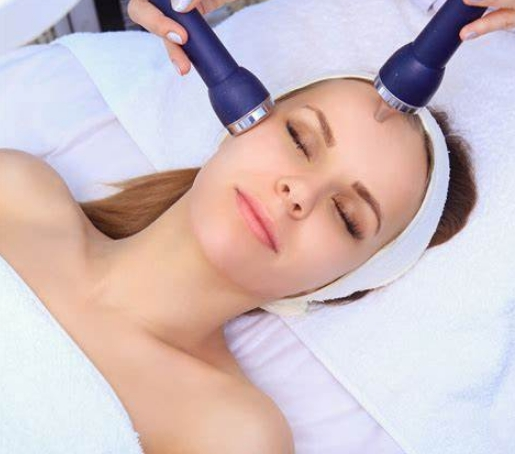
Understanding Ultrasonic Fat Cavitation: An In-Depth Look
Ultrasonic fat cavitation is a cutting-edge aesthetic treatment that leverages the power of low-frequency ultrasound waves to effectively target and disrupt fat cells beneath the skin's surface. This non-invasive procedure offers a promising alternative to surgical methods such as liposuction, providing individuals with a safer, less intrusive path to achieving their body contouring goals.
How It Works: A Closer Look
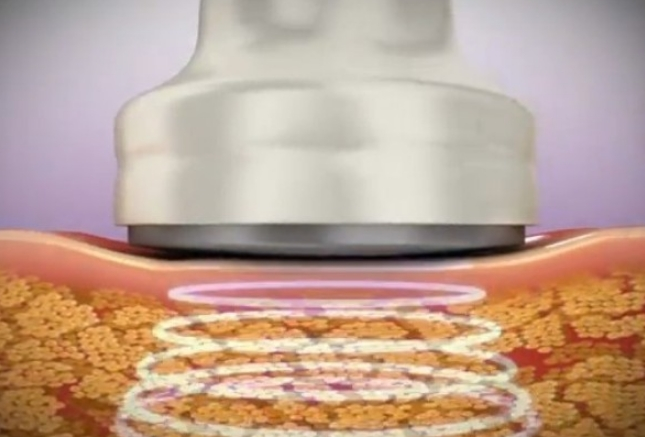
The core mechanism behind ultrasonic fat cavitation involves the use of high-intensity ultrasound waves. These waves penetrate the skin and create microscopic bubbles within the fat cells. As these bubbles grow and oscillate, they eventually implode, a process known as cavitation. This implosion disrupts the fat cell membranes, causing the fat to liquefy. The body's natural metabolic processes then gradually eliminate these liquefied fat cells, leading to a reduction in fat and an improvement in body shape.
Benefits: Beyond the Surface
The appeal of ultrasonic fat cavitation lies in its numerous benefits:
- Non-Invasive Nature: The absence of incisions and anesthesia makes it a highly attractive option for those seeking to avoid the risks and downtime associated with surgical procedures.
- No Downtime: Patients can resume their daily activities immediately after the treatment session, making it a convenient choice for busy individuals.
- Scar-Free: Since no incisions are involved, there is no risk of scarring, preserving the skin's natural appearance.
- Localized Fat Reduction: The treatment's precision allows for targeted fat reduction in specific areas, such as the abdomen, thighs, upper arms, and love handles, offering personalized contouring results.
- Natural and Gradual Results: As the body gradually metabolizes and eliminates the liquefied fat, patients experience a natural progression towards their desired body shape.
Considerations: Ensuring Safety and Effectiveness
Before embarking on ultrasonic fat cavitation, it's crucial to consider several factors to ensure the treatment's safety and effectiveness:
- Professional Consultation: Consulting with a qualified professional is the first step. They will assess your overall health, existing medical conditions, and aesthetic goals to determine if you are a suitable candidate for the treatment.
- Potential Contraindications: Certain medical conditions, such as pregnancy, cancer, liver disease, and the presence of pacemakers, may prevent you from undergoing ultrasonic fat cavitation. Openly discuss any pre-existing medical conditions with your healthcare provider to avoid potential risks.
- Realistic Expectations: It's important to understand that ultrasonic fat cavitation is not a quick fix for weight loss or a substitute for a healthy lifestyle. It is most effective for targeting specific problem areas and enhancing body contour.
- Post-Treatment Care: Following the post-treatment instructions provided by your practitioner is essential for optimizing results. This may include regular exercise, maintaining a balanced diet, and staying hydrated.
Recommended Instruments: Choosing the Right Tool
When selecting an ultrasonic fat cavitation instrument, several factors should guide your decision:
- Brand Reputation: Opt for instruments from reputable brands known for their quality, effectiveness, and reliability in the market.
- Device Features: Consider the features offered by different devices, such as the frequency range, intensity options, and safety mechanisms. The ideal instrument should provide a balance between effectiveness and safety.
- Certifications and Approvals: Ensure that the instrument is certified and approved for medical or aesthetic use by relevant regulatory bodies. This ensures compliance with safety standards and efficacy claims.
Three Top-Rated Instruments
Based on these considerations, here are three highly recommended instruments for ultrasonic fat cavitation:
- Device X: This top-rated instrument offers a wide frequency range and adjustable intensity levels, providing flexibility to tailor the treatment to individual needs. Its advanced safety features and excellent customer reviews make it a reliable choice.
- Device Y: Designed for at-home use, Device Y combines compactness with user-friendliness. Its consistent results and certification from reputable authorities make it an ideal option for those seeking convenience and effectiveness.
- Device Z: Known for its cutting-edge technology, Device Z offers precise targeting of fat cells and customizable treatment parameters. Its widespread use by professionals in clinics and medical spas underscores its efficacy and reliability.
The Treatment Process: Step-by-Step
The ultrasonic fat cavitation treatment typically involves the following steps:
- Initial Consultation: A professional will assess your suitability for the treatment, discuss your goals, and address any concerns or questions you may have.
- Preparation: The targeted area is cleaned thoroughly, and a conductive gel is applied to facilitate the transmission of ultrasound waves. This ensures effective energy delivery and enhances treatment outcomes.
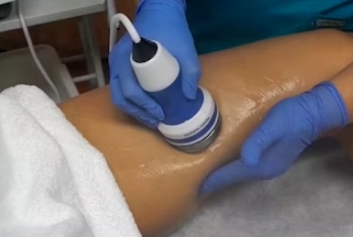
- Therapy Session: The handheld device is used to deliver ultrasonic waves to the treatment area. The practitioner will glide it gently over the skin in circular motions, ensuring even coverage and consistent results.
- Post-Treatment Care: After the session, you may be advised to drink plenty of water to aid in the elimination of liquefied fat cells, engage in light exercise to boost metabolism, and maintain a healthy lifestyle to optimize results and prevent new fat accumulation.
Frequently Asked Questions: Clarifying Common Doubts
Here are answers to some commonly asked questions about ultrasonic fat cavitation:
- Is Ultrasonic Fat Cavitation Painful? The treatment is generally painless, with only mild discomfort or a warm sensation reported by some patients. The use of a conductive gel and gentle hand motion further minimize any potential discomfort.
- How Many Sessions Are Recommended? The number of sessions required depends on various factors, including the target area, individual response to treatment, and desired results. Generally, a series of 6 to 12 sessions is recommended for optimal results. However, this may vary based on individual circumstances and professional guidance.
- Are the Results Permanent? Ultrasonic fat cavitation can provide long-lasting results, but maintaining a healthy lifestyle is crucial to prevent new fat accumulation in treated areas. Regular exercise, a balanced diet, and proper hydration contribute to sustaining the achieved body contour.
In conclusion, ultrasonic fat cavitation is a non-invasive and effective method for contouring your body and reducing localized fat. Before undergoing this treatment, it is important to consider various factors, consult with a professional, and choose the right instrument. By following these guidelines, you can achieve your desired body shape and enjoy the benefits of this innovative technique.