

Understanding Lymphatic Drainage: The Key To A Healthy Body
The lymphatic system, often overlooked in favor of its more famous counterpart, the circulatory system, is a vital network of vessels, nodes, and organs that play a crucial role in maintaining the body's health and well-being. This intricate system not only helps in removing waste and toxins but also regulates fluid balance, immune function, and even contributes to the body's ability to heal and recover from injuries. By understanding the lymphatic system and implementing strategies for optimal lymphatic drainage, you can enhance your overall health and vitality.
Structure and Function of the Lymphatic System
The lymphatic system comprises a network of thin, transparent vessels that branch out from the circulatory system and crisscross throughout the body. These vessels, along with lymph nodes and lymphatic organs like the spleen and thymus, work together to collect and filter excess fluid, proteins, and other substances from the body's tissues. This fluid, known as lymph, contains waste products, dead cells, bacteria, and other impurities that need to be removed from the body.
The main function of the lymphatic system is to maintain fluid balance by draining excess fluid from the interstitial spaces between cells and returning it to the bloodstream via the thoracic duct. Additionally, the lymph nodes act as filters, trapping and destroying harmful microorganisms and cancer cells, thereby boosting the immune system's defenses.
Signs of Lymphatic Imbalance
When the lymphatic system is not functioning optimally, it can lead to a condition known as lymphatic imbalance or lymphatic congestion. This can manifest in various ways, including:
- Swelling or edema, particularly in the arms, legs, ankles, or face
- Persistent feelings of heaviness or tightness in the affected areas
- Frequent infections or slow recovery from illnesses
- Skin problems such as rashes, dryness, or acne
- Fatigue and a general feeling of sluggishness

Techniques for Lymphatic Drainage
Fortunately, there are several natural techniques you can incorporate into your daily routine to promote lymphatic drainage and restore balance to the system:
- Exercise: Regular physical activity, especially those that involve large muscle groups and deep breathing, such as walking, swimming, or yoga, can help stimulate lymphatic flow.
- Manual Lymphatic Drainage (MLD): This specialized massage technique involves gentle, rhythmical strokes to encourage the movement of lymph fluid towards the heart. It is often performed by certified therapists but can also be self-administered with proper guidance.
- Compression Garments: Wearing compression garments, particularly after surgery or injury, can help apply gentle pressure to the affected area, promoting lymphatic drainage and reducing swelling.
- Dry Skin Brushing: Using a natural bristle brush, gently brush your skin in circular motions towards the heart. This stimulates circulation and aids in the removal of dead skin cells, promoting lymphatic drainage.
- Diet and Hydration: A balanced diet rich in fiber and antioxidants, along with adequate hydration, can help support lymphatic health by reducing inflammation and promoting detoxification.
Additional Steps to Support Lymphatic Health
In addition to the above techniques, there are several other lifestyle changes you can make to further support your lymphatic health:
- Manage Stress: Chronic stress can disrupt the lymphatic system's function. Incorporate stress-relieving activities like meditation, deep breathing exercises, or hobbies you enjoy into your daily routine.
- Avoid Toxins: Limit exposure to harmful chemicals, pollutants, and processed foods that can burden the lymphatic system. Opt for organic, whole foods whenever possible.
- Get Enough Sleep: Adequate sleep is essential for the body's repair and recovery processes, including lymphatic drainage. Aim for 7-9 hours of quality sleep each night.
- Stay Active: Regular physical activity not only promotes lymphatic drainage but also improves overall health and well-being. Find an activity you enjoy and make it a part of your routine.
By understanding the importance of the lymphatic system and incorporating these strategies into your daily life, you can optimize lymphatic drainage and maintain a healthy, vibrant body. Remember, taking care of your lymphatic system is an investment in your overall health and well-being.
The lymphatic system, often overshadowed by its more prominent counterpart, the cardiovascular system, is a complex network of vessels, tissues, and organs that plays a pivotal role in maintaining the body's homeostasis and immune defense. This intricate network, spanning from the tips of our fingers to the depths of our abdominal cavity, is responsible for a multitude of essential functions that are vital to our overall health and well-being.
Drainage System for the Body
Firstly, as mentioned in the introduction, the lymphatic system serves as a secondary circulatory system, supplementing the work of the heart and blood vessels. While the cardiovascular system pumps blood throughout the body to deliver oxygen and nutrients to cells, the lymphatic system picks up the slack by collecting and draining excess interstitial fluid (fluid that surrounds cells) and proteins that have leaked from blood vessels. This fluid, along with metabolic waste products, bacteria, and other debris, is then transported to the heart via two major lymphatic ducts: the right lymphatic duct and the thoracic duct. In this way, the lymphatic system helps maintain proper fluid balance in the body, preventing edema (swelling) and ensuring that tissues remain nourished and functioning optimally.
Immune Defense
Beyond its role as a drainage system, the lymphatic system is also the cornerstone of the body's immune response. Embedded within its vessels are a network of lymph nodes, which act as filters and staging grounds for immune cells. These nodes are strategically located throughout the body, particularly near areas prone to infection, such as the neck, armpits, and groin. When pathogens (bacteria, viruses, etc.) or foreign substances enter the body, they are encountered by immune cells called phagocytes, which engulf and destroy them. Additionally, the lymphatic system harbors specialized immune cells known as lymphocytes—B cells and T cells—that play a crucial role in adaptive immunity. B cells produce antibodies that target specific pathogens, while T cells coordinate the overall immune response and directly attack infected cells.
Lymphatic Transport and Metabolism
The lymphatic system also facilitates the transport of fats and other nutrients from the digestive system to the bloodstream. Specifically, the lacteals—a type of lymphatic capillary found within the walls of the small intestine—absorb dietary fats, forming a milky fluid called chyle, which is then transported to the bloodstream via the thoracic duct. This process is essential for the body to utilize fats as an energy source and for the synthesis of essential hormones and other biomolecules.
Lymphatic Massage and Health Benefits
Given the importance of the lymphatic system, maintaining its health and efficiency is crucial. One popular method for promoting lymphatic flow is lymphatic massage, also known as manual lymphatic drainage (MLD). This gentle form of massage uses specific techniques to stimulate the flow of lymph fluid and encourage the elimination of toxins and waste products. Lymphatic massage has been shown to improve circulation, reduce swelling, and boost the immune system, making it a valuable tool for individuals recovering from surgery, experiencing chronic pain or inflammation, or simply seeking to enhance their overall well-being.
In conclusion, the lymphatic system is a vital component of our body's intricate machinery, performing functions that range from maintaining fluid balance and immune defense to facilitating nutrient transport. By understanding its importance and taking steps to support its health, we can significantly improve our overall quality of life.
Understanding the Lymphatic System: A Comprehensive Exploration
The lymphatic system, often regarded as a lesser-known counterpart to the cardiovascular system, is a complex and intricate network that plays a pivotal role in maintaining our health and well-being. To fully grasp the significance of lymphatic drainage and its impact on our bodies, it is essential to delve deeper into the structure and function of this remarkable system.
Lymph Nodes: The Immune Sentinels
At the heart of the lymphatic system lie lymph nodes, which serve as vital filters and processing centers for the immune response. Scattered throughout the body, particularly in areas where pathogens are likely to enter, such as the neck, armpits, and groin, lymph nodes act as sentinels, constantly monitoring the lymphatic fluid that flows through them.
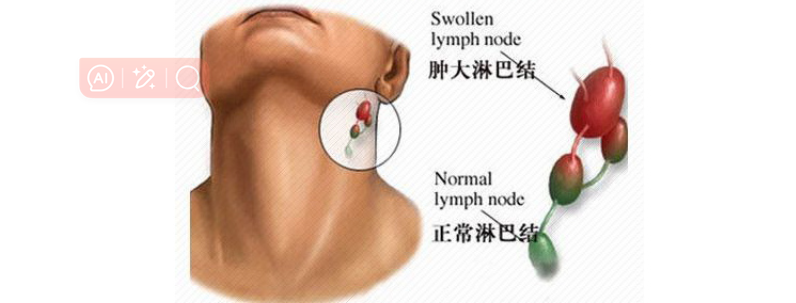
Within these nodes, immune cells, including lymphocytes (B cells and T cells), macrophages, and dendritic cells, work tirelessly to identify and destroy foreign invaders like bacteria, viruses, and cancer cells. When an infection is detected, lymph nodes may become swollen and tender as they ramp up production of immune cells and antibodies to fight the threat. This process, known as lymphadenopathy, is often a sign that the immune system is actively engaged in battle.
Lymphatic Vessels: The Transport Network
Lymphatic vessels, the tubes that make up the lymphatic system, are responsible for transporting lymph fluid throughout the body. These vessels are thinner and more fragile than blood vessels, with valves that help prevent backflow and ensure one-way flow of lymph fluid towards the heart.
Starting at the cellular level, interstitial fluid—the fluid that surrounds and bathes cells—contains a mix of nutrients, waste products, and immune cells. When this fluid accumulates in excess, it enters the lymphatic capillaries, the smallest and most numerous vessels in the lymphatic system. From there, it is gradually transported through larger lymphatic vessels, ultimately reaching the thoracic duct (in the case of most of the body) or the right lymphatic duct (for the right upper quadrant of the body and head), where it empties into the bloodstream near the heart.
Lymph Fluid: The Life-Sustaining Medium
Lymph fluid, also known as lymph, is a clear, slightly yellowish liquid that bathes and nourishes the body's cells. It is similar in composition to blood plasma but lacks red blood cells and contains a higher concentration of white blood cells, particularly lymphocytes.
As lymph fluid flows through the lymphatic system, it picks up excess interstitial fluid, waste products, and pathogens, transporting them to the lymph nodes for processing. In addition to its role in waste removal, lymph fluid also facilitates the transport of fats and other nutrients from the digestive system to the bloodstream, as mentioned earlier.
The Integrated Function of the Lymphatic System
The lymphatic system's structure and function are intricately intertwined, with each component playing a crucial role in supporting the immune system and maintaining fluid balance. By efficiently removing excess fluid and waste products, the lymphatic system helps prevent edema and ensure that tissues remain nourished and functioning optimally. At the same time, its network of lymph nodes and immune cells acts as a first line of defense against pathogens, constantly monitoring and responding to potential threats.
In summary, the lymphatic system is a vital and complex network that performs essential functions that are crucial to our overall health and well-being. By understanding its structure and function, we can better appreciate the significance of lymphatic drainage and the importance of maintaining a healthy lymphatic system.
Common Signs of Lymphatic Imbalance: A Comprehensive Guide
The lymphatic system, while often overlooked, is a vital component of our overall health and well-being. Imbalances within this intricate network can lead to a range of symptoms that can significantly impact our daily lives. By recognizing the common signs of lymphatic imbalance, we can take proactive steps to restore and maintain our lymphatic health.
Swelling and Edema
One of the most prominent signs of lymphatic imbalance is swelling, particularly in the extremities such as the legs, ankles, and arms. This condition, known as edema, occurs when excess fluid accumulates in the interstitial spaces between cells due to impaired lymphatic drainage. Edema can be caused by a variety of factors, including poor circulation, prolonged sitting or standing, and certain medical conditions like heart failure or kidney disease. However, when edema is primarily caused by lymphatic dysfunction, it is often accompanied by other symptoms indicative of lymphatic imbalance.
Frequent Infections
The lymphatic system plays a crucial role in the immune response, and imbalances can lead to a weakened immune system. When the lymphatic system is not functioning optimally, it may struggle to effectively filter and eliminate pathogens from the body. This can result in frequent infections, including colds, flu, and more serious illnesses like pneumonia or sepsis. If you find yourself getting sick more often than usual, it may be a sign that your lymphatic system needs attention.
Weakened Immunity
Beyond frequent infections, weakened immunity is another common sign of lymphatic imbalance. A healthy lymphatic system supports the immune system by transporting immune cells throughout the body and providing a site for immune cell proliferation and activation within lymph nodes. When the lymphatic system is out of balance, it may not be able to fulfill these critical functions effectively, leading to a general decline in immune function. This can manifest as a general feeling of being unwell, chronic fatigue, and a reduced ability to fight off infections.
Digestive Issues
Surprisingly, lymphatic imbalance can also manifest as digestive issues. The lymphatic system plays a role in the absorption of fats and other nutrients from the digestive system, and imbalances can disrupt this process. This can lead to symptoms such as bloating, gas, constipation, or diarrhea. Additionally, a weakened immune system can also contribute to digestive problems by allowing pathogens to enter the gut and disrupt the delicate balance of gut bacteria.
Other Signs
In addition to the signs mentioned above, lymphatic imbalance can also manifest in other ways, including:
- Skin problems: Lymphatic congestion can lead to skin issues such as acne, rashes, and dryness.
- Pain and stiffness: Impaired lymphatic drainage can cause pain and stiffness in the joints and muscles.
- Fatigue and lack of energy: A weakened immune system and reduced nutrient absorption can contribute to chronic fatigue.
- Cognitive issues: Lymphatic imbalances can affect brain function, leading to symptoms like brain fog, memory loss, and difficulty concentrating.
Taking Proactive Steps
Recognizing the signs of lymphatic imbalance is the first step towards restoring your lymphatic health. By addressing the underlying causes of imbalance, such as poor diet, lack of exercise, and chronic stress, you can support your lymphatic system and improve your overall well-being. This may involve incorporating lymphatic-stimulating activities into your daily routine, such as gentle exercise, deep breathing, and massage. Additionally, seeking the guidance of a healthcare professional who specializes in lymphatic health can help you develop a personalized plan to address your specific needs.
Boosting Lymphatic Health Naturally: A Comprehensive Guide
Maintaining a healthy lymphatic system is crucial for overall wellness, as it plays a pivotal role in immune function, fluid balance, and nutrient absorption. To boost lymphatic health naturally, a holistic approach that encompasses proper hydration, a balanced diet, and regular exercise is essential. Here's a detailed exploration of these key factors.
Proper Hydration and Water Intake
Water is the lifeblood of the lymphatic system, and proper hydration is vital for maintaining optimal lymphatic flow. When the body is adequately hydrated, it can more easily flush out toxins and waste products through the lymphatic vessels. Conversely, dehydration can slow down lymphatic circulation, leading to congestion and impaired immune function.
To ensure proper hydration, aim to drink at least eight glasses of water per day, or more if you're physically active or live in a hot climate. Drinking water throughout the day, rather than in large quantities at once, can help maintain a consistent level of hydration. Additionally, consuming water-rich foods like fruits and vegetables can also contribute to your daily water intake.
Balanced and Nutrient-Rich Diet
A balanced and nutrient-rich diet is another crucial aspect of promoting lymphatic health. A diet rich in whole foods, including fruits, vegetables, whole grains, lean proteins, and healthy fats, can provide the essential nutrients needed to support lymphatic function.
In particular, certain nutrients have been shown to be particularly beneficial for the lymphatic system. For example, antioxidants like vitamins C and E can help protect lymphatic tissue from oxidative stress and inflammation. Fiber-rich foods can also aid in lymphatic drainage by promoting healthy gut function and preventing constipation, which can contribute to lymphatic congestion.
Regular Exercise and Movement
Regular exercise and movement are essential for promoting lymphatic flow and maintaining a healthy lymphatic system. When we move, our muscles contract and squeeze the lymphatic vessels, helping to push lymph fluid through the body. This process, known as lymphatic pumping, is essential for maintaining optimal lymphatic circulation.
Aerobic exercises like walking, jogging, cycling, and swimming are particularly effective at promoting lymphatic flow. However, even low-impact activities like yoga, Pilates, and stretching can be beneficial, as they help to improve flexibility and reduce muscle tension, which can also contribute to lymphatic congestion.
Additionally, incorporating specific lymphatic drainage techniques, such as deep breathing exercises and manual lymphatic drainage massage, can further enhance lymphatic flow and promote overall lymphatic health.
Managing Stress
While not directly related to hydration, diet, or exercise, managing stress is also an important aspect of maintaining lymphatic health. Chronic stress can have a negative impact on the immune system and lymphatic function, as it can disrupt normal hormonal balance and promote inflammation.
To manage stress, consider incorporating relaxation techniques such as meditation, deep breathing, and mindfulness into your daily routine. Additionally, prioritizing self-care, engaging in hobbies and activities you enjoy, and seeking support from friends and family can also help to reduce stress and promote overall well-being.
In conclusion, boosting lymphatic health naturally requires a holistic approach that encompasses proper hydration, a balanced and nutrient-rich diet, regular exercise and movement, and effective stress management. By adopting these practices, you can support your lymphatic system and promote overall health and well-being.
Techniques for Lymphatic Drainage: Unlocking the Power of Self-Care
Lymphatic drainage is a crucial process that helps to maintain optimal fluid balance and immune function in the body. By promoting the flow of lymph fluid through the lymphatic system, we can support the removal of toxins, waste products, and excess fluid, ultimately enhancing overall health and well-being. In this section, we will introduce you to two effective techniques for lymphatic drainage that you can perform at home: dry brushing and self-massage.
Dry Brushing
Dry brushing is a simple yet powerful technique that can help to stimulate lymphatic flow and improve skin health. The process involves using a natural bristle brush to gently exfoliate the skin, which helps to loosen dead skin cells and encourage the movement of lymph fluid.
Benefits of Dry Brushing
- Improved Lymphatic Flow: Dry brushing stimulates the lymphatic vessels, promoting the flow of lymph fluid and helping to flush out toxins and waste products.
- Enhanced Skin Health: By exfoliating the skin, dry brushing can help to reduce the appearance of cellulite, improve skin texture, and even out skin tone.
- Relaxation and Stress Relief: The gentle, rhythmic motions of dry brushing can also be calming and relaxing, helping to reduce stress and promote overall well-being.
How to Perform Dry Brushing
- Choose the Right Brush: Select a natural bristle brush with a long handle that allows you to reach all areas of your body. Avoid synthetic bristles, as they can be harsh on the skin.
- Prepare Your Skin: Take a shower or bath to soften your skin before dry brushing. Dry your body thoroughly, but do not apply any lotions or oils, as they can make the brush slip.
- Start at the Feet: Begin at your feet and work your way up your legs, using long, gentle strokes in the direction of your heart. This helps to encourage the flow of lymph fluid towards the heart, where it can be recirculated or filtered.
- Move to the Torso: Once you have finished your legs, move on to your torso, brushing in circular motions around your abdomen and up towards your chest.
- Don't Forget the Arms: Finally, brush your arms, using long strokes from your hands towards your shoulders.
- Rinse Off: After dry brushing, take a quick shower to rinse off any dead skin cells and pat your skin dry.
Self-Massage
Self-massage is another effective technique for promoting lymphatic drainage. By applying gentle pressure and using specific massage techniques, you can help to stimulate the lymphatic vessels and encourage the flow of lymph fluid.

Benefits of Self-Massage
- Enhanced Lymphatic Flow: Self-massage can help to loosen congestion in the lymphatic system, promoting the flow of lymph fluid and improving immune function.
- Reduced Muscle Tension: Massage can also help to relax tight or sore muscles, reducing tension and promoting overall relaxation.
- Improved Circulation: By stimulating blood flow, self-massage can help to improve circulation throughout the body, supporting the delivery of oxygen and nutrients to cells.
How to Perform Self-Massage for Lymphatic Drainage
- Warm Up: Begin by warming up your muscles with light stretching or a warm bath or shower.
- Use Gentle Pressure: Apply gentle pressure to the skin, using your fingertips, knuckles, or a massage tool if desired. Avoid using excessive force, as this can cause discomfort or damage to the lymphatic vessels.
- Focus on Key Areas: Pay particular attention to areas where lymphatic congestion is common, such as the neck, underarms, chest, abdomen, and legs.
- Use Circular Motions: Use circular motions to massage the skin, working in the direction of your heart. This helps to encourage the flow of lymph fluid towards the heart.
- Breathe Deeply: Take deep, slow breaths as you massage, allowing your body to relax and release tension.
- End with Gentle Strokes: Finish your massage with gentle, sweeping strokes from your extremities towards your heart.
By incorporating dry brushing and self-massage into your daily routine, you can help to promote lymphatic drainage and support overall health and well-being. Remember to be gentle and listen to your body, adjusting the pressure and techniques as needed to ensure a comfortable and enjoyable experience.
Additional Steps to Support Lymphatic Health: A Holistic Approach
Beyond the physical techniques of dry brushing and self-massage, maintaining a healthy lymphatic system requires a holistic approach that addresses various aspects of our daily lives. Stress management, ensuring quality sleep, and avoiding toxins in personal care products are three crucial areas that can significantly impact lymphatic health. Let's delve deeper into the reasons behind these practices and offer practical tips for achieving them.
Stress Management
Chronic stress can have a detrimental effect on the lymphatic system, as it can disrupt the normal flow of lymph fluid and impair immune function. High levels of stress can cause the body to release hormones such as cortisol, which can lead to inflammation and impair the lymphatic system's ability to drain fluid and waste products.
Practical Tips for Stress Management
- Practice Mindfulness: Engage in mindfulness activities such as meditation, yoga, or deep breathing exercises to help reduce stress and promote relaxation.
- Exercise Regularly: Regular physical activity can help to reduce stress levels and improve overall health, including lymphatic function.
- Connect with Others: Socializing with friends and family can provide emotional support and help to reduce stress.
- Learn to Say No: Setting boundaries and prioritizing your own needs can help to prevent overwhelm and reduce stress.
- Seek Professional Help: If stress becomes overwhelming, consider seeking help from a therapist or counselor.
Ensuring Quality Sleep
Sleep is essential for overall health and well-being, and it plays a vital role in supporting lymphatic health. During sleep, the body undergoes a process called lymphatic clearance, where lymph fluid is drained from the brain and other tissues. Lack of sleep can disrupt this process, leading to lymphatic congestion and impaired immune function.
Practical Tips for Ensuring Quality Sleep
- Establish a Routine: Go to bed and wake up at the same time every day, even on weekends.
- Create a Sleep-Friendly Environment: Ensure your bedroom is dark, quiet, and cool, and use comfortable bedding and pillows.
- Limit Screen Time Before Bed: Avoid using electronic devices with screens (such as phones, tablets, and computers) for at least an hour before bedtime.
- Avoid Caffeine and Alcohol: Consuming caffeine and alcohol close to bedtime can disrupt sleep patterns.
- Relax Before Bed: Engage in relaxing activities such as reading, taking a warm bath, or listening to soothing music before going to bed.
Avoiding Toxins in Personal Care Products
Many personal care products, including soaps, shampoos, lotions, and cosmetics, contain harmful chemicals and toxins that can disrupt the lymphatic system and impair immune function. These chemicals can be absorbed through the skin and enter the bloodstream, where they can be transported to the lymphatic system.
Practical Tips for Avoiding Toxins in Personal Care Products
- Read Labels: Check the ingredient lists of personal care products and avoid those containing harmful chemicals such as parabens, phthalates, sulfates, and synthetic fragrances.
- Choose Natural Products: Opt for natural and organic personal care products that are free from harmful chemicals.
- DIY Options: Consider making your own personal care products using natural ingredients such as essential oils, honey, and coconut oil.
- Research Brands: Research the brands you use to ensure they have a commitment to using safe and non-toxic ingredients.
- Listen to Your Skin: Pay attention to how your skin reacts to different products and avoid those that cause irritation or discomfort.
By incorporating stress management, ensuring quality sleep, and avoiding toxins in personal care products into your daily routine, you can support a healthy lymphatic system and overall well-being. Remember, maintaining a healthy lymphatic system is a holistic endeavor that requires attention to multiple aspects of your life.
Seeking Professional Help for Lymphatic Health
While incorporating natural methods into one's daily routine can significantly enhance lymphatic health, there are certainly times when professional assistance becomes necessary. Understanding when to consult a healthcare provider or a lymphatic specialist, as well as being aware of the treatments they may offer, is crucial for ensuring optimal lymphatic function and overall well-being.
When to Consult a Healthcare Provider
-
Persistent Swelling or Edema: If you experience persistent swelling or edema in your limbs, particularly if it is accompanied by discomfort or impairment of daily activities, it's essential to seek medical advice. This could indicate an underlying condition that requires professional attention.
-
Post-Surgical Recovery: Following certain surgeries, particularly those involving the removal of lymph nodes or damage to lymphatic vessels, professional lymphatic therapy may be recommended to aid in recovery and reduce the risk of complications such as lymphedema.
-
Chronic Conditions: People with chronic conditions that affect the lymphatic system, such as lymphedema, lipedema, or lymphatic disorders, should regularly consult with a healthcare provider or lymphatic specialist to manage their symptoms and prevent progression.
-
Failure of Natural Methods: If you have tried various natural methods to improve lymphatic health but have not seen significant improvement, consulting a professional may be beneficial.
Overview of Professional Treatments
-
Lymphatic Massage or Manual Lymph Drainage (MLD):
Lymphatic massage, also known as manual lymph drainage, is a specialized form of massage that focuses on stimulating the lymphatic system to improve fluid circulation and drainage. MLD is performed by trained therapists who use gentle, rhythmic strokes to move lymph fluid towards the heart, where it can be filtered and recirculated. This treatment is particularly effective for managing lymphedema and promoting post-surgical recovery. -
Compression Therapy:
Compression therapy involves wearing specialized garments or using compression bandages to apply gentle pressure to the affected areas. This helps to reduce swelling by promoting lymphatic drainage and reducing fluid accumulation. Compression therapy is often used in conjunction with MLD for optimal results. -
Lymphatic Drainage Exercises:
Physical therapists or lymphatic specialists may prescribe specific exercises designed to stimulate lymphatic flow. These exercises can help to improve circulation and reduce swelling, particularly in the legs and arms. -
Dietary and Lifestyle Advice:
Healthcare providers may also offer dietary and lifestyle advice to support lymphatic health. This may include recommendations for reducing salt intake, increasing fiber consumption, staying hydrated, and engaging in regular physical activity. -
Medical Interventions:
In some cases, medical interventions such as surgery or the use of medication may be necessary to address underlying conditions that affect lymphatic health.
Choosing a Healthcare Provider or Lymphatic Specialist
When seeking professional help for lymphatic health, it's important to choose a healthcare provider or lymphatic specialist who is experienced and knowledgeable in this area. Look for someone who is certified in lymphatic therapy and has a strong track record of helping patients manage their symptoms and improve their quality of life.
In conclusion, while natural methods can play a significant role in enhancing lymphatic health, there may be times when professional assistance is necessary. By understanding when to consult a healthcare provider or lymphatic specialist and being aware of the treatments they may offer, you can take proactive steps to support your lymphatic system and overall well-being.
Maintaining a healthy lymphatic system is indeed a cornerstone of overall well-being, as it plays a crucial role in maintaining fluid balance, immune function, and detoxification processes within the body. By delving deeper into its workings, recognizing potential signs of imbalance, and adopting healthy habits, you can nurture your lymphatic system and enjoy a host of health benefits.
Understanding the Lymphatic System
The lymphatic system is a complex network of vessels, nodes, and organs that work together to remove excess fluid, waste products, and bacteria from tissues throughout the body. It is closely linked to the circulatory system but operates under its own pressure gradient, relying on muscle contractions and the action of specialized valves to move lymph fluid towards the heart.
Lymph nodes, which are scattered throughout the body, act as filters, trapping and destroying bacteria, viruses, and other pathogens. They are also where immune cells, such as lymphocytes, mature and multiply, making the lymphatic system a key component of the immune system.
Recognizing Signs of Lymphatic Imbalance
While the lymphatic system is designed to function efficiently without our conscious effort, there are some signs that may indicate a need for attention:
- Swelling or Edema: Persistent swelling, particularly in the arms, legs, or face, can be a sign of lymphatic congestion or dysfunction.
- Frequent Infections: If you find yourself getting sick more often than usual, it could be a sign that your lymphatic system is not effectively filtering out pathogens.
- Fatigue and Low Energy: Lymphatic congestion can lead to a buildup of toxins in the body, which can contribute to feelings of fatigue and low energy.
- Digestive Issues: The lymphatic system plays a role in digestion, and imbalances can sometimes manifest as digestive disturbances such as bloating, constipation, or diarrhea.
Incorporating Natural Methods into Your Routine
There are several natural methods you can incorporate into your daily routine to support lymphatic health:
- Exercise: Regular physical activity, particularly exercises that involve deep breathing and muscle contractions, such as yoga, Pilates, or brisk walking, can help stimulate lymphatic flow.
- Hydration: Staying well-hydrated is essential for lymphatic health, as it helps to keep lymph fluid flowing smoothly through the system. Aim to drink at least eight glasses of water a day.
- Diet: A healthy, balanced diet rich in fruits, vegetables, and whole grains can support lymphatic function by providing essential nutrients and fiber. Limiting processed foods, sugar, and salt can also help reduce inflammation and support detoxification.
- Skin Brushing: Dry brushing the skin with a natural bristle brush can help stimulate circulation and promote lymphatic drainage. Start at the feet and work upwards towards the heart.
- Stress Management: Chronic stress can negatively impact lymphatic health, so finding effective ways to manage stress, such as meditation, deep breathing, or engaging in hobbies you enjoy, is important.
Seeking Professional Guidance
While natural methods can go a long way in supporting lymphatic health, there may be times when professional guidance is necessary. If you experience persistent symptoms of lymphatic imbalance, or if you have a pre-existing condition that affects the lymphatic system, consult a healthcare provider or lymphatic specialist. They can assess your individual needs and recommend treatments such as lymphatic massage, compression therapy, or medical interventions as appropriate.
Start Your Journey Today
By understanding the lymphatic system, recognizing signs of imbalance, and incorporating natural methods into your routine, you are taking important steps towards optimizing your lymphatic health. Remember, every small change you make can have a positive impact on your overall well-being. Start your journey towards a healthier body and mind today.