Introduction
Vacuum-assisted treatments have become an increasingly recognizable part of modern professional aesthetics. From facial cleansing and skin revitalization to body contouring, cellulite-focused care, and lymphatic-style massage, controlled negative pressure can be integrated into a wide range of treatment protocols.
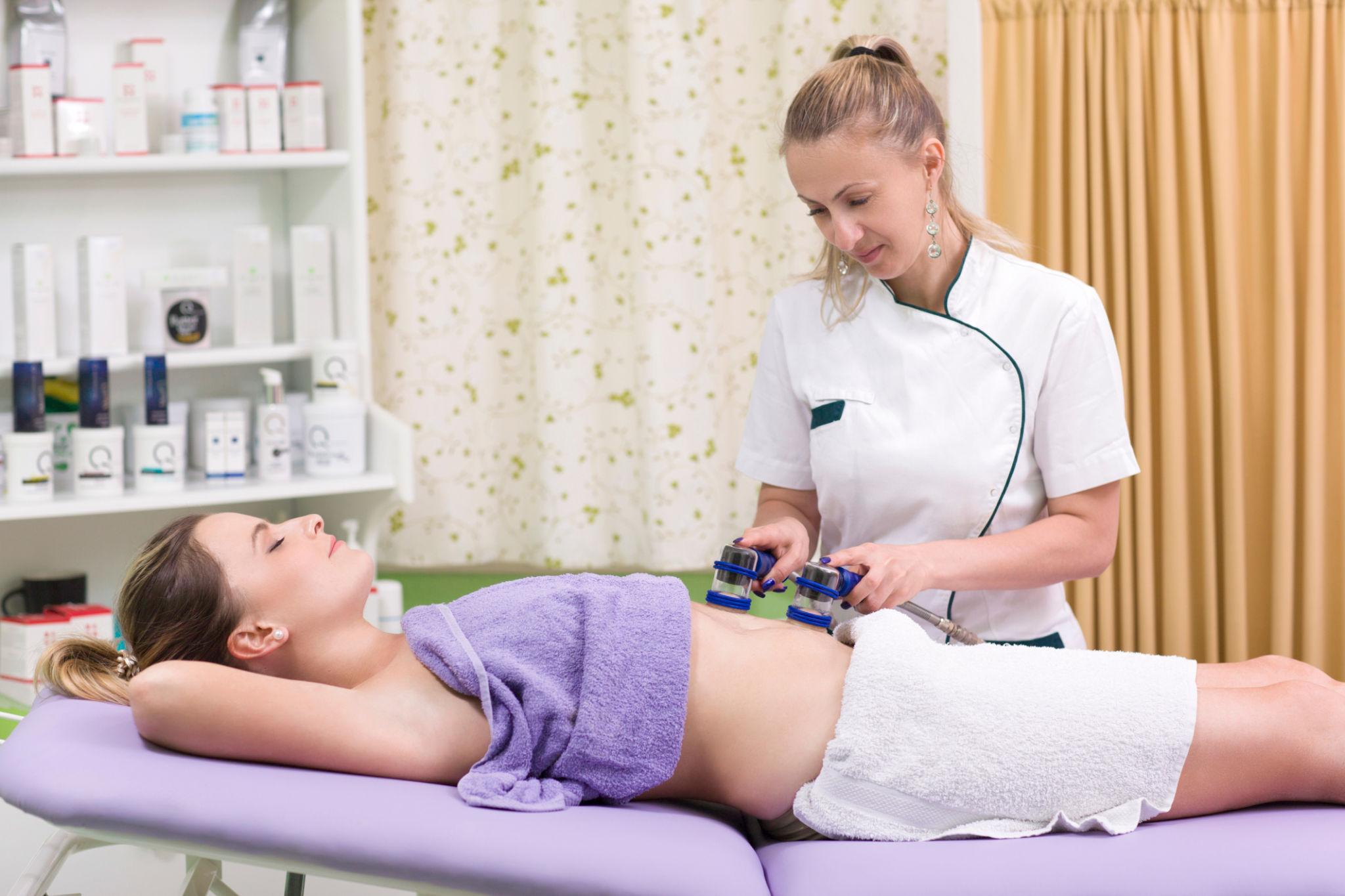
Unlike conventional massage techniques that primarily apply pressure to the surface of the skin, vacuum technology works by creating controlled suction. This temporarily lifts the skin and superficial tissue toward the applicator, allowing the operator to combine mechanical stimulation with targeted treatment movements.
For beauty salons, aesthetic clinics, and professional treatment centers, this flexibility is one of the main reasons vacuum technology continues to attract attention. Depending on the device configuration, vacuum can be used as a standalone modality or combined with technologies such as radiofrequency, infrared, rollers, or other aesthetic systems.
However, “vacuum treatment” is not a single standardized procedure. The actual effect depends on the type of handpiece, suction level, treatment area, movement technique, treatment duration, and whether vacuum is combined with another technology. Professional equipment therefore plays an important role in providing controlled and repeatable treatment protocols.
Background: Why Are Vacuum-Assisted Treatments Used?
Many aesthetic concerns involve more than the surface appearance of the skin.
Clients may be concerned about facial puffiness, congested-looking skin, uneven texture, the appearance of cellulite, localized body contours, or a feeling of heaviness in certain treatment areas. Traditional manual massage can address some of these concerns, but it depends heavily on the operator's physical technique and consistency.
Vacuum-assisted technology introduces a mechanical approach.
By using negative pressure, the applicator gently draws tissue upward. Depending on the treatment protocol, this lifting and releasing action can provide mechanical stimulation to the skin and superficial connective tissues. Professional vacuum systems can also be designed with adjustable suction, different applicator sizes, continuous or intermittent modes, and specialized treatment heads.
This level of control is particularly valuable in a professional environment. Facial tissue, the abdomen, thighs, arms, and other body areas have different characteristics and therefore should not necessarily be treated with the same suction level or technique.
For clinics and salons, this also creates an opportunity to develop different services around one core technology rather than relying on a single-purpose treatment.
Technology & Mechanism: How Does Vacuum-Assisted Treatment Work?
The basic principle is relatively straightforward: a vacuum pump creates negative pressure, and the handpiece transfers that controlled suction to the skin.
When the applicator contacts the treatment area, the pressure difference draws a portion of the tissue toward the applicator. The operator then moves the handpiece according to the selected protocol.
The mechanical action can generally be understood through several components.
1. Controlled Negative Pressure
The foundation of vacuum treatment is adjustable suction.
Professional machines allow operators to select different intensity levels rather than relying on uncontrolled manual force. This makes it easier to adapt treatment to the client's comfort level, treatment area, and protocol.
Higher suction is not automatically better. Excessive or inappropriate pressure may cause discomfort, temporary redness, or bruising. Professional treatment should therefore emphasize controlled parameters rather than maximum suction.
2. Tissue Lifting and Mechanical Stimulation
Vacuum creates a lifting effect on the skin and superficial tissues.
When combined with appropriate gliding or pulsing movements, this mechanical stimulation can help create a massage-like treatment experience. Some professional systems use specially designed cups or rollers to combine suction with mechanical movement.
This is particularly relevant for body treatments where the objective is to improve the appearance of skin texture and contour.
3. Support for Fluid Movement and Massage-Based Protocols
Vacuum-assisted massage is also commonly incorporated into protocols designed around lymphatic-style drainage and temporary decongestion.
The mechanical movement of the applicator can be used along specific pathways selected by the professional. The goal is not to claim that vacuum “detoxifies” the body, but rather to provide controlled mechanical stimulation that complements massage-based treatment strategies.
Professional systems are already used in aesthetic and therapeutic settings for applications involving lymphatic drainage and tissue mobilization.
4. Integration With Other Technologies
One of the most commercially useful characteristics of vacuum technology is its ability to work alongside other modalities.
For example, some aesthetic platforms combine vacuum with radiofrequency (RF), infrared, rollers, or ultrasound/cavitation technologies. These combinations allow the mechanical component and energy-based component to serve different purposes within the same treatment workflow.
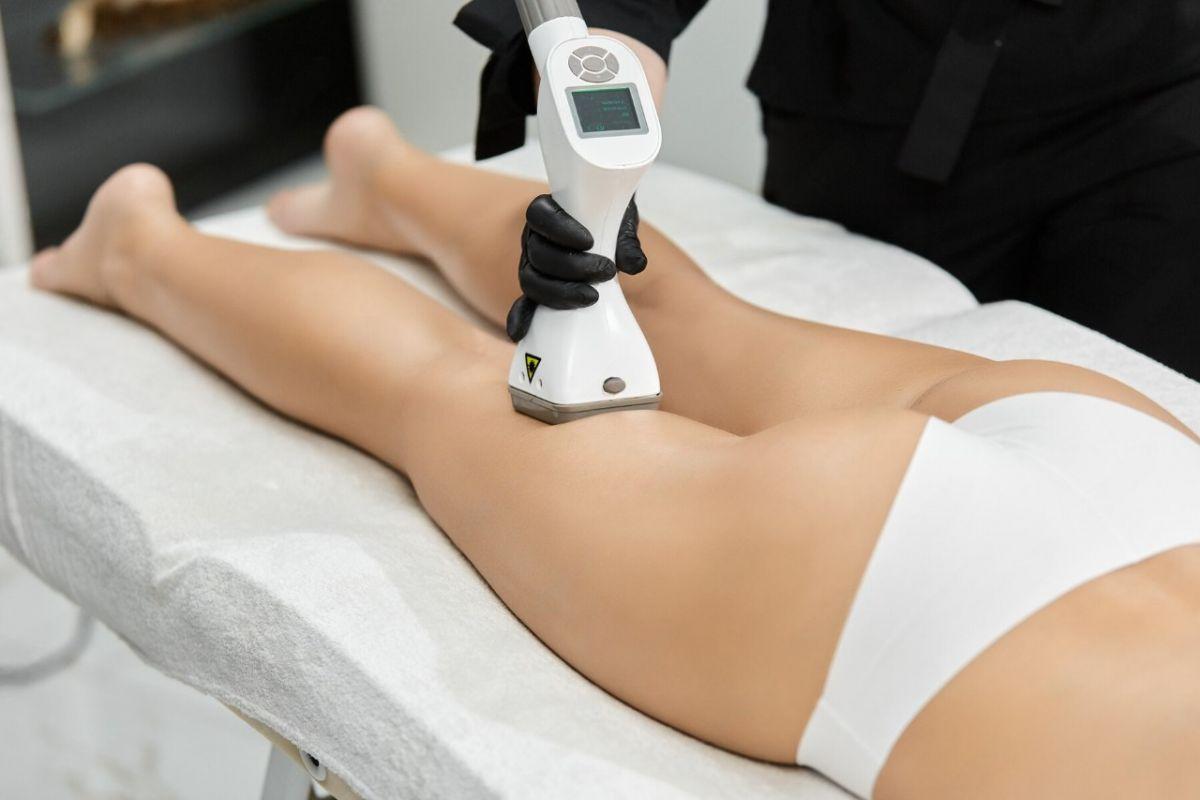
For example, vacuum may help bring tissue closer to an applicator while RF provides controlled heating. Certain commercial systems specifically combine RF and vacuum for body contouring and cellulite-focused treatments
Advantages of Vacuum-Assisted Treatments
Versatile Facial and Body Applications
A major advantage of vacuum systems is versatility.
With the appropriate handpieces and protocols, vacuum technology may be used for facial and body-focused treatments. Smaller applicators can be designed for areas such as the cheeks, jawline, or other facial regions, while larger cups or rollers can be used for the abdomen, thighs, hips, arms, or buttocks.
This versatility can make a professional vacuum platform useful for salons that want to provide multiple treatment options without investing in a completely separate machine for every service.
Adjustable Treatment Intensity
Professional systems generally offer greater control than basic manual or consumer-oriented devices.
Operators can adjust suction intensity, select continuous or pulsed modes, change applicators, and modify movement patterns according to the treatment area.
This is especially important because different areas require different approaches. Facial skin should not simply be treated like the thicker tissue of the thighs or abdomen.
More Consistent Treatment Workflows
Manual massage depends strongly on the individual operator.
Vacuum equipment does not eliminate professional skill, but it can standardize part of the mechanical process. A machine with adjustable parameters allows trained operators to establish repeatable treatment protocols.
For busy salons and clinics, repeatability can be commercially important. Consistent procedures can make staff training easier and help create standardized service menus.
Easy Combination With Other Services
Vacuum technology can also function as a complementary modality.
For example, a clinic may create protocols combining vacuum with RF for skin-firming-focused treatments, or use vacuum and rollers for body massage and contour-focused services.
This approach reflects a broader industry trend toward multifunctional aesthetic platforms. Rather than using one machine for one isolated concern, professional operators increasingly look at how different technologies can contribute to a complete treatment workflow.
Vacuum-Assisted Treatments vs. Traditional Manual Massage
Vacuum-assisted treatment should not be viewed simply as a replacement for manual massage. Instead, the two approaches have different strengths.
| Feature | Manual Massage | Vacuum-Assisted Treatment |
|---|---|---|
| Mechanical stimulation | Operator-controlled | Machine-assisted |
| Pressure consistency | Depends on technique | Adjustable machine parameters |
| Treatment customization | Highly flexible | Adjustable suction and handpieces |
| Operator effort | Relatively high | Reduced physical workload |
| Repeatability | Depends on therapist | Easier to standardize |
| Facial applications | Yes | Yes, with suitable handpieces |
| Body applications | Yes | Yes, with suitable applicators |
| Technology combinations | Limited | Can integrate with RF, rollers, etc. |
Professional vacuum equipment can therefore be particularly valuable when a salon wants to move from purely manual services toward technology-assisted treatment protocols.
At the same time, it is important to maintain realistic expectations. Non-invasive body contouring is not the same as weight loss or surgical fat removal. The FDA notes that non-invasive body contouring procedures are intended to alter appearance in specific areas and do not treat obesity or produce the health benefits associated with weight loss.
Applications & Client Needs
1. Facial Treatments
Vacuum technology can be incorporated into facial protocols where controlled mechanical stimulation is desired.
Depending on the equipment, smaller handpieces may be used around the cheeks, jawline, and other suitable facial areas. Some professional systems are designed specifically for facial vacuum massage, while multifunction platforms allow operators to combine vacuum with other facial technologies.
The key is appropriate pressure selection and careful movement.
2. Body Contouring-Focused Services
Body contouring is one of the most commercially visible applications of vacuum technology.
Professional vacuum systems may be used around areas such as the abdomen, thighs, hips, arms, and buttocks as part of appearance-focused body treatments. The mechanical action can be combined with rollers or energy-based technologies depending on the device.
Importantly, “body contouring” should be understood as an aesthetic goal rather than a substitute for weight management. The FDA distinguishes non-invasive body contouring from surgical procedures such as liposuction and emphasizes that these technologies do not produce overall weight loss.
3. Cellulite-Focused Treatments
Cellulite is another area where vacuum-assisted technology is frequently positioned.
Vacuum and mechanical rollers can mobilize superficial tissue and temporarily alter the appearance of skin texture. Some professional systems are specifically designed around vacuum massage and mechanical stimulation for cellulite-focused services.
Because cellulite is influenced by multiple structural factors, treatment expectations should remain realistic. The objective is generally improvement in appearance rather than claiming permanent elimination.
4. Lymphatic-Style Massage and Decongestion
Some professional vacuum systems are incorporated into massage protocols intended to support fluid movement and reduce the feeling of congestion or heaviness.
These services can be attractive to clients seeking a relaxing, technology-assisted body treatment. However, professional operators should distinguish aesthetic massage services from medical treatment and follow appropriate contraindication screening and local professional requirements.
5. Combination Treatments
Perhaps the most interesting application is the combination of vacuum with other technologies.
A multifunction system may use vacuum for mechanical stimulation while another modality contributes a different mechanism. For example:
- Vacuum + RF: mechanical stimulation combined with controlled RF heating.
- Vacuum + Roller: suction combined with mechanical tissue massage.
- Vacuum + Cavitation: mechanical suction combined with ultrasound-based body treatment, where the device is specifically designed and authorized for such use.
- Vacuum + Infrared: mechanical stimulation combined with infrared energy in selected professional systems.
The exact combination, parameters, treatment area, and claims should always follow the equipment manufacturer's intended use and applicable regulations.
Why Professional Equipment Matters
For a professional beauty salon or aesthetic clinic, the value of a vacuum system is not simply the presence of a suction function.
The more important question is how precisely the system can control that function.
A professional platform may provide adjustable vacuum intensity, multiple handpieces, ergonomic applicators, digital controls, treatment presets, stable suction output, and safety-oriented design. These features can improve workflow and allow trained professionals to build different protocols around different client needs.
Ergonomics also matter. A handpiece that is comfortable to hold can reduce operator fatigue during longer sessions. A clear control interface can make parameter adjustments easier. Interchangeable applicators can expand the range of facial and body treatments offered by the same platform.
For equipment manufacturers and distributors, these details are not minor technical specifications. They directly influence how easily a clinic can integrate the device into its existing treatment menu.
Treatment Safety and Professional Considerations
Vacuum-assisted treatments are non-invasive in the sense that they work on the surface of the body without surgical incisions, but that does not mean every client or every treatment area is automatically suitable.
Professional operators should follow the manufacturer's instructions, conduct appropriate client screening, select suitable suction levels, and monitor skin response throughout the procedure.
Temporary redness can occur after mechanical stimulation, while excessive suction may increase the likelihood of bruising or discomfort. Contraindications can also vary depending on whether vacuum is used alone or combined with RF, ultrasound, cooling, or other technologies.
For this reason, professional training and clearly defined treatment protocols remain important even when the device itself is highly automated.
Conclusion
Vacuum-assisted treatments demonstrate how a relatively simple physical principle—controlled negative pressure—can become a versatile tool in modern aesthetic practice.
From facial massage and skin-focused treatments to body contouring, cellulite-focused services, and lymphatic-style protocols, vacuum technology can support a wide range of professional applications. Its greatest value comes from controlled suction, interchangeable applicators, repeatable treatment workflows, and the ability to integrate with complementary technologies.
For modern beauty salons and aesthetic clinics, the goal is not simply to add another machine to the treatment room. A well-designed vacuum system can become part of a broader service strategy, helping professionals deliver more structured, customizable, and technology-assisted treatments.
As the aesthetics industry continues to move toward multifunctional equipment and personalized treatment protocols, vacuum technology remains a practical foundation for developing flexible facial and body treatment solutions
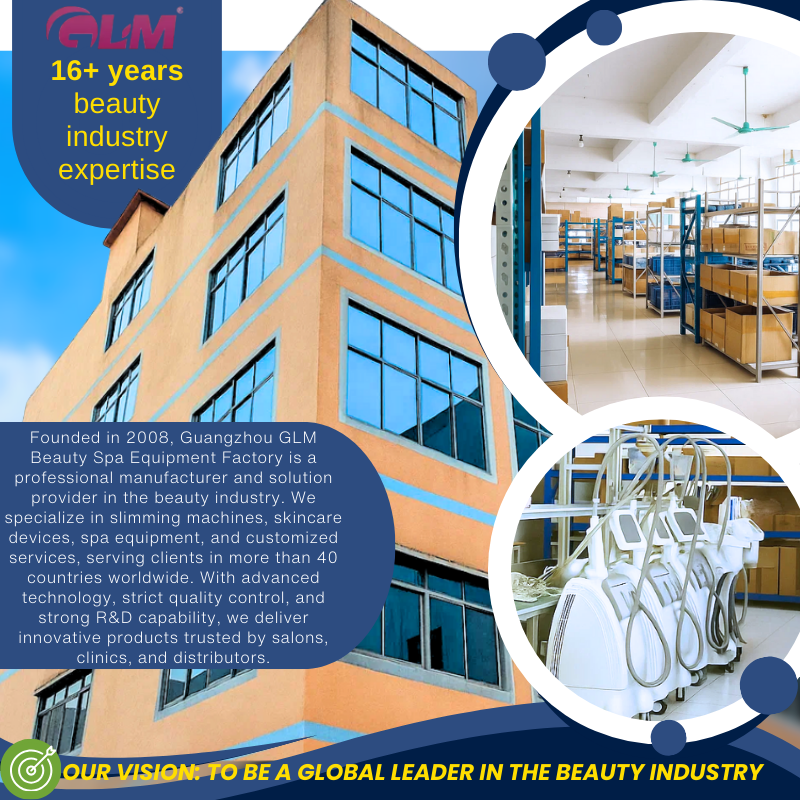
Founded in 2008, Guangzhou GLM Beauty Spa Equipment Factory specializes in research, development, manufacture and selling of beauty and slimming machines. Our production base is located in Guangzhou City, Guangdong Province, China. Since our foundation, we have introduced advanced technologies and equipment, to assure high quality and high performance of our products. With professional marketing guide and excellent after-sales service, our products have been exported to over 20 countries and regions, including Southeast Asia, the Middle East, Europe and the United States, won worldwide praises and gained a good reputation