
Introduction
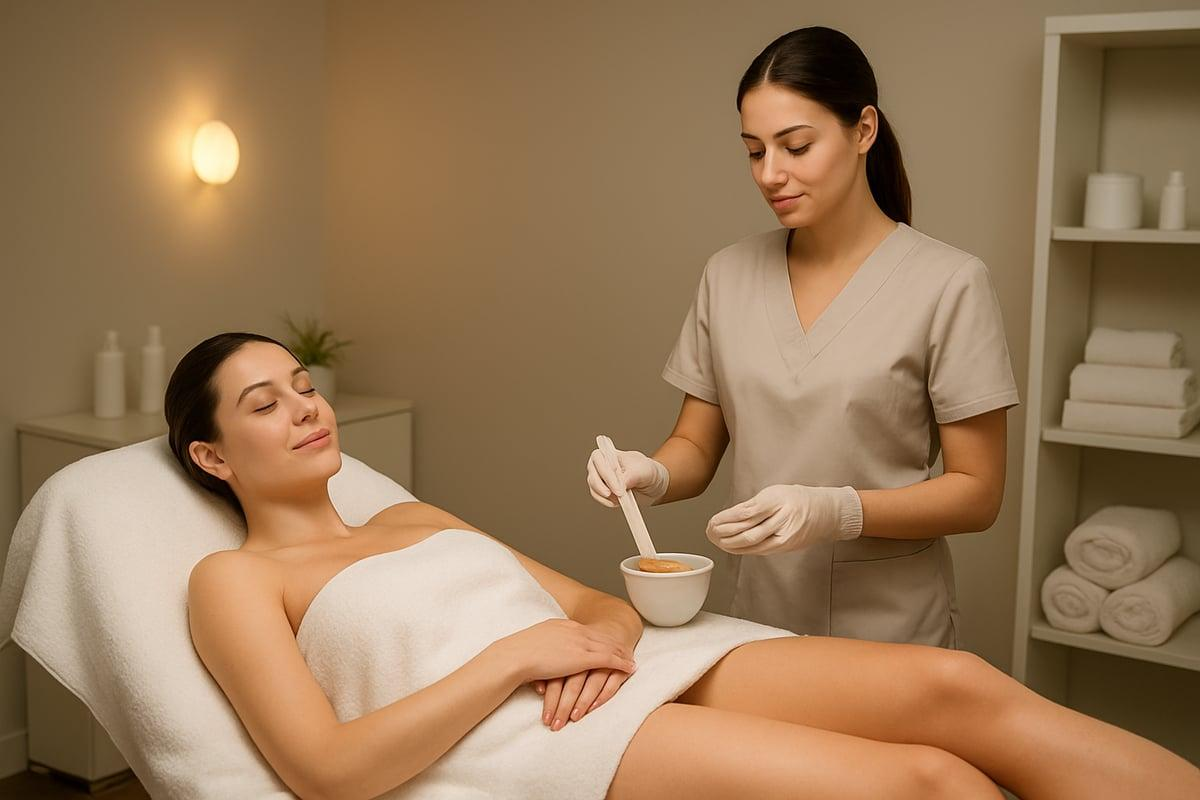
Wax hair removal remains one of the most widely used professional hair-removal services in beauty salons, spas, and aesthetic clinics. Its popularity comes from a straightforward advantage: waxing can remove visible hair from the root while leaving the skin with a smooth, clean appearance.
However, professional waxing is more than applying warm wax and pulling it away. The quality of a waxing service depends on several factors, including wax selection, temperature stability, skin preparation, application technique, removal technique, hygiene, and post-treatment care.
For professional operators, equipment plays an important supporting role. A reliable wax warmer can maintain a stable working temperature, while a well-organized treatment station allows the operator to move efficiently between preparation, waxing, removal, and aftercare. Modern professional waxing systems are therefore designed not simply to heat wax, but to provide greater consistency and control throughout the service.
For salons and clinics looking to expand their hair-removal menu, understanding the technology behind waxing and the role of professional equipment can help create more efficient, comfortable, and repeatable treatments.
Background / Problem
Hair growth is a normal biological process, but many clients choose professional hair removal because they want smoother skin, easier grooming, or longer-lasting results than shaving can provide.
Shaving cuts the hair at or near the skin surface. Waxing takes a different approach by allowing the wax to grip the hair and remove it from the root. This means the skin can remain smooth for longer before visible regrowth becomes noticeable.
Nevertheless, waxing presents several challenges for professional operators.
The first is temperature control. Wax must be warm enough to achieve the correct working consistency, but excessive heat can increase the risk of discomfort or thermal injury. Different wax formulations can also have different recommended working temperatures, so professional operators should always follow the manufacturer's instructions rather than relying on a single universal temperature.
The second challenge is choosing the correct wax for the treatment area. Hard wax and soft wax do not behave in exactly the same way.
Hard wax, also called stripless wax, is generally applied in a thicker layer and allowed to set before being removed directly without a fabric strip. It is commonly used for smaller or more sensitive areas such as the face, underarms, and bikini area.
Soft wax, or strip wax, is normally applied in a thinner layer and removed with a paper, non-woven, or fabric strip. Its ability to cover larger areas efficiently makes it useful for services such as legs, arms, back, and chest waxing.
The third challenge is hygiene. A professional waxing treatment involves repeated contact between the operator, client, wax, applicators, treatment bed, and surrounding equipment. Good hygiene therefore needs to be incorporated into the workflow rather than treated as an afterthought.
Professional waxing guidance commonly emphasizes single-use applicators, clean treatment surfaces, hand hygiene, appropriate disinfection, and avoiding cross-contamination between clients.
These details may appear simple, but they have a direct influence on the client's perception of quality and professionalism.
Technology / Mechanism
How Does Wax Hair Removal Work?
The basic principle of waxing is mechanical hair removal.
Warm wax is applied to the skin and allowed to make contact with the hair. As the wax sets or remains sufficiently adhesive, it forms a grip around the hair shaft. The operator then removes the wax with a controlled movement, taking the attached hair with it.
Hard wax and soft wax achieve this in different ways.
Hard wax is designed to become firm after application. As it cools, it forms a flexible layer around the hair, allowing the operator to lift and remove it without using a separate strip. This makes hard wax particularly useful when working on relatively small areas where precision and control are important.
Soft wax remains adhesive after application. A strip is placed over the wax and pressed into contact before being removed quickly in the appropriate direction. Because a thin layer can cover a relatively large area, soft wax can be efficient for larger body zones.
The difference is not simply about which wax is "better." The professional decision depends on the treatment area, hair characteristics, skin condition, service speed, and operator technique.
The Role of Professional Wax Warmers
A professional wax warmer is one of the central pieces of equipment in a waxing treatment room.
Its primary function is to melt wax and maintain it at a controlled working temperature. Modern professional warmers may include thermostatic controls, digital temperature displays, multiple heating pots, or cartridge-based heating systems.
Stable heating is important because wax consistency affects application. If wax becomes too thick, the operator may struggle to spread it evenly. If it becomes excessively fluid or overheated, application becomes more difficult and client comfort may be affected.
For salons that provide multiple waxing services, multi-pot systems can be particularly useful. A professional may need hard wax and soft wax available at the same time, rather than repeatedly changing products and waiting for a single pot to reach a new temperature. This can improve workflow during busy appointment schedules.
[Internal Image Recommendation — Place Here]
Suggested image: A professional waxing station showing a digital wax warmer, separate hard-wax and soft-wax pots, disposable applicators, treatment bed, gloves, and organized pre- and post-wax products.
Suggested image alt text: “Professional waxing station with temperature-controlled wax warmer and salon equipment.”
Temperature and Consistency
Temperature control is one of the most practical differences between a basic home setup and a professional waxing environment.
Professional operators need to monitor not only the temperature displayed on the device but also the actual consistency of the wax. Before applying wax to a client, the operator should follow the product manufacturer's temperature guidance and appropriate professional testing procedures.
A high-quality wax warmer can help reduce temperature fluctuations and maintain a predictable working texture. This does not replace operator judgment, but it creates a more controlled foundation for the treatment.
For a busy salon, this consistency matters. When several clients are treated throughout the day, the operator needs equipment that can maintain performance without constant manual adjustment.
Advantages / Comparison
Wax Hair Removal vs. Shaving
Waxing and shaving serve different purposes.
Shaving is fast and convenient, but it removes hair at the surface. Regrowth can therefore become visible relatively quickly.
Waxing removes hair from the root, which can provide a longer-lasting smooth appearance. The treatment also allows professional operators to combine hair removal with a carefully controlled service environment that includes skin preparation and aftercare.
For clients who regularly maintain areas such as the legs, arms, bikini area, or underarms, scheduled professional waxing can become a predictable part of their personal-care routine.
Professional Waxing vs. Home Waxing
Home waxing products have become increasingly accessible, but professional treatments offer several advantages.
The most important difference is not simply the wax itself. It is the combination of professional technique, equipment, treatment positioning, hygiene procedures, and operator experience.
A professional salon can select different wax systems according to the treatment area. The operator can also assess the client's skin condition before beginning and adjust the technique accordingly.
Professional equipment further supports this process. A stable wax warmer, adjustable treatment bed, task lighting, organized trolley, and appropriate sanitation supplies allow the operator to maintain better control throughout the service.
A professional multi-temperature wax system can also be more practical for businesses offering different services because it can keep multiple wax formulations ready for use.
The result is a more systematic service rather than a simple home hair-removal procedure.
Why Equipment Quality Matters
For a salon, equipment quality is closely connected to workflow.
A poorly controlled warmer may require frequent temperature adjustments. A small single-pot system may become inconvenient when an operator needs two different wax types. An unstable workstation can make it harder to maintain a clean treatment environment.
By comparison, professional equipment can be designed around the actual service process.
Temperature-controlled heating supports consistent wax preparation.
Multiple heating chambers allow different wax types to be prepared simultaneously.
Compact and organized controls can keep the treatment area easier to manage.
Easy-to-clean surfaces can support daily sanitation routines.
When these features are combined with professional technique, the equipment becomes part of the service system rather than simply another appliance in the treatment room.
Applications / Client Needs
Facial Waxing
Facial waxing requires precision because the treatment area is relatively small and clients may be more sensitive to discomfort or redness.
Hard wax is commonly selected for areas such as the upper lip, chin, and other small facial zones. The operator needs good visibility, controlled application, and careful removal technique.
Professional lighting and a properly positioned treatment bed can make detailed facial waxing more efficient.
Underarm Waxing
Underarm hair can grow in different directions and the skin can be sensitive. Professional operators may therefore prefer a wax system that provides strong hair grip while allowing controlled application.
Hard wax is frequently used for this type of service because it can be applied directly and removed without a strip.
Bikini and Intimate Waxing
Bikini and intimate waxing requires particularly careful technique, client communication, hygiene, and positioning.
The operator should select an appropriate professional wax, maintain strict sanitation procedures, and work systematically rather than prioritizing speed alone.
For salons offering intimate waxing as a premium service, a reliable warmer and ergonomic treatment bed can help create a more controlled working environment.
Legs, Arms, Back, and Chest
Large treatment areas require efficiency.
Soft wax is commonly used for large body zones because it can be applied in a thin layer and removed using strips. This allows the operator to cover larger areas relatively quickly.
For high-volume salons, roll-on systems or multi-pot warmers may further improve workflow. Equipment selection should be based on treatment volume, service menu, available workspace, and the types of wax being used.
Professional Salon Workflow
A professional waxing service can generally be organized into several stages:
1. Consultation and Skin Assessment
The operator discusses the client's expectations and checks the treatment area before beginning.
2. Skin Preparation
The treatment area is cleaned and prepared according to the selected waxing system and professional protocol.
3. Wax Preparation
The wax is heated to the manufacturer's recommended working condition using a controlled warmer.
4. Application
The operator applies the wax according to hair growth direction, body area, wax type, and desired coverage.
5. Removal
The wax is removed using the appropriate technique, with attention to skin support and client comfort.
6. Post-Wax Care
The operator applies suitable post-wax products and provides aftercare guidance.
7. Station Reset
Used applicators and strips are disposed of, surfaces are cleaned, and equipment is prepared for the next appointment.
This workflow demonstrates why professional waxing should be viewed as a complete treatment system rather than simply a hair-removal technique.
Conclusion
Wax hair removal remains a practical and commercially valuable service for professional beauty salons, spas, and aesthetic clinics. Its effectiveness depends not only on the wax formulation but also on the operator's technique, treatment planning, hygiene standards, and equipment.
Hard wax provides a useful option for precision work and sensitive areas, while soft wax can support efficient treatment of larger body zones. Professional wax warmers add another level of control by helping operators maintain the appropriate working consistency throughout the service.
For salons, the value of professional waxing equipment is therefore not limited to heating wax. A well-designed system can support temperature stability, treatment efficiency, workflow organization, and a more consistent client experience.
As beauty businesses continue to expand their professional hair-removal menus, investing in reliable waxing equipment and a standardized treatment workflow can help transform a basic hair-removal procedure into a more controlled, efficient, and professional salon service
Founded in 2008, Guangzhou GLM Beauty Spa Equipment Factory specializes in research, development, manufacture and selling of beauty and slimming machines. Our production base is located in Guangzhou City, Guangdong Province, China. Since our foundation, we have introduced advanced technologies and equipment, to assure high quality and high performance of our products. With professional marketing guide and excellent after-sales service, our products have been exported to over 20 countries and regions, including Southeast Asia, the Middle East, Europe and the United States, won worldwide praises and gained a good reputation