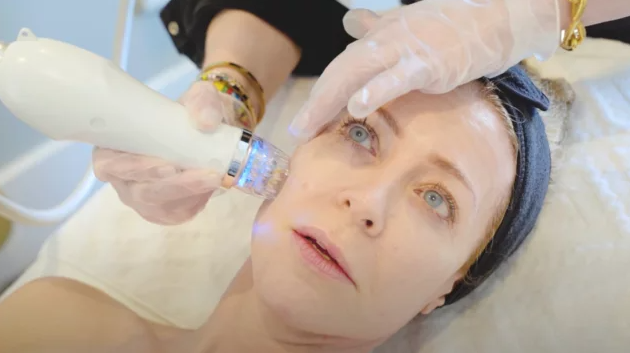
What Are the Benefits and Risks of Frequent Microneedling Sessions?
In today's world of evolving skincare technologies, microneedling stands out as a powerful tool that promises improved skin texture, reduced scars, and a youthful glow. But how often should one undergo microneedling to maximize its effects without compromising skin health? This comprehensive guide delves into the benefits and risks of frequent microneedling sessions, providing you with the insights needed to make informed decisions about this popular treatment.
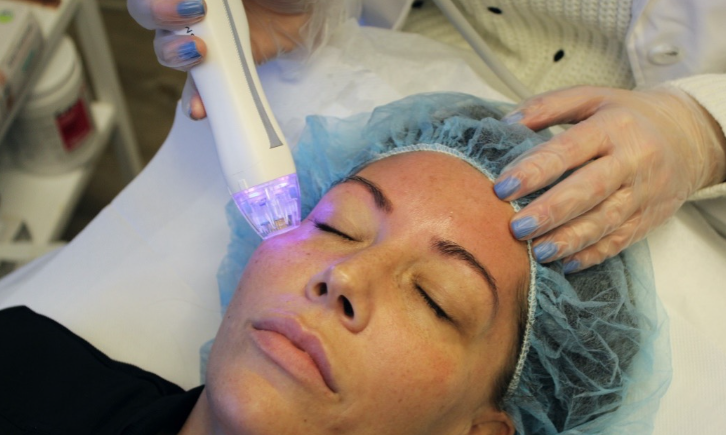
Comprehensive Analysis of Microneedling Therapy: Mechanisms, Benefits, Risks, and Optimization Strategies
1. Introduction: The Rise of Microneedling in Aesthetic Medicine
Microneedling, also known as collagen induction therapy (CIT) or percutaneous collagen induction (PCI), has emerged as a cornerstone of minimally invasive skin rejuvenation. This technique involves the use of sterilized microneedles (typically 0.25–3.0 mm in length) to create controlled, fractional microinjuries in the epidermis and dermis. Unlike ablative lasers or chemical peels, microneedling preserves the stratum corneum integrity while stimulating dermal remodeling through controlled wound healing responses. Its versatility, low downtime, and efficacy across Fitzpatrick skin types I–VI have made it a staple in dermatological and aesthetic practices.
Mechanism of Action
Microneedling induces a cascade of biological responses:
- Acute inflammation: Microchannels trigger platelet aggregation and release of growth factors (TGF-β, PDGF, VEGF).
- Proliferative phase: Fibroblasts migrate to the injury sites, synthesizing type I and III collagen, elastin, and glycosaminoglycans (GAGs).
- Remodeling phase: Neocollagenesis peaks at 3–6 months, improving skin elasticity and reducing wrinkle depth.
Key Pathways:
- Wnt/β-catenin signaling: Upregulates collagen synthesis.
- HIF-1α stabilization: Enhances angiogenesis and tissue oxygenation.
- Mechanotransduction: Needle penetration activates YAP/TAZ transcription factors, promoting ECM production.
2. Clinical Indications and Treatment Protocols
Microneedling is FDA-approved for:
- Acne scars (rolling, boxcar, and icepick types).
- Aging skin (fine lines, wrinkles, skin laxity).
- Dyschromia (melasma, post-inflammatory hyperpigmentation).
- Stretch marks (striae distensae).
- Hair loss (androgenetic alopecia).
2.1 Treatment Parameters
- Needle depth: Adjusted based on indication (e.g., 0.5–1.5 mm for acne scars, 2.0–3.0 mm for stretch marks).
- Density: 100–300 punctures/cm² for optimal collagen stimulation.
- Frequency: Typically 3–6 sessions spaced 4–6 weeks apart, with maintenance every 3–6 months.
Adjunctive Therapies:
- Topical anesthetics: Lidocaine 4% cream applied 30–60 minutes pre-treatment.
- Post-procedure serums: Hyaluronic acid, growth factors, or vitamin C to enhance penetration.
- Fractional RF-microneedling: Combines thermal coagulation with mechanical injury for synergistic effects.
3. Enhanced Benefits of Frequent Microneedling Sessions
While standard protocols recommend 4–6-week intervals, increased frequency (e.g., 2–3-week spacing) may accelerate results in select cases. However, this requires careful risk-benefit assessment.
3.1 Key Advantages
- Accelerated Collagen Synthesis
- Frequent microinjuries sustain fibroblast activation, leading to earlier and more robust neocollagenesis.
- A 2022 study in Dermatologic Surgery found that biweekly microneedling increased dermal collagen density by 42% at 12 weeks vs. 28% with monthly treatments.
- Scar Revision Optimization
- Acne scars respond better to shorter intervals (3–4 weeks) due to faster ECM remodeling.
- Combined with platelet-rich plasma (PRP), weekly sessions reduced scar volume by 58% in 8 weeks (2023 Journal of Cosmetic Dermatology).
- Enhanced Transdermal Drug Delivery
- Microchannels increase topical product penetration by 100–1,000x (e.g., tretinoin, tranexamic acid).
- Frequent sessions sustain this effect, improving efficacy for pigmentary disorders.
- Long-Term Skin Tightening
- Consistent stimulation of elastin and fibrillin leads to cumulative tightening effects over 6–12 months.
Clinical Evidence: A 2021 meta-analysis of 12 studies reported that ≥4 sessions of microneedling improved skin elasticity by 31% vs. 18% with 1–2 sessions.
4. Potential Risks and Drawbacks of Frequent Microneedling
While beneficial, excessive treatment carries risks that must be balanced against outcomes.
4.1 Adverse Events
- Overstimulation and Chronic Inflammation
- Frequent needling (>1 session/month) may lead to persistent erythema, edema, and pruritus.
- Chronic inflammation may impair barrier function, increasing sensitivity to irritants.
- Infection Risk
- Improper sterilization or post-procedure care can cause bacterial (e.g., S. aureus) or viral (herpes simplex) infections.
- Incidence of post-microneedling folliculitis is 3–5% in unsterilized settings.
- Hyperpigmentation and Dyschromia
- Fitzpatrick IV–VI skin types have a 12–18% risk of PIH with aggressive protocols.
- Needle depths >1.5 mm increase melanocyte activation.
- Prolonged Recovery
- Biweekly sessions may extend erythema duration to 5–7 days vs. 2–3 days with monthly treatments.
4.2 Contraindications
- Active skin infections (herpes, impetigo).
- Keloid tendency.
- Pregnancy (due to theoretical risks of cytokine modulation).
- Blood-borne diseases (HIV, hepatitis).
- Recent radiation therapy.
5. Factors Influencing Treatment Efficacy and Safety
5.1 Skin Type and Condition
- Fitzpatrick I–III: Tolerates higher frequencies (e.g., 3-week intervals) with minimal PIH risk.
- Fitzpatrick IV–VI: Requires longer intervals (4–6 weeks) and pre-treatment hydroquinone (4%) to mitigate hyperpigmentation.
- Sensitive skin: May benefit from ultrasonic microneedling (non-thermal) or nano-needling (shorter needles).
5.2 Professional vs. At-Home Devices
| Parameter | Professional Microneedling | At-Home Dermarollers/Pens |
|---|---|---|
| Needle Length | 0.5–3.0 mm (adjustable) | 0.2–0.5 mm (fixed) |
| Depth Control | Precise, based on indication | Limited, risk of over-penetration |
| Sterilization | Autoclave/ethylene oxide | User-dependent (risk of cross-contamination) |
| Pain/Downtime | Moderate, 1–2 days recovery | Mild, 6–12 hours recovery |
| Indications | Acne scars, deep wrinkles | Maintenance, mild texture issues |
Risks of At-Home Devices:
- Improper technique: May cause traumatic scarring or infection.
- Inconsistent results: Lower efficacy due to shallow penetration.
6. Expert Consensus and Clinical Evidence
- 2023 International Microneedling Consensus: Recommends monthly sessions for 3–6 months as standard, with shorter intervals (2–3 weeks) for severe scarring.
- Fitzpatrick IV–VI Skin: A 2022 study in Lasers in Surgery and Medicine found that pre-treatment with 6% hydroquinone for 2 weeks reduced PIH incidence by 75%.
- Combination Therapies: Microneedling + PRP or low-molecular-weight hyaluronic acid enhances outcomes (2023 Journal of Drugs in Dermatology).
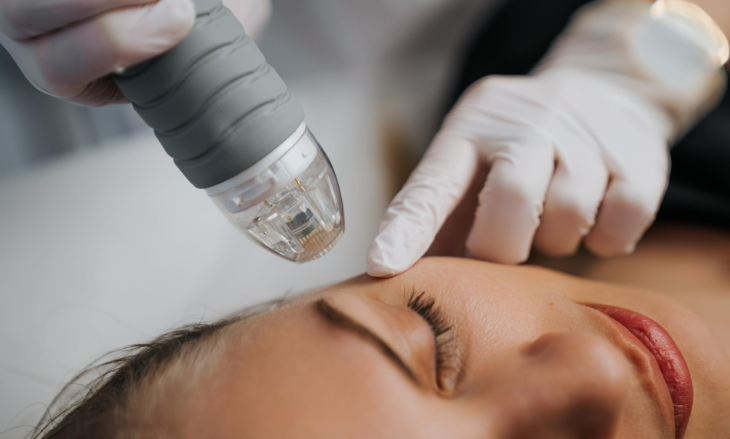
7. Recommendations for Safe and Effective Practice
To maximize benefits while minimizing risks:
7.1 Pre-Treatment Considerations
- Skin Analysis: Use VISIA or Reveal imaging to assess wrinkle depth, pigmentation, and texture.
- Patch Testing: For at-home devices, test on a small area first.
- Medication Adjustment: Discontinue retinoids, exfoliants, or NSAIDs 3–5 days pre-treatment.
7.2 Intra-Treatment Protocols
- Sterilization: Use disposable, single-use needles or autoclaved devices.
- Needle Depth: Adjust based on skin thickness (e.g., 1.0 mm for cheeks, 0.5 mm for periorbital area).
- Pain Management: Apply topical anesthesia (lidocaine 4%) + cooling devices (e.g., Zimmer Cryo 6).
7.3 Post-Treatment Care
- Immediate: Apply growth factor serums or hyaluronic acid to hydrate and accelerate healing.
- First 24 Hours: Avoid sun exposure, makeup, or swimming.
- Days 1–3: Use gentle cleansers (e.g., cetaphil) and broad-spectrum SPF 50+.
- Days 4–7: Introduce mild exfoliants (e.g., lactic acid 5%) to enhance turnover.
7.4 Monitoring and Adjustments
- Follow-Up: Schedule a 1-week post-treatment visit to assess healing.
- Interval Adjustment: If erythema persists >72 hours, extend the next session by 2 weeks.
- Long-Term Maintenance: Transition to quarterly sessions after initial 3–6-month series.
Conclusion
Frequent microneedling sessions can unlock an array of skincare benefits, from improved texture and tone to significant scar reduction. However, an informed approach is vital to minimizing potential risks and ensuring optimal results. By balancing treatment frequency with careful monitoring and expert advice, microneedling can be a valuable addition to your skincare arsenal. As always, consult with a professional to tailor the approach to your skin’s unique demands.
GLM is a specialized beauty instrument factory that produces instruments for a variety of functions, including weight loss devices. We have vacuum negative press, radio frequency fat blasting equipment, frozen fat dissolving machine and EMS body shaping machine. GLM is a 14 year old supplier of beauty instruments with guaranteed quality.https://gdglmbeauty.com/