
What are the most effective non-surgical methods to lose belly fat?
Having excess belly fat not only affects your appearance but can also pose various health risks. While surgical procedures may seem like a quick fix, there are several non-surgical methods that can help you achieve a flatter and toned belly. In this blog post, we will explore the most effective ways to lose belly fat without going under the knife.
Understanding Belly Fat
When discussing methods to reduce belly fat, it is crucial to first gain a thorough understanding of the different types of adipose tissue found in the abdominal region. This understanding will help us approach the problem from a more informed and effective perspective.
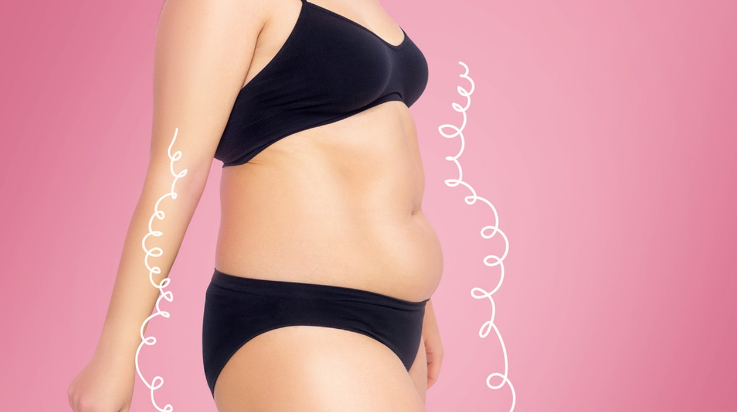
Subcutaneous fat, also known as superficial fat, is the layer of adipose tissue that lies just beneath the skin. It is visible and palpable, and often the first type of fat to accumulate when weight gain occurs. While subcutaneous fat can be unsightly, it is generally less harmful to overall health compared to its visceral counterpart.
Visceral fat, on the other hand, is the more dangerous type of belly fat. It is located deep within the abdominal cavity, surrounding and encasing the internal organs such as the liver, pancreas, and intestines. Unlike subcutaneous fat, visceral fat is not visible to the naked eye but can be detected through imaging techniques like MRI or CT scans.
The accumulation of visceral fat is strongly linked to an increased risk of various chronic diseases, including heart disease, diabetes, and metabolic disorders. This is because visceral fat is metabolically active, releasing inflammatory chemicals and hormones that can disrupt the normal functioning of the body's systems.
To effectively reduce belly fat, a comprehensive and holistic approach is required. This approach should focus on diet, exercise, and lifestyle changes, all of which play a crucial role in achieving long-term weight loss and improved overall health. Let's delve deeper into each of these methods.

Healthy Diet and Nutrition
A balanced and nutritious diet forms the cornerstone of any successful weight loss journey, especially when it comes to targeting belly fat. Here's a detailed breakdown of how to incorporate healthy eating habits into your daily routine:
Nutrient-Dense Foods
- Fruits and Vegetables: These are packed with essential vitamins, minerals, and antioxidants. Choose a variety of colors to ensure you're getting a wide range of nutrients. For example, red apples, orange carrots, and green spinach all offer unique health benefits.
- Whole Grains: Replace refined grains with whole grains like brown rice, quinoa, and oats. These are higher in fiber and nutrients, which help regulate digestion and promote a feeling of fullness.
- Lean Proteins: Foods like chicken, fish, and tofu are excellent sources of protein. Protein is essential for building and maintaining muscle mass, which in turn helps burn more calories.
- Healthy Fats: Avocados, nuts, and seeds are rich in monounsaturated and polyunsaturated fats. These "good" fats are essential for brain function, hormone balance, and heart health.
Limit Unhealthy Foods
- Processed Foods: These are often loaded with sodium, sugar, and unhealthy fats. Limiting their intake can help reduce calorie intake and promote weight loss.
- Sugary Beverages: Soft drinks, energy drinks, and fruit juices are often high in sugar and calories. Swapping them for water or unsweetened tea can make a significant difference.
- Refined Carbohydrates: White bread, pasta, and rice are stripped of their fiber and nutrients during processing. Choosing whole-grain alternatives is a healthier option.
- Trans and Saturated Fats: These fats are found in processed foods like fast food, fried foods, and many baked goods. They promote inflammation and weight gain, so it's best to avoid them.
Mindful Eating and Portion Control
- Plan Your Meals: Take the time to plan your meals in advance. This will help you make healthier choices and avoid impulsive eating.
- Mindful Eating: Focus on the food you're eating, savoring each bite. This can help you recognize when you're full and avoid overeating.
- Portion Control: Use smaller plates and bowls to trick your brain into thinking you're eating more. Also, be mindful of serving sizes and don't go back for seconds until you've finished your first portion.
By incorporating these healthy eating habits into your daily routine, you'll be well on your way to reducing belly fat and achieving a healthier, happier lifestyle.
Regular Exercise
Regular exercise is crucial in the battle against belly fat, and a combination of cardio and strength training exercises is key. Here's a more detailed breakdown of how to incorporate these into your routine:
Cardio Exercises
Cardio, or aerobic, exercises are essential for burning calories and improving your overall fitness. These exercises get your heart rate up and keep it elevated for an extended period, which helps your body burn more calories, including those stored in your abdominal region.
- Running: Whether you prefer to hit the pavement, use a treadmill, or run outdoors, this is a great cardio exercise that can help you burn calories quickly. Start slow and gradually increase your pace and distance.
- Brisk Walking: If running isn't for you, brisk walking is a great alternative. You can walk at a fast pace for longer distances, which still provides a good cardio workout.
- Cycling: Whether you choose to ride a stationary bike at the gym or take your bike outdoors, cycling is a low-impact cardio exercise that can help you torch calories.
- Swimming: This is a great cardio workout that's easy on your joints. It also provides a full-body workout, engaging your arms, legs, and core.
The key is to aim for at least 150 minutes of moderate-intensity cardio exercise per week. You can break this up into smaller sessions throughout the week, such as 30 minutes five days a week.
Strength Training Exercises
While cardio exercises are great for burning calories, strength training is essential for toning and strengthening your abdominal muscles.
- Planks: This is a great core-strengthening exercise. Start in a push-up position but rest your elbows on the floor instead of your hands. Hold this position for as long as you can, gradually increasing the duration over time.
- Crunches: Lie on your back with your knees bent and feet flat on the floor. Place your hands behind your head or cross them over your chest. Contract your abdominal muscles and lift your shoulder blades off the floor, then slowly lower back down. Repeat for several repetitions.
- Squats: Standing with your feet shoulder-width apart, slowly lower your body by bending your knees and pushing your hips back. Keep your back straight and chest lifted. Pause at the bottom, then slowly push back up to the starting position.
Remember to incorporate strength training exercises into your routine regularly, targeting your abdominal muscles specifically. This will help tone and strengthen your core, giving you a firmer, flatter stomach.
Consistency and Progression
Finally, it's essential to maintain a consistent workout routine and gradually increase the intensity and duration of your exercises over time. This will help your body adapt and continue to burn calories and tone your abdominal muscles. Be patient and consistent, and you'll see the results you're looking for.

Lifestyle Changes
When it comes to reducing belly fat, diet and exercise are crucial, but lifestyle changes also play a significant role. Here's a more detailed breakdown of two lifestyle factors that can contribute to belly fat reduction:
1. Manage Stress
Chronic stress can have a profound impact on our bodies, including an increased risk of weight gain, particularly around the abdominal area. When we're under stress, our bodies release hormones like cortisol, which can promote fat storage in the belly.
To manage stress, it's important to incorporate stress-reduction techniques into your daily routine. Here are some effective strategies:
- Meditation: Dedicate a few minutes each day to sitting quietly and focusing on your breath. This can help clear your mind and reduce stress levels.
- Deep Breathing Exercises: Learning how to breathe deeply and slowly can help activate your parasympathetic nervous system, which is responsible for relaxation. Try taking slow, deep breaths throughout the day when you feel stressed.
- Yoga: Yoga combines physical postures, breathing techniques, and meditation, providing a holistic approach to stress reduction. Start with basic poses and gradually build up your practice.
Remember, everyone responds to stress differently, so experiment with different techniques and find the ones that work best for you.
2. Prioritize Sleep
Quality sleep is essential for maintaining hormonal balance and supporting weight loss goals. Lack of sleep can disrupt hunger hormones like ghrelin and leptin, leading to increased appetite and weight gain.
Here's how you can prioritize sleep:
- Set a Consistent Sleep Schedule: Go to bed and wake up at the same time every day, even on weekends. This will help regulate your body's internal clock and improve sleep quality.
- Create a Relaxing Bedtime Routine: Avoid screens and stimulating activities before bed. Instead, try reading, listening to soft music, or taking a warm shower to promote relaxation.
- Minimize Distractions in the Bedroom: Keep your bedroom dark, quiet, and cool to create an optimal environment for sleep. Avoid having TVs, computers, or other screens in your bedroom.
- Address Sleep Disorders: If you suffer from insomnia, sleep apnea, or other sleep disorders, seek medical help. Treating these issues can improve your sleep quality and overall health.
Aim for 7-8 hours of uninterrupted sleep every night. Remember, quality sleep is more important than quantity, so focus on establishing a regular sleep schedule and creating a relaxing bedtime routine.

Non-Surgical Procedures and Treatments
While diet, exercise, and lifestyle changes remain the cornerstone of losing belly fat, certain non-surgical procedures can also be explored as additional options. These treatments target specific areas, often delivering faster and more targeted results. Here's a more detailed breakdown of two such non-surgical procedures:
1. Cryolipolysis (CoolSculpting)
Cryolipolysis, also commonly known as CoolSculpting, is a non-invasive fat reduction procedure that uses cold temperatures to freeze and destroy fat cells in targeted areas. In the case of belly fat reduction, the treatment focuses on the abdominal region.
During the procedure, a special device is applied to the skin, delivering controlled cooling to the underlying fat cells. The cold temperatures cause the fat cells to crystallize and eventually die off. Over time, the body naturally eliminates these dead fat cells, resulting in a reduction in fat volume.
Cryolipolysis is a safe and effective method for reducing stubborn fat pockets, including those around the belly. It requires no surgery, anesthesia, or downtime, making it a convenient option for many individuals. The results are gradual and may take several weeks to months to become fully apparent.
2. Laser Therapy
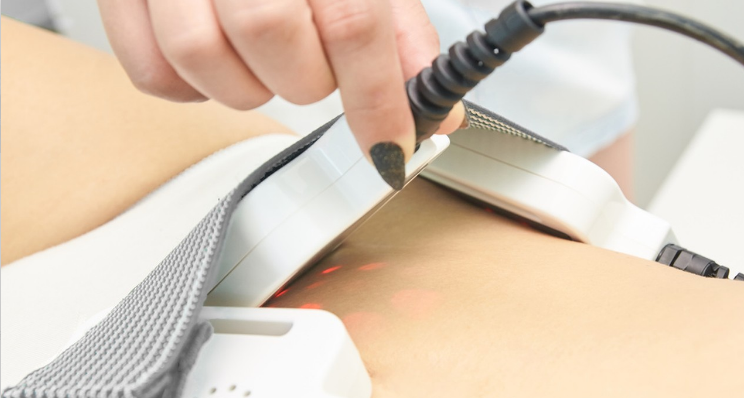
Laser therapy for belly fat reduction involves the use of laser energy to target and break down fat cells. There are several different types of laser treatments available, including laser-assisted liposuction and laser fat reduction.
Laser-assisted liposuction combines the use of lasers with traditional liposuction techniques. A small cannula (tube) is inserted under the skin, and laser energy is directed at the fat cells, liquefying them. The liquefied fat is then suctioned out of the body.
Laser fat reduction, on the other hand, uses laser energy to heat and destroy fat cells without the need for surgery or anesthesia. The laser energy is delivered through the skin, targeting the fat cells beneath. The heat causes the fat cells to break down and be eliminated by the body's natural processes.
Laser therapy procedures are minimally invasive and typically have a shorter recovery period compared to traditional liposuction. They can be effective for reducing fat in specific areas, such as the belly, and may be suitable for individuals who are not interested in surgical options.
Important Considerations
While non-surgical procedures can be effective for belly fat reduction, it's crucial to note that they may not be suitable for everyone. These treatments are best suited for individuals who are already close to their ideal weight but have stubborn fat pockets that don't respond to diet, exercise, and lifestyle changes.
Before considering any non-surgical treatment, it's important to consult with a qualified healthcare professional. They will be able to assess your individual situation and determine if you are a suitable candidate for these procedures. Additionally, they can provide you with detailed information about the risks, benefits, and expected results of each treatment option.
Tracking Progress and Staying Motivated
When embarking on a belly fat loss journey, tracking your progress is a vital aspect of staying motivated and achieving your goals. It's essential to have a clear understanding of how far you've come and what areas still need improvement. Here's a more detailed breakdown of how to effectively track your progress and stay motivated throughout your weight loss journey:
1. Keep a Record of Your Measurements
One of the most effective ways to track your progress is by regularly measuring your waist circumference, hips, and other relevant body parts. Take these measurements at the start of your journey and then repeat them at regular intervals, such as every week or every month. Not only will this help you see physical changes, but it also serves as a great way to quantify your progress.
2. Take Progress Photos
Another powerful way to track your progress is by taking progress photos. These photos can serve as visual reminders of how far you've come and help you stay motivated when the going gets tough. Take a full-body photo from the front, back, and sides at the beginning of your journey and then repeat this process periodically. Comparing these photos over time will give you a clear picture of your physical transformation.
3. Track Your Weight Loss Journey
In addition to measurements and photos, tracking your weight loss journey is also essential. While the scale alone shouldn't be your sole measure of success, it can provide valuable insights into your progress. Weigh yourself consistently, such as once a week, and record your results. Be mindful, though, not to rely solely on the number on the scale as weight can fluctuate due to various factors.
4. Set Realistic and Achievable Goals
To stay motivated, it's crucial to set realistic and achievable goals. Having lofty, unrealistic expectations can lead to disappointment and demotivation. Instead, focus on setting small, attainable goals that you can celebrate along the way. For example, aim to lose a certain amount of weight in a month or fit into a smaller-sized piece of clothing. Achieving these small goals will give you a sense of accomplishment and help keep you motivated to continue your journey.
5. Celebrate Small Victories
As you progress on your belly fat loss journey, don't forget to celebrate the small victories. These milestones, no matter how seemingly insignificant, are still significant steps in your weight loss process. Whether it's fitting into a smaller-sized shirt or noticing increased energy levels, take the time to appreciate these achievements. They will help keep you motivated and inspired to continue moving forward.
6. Find a Workout Buddy or Join Fitness Communities
Staying focused and motivated can be challenging, especially when you're tackling a significant goal like belly fat loss. One way to stay on track is by finding a workout buddy or joining fitness communities. Having someone to share your goals and aspirations with can provide valuable support and encouragement. They can also help keep you accountable and motivated to stay consistent with your workout routine and diet plan. Surround yourself with people who support your goals and share similar aspirations, and you'll be more likely to stay motivated and achieve your desired results.
Conclusion
Getting rid of belly fat without resorting to surgery is possible with the right approach. By adopting a healthy diet, incorporating regular exercise, making lifestyle changes, and considering non-surgical procedures, you can achieve a flatter and toned belly.
Remember, consistency and persistence are key. Be patient with your progress and embrace a healthier lifestyle for long-term results. Take charge of your belly fat loss journey and enjoy the benefits of a healthier, fitter you.