Introduction
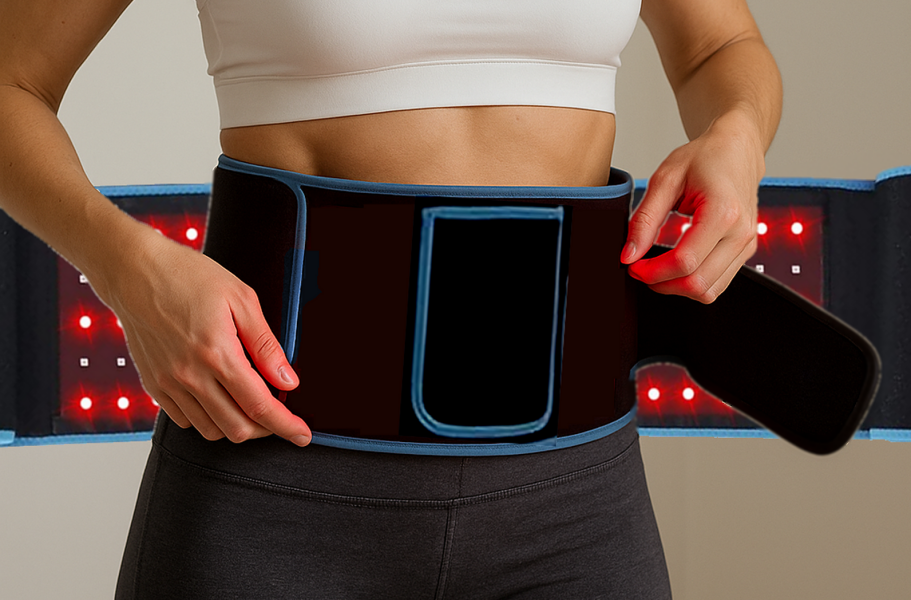
Red light therapy belts have recently surged in popularity among consumers seeking a convenient, non-invasive way to improve skin, reduce inflammation, support circulation, or assist body-contouring efforts — all from the comfort of home. Promising convenience, portability, and easy use, these belts appear attractive compared with in-clinic treatments. However, not all devices are created equal, and consumers need to approach them informed: about efficacy, safety, and realistic results.
This guide explains the key factors to evaluate before buying a red light therapy belt: the underlying science; what makes a quality device; what realistic benefits and limitations exist; how to use it safely; and when it may actually make sense — or not. Whether you’re a consumer thinking of home use, or a clinic owner exploring home-use kits to recommend, understanding these points is essential.

Background: Why Red Light Therapy Belts Are Trending
In recent years, red and near-infrared (NIR) light therapy (sometimes called photobiomodulation) has gained popularity for its reported benefits: improved skin tone, reduced inflammation, enhanced circulation, pain relief, wound healing, and even support for body contouring. As more people learn about these potential benefits, demand for devices that can bring similar effects to the home environment rises.
Belts, wraps, or bands that emit red/NIR light offer convenience: unlike handheld wands or large panels, a belt can be strapped around the waist, abdomen, thighs, or other parts, allowing hands-free multitasking. They're marketed for a variety of goals: tightening loose abdominal skin, reducing cellulite, improving post-workout recovery, boosting collagen synthesis in skin, or even helping with joint or back discomfort.
However, while in-clinic light therapy often uses high-power panels and controlled protocols, home-use belts vary widely in quality, power output, wavelength accuracy, and safety standards. Without proper understanding, buyers may end up with devices that deliver minimal benefits or — worse — carry safety risks.
The Science & Mechanism Behind Red Light Therapy
To evaluate any red light therapy belt, it helps to understand how red (visible) and near-infrared (invisible) light can affect biological tissues.
1. Photobiomodulation & Mitochondrial Stimulation
Red and NIR light penetrate the skin and are absorbed by chromophores in cells — particularly cytochrome c oxidase, an enzyme in mitochondria. This absorption can stimulate increased production of adenosine triphosphate (ATP), the cell’s energy currency, potentially boosting cellular repair, collagen production, and reducing oxidative stress. This mechanism is the foundation of skin rejuvenation, wound healing, and anti-inflammatory effects.
2. Collagen & Elastin Synthesis
By stimulating fibroblasts and increasing cellular energy, red/NIR therapy can encourage collagen and elastin synthesis — structural proteins that support skin firmness and elasticity. Over repeated sessions, this may help improve skin tone, reduce fine lines, or improve skin softness.
3. Improved Circulation & Reduced Inflammation
Red/NIR light may dilate small capillaries and improve microcirculation, leading to better oxygen and nutrient delivery. It can also reduce inflammatory markers, which may help with swelling, muscle recovery, or mild discomfort.
4. Wavelength & Depth Penetration Matters
Different wavelengths have different depths of penetration:
-
~630–660 nm (red light) — penetrates up to few millimeters, acts mostly on epidermis and superficial dermis.
-
~810–850 nm (near-infrared) — penetrates deeper, potentially reaching subcutaneous tissue, muscle, and deeper dermis.
Choosing a device with proper wavelengths is critical depending on your goal (skin vs. deeper tissue vs. fat/contour).
What to Check Before Buying a Red Light Therapy Belt
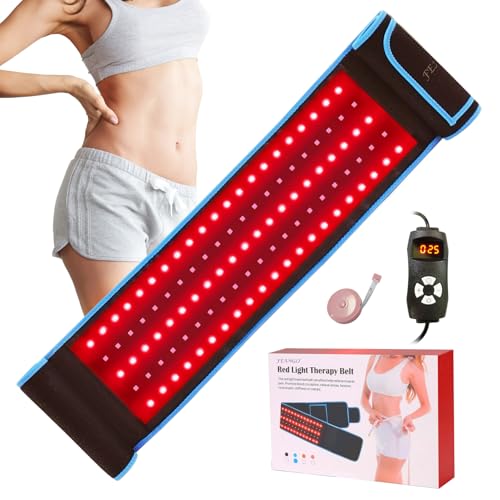
Because the market is flooded with belts of varying quality, here are the most important criteria to evaluate — and the pitfalls to avoid.
1. Wavelength Accuracy & Spectrum
-
Confirm the belt provides real red and/or NIR wavelengths — ideally around 630–660 nm and/or 810–850 nm.
-
Beware of devices advertising vague “infrared” without specifying wavelength; these may use heat pads or non-therapeutic LEDs.
-
Look for manufacturer specifications or third-party verification of wavelength output.
2. Power Output & Irradiance (mW/cm²)
-
Therapeutic effects require sufficient power (irradiance). Low-power devices may be ineffective.
-
A quality device should specify output power or irradiance; ideally ≥ 20–40 mW/cm² at skin surface (depending on distance and belt design).
-
Avoid belts that only claim “light therapy” without technical specs — they may just function as decorative lights.
3. Coverage & Panel Design
-
The belt should cover the target area properly and evenly; overlapping light is better than sparse LEDs.
-
Flexible panels or wraparound designs help ensure uniform contact or proximity, improving penetration and consistency.
-
Consider size — belts too narrow may not cover the intended region effectively (e.g., full waist vs. small abdominal zone).
4. Cooling / Heat Management / Safety Features
-
LEDs and NIR diodes still generate some heat; a good belt should manage heat to avoid skin overheating.
-
Look for built-in temperature sensors or automatic shutoff if temperature rises too high.
-
The device should comply with electrical safety standards (e.g., CE, FCC) and include protective insulation.
5. Treatment Protocol Guidance
-
A good belt should come with a recommended usage guide: session duration (e.g., 10–20 minutes), frequency (e.g., 3–5 times per week), and maintenance schedule.
-
Brands specifying a realistic protocol are more trustworthy than those claiming “use any time, in any way.”
-
If possible, choose devices that integrate with smartphone apps or timers to help track compliance.
6. Build Quality & Warranty
-
Durable materials, sturdy wiring, and quality control matter — belts are often flexed, wrapped, or washed.
-
Warranty or manufacturer support indicates confidence in the product.
-
Avoid devices that feel cheap or flimsy; poor build increases risk of malfunction or uneven output.
7. Transparency and Claims Checking
-
Be skeptical of over-the-top claims like “permanent fat loss,” “instant facelift,” or “miracle cure.”
-
Recognize that red/NIR light is supportive therapy, not a substitute for healthy lifestyle, skincare, or medical treatment.
-
Look for transparent documentation, user reviews, and — if available — clinical data or third-party testing reports.
8. Realistic Expectations
-
Understand what red light therapy can and cannot do: it may improve skin quality, reduce mild sagging, support circulation, and complement fat-loss programs — but it’s unlikely to replace surgery or dramatic fat removal.
-
Benefits accumulate over time; consistent use and supportive habits (hydration, healthy diet, skincare) maximize outcomes.
How to Use a Red Light Belt Safely & Effectively at Home
Once you have a quality belt, following best practices ensures safety and maximizes benefits:
-
Clean skin before use — make sure the area is free of heavy creams or metal accessories.
-
Standard sessions: 10–20 minutes, 3–5 times per week; avoid daily overuse without evidence of added benefit.
-
Maintain proximity — ensure the belt lies close to skin, with minimal fabric layers blocking light.
-
Hydrate adequately — good hydration helps cellular repair and supports circulation.
-
Combine with healthy habits — balanced nutrition, moderate exercise, and skincare complement light therapy.
-
Use eye/skin protection if directed — though many belts are low-power, sensitive skin or mucous membranes may require caution.
-
Monitor skin reaction — if redness, overheating, or irritation occurs, pause use and consult a professional.
When a Red Light Belt Makes Sense — and When It Doesn’t
Potentially Good Uses
-
Mild skin laxity or early signs of sagging on abdomen, thighs, arms, or face (if belt is suitable).
-
Support for post-workout muscle recovery or mild inflammation.
-
Post-weight-loss skin quality maintenance.
-
Complement to other body-contouring methods (exercise, cavitation, RF, etc.).
-
Individuals seeking gentle, maintenance-level skin care without invasive procedures.
When a Belt Is Unlikely to Deliver Desired Results
-
Significant fat deposits needing reduction (belts have minimal fat-melting capability).
-
Severe skin laxity or deep structural sagging — deep-tissue energy (clinic-grade RF/HIFU) or surgery may be required.
-
Expectations of "instant tightening" — photobiomodulation requires time.
-
Situations needing medical treatment (e.g., clinical-grade cellulite, lipedema, serious dermatologic conditions).
Why Clinics & Professionals Prefer High-Quality, Medical-Grade Light Devices (Subtle Promotion)
While home-use belts offer convenience, many clinics invest in medical-grade red & NIR light panels and multi-modality devices that combine light therapy with RF, ultrasound, or vacuum. These systems provide:
-
Higher irradiance and deeper penetration, reaching dermis or subcutaneous tissue more reliably than most home belts.
-
Stable output and safety controls, ensuring consistent, reproducible results.
-
Customizable protocols to match skin type, treatment goal, and patient needs.
-
Integration with other energy-based therapies, maximizing benefits (e.g., improved skin tightening, fat reduction support, enhanced collagen remodeling).
For clinics committed to delivering real results, investing in professional-grade light devices ensures better patient satisfaction and stronger outcomes — something cheap home belts often fail to provide.
Conclusion
Red light therapy belts can be a useful, convenient tool — but only if chosen wisely and used responsibly. Key factors like accurate wavelength, sufficient power (irradiance), solid build quality, safety features, and realistic claims distinguish effective belts from ineffective or potentially misleading ones.
Used correctly — consistent sessions, proper skin prepping, hydration, and healthy habits — a quality red/NIR belt may enhance skin quality, support mild tightening, and complement broader body-sculpting or skin-care routines.
However, they are not miracle cures and won’t replace surgical-level results when significant fat removal or deep skin tightening is required. For those serious about body contouring or long-term skin rejuvenation, professional-grade devices at clinics remain more reliable — but a good home-use belt can still be a valuable part of a broader regime.
If you plan to buy one, research carefully, manage expectations, and treat it as a support tool — not a magical solution.
Introduction
Red light therapy belts have recently surged in popularity among consumers seeking a convenient, non-invasive way to improve skin, reduce inflammation, support circulation, or assist body-contouring efforts — all from the comfort of home. Promising convenience, portability, and easy use, these belts appear attractive compared with in-clinic treatments. However, not all devices are created equal, and consumers need to approach them informed: about efficacy, safety, and realistic results.
This guide explains the key factors to evaluate before buying a red light therapy belt: the underlying science; what makes a quality device; what realistic benefits and limitations exist; how to use it safely; and when it may actually make sense — or not. Whether you’re a consumer thinking of home use, or a clinic owner exploring home-use kits to recommend, understanding these points is essential.
Background: Why Red Light Therapy Belts Are Trending
In recent years, red and near-infrared (NIR) light therapy (sometimes called photobiomodulation) has gained popularity for its reported benefits: improved skin tone, reduced inflammation, enhanced circulation, pain relief, wound healing, and even support for body contouring. As more people learn about these potential benefits, demand for devices that can bring similar effects to the home environment rises.
Belts, wraps, or bands that emit red/NIR light offer convenience: unlike handheld wands or large panels, a belt can be strapped around the waist, abdomen, thighs, or other parts, allowing hands-free multitasking. They're marketed for a variety of goals: tightening loose abdominal skin, reducing cellulite, improving post-workout recovery, boosting collagen synthesis in skin, or even helping with joint or back discomfort.
However, while in-clinic light therapy often uses high-power panels and controlled protocols, home-use belts vary widely in quality, power output, wavelength accuracy, and safety standards. Without proper understanding, buyers may end up with devices that deliver minimal benefits or — worse — carry safety risks.
The Science & Mechanism Behind Red Light Therapy
To evaluate any red light therapy belt, it helps to understand how red (visible) and near-infrared (invisible) light can affect biological tissues.
1. Photobiomodulation & Mitochondrial Stimulation
Red and NIR light penetrate the skin and are absorbed by chromophores in cells — particularly cytochrome c oxidase, an enzyme in mitochondria. This absorption can stimulate increased production of adenosine triphosphate (ATP), the cell’s energy currency, potentially boosting cellular repair, collagen production, and reducing oxidative stress. This mechanism is the foundation of skin rejuvenation, wound healing, and anti-inflammatory effects.
2. Collagen & Elastin Synthesis
By stimulating fibroblasts and increasing cellular energy, red/NIR therapy can encourage collagen and elastin synthesis — structural proteins that support skin firmness and elasticity. Over repeated sessions, this may help improve skin tone, reduce fine lines, or improve skin softness.
3. Improved Circulation & Reduced Inflammation
Red/NIR light may dilate small capillaries and improve microcirculation, leading to better oxygen and nutrient delivery. It can also reduce inflammatory markers, which may help with swelling, muscle recovery, or mild discomfort.
4. Wavelength & Depth Penetration Matters
Different wavelengths have different depths of penetration:
-
~630–660 nm (red light) — penetrates up to few millimeters, acts mostly on epidermis and superficial dermis.
-
~810–850 nm (near-infrared) — penetrates deeper, potentially reaching subcutaneous tissue, muscle, and deeper dermis.
Choosing a device with proper wavelengths is critical depending on your goal (skin vs. deeper tissue vs. fat/contour).
What to Check Before Buying a Red Light Therapy Belt
Because the market is flooded with belts of varying quality, here are the most important criteria to evaluate — and the pitfalls to avoid.
1. Wavelength Accuracy & Spectrum
-
Confirm the belt provides real red and/or NIR wavelengths — ideally around 630–660 nm and/or 810–850 nm.
-
Beware of devices advertising vague “infrared” without specifying wavelength; these may use heat pads or non-therapeutic LEDs.
-
Look for manufacturer specifications or third-party verification of wavelength output.
2. Power Output & Irradiance (mW/cm²)
-
Therapeutic effects require sufficient power (irradiance). Low-power devices may be ineffective.
-
A quality device should specify output power or irradiance; ideally ≥ 20–40 mW/cm² at skin surface (depending on distance and belt design).
-
Avoid belts that only claim “light therapy” without technical specs — they may just function as decorative lights.
3. Coverage & Panel Design
-
The belt should cover the target area properly and evenly; overlapping light is better than sparse LEDs.
-
Flexible panels or wraparound designs help ensure uniform contact or proximity, improving penetration and consistency.
-
Consider size — belts too narrow may not cover the intended region effectively (e.g., full waist vs. small abdominal zone).
4. Cooling / Heat Management / Safety Features
-
LEDs and NIR diodes still generate some heat; a good belt should manage heat to avoid skin overheating.
-
Look for built-in temperature sensors or automatic shutoff if temperature rises too high.
-
The device should comply with electrical safety standards (e.g., CE, FCC) and include protective insulation.
5. Treatment Protocol Guidance
-
A good belt should come with a recommended usage guide: session duration (e.g., 10–20 minutes), frequency (e.g., 3–5 times per week), and maintenance schedule.
-
Brands specifying a realistic protocol are more trustworthy than those claiming “use any time, in any way.”
-
If possible, choose devices that integrate with smartphone apps or timers to help track compliance.
6. Build Quality & Warranty
-
Durable materials, sturdy wiring, and quality control matter — belts are often flexed, wrapped, or washed.
-
Warranty or manufacturer support indicates confidence in the product.
-
Avoid devices that feel cheap or flimsy; poor build increases risk of malfunction or uneven output.
7. Transparency and Claims Checking
-
Be skeptical of over-the-top claims like “permanent fat loss,” “instant facelift,” or “miracle cure.”
-
Recognize that red/NIR light is supportive therapy, not a substitute for healthy lifestyle, skincare, or medical treatment.
-
Look for transparent documentation, user reviews, and — if available — clinical data or third-party testing reports.
8. Realistic Expectations
-
Understand what red light therapy can and cannot do: it may improve skin quality, reduce mild sagging, support circulation, and complement fat-loss programs — but it’s unlikely to replace surgery or dramatic fat removal.
-
Benefits accumulate over time; consistent use and supportive habits (hydration, healthy diet, skincare) maximize outcomes.
How to Use a Red Light Belt Safely & Effectively at Home
Once you have a quality belt, following best practices ensures safety and maximizes benefits:
-
Clean skin before use — make sure the area is free of heavy creams or metal accessories.
-
Standard sessions: 10–20 minutes, 3–5 times per week; avoid daily overuse without evidence of added benefit.
-
Maintain proximity — ensure the belt lies close to skin, with minimal fabric layers blocking light.
-
Hydrate adequately — good hydration helps cellular repair and supports circulation.
-
Combine with healthy habits — balanced nutrition, moderate exercise, and skincare complement light therapy.
-
Use eye/skin protection if directed — though many belts are low-power, sensitive skin or mucous membranes may require caution.
-
Monitor skin reaction — if redness, overheating, or irritation occurs, pause use and consult a professional.
When a Red Light Belt Makes Sense — and When It Doesn’t
Potentially Good Uses
-
Mild skin laxity or early signs of sagging on abdomen, thighs, arms, or face (if belt is suitable).
-
Support for post-workout muscle recovery or mild inflammation.
-
Post-weight-loss skin quality maintenance.
-
Complement to other body-contouring methods (exercise, cavitation, RF, etc.).
-
Individuals seeking gentle, maintenance-level skin care without invasive procedures.
When a Belt Is Unlikely to Deliver Desired Results
-
Significant fat deposits needing reduction (belts have minimal fat-melting capability).
-
Severe skin laxity or deep structural sagging — deep-tissue energy (clinic-grade RF/HIFU) or surgery may be required.
-
Expectations of "instant tightening" — photobiomodulation requires time.
-
Situations needing medical treatment (e.g., clinical-grade cellulite, lipedema, serious dermatologic conditions).
Why Clinics & Professionals Prefer High-Quality, Medical-Grade Light Devices (Subtle Promotion)
While home-use belts offer convenience, many clinics invest in medical-grade red & NIR light panels and multi-modality devices that combine light therapy with RF, ultrasound, or vacuum. These systems provide:
-
Higher irradiance and deeper penetration, reaching dermis or subcutaneous tissue more reliably than most home belts.
-
Stable output and safety controls, ensuring consistent, reproducible results.
-
Customizable protocols to match skin type, treatment goal, and patient needs.
-
Integration with other energy-based therapies, maximizing benefits (e.g., improved skin tightening, fat reduction support, enhanced collagen remodeling).
For clinics committed to delivering real results, investing in professional-grade light devices ensures better patient satisfaction and stronger outcomes — something cheap home belts often fail to provide.
Conclusion
Red light therapy belts can be a useful, convenient tool — but only if chosen wisely and used responsibly. Key factors like accurate wavelength, sufficient power (irradiance), solid build quality, safety features, and realistic claims distinguish effective belts from ineffective or potentially misleading ones.
Used correctly — consistent sessions, proper skin prepping, hydration, and healthy habits — a quality red/NIR belt may enhance skin quality, support mild tightening, and complement broader body-sculpting or skin-care routines.
However, they are not miracle cures and won’t replace surgical-level results when significant fat removal or deep skin tightening is required. For those serious about body contouring or long-term skin rejuvenation, professional-grade devices at clinics remain more reliable — but a good home-use belt can still be a valuable part of a broader regime.
If you plan to buy one, research carefully, manage expectations, and treat it as a support tool — not a magical solution.