Introduction
Laser hair removal has become one of the most widely performed aesthetic treatments worldwide. Speed, efficiency, and long-term hair reduction make it highly attractive for both clinics and clients. However, behind successful outcomes lies a critical but often underestimated component: the cooling system.
As laser technology evolves toward higher energy, faster repetition rates, and broader spot sizes, cooling systems are no longer optional add-ons. They play a decisive role in treatment safety, client comfort, skin protection, and overall clinical performance. This is why experienced aesthetic practitioners increasingly evaluate cooling technology as carefully as laser wavelength itself.
The Core Challenge of Laser Hair Removal
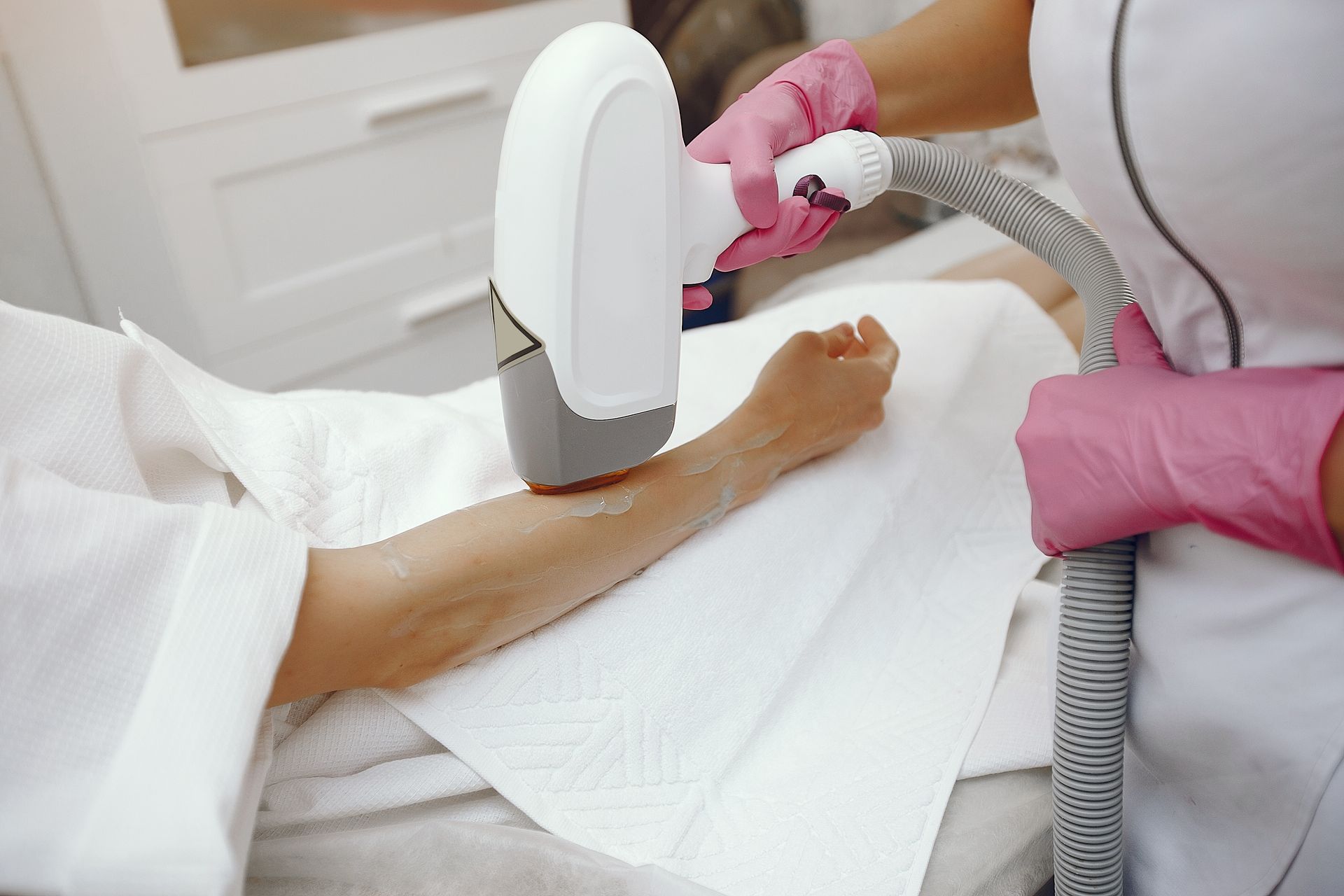
Laser hair removal works by delivering concentrated light energy to hair follicles, where melanin absorbs the energy and converts it into heat. This heat damages the follicle to inhibit future hair growth.
The challenge lies in balancing two opposing needs:
-
Sufficient heat to disable the hair follicle
-
Minimal thermal damage to the surrounding skin
Without effective cooling, excess heat can spread to the epidermis, increasing discomfort and the risk of adverse skin reactions.
Why Skin Protection Is Critical
The epidermis, especially in darker or sensitive skin types, is vulnerable to thermal stress. Poor temperature control may lead to:
-
Pain and burning sensations
-
Redness and prolonged erythema
-
Blistering or crusting
-
Post-inflammatory pigmentation changes
Cooling systems act as a protective buffer, ensuring the laser energy targets the follicle—not the skin surface.
How Cooling Systems Work in Laser Hair Removal
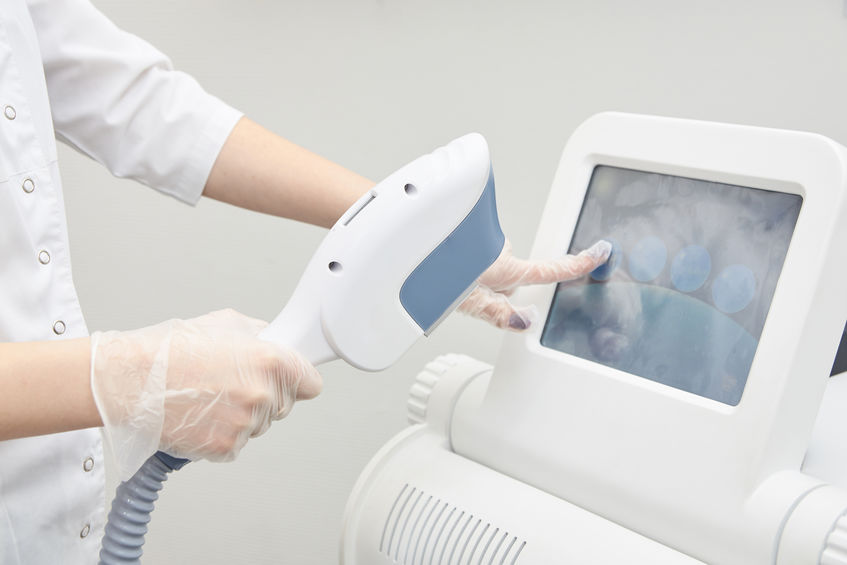
Modern laser hair removal devices integrate cooling through several mechanisms:
Contact Cooling
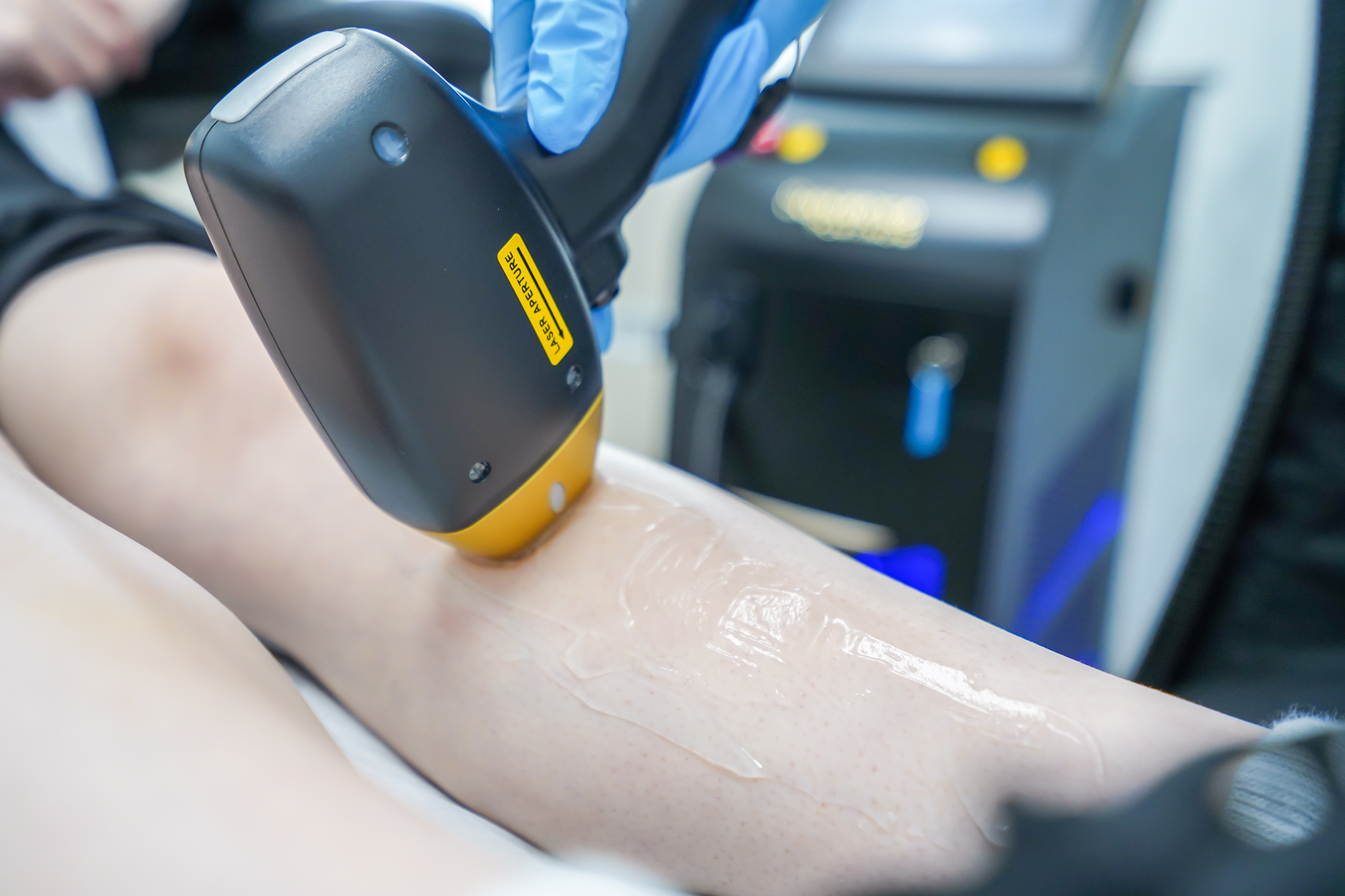
A sapphire or metal tip remains in direct contact with the skin, absorbing heat before, during, and after laser pulses.
Air Cooling
Cold air is continuously blown onto the treatment area to reduce surface temperature and soothe the skin.
Cryogen Spray Cooling
A brief burst of cooling agent is applied milliseconds before the laser pulse to protect the epidermis.
Integrated Dynamic Cooling
Advanced systems synchronize cooling with laser emission, maintaining stable skin temperature throughout treatment.
Each method serves the same goal: thermal control with precision.
Cooling Systems and Client Comfort
Client comfort directly influences treatment acceptance and retention. Effective cooling:
-
Reduces pain perception
-
Minimizes the need for topical anesthetics
-
Allows treatment of sensitive areas such as the face, bikini line, and underarms
When treatments are more comfortable, clients are more likely to complete full treatment cycles, leading to better long-term results.
Consistency Leads to Better Results
Stable skin temperature allows practitioners to:
-
Use optimal energy settings
-
Maintain consistent pulse delivery
-
Treat larger areas efficiently
Without cooling, operators may be forced to lower energy levels, compromising follicle damage and treatment effectiveness.
Cooling systems therefore indirectly improve hair reduction outcomes by enabling reliable energy delivery.
Safety Across Different Skin Types
As laser hair removal expands globally, treating diverse skin tones becomes essential. Cooling systems are especially important for:
-
Darker skin types with higher epidermal melanin
-
Clients prone to pigmentation
-
Sensitive or thin skin areas
By protecting the epidermis, cooling expands the range of clients who can safely undergo laser hair removal.
Operational Advantages for Clinics
From a clinic management perspective, advanced cooling systems offer clear benefits:
-
Fewer post-treatment complaints
-
Reduced risk management issues
-
Shorter recovery guidance
-
Higher client satisfaction scores
Devices with integrated cooling systems often require less operator intervention, improving workflow efficiency.
Why Cooling Matters More with High-Power Lasers
Modern diode and multi-wavelength laser systems operate at:
-
Higher average power
-
Faster repetition rates
-
Larger spot sizes
These advances improve speed but also generate more cumulative heat. Without advanced cooling, these benefits cannot be fully utilized.
Cooling systems therefore enable clinics to leverage the full potential of next-generation laser platforms.
Cooling as a Differentiation Factor in Equipment Selection
For professional buyers, cooling technology has become a key purchasing criterion. Devices equipped with stable, intelligent cooling systems offer:
-
Higher perceived treatment quality
-
Greater client comfort
-
Competitive differentiation
In many cases, clinics report that clients notice cooling performance as clearly as hair reduction results.
The Future of Laser Hair Removal Cooling
Cooling technology continues to evolve toward:
-
Smarter temperature monitoring
-
More uniform skin contact
-
Reduced noise and energy consumption
As client expectations rise, cooling systems will remain central to both clinical outcomes and user experience.
Conclusion
Cooling systems are not a secondary feature in laser hair removal—they are fundamental to safety, comfort, and consistent results. As laser devices become more powerful and treatments more demanding, advanced cooling is what allows technology to perform at its best.
This is why cooling systems truly matter in modern laser hair removal.
Founded in 2008, Guangzhou GLM Beauty Spa Equipment Factory specializes in research, development, manufacture and selling of beauty and slimming machines. Our production base is located in Guangzhou City, Guangdong Province, China. Since our foundation, we have introduced advanced technologies and equipment, to assure high quality and high performance of our products. With professional marketing guide and excellent after-sales service, our products have been exported to over 20 countries and regions, including Southeast Asia, the Middle East, Europe and the United States, won worldwide praises and gained a good reputation.