
Introduction
Modern skincare is moving toward a more scientific and personalized approach. In the past, skin analysis often relied primarily on visual observation and practitioner experience. While professional expertise remains valuable, technological advancements now allow aesthetic clinics to analyze the skin with greater accuracy and consistency.
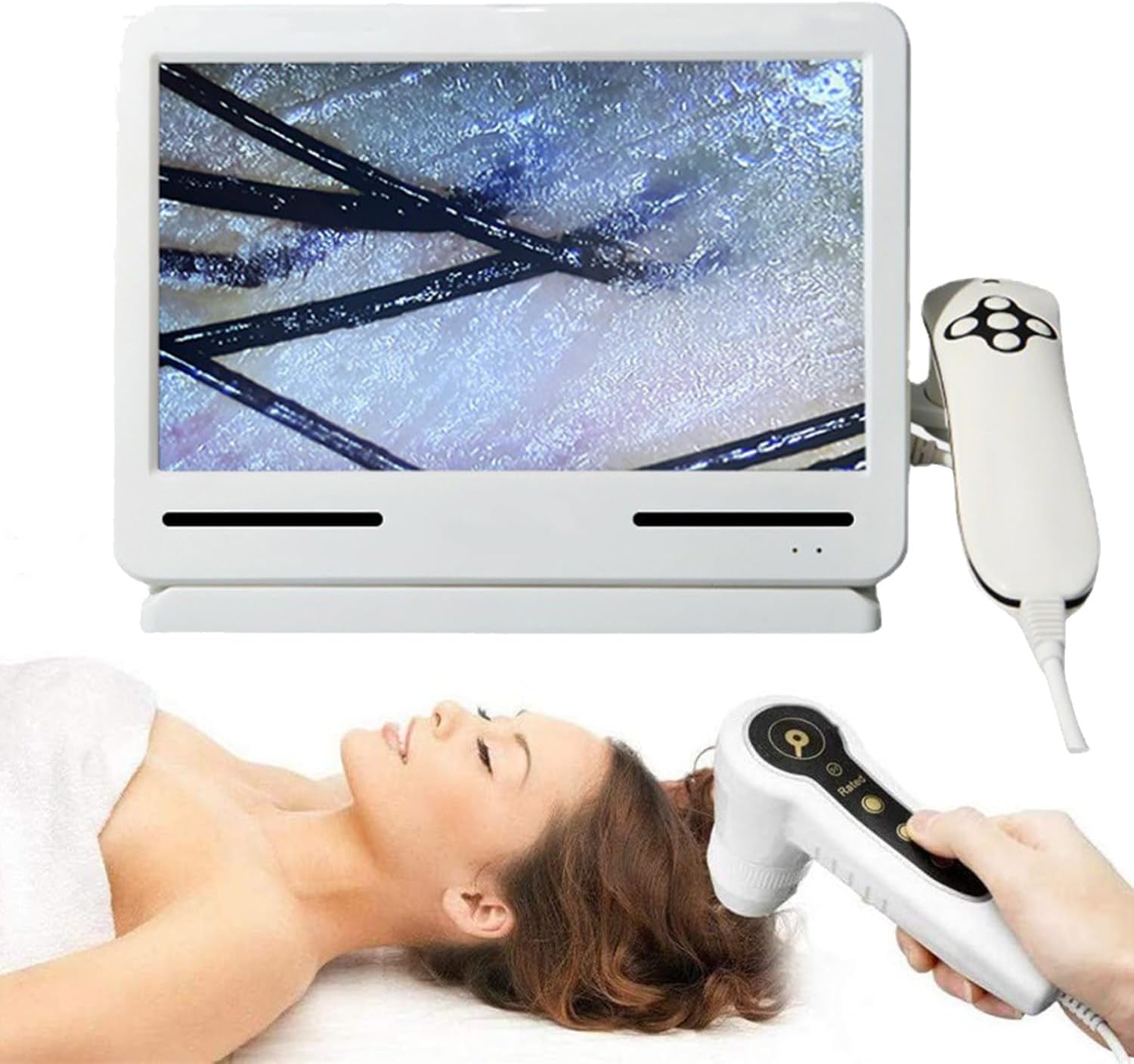
This shift has led to the growing adoption of Data-Driven Skin Diagnosis, which uses digital imaging, software analysis, and advanced sensors to evaluate skin conditions. These technologies provide measurable data that help practitioners better understand individual skin concerns.
By transforming subjective observations into objective data, data-driven skin diagnosis enables clinics to design more precise treatment plans and improve overall skincare outcomes. As aesthetic technology continues to evolve, digital skin analysis systems are expected to play an increasingly important role in professional skincare services.

Background / Problem
Skin is a complex organ influenced by many factors, including genetics, lifestyle, environment, and aging. Because of this complexity, it can be difficult to accurately assess skin conditions using visual examination alone.
Traditional consultations may struggle to identify deeper skin issues such as:
-
Early pigmentation changes
-
Hidden sun damage
-
Dehydration beneath the surface
-
Enlarged pores or oil imbalance
-
Early signs of aging
Without accurate analysis, treatment plans may rely on general assumptions rather than detailed skin data.
In addition, many clients today expect more personalized skincare solutions rather than one-size-fits-all treatments. They want to understand their skin condition clearly and see measurable improvements over time.
Data-driven analysis technologies provide a solution by delivering detailed skin information that supports more informed decisions.
Technology / Mechanism
Modern Data-Driven Skin Diagnosis systems combine several technologies to evaluate skin condition.
1. High-Resolution Imaging
Professional skin analyzers capture high-definition images of the skin under different lighting conditions. This allows practitioners to observe both surface and subsurface skin characteristics.
For example, certain imaging modes can highlight:
-
Pigmentation irregularities
-
Pore structure
-
Wrinkles and fine lines
-
Redness and vascular conditions
These detailed images provide a clearer picture of skin health.
2. Multi-Spectrum Light Analysis

Many skin diagnostic devices use Multispectral Imaging to examine the skin.
By using different wavelengths of light, the system can detect features that are not visible under normal lighting conditions. For instance, ultraviolet light can reveal sun damage, while polarized light can highlight vascular changes.
This multi-layer analysis helps practitioners identify skin concerns at an earlier stage.
3. Artificial Intelligence and Data Processing
Some advanced diagnostic systems integrate Artificial Intelligence algorithms that analyze captured images and compare them with large databases of skin profiles.
AI-assisted analysis can:
-
Detect patterns in skin conditions
-
Provide objective scoring for various parameters
-
Track skin changes over time
-
Suggest potential treatment strategies
This technology improves diagnostic accuracy and reduces human bias.
4. Quantitative Skin Measurements
Data-driven systems often generate numerical scores for factors such as:
-
Moisture levels
-
Pigmentation severity
-
Pore size
-
Wrinkle depth
-
Oil balance
These measurable indicators allow practitioners to monitor skin improvements after treatments.
Advantages / Comparison
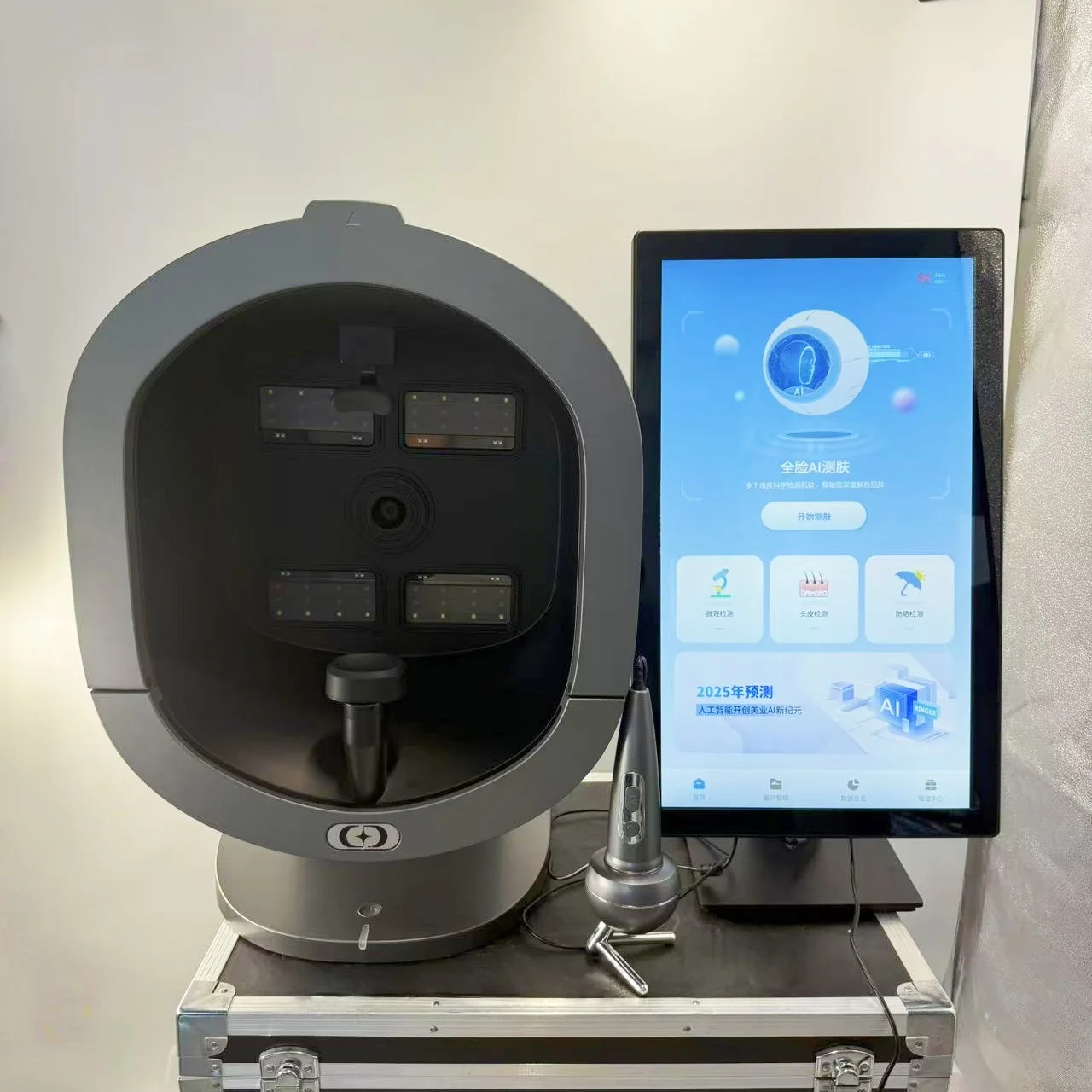
Compared with traditional visual skin assessments, data-driven diagnosis offers several significant advantages.
Objective Analysis
Digital imaging and software analysis reduce reliance on subjective evaluation. Practitioners can base treatment decisions on measurable skin data.
Personalized Treatment Planning
Detailed skin information allows clinics to tailor treatments more precisely. For example, different technologies may be selected depending on whether the primary concern is pigmentation, dehydration, or aging.
Client Education and Trust
Visual reports and numerical data help clients better understand their skin condition. When clients can see images and analysis results, they often feel more confident in the recommended treatments.
Tracking Treatment Progress
Because data-driven systems record baseline measurements, clinics can track skin improvements over time. This allows practitioners to evaluate the effectiveness of treatments and adjust protocols if necessary.
Applications / Client Needs
Digital skin diagnostic technology is widely used in professional aesthetic environments.
Initial Skin Consultations
Before starting skincare treatments, clinics often perform digital skin analysis to identify underlying issues and establish baseline measurements.
Treatment Planning
After diagnosis, practitioners can recommend appropriate treatments, such as:
-
Hydration therapies
-
Laser treatments
-
RF skin tightening
-
pigmentation treatments
The diagnostic data helps guide these decisions.
Monitoring Skincare Results
Follow-up scans allow practitioners to compare results over time and demonstrate measurable improvements to clients.
Retail and Skincare Recommendations
Some clinics also use diagnostic systems to recommend skincare products tailored to the client’s specific skin condition.
Conclusion
Data-Driven Skin Diagnosis represents a major step forward in professional skincare. By combining advanced imaging, multispectral analysis, and Artificial Intelligence, these technologies provide a deeper understanding of skin health.
Compared with traditional visual assessments, data-driven systems offer more accurate analysis, personalized treatment planning, and measurable progress tracking.
As the aesthetic industry continues to embrace technology and personalization, digital skin diagnostic systems are likely to become an essential tool for clinics seeking to deliver more precise and effective skincare solutions.
Founded in 2008, Guangzhou GLM Beauty Spa Equipment Factory specializes in research, development, manufacture and selling of beauty and slimming machines. Our production base is located in Guangzhou City, Guangdong Province, China. Since our foundation, we have introduced advanced technologies and equipment, to assure high quality and high performance of our products. With professional marketing guide and excellent after-sales service, our products have been exported to over 20 countries and regions, including Southeast Asia, the Middle East, Europe and the United States, won worldwide praises and gained a good reputation.