
Introduction
Have you noticed that your body feels heavier during the colder months? For many people, winter brings changes in appetite, activity levels, daily routines, and even sleep patterns. Shorter days, colder weather, holiday meals, indoor lifestyles, and fewer outdoor activities can create the perfect environment for gradual weight gain.
Research has found seasonal differences in food intake and physical activity. Winter can be associated with increased energy intake and lower levels of moderate-to-vigorous physical activity, while sedentary behavior tends to increase.
The good news is that winter weight gain does not have to become a yearly cycle.
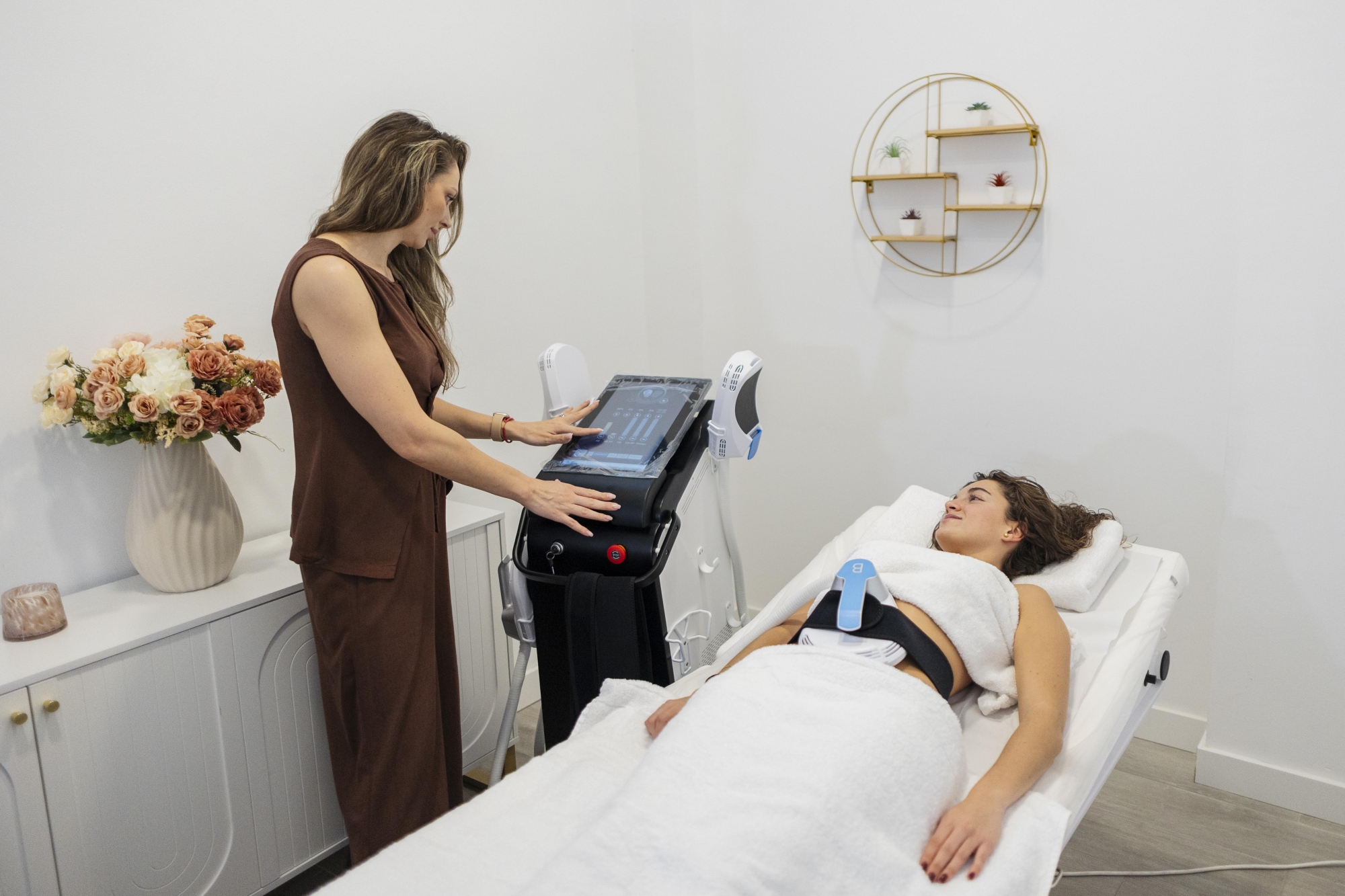
A practical approach combines balanced nutrition, regular physical activity, healthy lifestyle habits, and, where appropriate, professional body-contouring treatments. For beauty salons, aesthetic clinics, and professional wellness centers, modern body-sculpting technologies can provide an additional option for clients who want to improve the appearance of localized fat, body contours, cellulite, or skin firmness.
It is important to understand the distinction: body-contouring equipment is not a replacement for healthy weight management. Instead, professional aesthetic treatments are generally designed to target specific areas and improve body shape or appearance after lifestyle factors have been addressed.
Background: Why Do People Gain Weight in Winter?
Winter weight gain is usually not caused by one single factor. Instead, several small changes can accumulate over weeks or months.
1. You May Move Less
Cold temperatures, rain, snow, and shorter daylight hours can make outdoor activity less appealing.
Instead of walking to work, exercising outdoors, or spending weekends outside, people may spend more time sitting indoors. Research reviewing seasonal movement patterns found that physical activity and moderate-to-vigorous physical activity tend to be higher during summer than winter, while sedentary behavior tends to increase during colder months.
Even a relatively small reduction in daily movement can affect total energy expenditure.
For example, someone who normally walks several thousand additional steps each day during warmer months may unintentionally become much less active during winter.
2. Winter Can Change Eating Habits
Cold weather often changes food preferences.
Comfort foods, hot drinks, desserts, rich sauces, and high-calorie holiday meals become more common. Winter also includes major social occasions in many countries, including Christmas, New Year celebrations, family gatherings, and restaurant meals.
A review of seasonal eating patterns found that winter-related changes in temperature, daylight, social events, holidays, and emotional factors may all influence energy intake.
The issue is rarely one large meal. More often, it is the accumulation of small additional calories over many days.
3. Shorter Days Can Affect Your Routine
Less daylight may influence daily behavior, sleep, mood, and activity.
Some people naturally spend more time indoors, go outside less often, and develop a more sedentary routine. These behavioral changes can indirectly influence weight management.
This does not mean everyone gains weight in winter. Individual responses vary significantly depending on lifestyle, climate, culture, diet, activity level, and other factors.
4. Holiday Seasons Can Make Weight Management More Difficult
Winter is also a highly social season.
Business dinners, family gatherings, parties, travel, desserts, alcohol, and irregular meal schedules can make it harder to maintain normal eating patterns.
A person may follow a healthy routine for most of the year but gradually gain weight during several weeks of holiday-related overeating.
5. The Scale May Not Tell the Whole Story
An increase on the scale does not automatically mean an equivalent increase in body fat.
Body weight can fluctuate because of water retention, food volume, glycogen storage, sodium intake, hormonal changes, and other short-term factors.
For this reason, professional body assessment should look beyond weight alone. Measurements, body composition, visual changes, and lifestyle patterns can provide a more useful picture of progress.
Technology & Mechanism: How Can You Stop Winter Weight Gain?
The first step is to rebuild your daily routine.
1. Maintain Regular Physical Activity
Adults generally need at least 150 minutes of moderate-intensity aerobic activity per week, together with muscle-strengthening activity on at least two days per week.
This does not necessarily mean spending hours in a gym.
Walking indoors, cycling, strength training, swimming, stair climbing, and structured fitness programs can all help maintain activity during winter.
For beauty clinics, this also creates an opportunity to position body-contouring treatments as part of a broader body-management program rather than presenting a device as a standalone weight-loss solution.
2. Pay Attention to Food Quality and Portions
A sustainable winter strategy does not require eliminating every comfort food.
Instead, clients can focus on:
- Adequate protein and fiber
- More vegetables and whole foods
- Appropriate portion sizes
- Lower intake of highly processed snacks
- Better hydration
- Moderation during social events
- Consistent meal timing
The objective is to create habits that can be maintained beyond the winter season.
3. Build a Professional Body-Contouring Plan When Appropriate
Once lifestyle habits are established, some clients may still be concerned about localized fat deposits, cellulite, or areas that appear less defined.
This is where professional aesthetic technology can have a role.
Modern non-invasive body-contouring technologies use different mechanisms, depending on the device and its authorized indications. These may include controlled cooling, radiofrequency heating, ultrasound-based technologies, or other energy-based approaches. The FDA describes non-invasive body contouring as procedures performed on the skin surface without surgical incisions, with different technologies designed for specific body sites and intended effects.
For professional operators, understanding the technology is essential.
How Professional Body-Sculpting Technologies Work
Different technologies have different mechanisms and should not be treated as interchangeable.
Radiofrequency Body Contouring
Radiofrequency, or RF, delivers controlled electromagnetic energy to tissue.
Depending on the specific technology and intended use, RF can heat tissue and may temporarily improve the appearance of cellulite, contribute to a tighter-looking skin appearance, or reduce circumference in a treated area.
In a professional clinic, RF systems may be selected for areas where clients are concerned about:
- Skin laxity
- Uneven body texture
- Cellulite appearance
- Lack of definition
- Localized body-contouring concerns
Professional RF systems can offer operators greater control over treatment parameters than many basic consumer devices. However, treatment should always follow the manufacturer's instructions, training requirements, contraindications, and applicable regulations.
Cavitation-Based Technologies
Ultrasound cavitation systems are commonly marketed in the aesthetic industry for body-contouring applications.
These systems use ultrasound energy delivered through a treatment handpiece. Depending on the specific device design and regulatory authorization, the intended cosmetic application may involve improving the appearance of localized fat or body contours.
The important point for clinics is that the technology should be presented accurately. Cavitation should not be described as a substitute for exercise, dietary management, or medical obesity treatment.
Vacuum and Mechanical Massage Technologies
Vacuum-based systems use controlled negative pressure to lift and manipulate tissue.
When combined with mechanical rollers or other technologies, professional systems may be used as part of aesthetic body treatments focused on the appearance of cellulite, skin texture, and body contour.
These systems can be particularly attractive for salons because one platform may combine several treatment modalities in a single professional workflow.
Cryolipolysis and Other Cooling Technologies
Cryolipolysis, commonly known as fat freezing, uses controlled cooling intended to affect fat cells in a targeted area.
According to the FDA, cryolipolysis uses cooling to target pinchable fat bulges, while the technology is intended to affect fat cells without freezing the skin when appropriately applied.
Because different body-contouring technologies have different indications, risks, treatment protocols, and expected outcomes, professional consultation is essential.
Advantages & Comparison: Professional Treatments vs. Home Devices
The growing popularity of home beauty devices has created more awareness of aesthetic technology. However, professional and consumer devices are not necessarily designed for the same purpose.
Professional Equipment Offers a More Structured Treatment Environment
Professional systems are typically designed for trained operators and clinic or salon workflows.
A professional treatment may involve:
- Client consultation
- Body-area assessment
- Selection of an appropriate technology
- Adjustment of treatment parameters
- Controlled application
- Monitoring of client response
- Treatment documentation
- Follow-up evaluation
This structured process is one of the major advantages of professional aesthetic services.
Professional Devices Can Support Multi-Technology Treatments
A modern body-contouring platform may combine technologies such as:
- RF
- Vacuum
- Mechanical rollers
- Ultrasound
- LED
- EMS or other complementary modalities, depending on the device
This allows clinics to create treatment programs around different client concerns instead of relying on one technology for every case.
For example, a client may be primarily concerned with localized body contour, while another may be more concerned with cellulite appearance or skin firmness.
A professional operator can therefore select a treatment approach based on the client's goals, body area, skin condition, and device indications.
Home Devices Have a Different Role
Home-use devices can be convenient for routine personal care, but their design, energy output, treatment area, and safety controls may differ substantially from professional systems.
For clinics and salons, the value is not simply having a stronger machine. The greater advantage comes from combining appropriate technology with trained operation, consultation, standardized protocols, and client follow-up.
Applications & Client Needs: How Can Clinics Address Winter Body Concerns?
Winter is an appropriate time for aesthetic businesses to introduce structured body-management programs.
Client Need 1: Localized Fat Appearance
Some clients maintain a relatively stable body weight but notice stubborn areas around the abdomen, waist, thighs, hips, or arms.
Professional body-contouring technology may be considered for localized aesthetic concerns, depending on the device and its authorized indications.
The consultation should focus on realistic expectations rather than promising dramatic weight loss.
Client Need 2: Cellulite Appearance
Cellulite often becomes a more noticeable aesthetic concern when clients feel less active during winter.
Technologies involving RF, vacuum, massage, or combinations of modalities may be incorporated into professional programs intended to improve the appearance of cellulite or skin texture.
Results depend on the individual, technology, treatment protocol, and consistency.
Client Need 3: Reduced Skin Firmness
After weight fluctuations, some clients may be concerned about skin laxity.
Certain RF-based technologies can heat tissue and may create a tighter-looking skin appearance or temporarily improve the appearance of cellulite, depending on the specific device and treatment.
This makes RF technology particularly relevant for clinics offering body-contouring and skin-firming services.
Client Need 4: Maintaining Results Throughout Winter
A body-contouring treatment should not be viewed as a one-time solution.
A more professional approach is to create a maintenance strategy combining:
Healthy Nutrition + Physical Activity + Professional Body Treatments + Progress Monitoring
This model is more realistic and easier for clients to understand.
A Practical Winter Body-Management Strategy for Clinics
A professional salon or aesthetic clinic can structure a winter program around four stages.
Stage 1: Consultation
Understand the client's lifestyle, target areas, aesthetic concerns, previous treatments, and expectations.
Stage 2: Assessment
Record appropriate measurements and, where available, body-composition or photographic assessments.
Stage 3: Treatment
Select the appropriate professional technology according to the client's needs and the device's authorized indications.
Stage 4: Maintenance
Encourage clients to maintain regular activity, balanced nutrition, hydration, and scheduled professional treatments when appropriate.
This approach shifts the conversation from “How can I lose weight quickly?” to “How can I manage my body and maintain a healthier appearance throughout the year?”
That is a more sustainable proposition for both clients and professional beauty businesses.
Important Safety Considerations
Professional body-contouring technology should always be used according to the manufacturer's instructions and applicable regulations.
Operators should understand contraindications, treatment parameters, body-site limitations, and appropriate client selection.
For example, the FDA notes specific contraindications and precautions for certain RF body-contouring applications, including considerations involving active implanted devices, metal under the skin, and certain other circumstances.
Clinics should also avoid making unsupported claims such as “guaranteed weight loss,” “permanent fat removal,” or “effortless obesity treatment.”
Body contouring and medical weight management are different categories.
For clients with significant or unexplained weight changes, medical conditions, or concerns about obesity, referral to an appropriate healthcare professional may be necessary.
Conclusion
So, why do you gain weight in winter?
For many people, the answer is a combination of reduced physical activity, increased calorie intake, seasonal habits, social events, shorter daylight hours, and changes in daily routines. Research supports the observation that seasonal patterns can influence both food intake and physical activity.
The solution is not to fight winter with extreme dieting.
Instead, maintain regular movement, pay attention to nutrition, establish consistent routines, and consider professional aesthetic treatments when localized body-contouring concerns remain.
For beauty salons, aesthetic clinics, and professional wellness centers, advanced body-sculpting equipment can become a valuable part of a broader seasonal body-management program.
RF, vacuum, ultrasound, cryolipolysis, and other technologies each have different mechanisms and intended applications. The best professional strategy is therefore not simply choosing the “strongest” machine, but selecting reliable technology that matches client needs, operator expertise, treatment protocols, and applicable regulatory requirements.
Winter may make healthy routines more difficult—but with the right combination of lifestyle management and professional aesthetic care, clients can work toward maintaining their body shape and confidence throughout the entire year
Founded in 2008, Guangzhou GLM Beauty Spa Equipment Factory specializes in research, development, manufacture and selling of beauty and slimming machines. Our production base is located in Guangzhou City, Guangdong Province, China. Since our foundation, we have introduced advanced technologies and equipment, to assure high quality and high performance of our products. With professional marketing guide and excellent after-sales service, our products have been exported to over 20 countries and regions, including Southeast Asia, the Middle East, Europe and the United States, won worldwide praises and gained a good reputation
