Introduction
In modern aesthetic medicine, skin lifting and tightening remain core demands across facial and body treatments. For years, practitioners relied on surgical lifts or aggressive energy-based procedures to address sagging, wrinkles, and loss of firmness. While effective, these approaches often come with higher risks, longer recovery periods, and limited flexibility for different skin types.
In recent years, plasma technology has emerged as a compelling alternative. More aesthetic practitioners are integrating plasma devices into their clinics—not as a replacement for all treatments, but as a safer, more precise, and more versatile lifting solution that aligns with current market expectations.
Background: Limitations of Traditional Lifting Methods
Traditional lifting approaches generally fall into two categories:
-
Surgical lifting
-
High-energy thermal devices
While both can produce visible results, they also present clear challenges:
-
Long downtime and post-treatment care
-
Higher risk of burns or scarring
-
Limited suitability for certain skin types
-
Client fear of invasive procedures
-
High operational and liability costs
As patients increasingly prefer non-invasive or minimally invasive solutions, clinics must adapt their technology choices accordingly.
What Is Plasma Technology in Aesthetic Lifting?
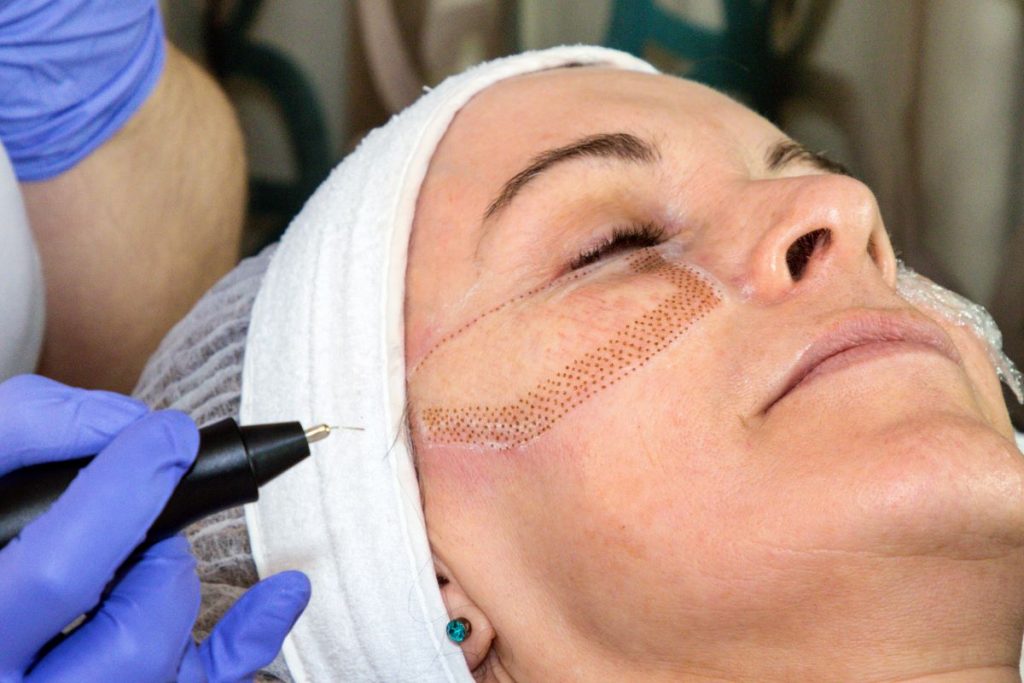
Plasma technology uses ionized gas energy generated between a device tip and the skin surface. Unlike lasers or RF, plasma does not rely on deep thermal diffusion. Instead, it creates controlled micro-plasma arcs that interact precisely with the epidermis and superficial dermis.
This controlled interaction allows practitioners to:
-
Tighten skin at targeted points
-
Stimulate fibroblast activity
-
Support collagen regeneration
-
Improve skin texture without large-scale tissue damage
The Scientific Principle Behind Plasma Skin Lifting

Plasma lifting works through several biological mechanisms:
Localized Energy Interaction
Plasma energy is delivered in micro-zones, allowing precise lifting without overheating surrounding tissue.
Controlled Micro-Tissue Contraction
The superficial skin contracts immediately, creating a visible tightening effect while triggering natural repair responses.
Collagen Remodeling
Plasma stimulation activates fibroblasts, encouraging new collagen and elastin formation over time.
Epidermal Renewal
The treated area undergoes accelerated turnover, improving tone, texture, and fine lines.
This multi-layered effect explains why plasma lifting delivers both immediate and progressive results.
Plasma vs Traditional Lifting Technologies
Compared with conventional lifting methods, plasma offers several clinical advantages:
Precision
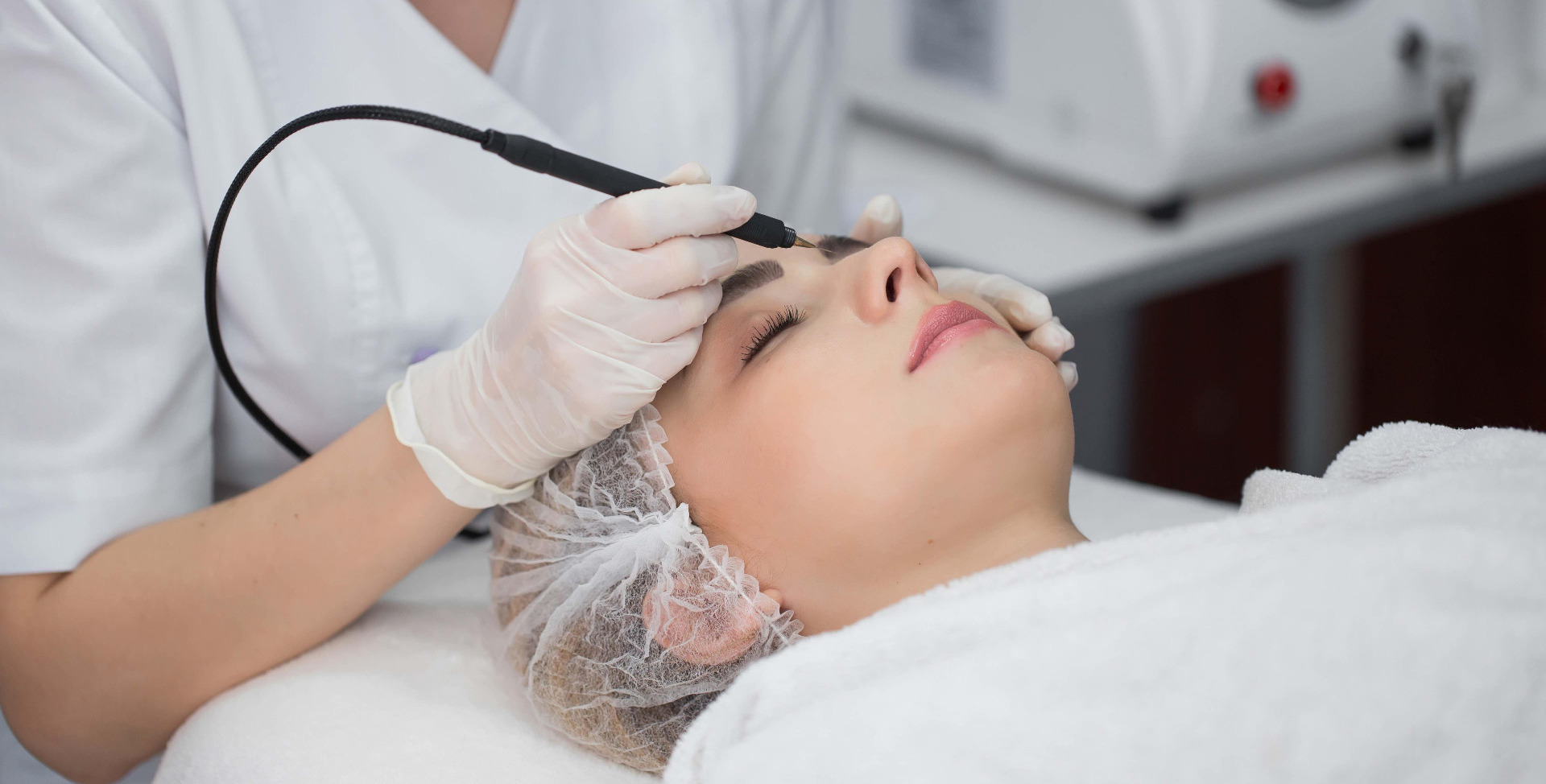
Plasma devices allow point-by-point treatment, ideal for delicate areas such as eyelids, nasolabial folds, and fine lines.
Lower Thermal Spread
Unlike RF or laser systems, plasma minimizes heat diffusion, reducing risks for sensitive or darker skin tones.
Minimal Downtime
Most plasma treatments involve short recovery periods, making them suitable for busy clients.
Adaptability
Energy levels can be adjusted for different skin conditions, ages, and treatment goals.
Why Practitioners Prefer Plasma in Daily Practice
From a professional perspective, plasma devices fit modern clinic workflows well:
-
Easier patient education and acceptance
-
Predictable treatment outcomes
-
Reduced post-treatment complications
-
Flexible integration with other modalities
Plasma can be used as a standalone lifting solution or combined with RF, mesotherapy, or LED therapy to enhance overall results.
Client Demand Driving Plasma Adoption
Today’s aesthetic clients are more informed and selective. They often ask for:
-
Non-surgical options
-
Short recovery time
-
Natural-looking results
-
Treatments tailored to specific problem areas
Plasma lifting aligns perfectly with these expectations, making it easier for practitioners to meet client needs without over-promising.
Applications Across Face and Body
Plasma technology is commonly applied to:
-
Upper and lower eyelids
-
Crow’s feet and fine wrinkles
-
Forehead lines
-
Neck and jawline laxity
-
Acne scars and uneven texture
Its versatility allows clinics to expand service offerings without investing in multiple single-purpose devices.
Safety Profile and Skin Compatibility
One of plasma technology’s strongest advantages is its safety profile. When used correctly:
-
Energy delivery remains superficial and controlled
-
Risk of pigmentation issues is reduced
-
Suitable for a wide range of skin types
This makes plasma particularly appealing in diverse markets where skin tone variation is common.
Business Value for Aesthetic Clinics
Beyond clinical outcomes, plasma devices offer clear business benefits:
-
High perceived value treatments
-
Competitive differentiation
-
Repeat treatment potential
-
Lower consumable costs
For clinics seeking long-term, scalable growth, plasma technology represents a strategic investment.
The Future of Plasma in Aesthetic Lifting
As device engineering advances, plasma systems are becoming:
-
More precise
-
More ergonomic
-
Easier to integrate with multi-technology platforms
This evolution suggests plasma lifting will continue to gain prominence as a core tool in non-invasive aesthetic medicine.
Conclusion
Plasma technology is not simply a trend—it reflects a broader shift in aesthetic practice toward precision, safety, and natural regeneration. For many practitioners, plasma offers the ideal balance between visible lifting results and patient-friendly treatment experiences.
It is this balance that explains why more aesthetic professionals are choosing plasma over traditional lifting methods.
Founded in 2008, Guangzhou GLM Beauty Spa Equipment Factory specializes in research, development, manufacture and selling of beauty and slimming machines. Our production base is located in Guangzhou City, Guangdong Province, China. Since our foundation, we have introduced advanced technologies and equipment, to assure high quality and high performance of our products. With professional marketing guide and excellent after-sales service, our products have been exported to over 20 countries and regions, including Southeast Asia, the Middle East, Europe and the United States, won worldwide praises and gained a good reputation.