Introduction
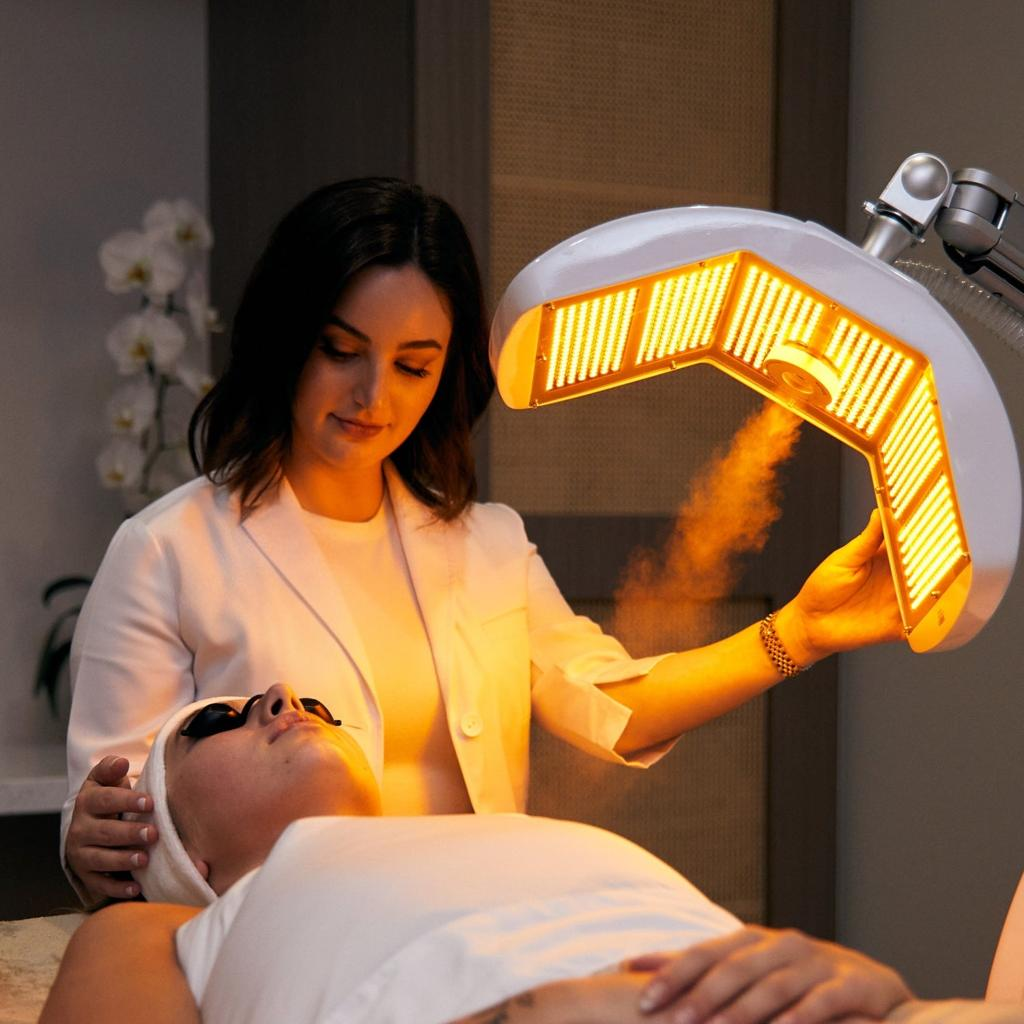
Light has become one of the most versatile tools in modern aesthetic treatments. Unlike technologies that rely on heat, injections, or aggressive exfoliation, LED light therapy offers a gentle, non-invasive approach to improving skin appearance while supporting the skin's natural recovery process. Over the past decade, advances in LED technology have transformed light therapy from a single-purpose treatment into a multi-functional solution capable of addressing a wide variety of skin concerns.
Today, professional aesthetic clinics and beauty salons rarely rely on only one wavelength of light. Instead, many choose multi-color LED devices that combine several wavelengths into one platform, allowing practitioners to customize treatments for different clients and treatment goals. Whether the objective is calming irritated skin after laser procedures, reducing acne-related inflammation, stimulating collagen production, or improving overall skin vitality, different LED colors can be selected individually or combined within a comprehensive treatment protocol.
This flexibility has made multi-color LED systems an increasingly valuable addition to professional treatment rooms. Rather than replacing other aesthetic technologies, they often complement procedures such as microneedling, hydrodermabrasion, radio frequency, oxygen infusion, ultrasound therapy, and facial treatments, helping improve client comfort while enhancing overall treatment experiences.
As client expectations continue to evolve toward effective treatments with minimal downtime, multi-color LED devices have earned their place as one of the most practical and widely adopted technologies in the professional beauty industry.
Background: Why Modern Clinics Need More Than One Light Color
The skin is a complex organ, and no two clients present exactly the same concerns. A single clinic may treat acne in one room, anti-aging clients in another, and sensitive post-treatment skin throughout the day. Relying on one wavelength limits treatment flexibility and often requires multiple standalone devices.
Professional practitioners face several common challenges:
- Different skin concerns require different treatment approaches.
- Clients increasingly expect personalized treatment plans.
- Clinics aim to maximize equipment utilization while minimizing investment costs.
- Treatment combinations have become more common than single-device procedures.
- Recovery time has become an important factor influencing client satisfaction.
These evolving demands explain why multi-color LED systems have gained significant popularity.
Instead of purchasing separate equipment for individual indications, clinics can integrate multiple wavelengths into a single platform. This improves workflow efficiency while giving practitioners greater freedom to tailor treatments based on skin analysis and treatment objectives.
Another important factor is that LED therapy is generally comfortable for most clients. Since it is non-invasive and typically requires little to no recovery time, it fits naturally into treatment protocols designed to support overall skin wellness rather than causing significant tissue disruption.
As aesthetic practices increasingly emphasize comprehensive skin management instead of isolated treatments, flexible technologies like multi-color LED therapy continue to grow in importance.
Technology: How Multi-Color LED Therapy Works
Unlike lasers that concentrate high-energy light into a focused beam, LED (Light Emitting Diode) devices produce low-level light at specific wavelengths. These wavelengths penetrate the skin to different depths, where they interact with skin tissues through a process commonly referred to as photobiomodulation.
Rather than creating controlled damage, LED light supports natural cellular activity by encouraging normal biological processes associated with skin renewal and recovery.
Each wavelength offers unique characteristics because different depths of skin absorb light differently.
Red Light
Red light is perhaps the most recognized wavelength used in professional skin rejuvenation.
It typically penetrates deeper into the dermis, where collagen and elastin are naturally produced. For mature skin, red LED therapy is commonly incorporated into facial rejuvenation programs designed to improve overall skin appearance and elasticity over time.
Professional practitioners frequently include red light following treatments such as:
- Radio frequency skin tightening
- Microneedling
- Oxygen facial therapy
- Anti-aging facial programs
- Collagen-support treatments
Rather than producing immediate dramatic changes, red light is generally used as part of a series of treatments that gradually improve skin quality.
Blue Light
Blue LED light serves a very different purpose.
Its shorter wavelength primarily targets the skin's surface, making it particularly useful for oily and acne-prone skin management.
Professional acne treatment programs often combine blue LED therapy with deep cleansing procedures, hydrodermabrasion, extraction treatments, or specialized skincare products.
Blue light is commonly selected to help:
- Improve the appearance of blemish-prone skin
- Support cleaner-looking skin
- Reduce the appearance of redness associated with breakouts
- Complement professional acne treatment protocols
For younger clients and individuals experiencing occasional breakouts, blue light frequently becomes an important component of long-term skin maintenance.
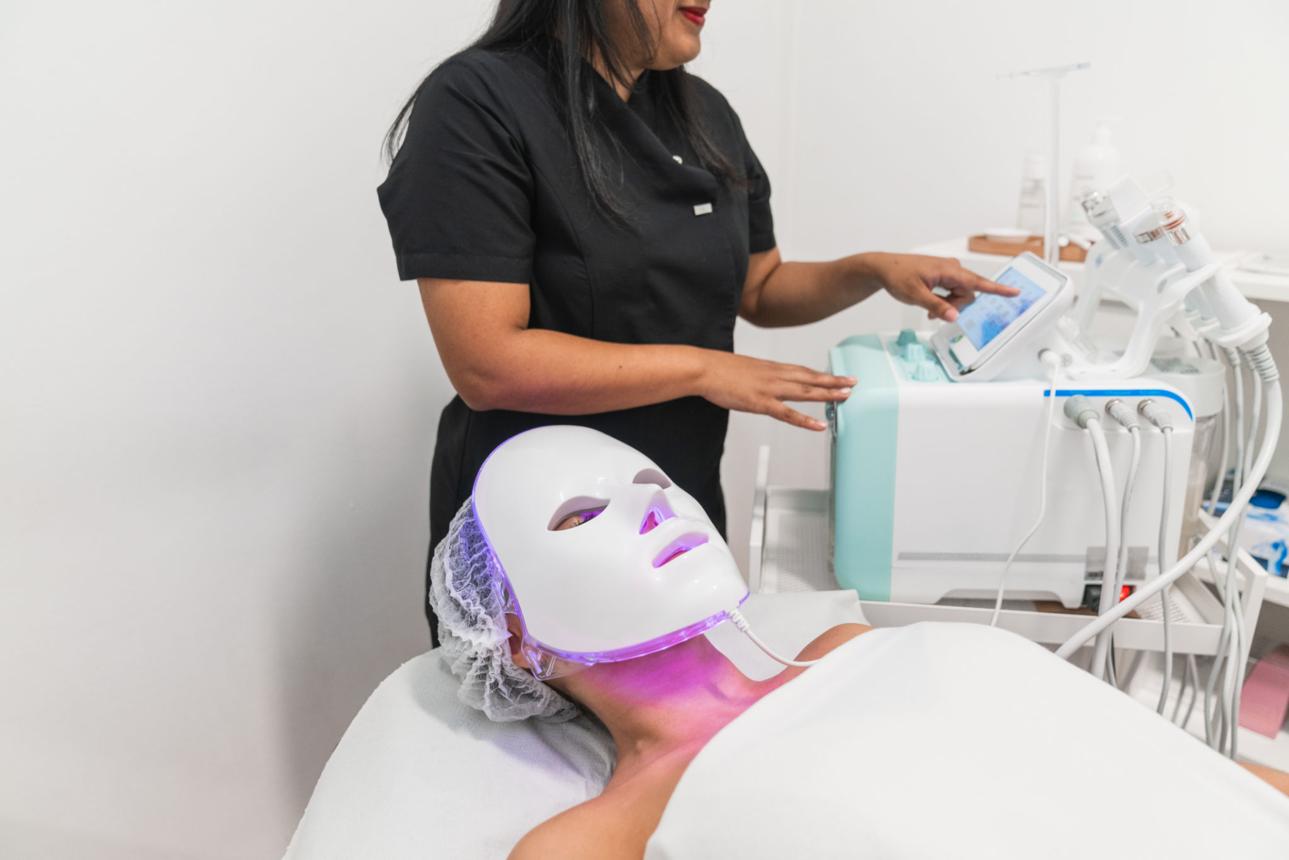
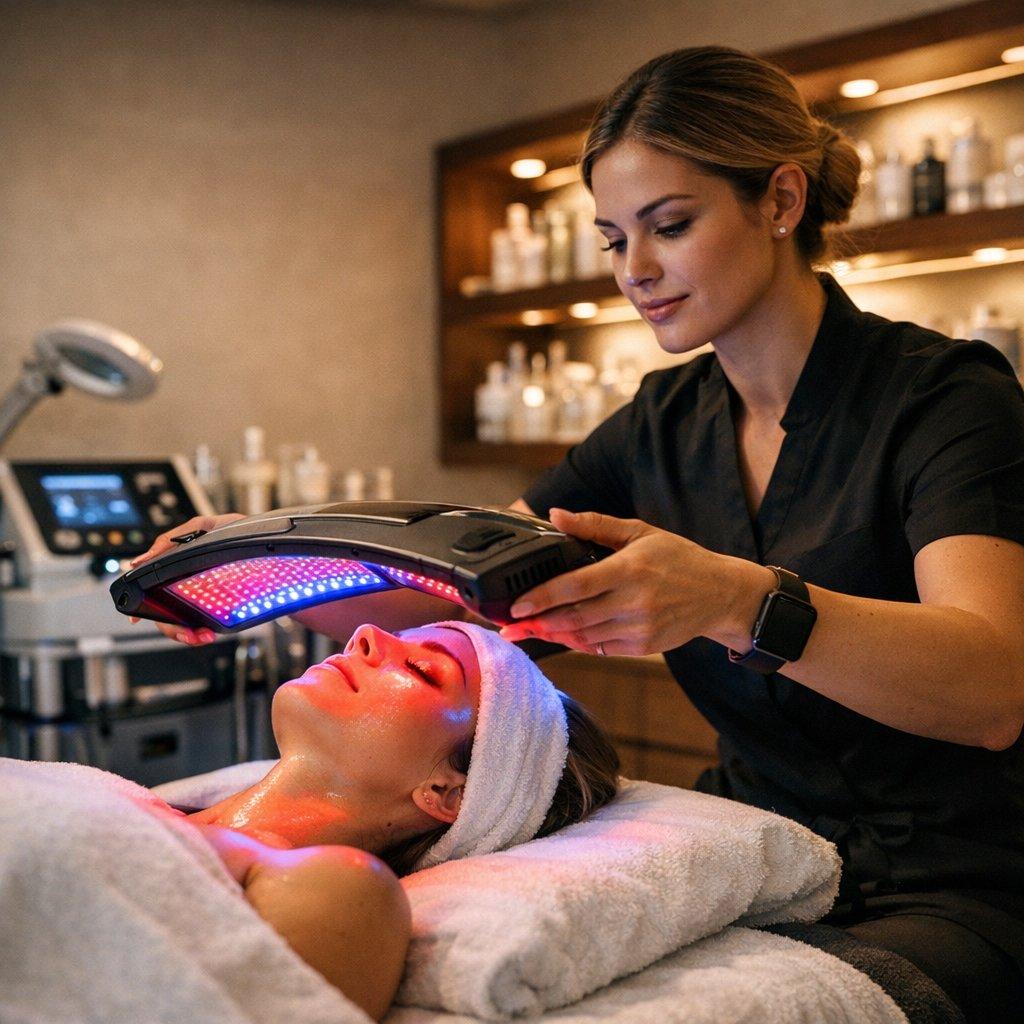
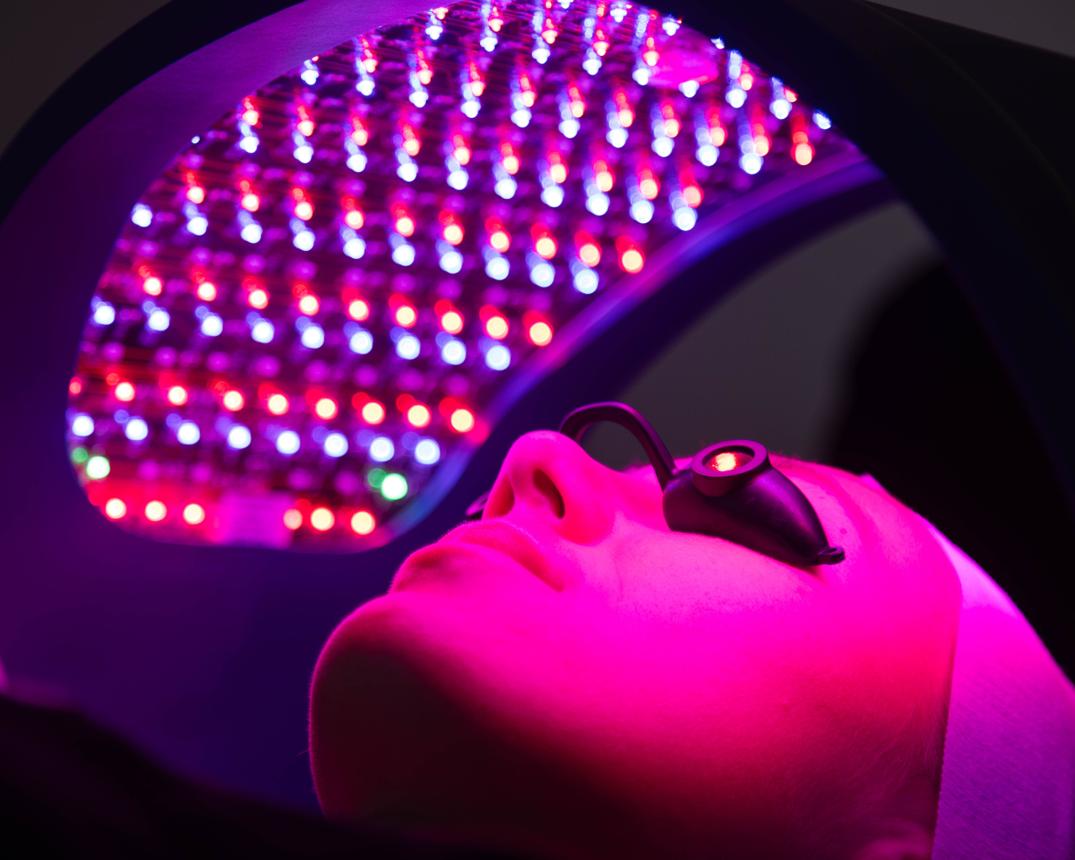
Professional multi-color LED systems allow practitioners to select different wavelengths based on individual skin conditions, making treatment protocols more personalized and efficient.
Green Light
Green light occupies a middle position among commonly used LED wavelengths and is frequently incorporated into professional brightening and complexion-balancing treatments.
While its penetration depth differs from red and blue light, green LED therapy is often selected for clients seeking improvements in uneven-looking skin tone and overall complexion appearance.
In many professional treatment protocols, green light is combined with procedures such as:
- Brightening facial treatments
- Hydration therapies
- Oxygen infusion
- Gentle exfoliation programs
- Post-summer skin recovery
Rather than acting as a standalone solution, green light is commonly used as part of a comprehensive skincare program designed to promote a more balanced and refreshed appearance
echnology: Additional LED Wavelengths Used in Professional Aesthetic Treatments
Modern professional LED devices typically offer more than three colors. Advanced systems often integrate yellow, purple, cyan, white, and near-infrared (NIR) light, enabling practitioners to build customized treatment protocols for a wider range of skin conditions.
Yellow Light
Yellow LED light is widely used in professional treatments designed for sensitive or stressed skin. Its gentle characteristics make it a popular option after procedures that temporarily increase skin sensitivity.
Professional aestheticians frequently include yellow light following treatments such as:
- Hydrodermabrasion
- Chemical exfoliation
- RF skin tightening
- Oxygen infusion facials
- Deep cleansing procedures
Yellow light is commonly selected to help:
- Improve the appearance of temporary redness
- Promote a calmer-looking complexion
- Support overall skin comfort after treatment
- Enhance the post-treatment experience
Because many clients seek treatments with minimal downtime, yellow LED therapy has become a valuable addition to recovery-focused facial protocols.
Near-Infrared (NIR) Light
Although invisible to the human eye, near-infrared light has become increasingly common in professional aesthetic equipment.
Compared with visible wavelengths, NIR penetrates deeper into soft tissue, making it an excellent companion technology for comprehensive skin rejuvenation programs.
Professional clinics often include near-infrared light alongside:
- Radio frequency treatments
- Microneedling procedures
- Ultrasound skin treatments
- Facial rejuvenation programs
- Advanced anti-aging therapies
Rather than focusing only on surface appearance, NIR supports deeper tissue recovery and complements treatments designed to improve overall skin quality over time.
Purple, Cyan, and White Light
Many multi-color LED systems also include additional preset colors that combine different wavelengths or serve specialized purposes.
For example:
- Purple light is often presented as a combination of red and blue light, making it suitable for clients who need both skin rejuvenation and acne-focused support.
- Cyan light is commonly incorporated into calming and refreshing facial programs.
- White light is frequently used in general skin maintenance treatments and overall complexion enhancement.
While clinical protocols vary among manufacturers and practitioners, offering multiple wavelengths provides greater flexibility when designing personalized treatment plans.
Why Combination Modes Matter
One of the biggest advantages of professional LED equipment is the ability to combine multiple wavelengths within a single treatment session.
Instead of selecting only one color, practitioners can create staged protocols. For example:
- Begin with blue light after deep cleansing to support acne-prone skin.
- Transition to red light to promote collagen-supporting skin rejuvenation.
- Finish with yellow light to calm the skin and improve client comfort.
Similarly, an anti-aging facial might include:
- Radio frequency skin tightening
- Oxygen infusion
- Hydrating serum application
- Red and near-infrared LED therapy
By combining technologies rather than relying on a single modality, clinics can create more comprehensive treatment experiences tailored to each client's skin condition.
Advantages of Multi-Color LED Devices Compared with Single-Color Systems
As aesthetic practices continue expanding their treatment menus, equipment versatility has become increasingly important. Multi-color LED devices offer several practical advantages over single-wavelength systems.
Greater Treatment Flexibility
One machine can address multiple concerns, including:
- Acne-prone skin
- Aging skin
- Sensitive skin
- Dull complexion
- Post-treatment recovery
- Routine skin maintenance
This allows clinics to treat a broader client base without investing in separate LED units.
Personalized Treatment Protocols
No two clients have identical skin conditions. Professional practitioners can adjust wavelengths according to:
- Skin type
- Treatment history
- Current skin condition
- Seasonal changes
- Treatment goals
Customization improves the overall treatment experience and helps clinics deliver more individualized services.
Excellent Compatibility with Other Technologies
Unlike many energy-based devices, LED therapy integrates easily into existing treatment workflows.
It can be performed before, during, or after procedures such as:
- Hydrodermabrasion
- Oxygen infusion
- Radio frequency
- Ultrasound therapy
- Facial cleansing
- Microneedling
- Skin hydration treatments
This compatibility makes LED therapy one of the most frequently used supporting technologies in professional aesthetics.
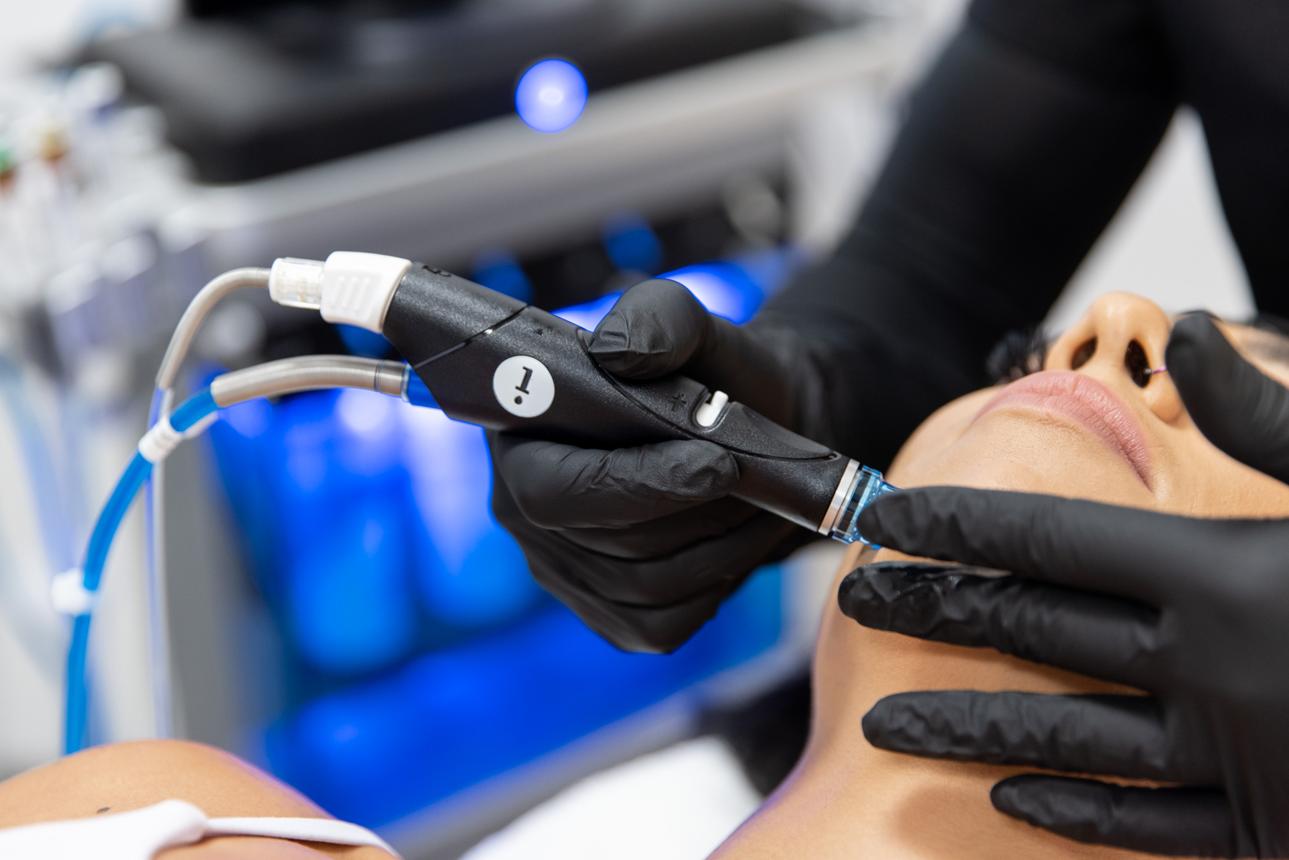
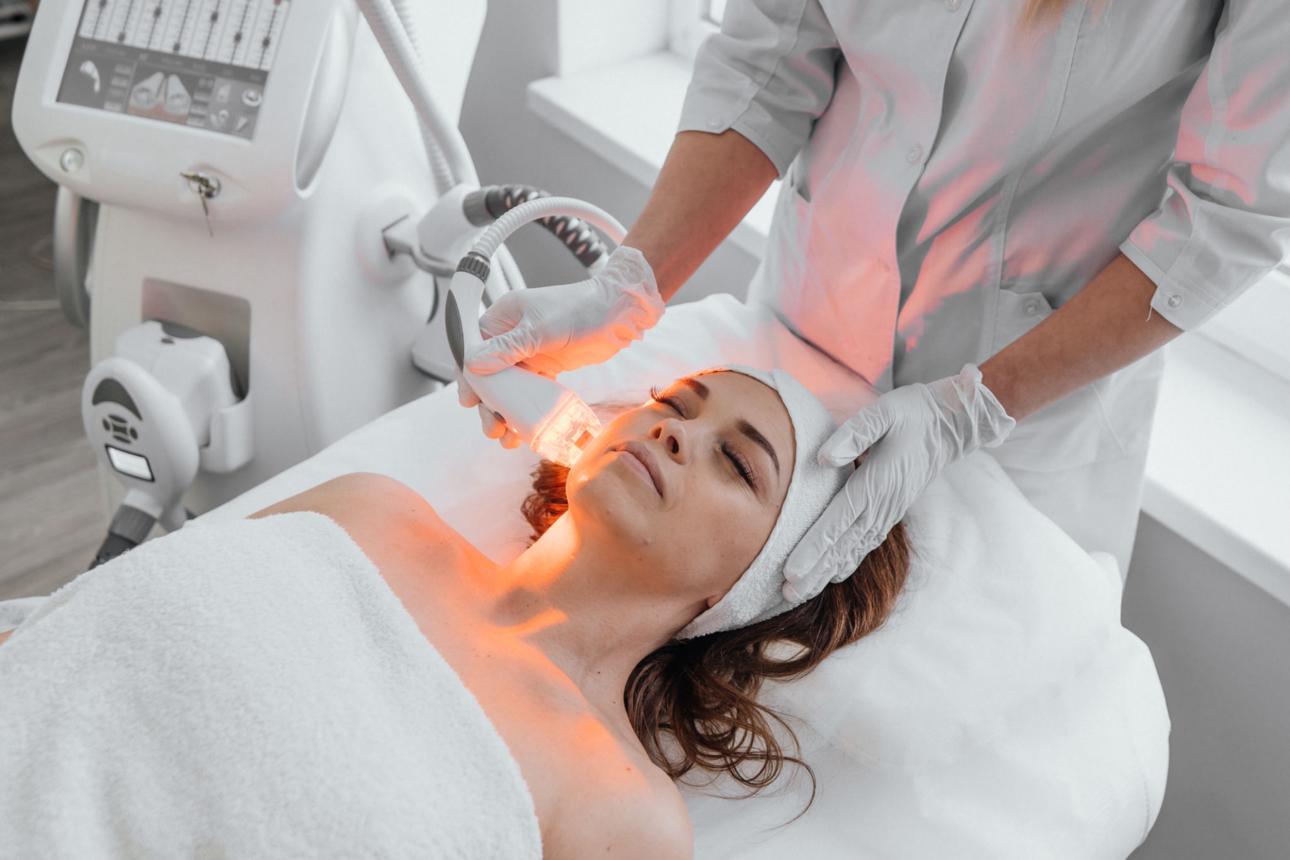
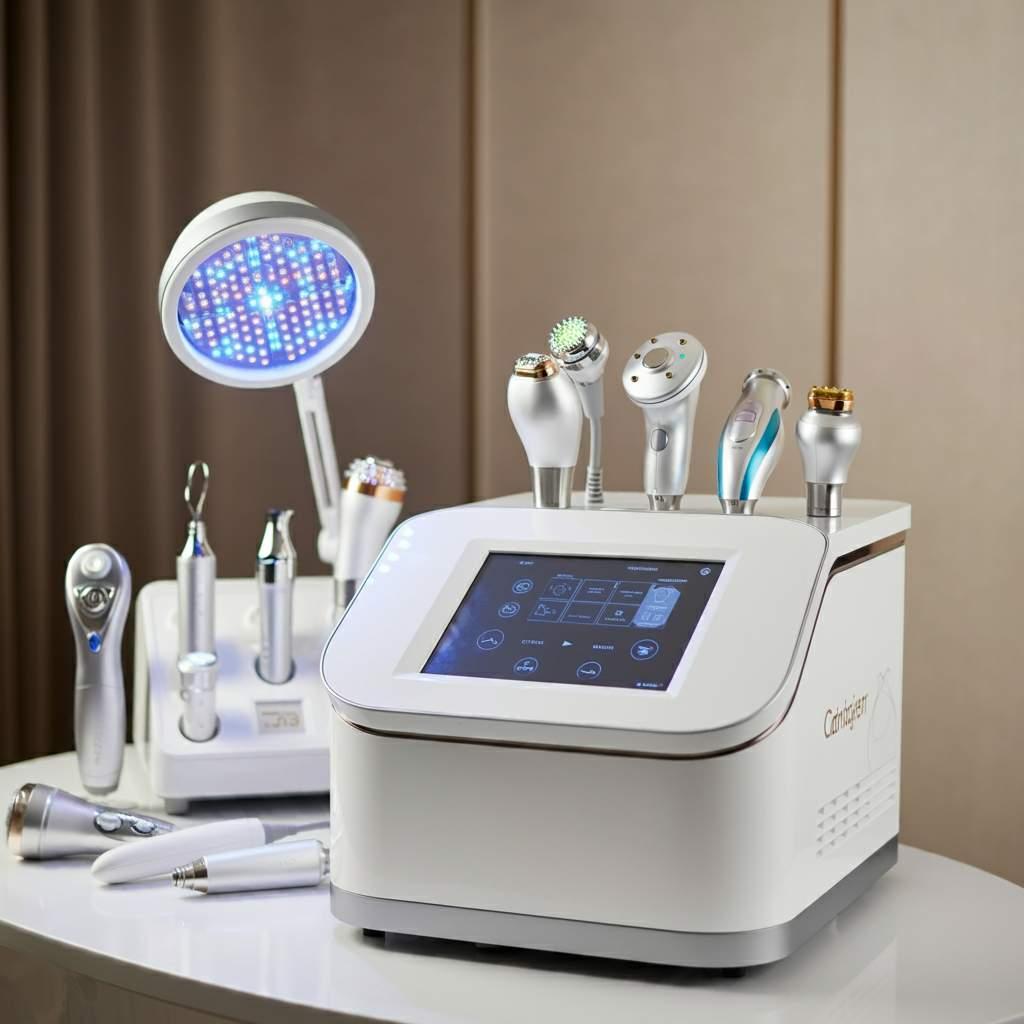
Multi-color LED therapy is commonly integrated with other professional aesthetic technologies, allowing clinics to create comprehensive treatment protocols while improving client comfort and workflow efficiency.
Improved Equipment Utilization
From a business perspective, multifunctional equipment offers higher operational value.
Instead of dedicating one device to a single indication, clinics can use multi-color LED systems throughout the day for different services, including:
- Acne programs
- Anti-aging treatments
- Brightening facials
- Sensitive skin care
- Post-procedure support
Higher equipment utilization contributes to a better return on investment while expanding service offerings.
Applications: Meeting Diverse Client Needs
Modern clients rarely seek a one-size-fits-all treatment. They expect personalized solutions based on their skin concerns, lifestyle, and desired outcomes.
Multi-color LED devices support this expectation by fitting naturally into a wide range of professional services.
Typical applications include:
Anti-Aging Programs
Red and near-infrared light are commonly incorporated into facial rejuvenation treatments that aim to improve the appearance of fine lines, skin firmness, and overall skin vitality.
Acne Management
Blue light is frequently paired with professional cleansing and extraction procedures to support clearer-looking skin.
Sensitive Skin Recovery
Yellow and cyan light are often used following aesthetic procedures to help soothe the skin and improve client comfort.
Brightening Treatments
Green and white light are commonly included in complexion-enhancing facials designed to promote a more radiant appearance.
Comprehensive Skin Management
Many clinics combine several LED wavelengths into long-term skincare programs, allowing treatment protocols to evolve as clients' skin conditions change over time.
This versatility explains why LED therapy remains one of the most consistently utilized technologies in professional aesthetic practice.
Conclusion
Multi-color LED devices have become a cornerstone of modern professional aesthetic treatments because they offer versatility, efficiency, and compatibility with a wide range of skincare technologies. By providing multiple wavelengths within a single platform, these systems enable practitioners to tailor treatments for different skin concerns while streamlining clinical workflows.
Rather than replacing advanced technologies such as radio frequency, ultrasound, or hydrodermabrasion, LED therapy enhances their effectiveness by supporting skin recovery, improving client comfort, and contributing to comprehensive treatment plans.
For beauty clinics, medical spas, and aesthetic professionals, investing in multi-color LED technology is not simply about adding another device—it is about expanding treatment possibilities, increasing equipment utilization, and delivering personalized care that aligns with today's growing demand for non-invasive, results-oriented skincare.
As the aesthetic industry continues to evolve, multi-color LED systems will remain an essential component of professional treatment protocols, helping practitioners provide flexible solutions for clients seeking healthier, more radiant skin
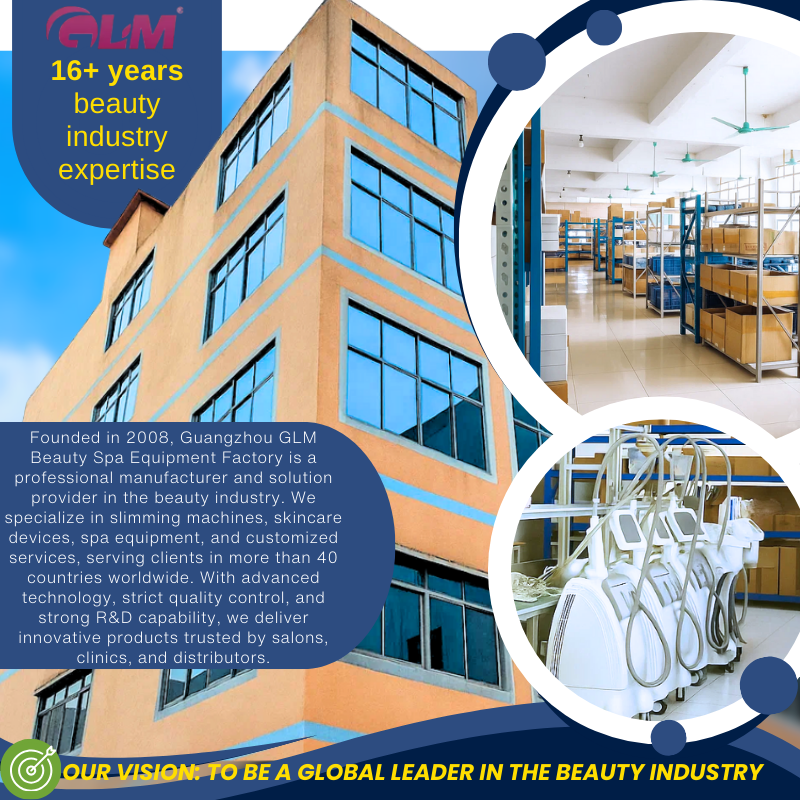
Founded in 2008, Guangzhou GLM Beauty Spa Equipment Factory specializes in research, development, manufacture and selling of beauty and slimming machines. Our production base is located in Guangzhou City, Guangdong Province, China. Since our foundation, we have introduced advanced technologies and equipment, to assure high quality and high performance of our products. With professional marketing guide and excellent after-sales service, our products have been exported to over 20 countries and regions, including Southeast Asia, the Middle East, Europe and the United States, won worldwide praises and gained a good reputation