

Introduction
As digital skincare tools become more widespread, mobile skin analysis apps have gained popularity among consumers. With nothing more than a smartphone camera, these apps promise instant insights into skin condition, concerns, and even personalized product recommendations. For everyday users, this convenience is appealing—but in professional aesthetic environments, accuracy, consistency, and clinical relevance matter far more than convenience alone.
In beauty salons, dermatology clinics, and medical aesthetic centers, skin analysis is not just a visual check. It is the foundation of treatment planning, client communication, and long-term skin management. Decisions about technology selection, treatment intensity, and skincare protocols rely heavily on reliable diagnostic data. This is where professional skin analyzers clearly outperform mobile apps.
Professional skin analyzers are designed to assess the skin beyond surface appearance. Using controlled lighting, optical imaging, and advanced sensors, they reveal conditions beneath the epidermis that smartphone cameras simply cannot detect. As clients become more educated and results-driven, clinics are increasingly investing in professional-grade diagnostic equipment to deliver credibility, transparency, and measurable outcomes.
This article explains why professional skin analyzers consistently outperform mobile apps, focusing on technological differences, diagnostic depth, clinical value, and the strategic advantages they offer to professional skincare providers.
Background / Problem
The Rise of Mobile Skin Analysis Apps
Mobile skin analysis apps emerged in response to growing consumer interest in personalized skincare. By analyzing selfies, these apps claim to identify issues such as wrinkles, pores, pigmentation, redness, and hydration levels. While they can raise general awareness, their assessments are fundamentally limited.
Smartphone-based analysis relies on:
-
Ambient lighting conditions
-
Camera resolution and angle
-
Image filters and AI estimation models
As a result, outcomes vary widely depending on environment and device quality. The same face can produce different “results” under different lighting or camera settings, reducing reliability.
Professional Expectations in Clinical Settings
In contrast, professional skincare environments require standardized, repeatable, and objective data. Clients expect practitioners to explain:
-
Why a treatment is recommended
-
What underlying skin issues exist
-
How progress will be measured over time
Mobile apps are not designed for this level of responsibility. They cannot reliably distinguish between surface discoloration and deeper pigmentation, nor can they assess conditions such as UV damage, vascular patterns, or subdermal oil distribution.
This gap has made it clear that while mobile apps may serve as educational tools, they cannot replace professional diagnostic equipment.
Technology / Mechanism
Controlled Imaging vs. Consumer Cameras
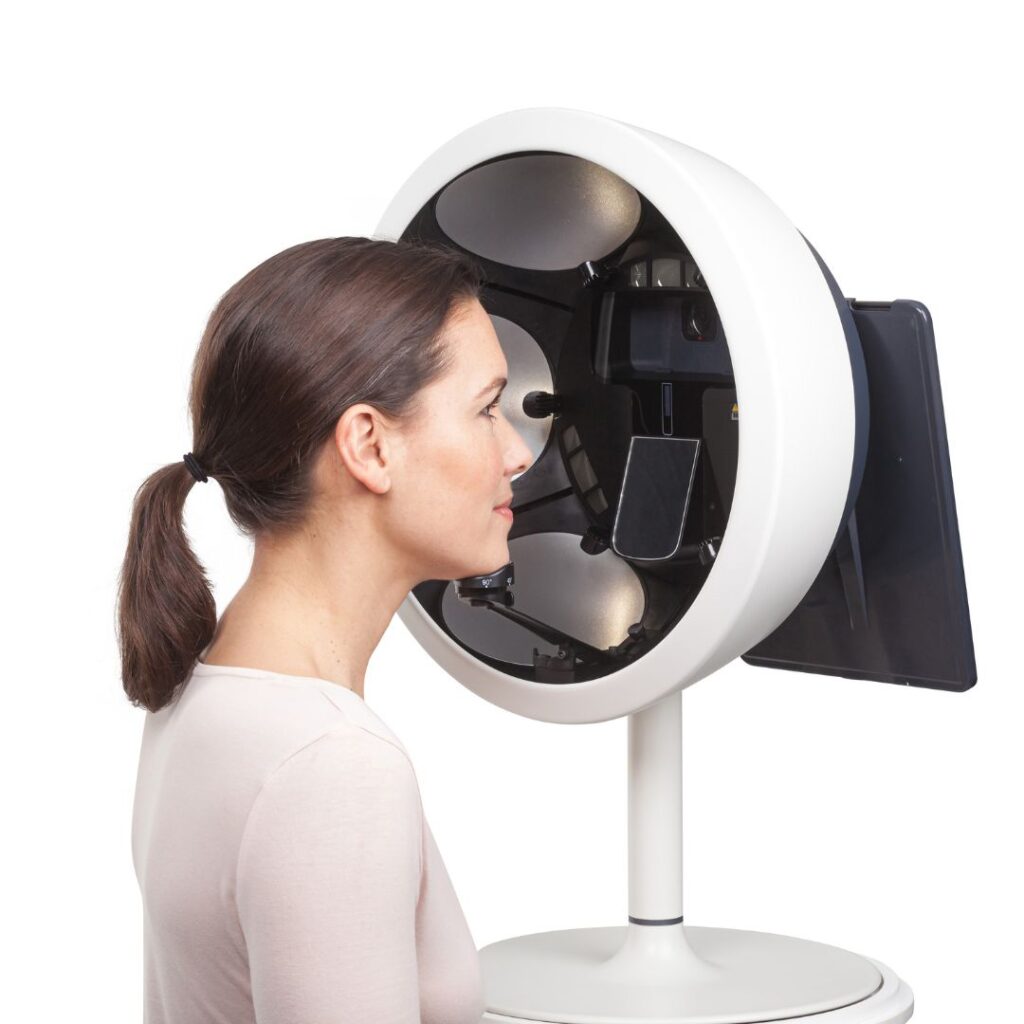
Professional skin analyzers use calibrated imaging systems that operate under controlled conditions. These typically include:
-
Multi-spectrum lighting (white light, polarized light, UV light)
-
Fixed camera distance and angle
-
High-resolution sensors designed for dermatological imaging
This setup ensures consistency and eliminates variables such as shadows, reflections, or cosmetic interference.
Mobile apps, by contrast, rely on consumer-grade cameras that are optimized for aesthetics rather than diagnostics. Image enhancement algorithms designed to beautify photos often interfere with accurate skin assessment.
Multi-Layer Skin Analysis
One of the biggest advantages of professional skin analyzers is their ability to evaluate different skin layers. Depending on the system, they can assess:
-
Surface texture and fine lines
-
Pore distribution and oil balance
-
Pigmentation beneath the epidermis
-
UV-induced damage not yet visible
-
Redness and vascular conditions
Mobile apps can only analyze visible surface features. They estimate deeper conditions using AI assumptions rather than direct measurement, which limits clinical accuracy.
Quantitative Data and Baseline Tracking
Professional analyzers generate numerical data and visual maps that serve as objective baselines. This allows practitioners to:
-
Track changes over time
-
Compare before-and-after results
-
Adjust treatment protocols based on measurable progress
Mobile apps typically provide qualitative feedback (“good,” “fair,” “needs improvement”) without clinical-grade metrics, making long-term monitoring unreliable.
Advantages / Comparison
Accuracy and Reliability
Professional skin analyzers are built for precision. Their results are consistent across sessions because imaging conditions are standardized. This reliability is critical when treatment decisions involve energy-based devices, chemical treatments, or long-term skin management plans.
Mobile apps, influenced by lighting, phone models, and user technique, cannot deliver the same level of accuracy.
Credibility and Client Trust
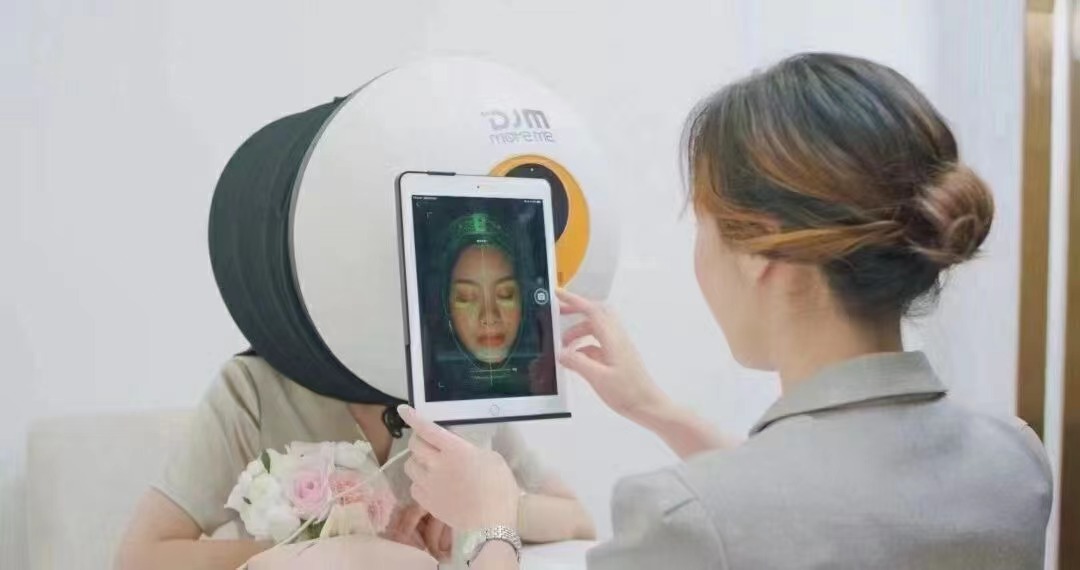
In professional settings, credibility is everything. When clients see detailed images of pigmentation, UV damage, or pore structures captured by a professional analyzer, the consultation becomes more transparent and persuasive.
This visual evidence helps clients understand their skin condition objectively, rather than relying on subjective explanations. Mobile app results, often perceived as “generic” or entertainment-driven, lack this authority.
Treatment Planning and Upselling
Professional skin analyzers support structured consultations. Practitioners can link detected issues directly to recommended treatments, such as:
-
Deep cleansing for pore congestion
-
Brightening protocols for pigmentation
-
RF or ultrasound for skin laxity
-
Recovery treatments for compromised skin barriers
This creates a logical, data-driven pathway from diagnosis to treatment, increasing treatment acceptance and package conversion rates.
Mobile apps, on the other hand, usually lead users toward product recommendations rather than professional procedures.
Integration with Professional Devices
Many modern skin analyzers integrate seamlessly with other clinic technologies. Data from skin analysis can guide settings for lasers, RF devices, HIFU systems, or mesotherapy treatments. This level of integration is impossible with consumer mobile apps.
Applications / Client Needs
Professional Consultation Experience
In salons and clinics, skin analysis is often the first step of the client journey. A professional analyzer transforms this step into a high-value experience rather than a routine check.
Clients appreciate:
-
Clear visual explanations
-
Personalized treatment roadmaps
-
Objective progress tracking
This elevates the perceived professionalism of the clinic and differentiates it from competitors relying on basic consultations.
Long-Term Skin Management
Professional skin analyzers are particularly valuable for long-term skin management programs. Regular scans allow practitioners to monitor changes related to aging, lifestyle, seasonal factors, or treatment response.
This supports ongoing client relationships and encourages maintenance treatments rather than one-time visits.
Suitable for Advanced Client Expectations
As the aesthetic market matures, clients are becoming more knowledgeable. Many can already access mobile apps at home. What they expect from professionals is deeper insight—not repetition of what they can already see themselves.
Professional skin analyzers meet this expectation by revealing what the naked eye and smartphone cameras cannot.
Conclusion
While mobile skin analysis apps offer convenience and basic awareness, they cannot match the depth, accuracy, and clinical relevance of professional skin analyzers. Designed for controlled environments and advanced diagnostics, professional systems provide multi-layer insights, quantitative data, and consistent results essential for high-level aesthetic care.
For clinics and beauty salons, investing in professional skin analyzers is not merely a technological upgrade—it is a strategic decision that enhances credibility, improves treatment outcomes, and strengthens client trust.
As the skincare industry continues to shift toward data-driven, personalized solutions, professional skin analyzers will remain the gold standard, far outperforming mobile apps in every aspect that truly matters.
Founded in 2008, Guangzhou GLM Beauty Spa Equipment Factory specializes in research, development, manufacture and selling of beauty and slimming machines. Our production base is located in Guangzhou City, Guangdong Province, China. Since our foundation, we have introduced advanced technologies and equipment, to assure high quality and high performance of our products. With professional marketing guide and excellent after-sales service, our products have been exported to over 20 countries and regions, including Southeast Asia, the Middle East, Europe and the United States, won worldwide praises and gained a good reputation.