
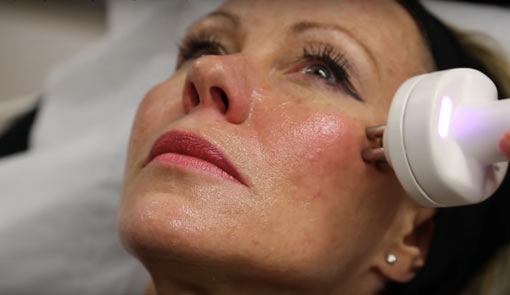
Radio Frequency (RF) technology has become one of the most widely used and trusted non-invasive treatments in the global beauty industry. From skin tightening to wrinkle reduction and facial contouring, RF devices continue to dominate both clinical and home-use markets. One of the biggest reasons for RF’s popularity is its reputation for safety—especially across different skin types, tones, and sensitivities.
Unlike lasers or chemical treatments, RF uses controlled electrical energy to generate heat within the dermis while leaving the surface layer of the skin unharmed. This unique mechanism drastically reduces the risk of burns, pigmentation issues, or long recovery time. For clients and beauty technicians alike, RF is known as a reliable, low-risk, and highly effective tool for anti-aging and rejuvenation.
In this article, we explore why RF is safe for most skin types, what makes RF different from other technologies, and why clinics and beauty brands continue to rely on RF for consistent results.
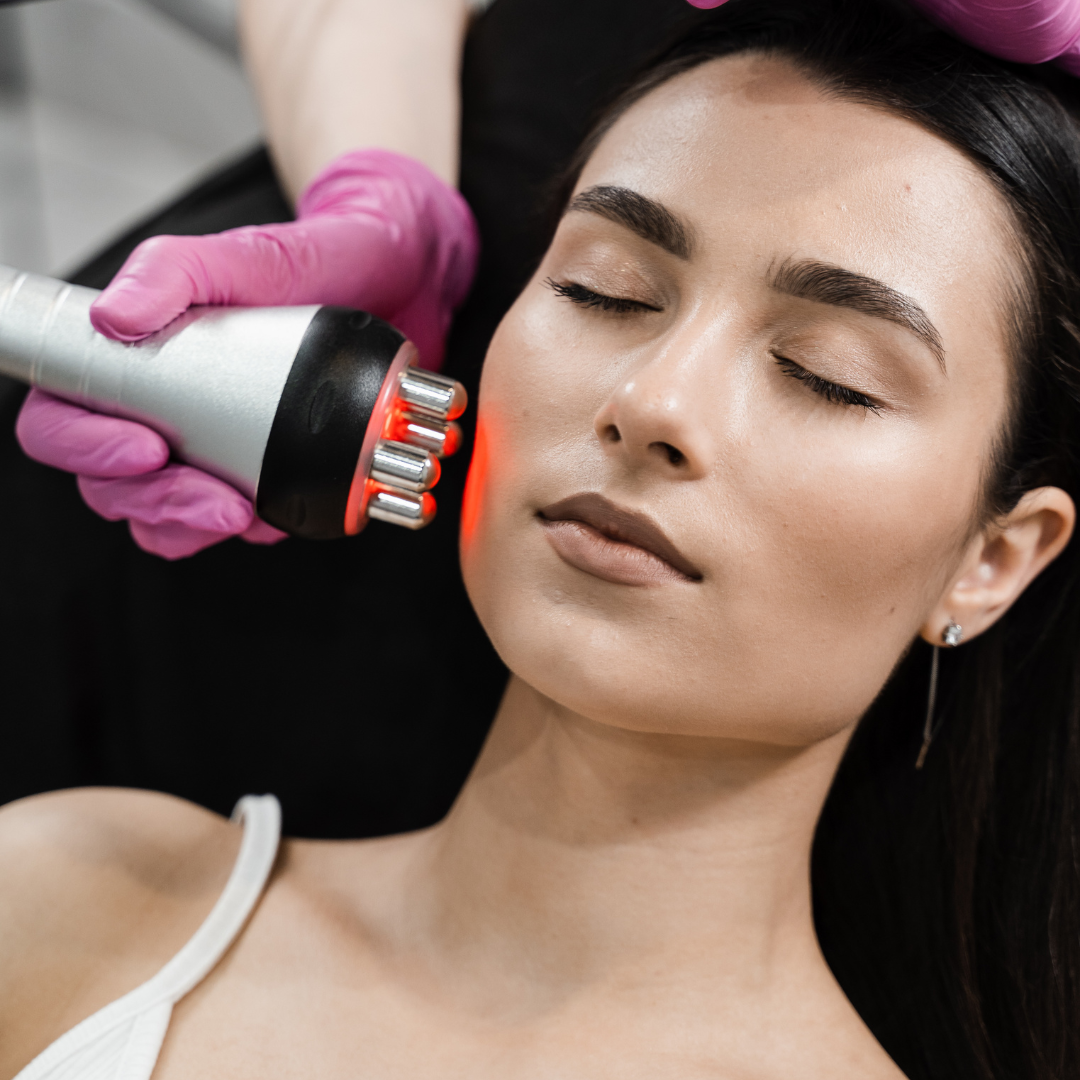
1. Understanding How RF Works
Radio Frequency energy targets the dermis—the deeper layer of the skin—by producing uniform heat that reaches collagen fibers and stimulates fibroblasts. The temperature typically ranges between 38°C–45°C for non-invasive devices, which is enough to trigger collagen remodeling without harming the epidermis.
RF acts through these key mechanisms:
A. Controlled Thermal Stimulation
The measured heat produced by RF encourages collagen tightening and regeneration, improving skin firmness.
B. Non-Ablative Technology
RF does not remove or destroy the skin surface. This is a major reason it is safer than lasers and peels.
C. Independent of Melanin
Unlike lasers, RF energy does not target pigmentation. This makes it safe for fair, medium, and dark skin tones alike.
D. Even Energy Distribution
Quality RF devices deliver stable, consistent energy that avoids “hot spots” and reduces risk.
Because of these factors, RF can treat a wide range of skin concerns without compromising safety.
2. Why RF Is Safe for Most Skin Types
✔ 1. RF Does Not Target Pigment
Laser treatments work by absorbing light into melanin. This is why they can be risky on darker skin tones, potentially causing burns or hyperpigmentation.
RF energy, however, ignores pigmentation completely. It passes safely through the epidermis and directly heats the dermis. This makes RF suitable for:
-
Fair skin
-
Olive skin
-
Asian skin
-
Middle Eastern skin
-
Hispanic skin
-
Darker skin tones
-
Sensitive skin types
RF is one of the few anti-aging technologies that work universally across global skin diversity.
✔ 2. Low Risk of Burns or Post-Inflammatory Hyperpigmentation
Because RF does not rely on light absorption, the risk of accidental overheating on the surface of the skin is significantly lower.
RF devices also typically include:
-
Temperature control
-
Real-time monitoring
-
Multiple energy levels
-
Contact gel to prevent heat spikes
These features protect the epidermis and reduce inflammation, ensuring safer treatment outcomes.
✔ 3. Gentle Heating, Not Aggressive Ablation
Traditional resurfacing procedures like chemical peels or ablative lasers remove or vaporize layers of skin. This increases the risk of:
-
Prolonged downtime
-
Scarring
-
Pigmentation rebound
-
Redness or irritation
RF, on the other hand, heats without removing skin, allowing clients to enjoy results with:
-
No peeling
-
No crusting
-
No open wounds
-
Minimal sensitivity
This is especially beneficial for dehydrated, reactive, or barrier-weakened skin types.
✔ 4. Customizable Intensity for Every Skin Condition
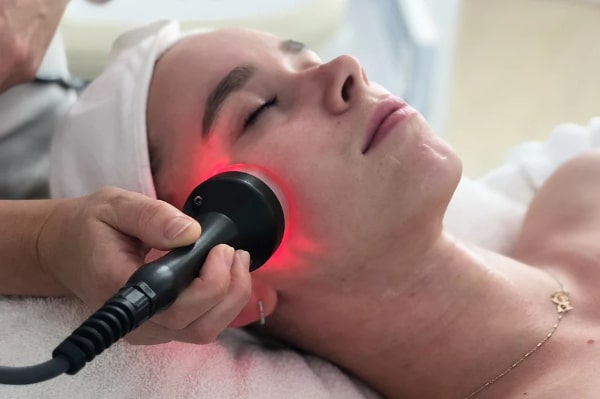
RF devices typically offer adjustable levels, making it easier to tailor treatments for each client:
-
Low intensity → sensitive skin, first-time users
-
Medium intensity → general anti-aging
-
High intensity → lifting, contouring, stubborn sagging
This flexibility adds to the safety and precision of RF treatments.
✔ 5. Minimal Side Effects and Fast Recovery
Most clients experience only temporary warmth or mild redness that fades within minutes to hours. RF has:
-
No downtime
-
No extensive aftercare
-
No significant sun restrictions
Compared to laser treatments that require strict post-care, RF is much more forgiving and suitable for busy lifestyles.
3. RF vs. Other Common Skin Technologies: Why RF Is Safer
A. RF vs. Laser
| Feature | RF | Laser |
|---|---|---|
| Targets Melanin | No | Yes |
| Safe for All Skin Tones | Yes | Some lasers no |
| Downtime | Minimal | Can be days–weeks |
| Burn Risk | Low | Moderate–High |
RF clearly carries fewer complications, especially for darker or sensitive skin.
B. RF vs. Chemical Peels
Chemical peels can cause irritation, flaking, and pigment changes.
RF is gentler because it works from the inside out, not the surface down.
C. RF vs. Ultrasound (HIFU)
HIFU can feel more intense and is not always ideal for sensitive clients.
RF, by comparison, is softer, warmer, and more tolerable—yet still effective.
4. Skin Conditions That Respond Safely to RF
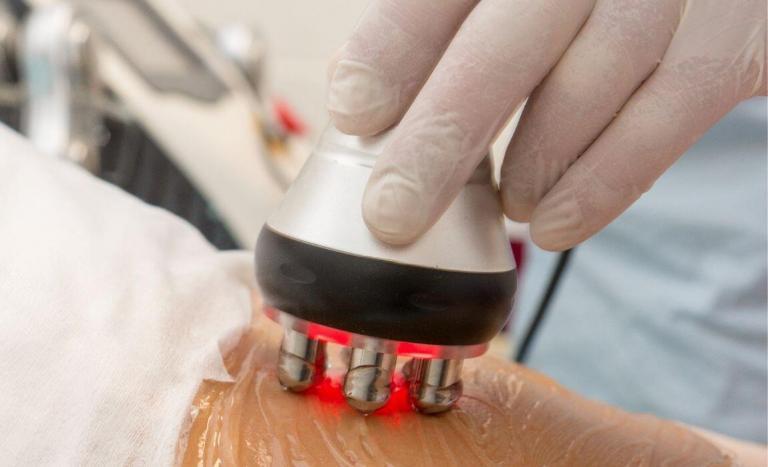
RF can treat a wide range of concerns safely, including:
-
Mild to moderate skin laxity
-
Fine lines and wrinkles
-
Jawline definition
-
Cheek lifting
-
Neck tightening
-
Under-eye wrinkles
-
Enlarged pores
-
Texture irregularities
-
Postpartum loose skin
Because RF avoids epidermal damage, it is suitable even for:
-
Thin skin
-
Barrier-impaired skin
-
Mature skin
-
Combination or oily skin
RF stands out as one of the safest universal anti-aging solutions in the market.
5. Why Clinics Prefer RF for Diverse Client Bases
Beauty clinics and dermatology centers benefit from providing RF because:
✔ Safe for Nearly All Clients
No need to turn away darker skin tones or sensitive clients—RF includes almost everyone.
✔ Easy to Train Technicians
Because RF is predictable and controlled, technicians can operate it safely with proper training.
✔ High Repeat Rate
RF typically requires multiple sessions, creating stable revenue for clinics.
✔ Few Consumables
Most RF machines generate profit with minimal ongoing cost.
✔ Pairs Well With Other Treatments
RF boosts results when combined with:
-
LED
-
HydraFacial
-
Cold plasma
-
Microneedling
-
EMS lifting
This increases treatment value and customer satisfaction.
6. Why RF Devices Are Growing in Home-Use Markets
Home-use RF devices have surged across the U.S., Europe, Korea, and Southeast Asia. The reasons include:
-
Safe, low-level energy suitable for home users
-
Comfortable treatment experience
-
Gradual but visible improvements
-
Social media popularity
-
Affordable compared to professional sessions
As consumer demand for anti-aging solutions grows, home RF devices continue to lead non-invasive skincare categories on major ecommerce platforms.
For manufacturers and distributors, this represents a major opportunity for global expansion.
7. The Science Behind RF Safety
Several scientific principles explain why RF is so stable and low-risk:
A. Impedance-Based Heating
RF responds to tissue resistance, meaning it naturally avoids overheating the surface.
B. Thermal Threshold Control
Collagen-denaturation temperatures are well-studied and easy to regulate.
C. Predictable Penetration Depth
RF does not fluctuate with melanin or skin color—it distributes evenly.
These predictable physical characteristics make RF one of the most reliable technologies used in beauty devices.
8. The Future of RF Technology
The aesthetic industry continues to innovate with:
-
Multi-polar and 3-polar RF
-
RF + vacuum systems
-
RF microneedling
-
RF combined with EMS or ultrasound
-
AI-controlled temperature systems
-
Portable RF for at-home use
As RF evolves, its core advantage—safety across all skin types—will remain its greatest selling point.
Founded in 2008, Guangzhou GLM Beauty Spa Equipment Factory specializes in research, development, manufacture and selling of beauty and slimming machines. Our production base is located in Guangzhou City, Guangdong Province, China. Since our foundation, we have introduced advanced technologies and equipment, to assure high quality and high performance of our products. With professional marketing guide and excellent after-sales service, our products have been exported to over 20 countries and regions, including Southeast Asia, the Middle East, Europe and the United States, won worldwide praises and gained a good reputation.